Plan and listen to Palácio De São Lourenço with Audiala.
Audio guide in your pocket, itinerary in your browser. Built for the way you actually visit.
Introduction: Discovering Palácio de São Lourenço
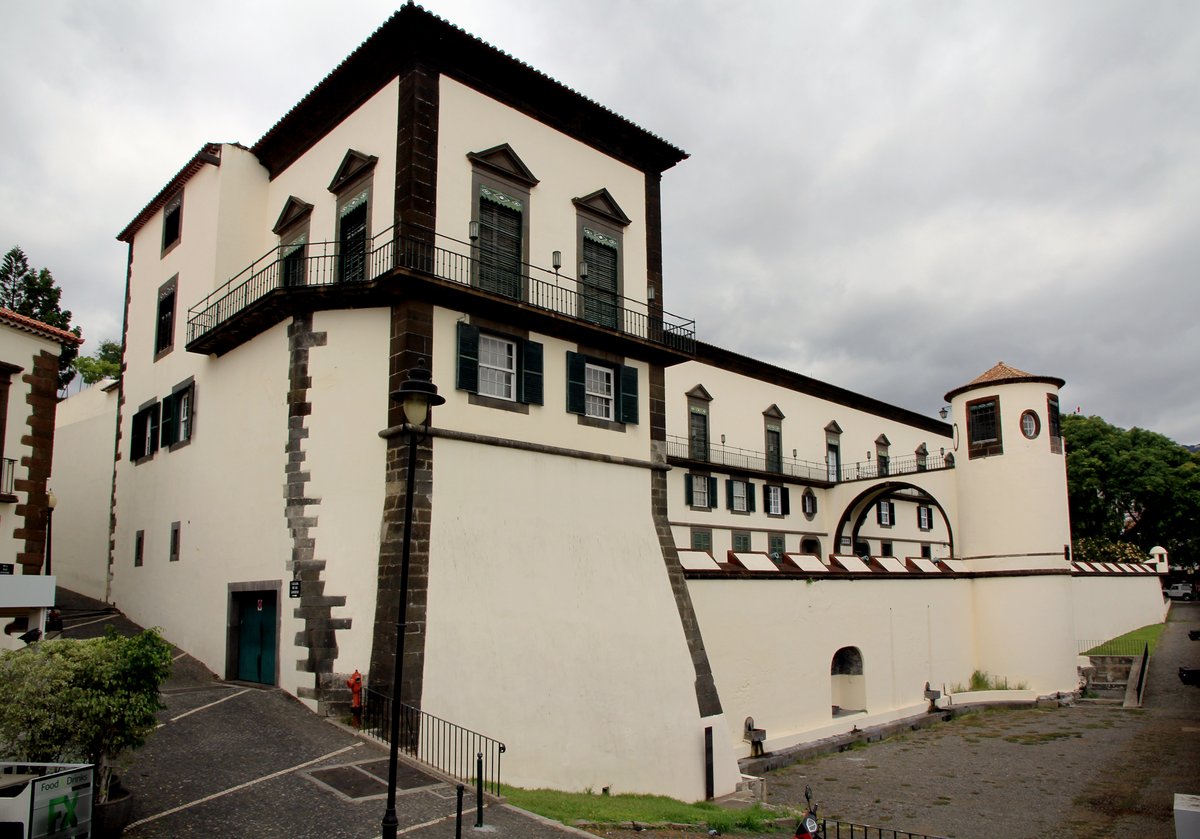
Prominently located along Avenida Zarco in the heart of Funchal, Madeira, Palácio de São Lourenço stands as a remarkable testament to the island’s layered history and architectural splendor. Originally built in the early 16th century under King Manuel I of Portugal to defend against piracy, the palace has since evolved from a military fortress into an elegant residence for Madeira’s governors and a living symbol of Portuguese maritime power. Today, it serves both as a governmental residence and a cultural heritage site, welcoming visitors to explore its unique blend of Manueline, Mannerist, and Baroque styles, lush gardens, and compelling museum exhibits. This guide offers comprehensive details on Palácio de São Lourenço visiting hours, ticketing, accessibility, and nearby attractions, ensuring you make the most of your visit to this iconic Funchal landmark (cultura.madeira.gov.pt; visitmadeira.com; visit.funchal.pt).

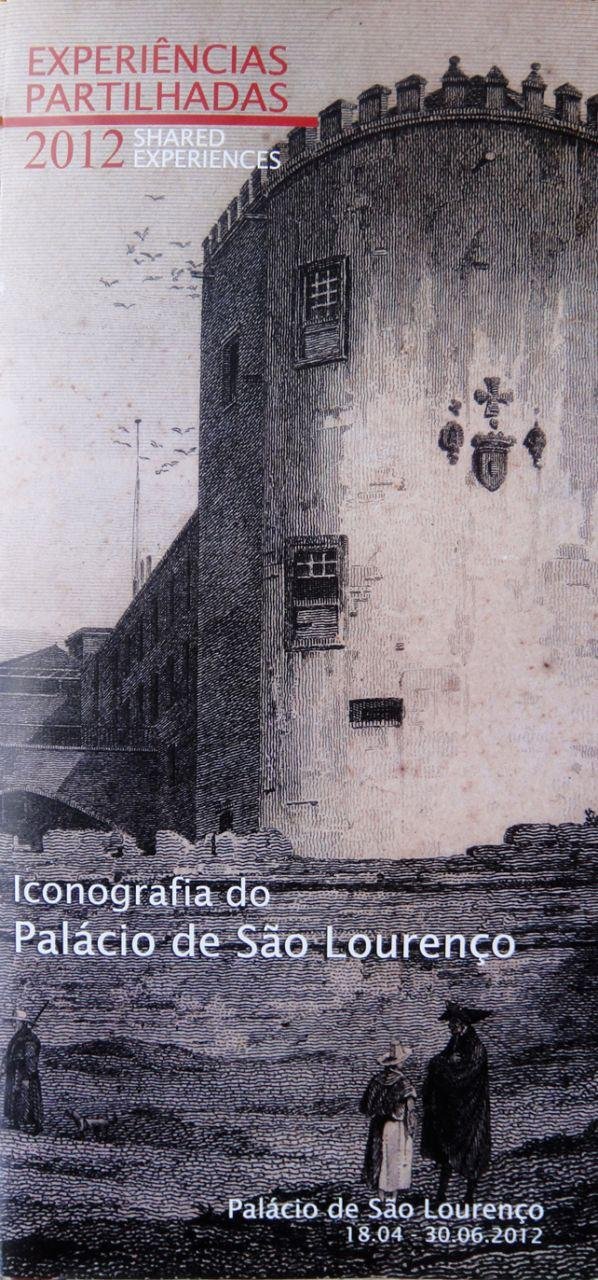
Early Foundations and Strategic Importance
The Palácio de São Lourenço was commissioned in the early 16th century, with construction beginning in 1513 under King Manuel I. The fortress was strategically placed on Funchal’s seafront to protect the burgeoning city from pirate incursions, reflecting Madeira’s growing value within Portugal’s Atlantic trade network. The original works, overseen by João Cáceres, established a robust defensive structure, further reinforced following a notorious French pirate attack in 1566, which exposed the city’s vulnerabilities (cultura.madeira.gov.pt; madeira-web.com).
Subsequent expansions, particularly under Spanish rule during the Iberian Union (1580–1640), saw the fortress adapted with new bastions and further militarized, cementing its role as the island’s principal stronghold (visitmadeira.com).
Architectural Evolution and Artistic Highlights
Fortress to Palace
While Palácio de São Lourenço began as a military installation, it gradually incorporated refined architectural elements as it became the official residence of Madeira’s governors. The transition is evident in the blend of styles—Manueline stonework, Mannerist facades, and Baroque interiors—reflecting centuries of evolving tastes and functions (portugalallover.com).
Key Features
- Fortified Bastions and Watchtowers: The east tower displays royal emblems such as the armillary sphere and cross of Christ, signifying Portuguese sovereignty.
- Grand Halls and Chapel: The palace’s chapel is adorned with Baroque gilded woodwork and 18th-century azulejo tile panels, while the noble halls feature period furnishings and portraits of governors and royalty (Museu de Arte Sacra do Funchal).
- Gardens: Landscaped in the 19th century, the gardens provide a tranquil contrast to the fortress’s imposing exterior and offer scenic views over Funchal’s harbor.
The palace’s layout juxtaposes the austere military wing with the more ornamented residential sections, united by a central courtyard and surrounded by arcaded galleries (Monumentos Portugal).
Political and Cultural Significance
For centuries, Palácio de São Lourenço was the administrative heart of Madeira, housing both the military and civil governors. The division of the palace in 1836 into separate civil and military wings reflects the evolving governance structure of the island (cultura.madeira.gov.pt). The site played a pivotal role during the Napoleonic Wars, serving as headquarters for British troops, and has witnessed key moments in Madeira’s political history, including 20th-century uprisings (portugalallover.com).
Today, the palace continues to serve as the official residence of the Representative of the Republic for Madeira and the Military Command, maintaining its ceremonial and administrative functions. It is celebrated as a symbol of Madeiran identity and resilience, frequently hosting public celebrations and educational initiatives (Governo Regional da Madeira).
Visiting Palácio de São Lourenço: Hours, Tickets, and Access
Location and Getting There
Palácio de São Lourenço is centrally located on Avenida Zarco, within easy walking distance of Funchal’s main squares, the marina, and other major attractions. Public buses and taxis offer convenient access, while the pedestrian-friendly area makes it ideal for walking tours (visitmadeira.com; visit.funchal.pt).
Visiting Hours (as of June 2025)
- Monday: 12:30
- Tuesday & Wednesday: 10:00
- Thursday: 10:00 and 12:30
- Friday: 15:00
- Closed: Saturdays, Sundays, and public holidays
Entry is exclusively via guided tour; arriving early is recommended as tours start promptly (visit.funchal.pt).
Tickets and Admission
- Admission: Free (guided tour required)
- Booking: Individual visitors can join scheduled tours without prior booking; groups should reserve in advance via phone (+351 291 204 900) or email ([email protected]).
- Languages: Tours are offered in Portuguese and English; other languages may be available on request.
Accessibility
The palace provides ramps and partial wheelchair access, though some historic areas may have uneven flooring or stairs. Visitors with mobility needs should contact the palace ahead of time for specific accommodations.
Guided Tours and Visitor Experience
Guided tours, lasting approximately 45–60 minutes, are led by knowledgeable staff and provide access to:
- The grand noble halls with period furnishings and royal portraits
- The palace gardens and defensive bastions with panoramic views
- The military museum, showcasing weaponry, uniforms, and historical artifacts from the 17th century onward
Photography is generally permitted in exterior and garden areas, with restrictions in some interior rooms for preservation or security reasons (digitaltravelcouple.com).
Travel Tips and Nearby Attractions
- Dress Code: Wear modest attire due to the palace’s official status.
- Facilities: Restrooms are available; a small gift shop offers books and souvenirs.
- Refreshments: No on-site café, but plenty of options are nearby along Avenida Arriaga.
- Nearby Sights: The Sé Cathedral, Mercado dos Lavradores, Municipal Gardens, and Funchal’s waterfront are all within walking distance, making it easy to combine your visit with other highlights (MyPortugalHoliday.com).
- Photography: Remember that flash and tripods may be prohibited; always check with your guide.
Suggested Day Itinerary:
Morning: Guided tour of Palácio de São Lourenço → Visit Sé Cathedral
Afternoon: Lunch and stroll through Mercado dos Lavradores or Municipal Gardens
Evening: Enjoy Funchal’s vibrant atmosphere along the marina
Frequently Asked Questions (FAQs)
Q: Are tickets required to visit Palácio de São Lourenço?
A: Admission is free, but access is only via scheduled guided tours.
Q: How do I book a tour?
A: Individuals can join regular tours without booking; groups should reserve in advance by phone or email.
Q: Is Palácio de São Lourenço accessible for visitors with reduced mobility?
A: The palace is partially accessible; some areas have ramps, but others may have stairs or uneven surfaces.
Q: What languages are tours offered in?
A: Portuguese and English, with other languages available by request.
Q: Can I take photos inside?
A: Photography is allowed in exterior and garden areas; restrictions apply in some interior spaces.
Listen to the full story in the app
The whole Palácio De São Lourenço,
told well.
Audio guides for 1,100+ cities across 96 countries. History, stories, and local insight — offline ready.
Verified, and shown.
Researched and written by the Audiala editorial team from historical records, architectural archives, and local expertise.
Researched from Wikidata, Wikipedia & official sources · fact-checked · How we make our guides →