Plan and listen to Palácio Dos Duques De Loulé with Audiala.
Audio guide in your pocket, itinerary in your browser. Built for the way you actually visit.
Introduction
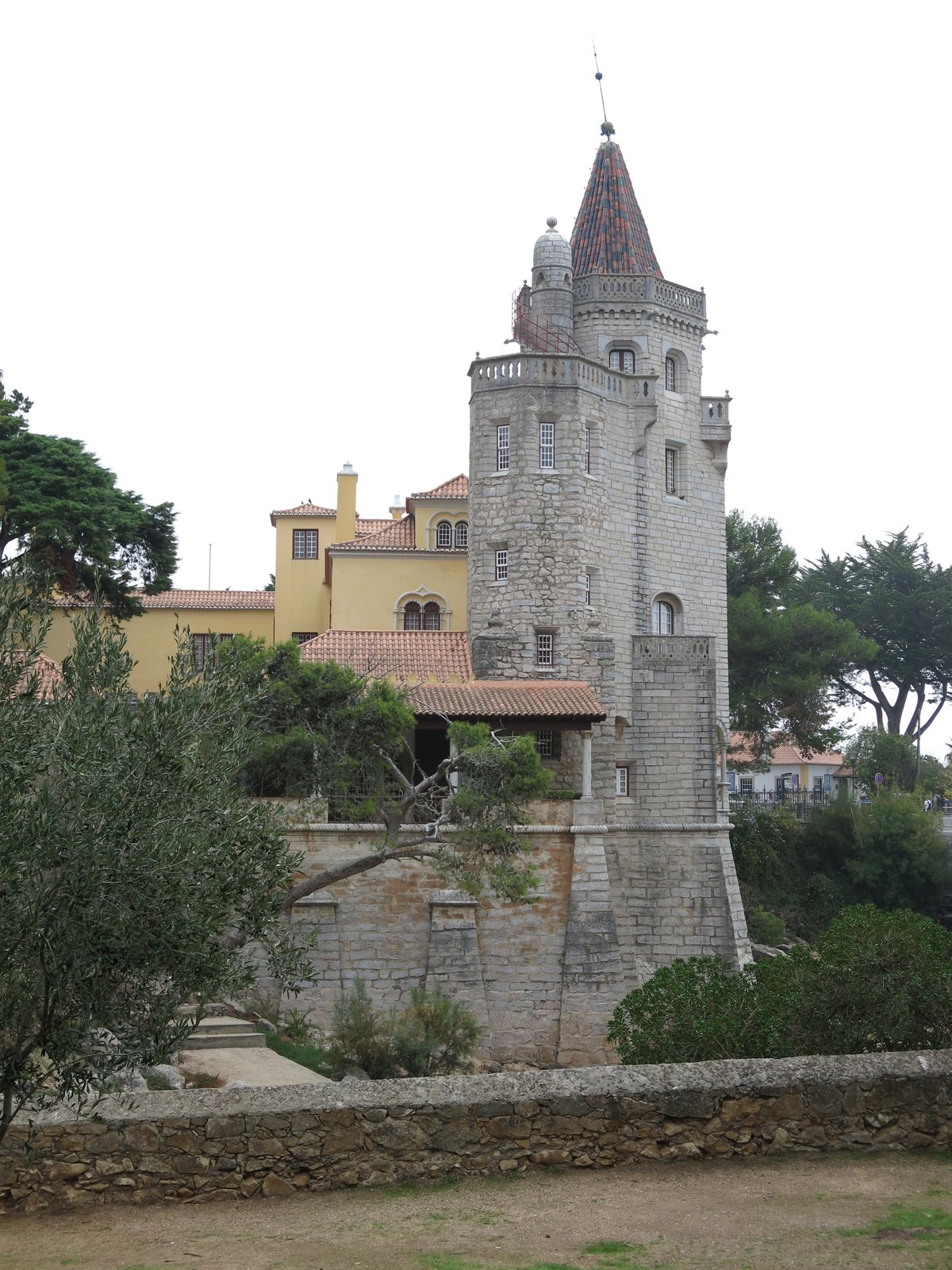
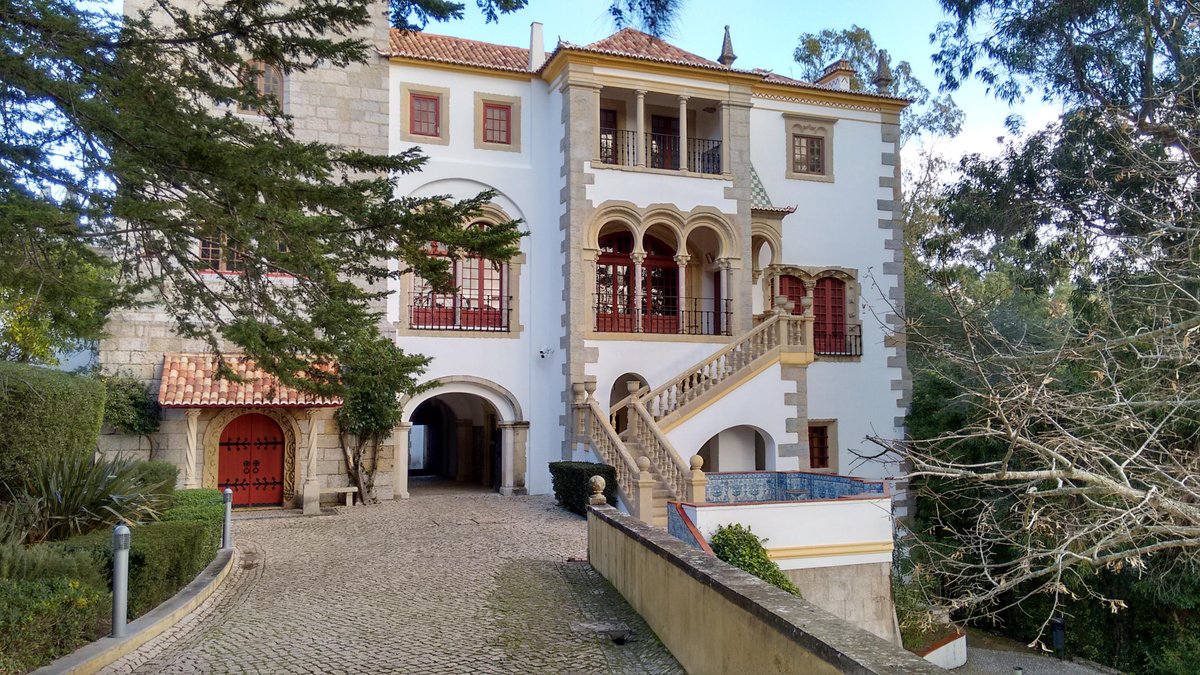
Nestled along the scenic Estoril Coast in Cascais, Portugal, the Palácio dos Duques de Loulé—also known as Casa Loulé—stands as an enduring symbol of 19th-century aristocratic elegance and noble heritage. With its unique blend of Portuguese tradition and French architectural influences, the palace offers visitors an immersive journey through Portugal’s royal past. Whether you’re a history enthusiast, architecture lover, or a traveler exploring the Portuguese Riviera, this guide provides comprehensive insights into the palace’s rich history, architectural highlights, visiting hours, tickets, and tips for an unforgettable visit (1library.org; allaboutportugal.pt; VaiVer; thealbatrozcollection.com; Estoril Portugal Annual Events).

Origins and Construction
The Palácio dos Duques de Loulé arose during the late 19th-century transformation of Cascais and Estoril into esteemed summer retreats for Portugal’s nobility. Positioned on a rocky platform overlooking the Atlantic, its construction began following the land’s purchase in 1870 and municipal approval in 1872. The project was commissioned by D. Pedro Agostinho de Mendonça Rolim de Moura Barreto (10th Count of Vale de Reis and 2nd Duke of Loulé) and his wife, with architectural design by Luís Caetano Pedro d’Ávila, a disciple of Charles Garnier (1library.org).
The palace’s design reflects French academic influence—especially the Louis XIII style—distinguished by its mansard slate roof and red brick checkerboard façade (allaboutportugal.pt).
The Loulé Family: Noble Lineage and Royal Connections
The Loulé family’s noble title was founded in 1862 by King Luís I, bestowed upon Nuno José Severo de Mendonça Rolim de Moura Barreto (pt.wikipedia.org). Through marriage to D. Ana de Jesus Maria (daughter of King João VI), the family gained royal blood and the honorific “Dom.” D. Pedro Agostinho, who commissioned the palace, held prominent roles at court and in society. The family’s royal connections remain the subject of modern discussions about the Portuguese monarchy (pt.wikipedia.org).
Architectural Significance
Exterior Style
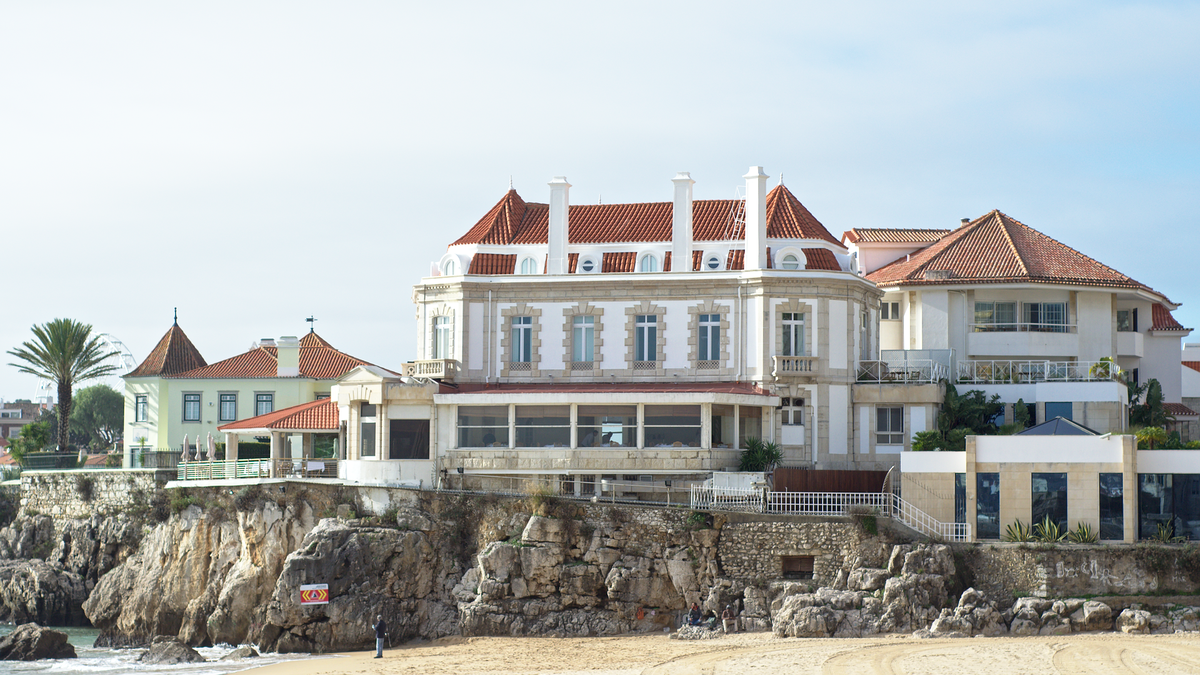
A rare Portuguese adaptation of the French chalet style, the palace features five pavilions with distinct rooflines and a striking slate roof. Its balanced, neutral façade—with large windows and ornamental ironwork—blends seamlessly with the coastal surroundings (VaiVer; The Albatroz Collection).
Interior Highlights
Inside, visitors encounter a grand staircase with original woodwork and a varandim overlooking the main hall. The palace’s corridors and rooms are adorned with 1940s azulejos from the Sant’Anna factory, period furnishings, gilded mirrors, and crystal chandeliers—many restored during the building's conversion to the Estalagem Albatroz (The Albatroz Collection).
Gardens and Outdoor Features
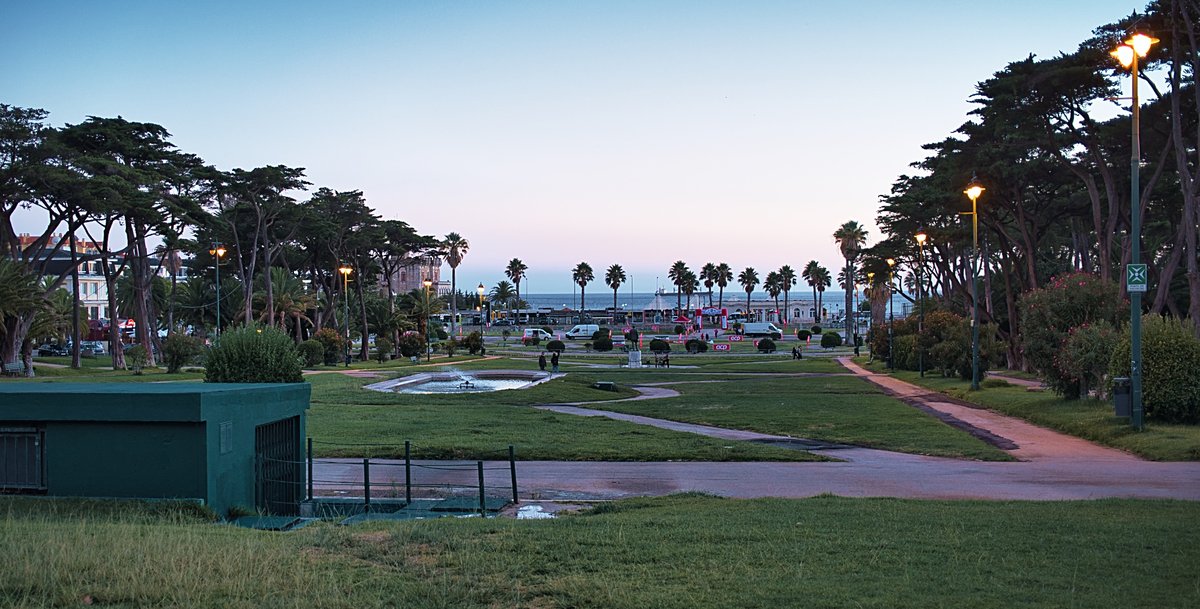
The landscaped gardens, with mature trees, manicured lawns, and flower beds, offer tranquility and privacy. Pathways lead to panoramic terraces furnished with period-appropriate seating and decorative urns, framing sweeping views of the Atlantic (The Albatroz Collection).
Visiting Information: Hours, Tickets, and Accessibility
Visiting Hours
- Hotel Operation: The palace operates as the luxury Hotel Albatroz. Public access is generally available daily from 9:00 AM to 8:00 PM in common areas such as the restaurant and lounges.
- Guided Tours: These are occasionally offered by prior arrangement—check the official website or contact the hotel for availability.
- Special Events: On select heritage days or cultural events, additional areas may be open for guided tours (Estoril Portugal Annual Events).
Tickets
- General Access: No separate entrance fee for visiting public hotel areas; dining or staying at the hotel provides the most comprehensive experience.
- Guided Tours: Fees and schedules vary; advance booking is essential.
Accessibility
- Mobility: Main public areas are wheelchair accessible; some historic sections may have limited access. Notification in advance is recommended for specific assistance.
- Photography: Permitted in public/common areas without flash; restrictions apply in private hotel sections.
Role in Portuguese Society and Culture
The palace was a pioneering luxury summer residence, setting the tone for Cascais as a fashionable resort for aristocracy and royalty. It hosted grand receptions, balls, and cultural gatherings, contributing to the vibrant social life of the Estoril Coast (en.wikipedia.org). During WWII, Estoril’s reputation as a haven for exiled royalty and dignitaries added to the palace’s allure.
Preservation and Adaptive Reuse
Recognized as a property of Municipal Interest since 2006, the palace has undergone careful restoration to preserve its architectural integrity (VaiVer). Since its acquisition by the Albatroz hotel group, it has successfully balanced heritage conservation with luxury hospitality, ensuring continued appreciation and sustainable use (thealbatrozcollection.com; cultura.cascais.pt).
Nearby Attractions
Enhance your visit by exploring:
- Capela de Nossa Senhora da Conceição dos Inocentes: Historic 17th-century chapel.
- Praia da Conceição: Picturesque beach adjacent to the palace.
- Casino Estoril & Praia do Tamariz: Iconic casino and beachfront (Portugal Visitor).
- Cascais Marina and Historic Center: Vibrant cultural and dining scene.
Visitor Tips and Practical Information
- Location: Monte Estoril, Cascais (Coordinates: 38.699757, -9.417097)
- Transport: Easily accessible by train (Cais do Sodré–Estoril), car (A5 or N6), or bus from Lisbon/Cascais.
- Dining: The hotel restaurant offers refined local and international cuisine.
- Dress: Smart-casual for restaurant visits; comfortable shoes for exploring gardens and nearby cobblestone streets.
- Safety: Portugal is very safe; standard precautions for valuables apply.
- Family-Friendly: Children under 12 are often admitted free to special events; gardens are suitable for supervised play.
Frequently Asked Questions (FAQ)
Q: What are the Palácio dos Duques de Loulé visiting hours?
A: Public access is generally from 9:00 AM to 8:00 PM in hotel common areas; guided tours require advance booking.
Q: Is there a separate entry fee?
A: No separate fee for hotel public areas. Fees apply for guided tours or special events.
Q: Are guided tours available?
A: Yes, by prior arrangement—contact Hotel Albatroz for details.
Q: Is the palace accessible for visitors with limited mobility?
A: Main public spaces are accessible; contact the hotel in advance for specific needs.
Q: Can I take photographs inside the palace?
A: Yes, in public areas and gardens (no flash indoors).
Discover More
The Palácio dos Duques de Loulé is a captivating testament to Portugal’s noble lineage, architectural innovation, and the cultural evolution of the Estoril and Cascais region. From its origins as a 19th-century aristocratic summer residence to its present-day role as a protected monument and luxury venue, the palace offers a multifaceted experience that bridges history and modernity.
Plan your visit to experience the refined elegance of this historic landmark. For the latest updates on visiting hours, tickets, and tours, visit the official palace website. Download the Audiala app to enhance your visit with guided tours and real-time information, and follow us on social media for more travel inspiration.
Listen to the full story in the app
The whole Palácio Dos Duques De Loulé,
told well.
Audio guides for 1,100+ cities across 96 countries. History, stories, and local insight — offline ready.
Verified, and shown.
Researched and written by the Audiala editorial team from historical records, architectural archives, and local expertise.
Researched from Wikidata, Wikipedia & official sources · fact-checked · How we make our guides →