Plan and listen to Forte De Santa Marta with Audiala.
Audio guide in your pocket, itinerary in your browser. Built for the way you actually visit.
Introduction
Rising above the Atlantic coastline of Cascais near Estoril, Portugal, Forte de Santa Marta is a remarkable emblem of the region’s maritime and military legacy. Originally constructed in the 1640s as a coastal defense fortification, it has evolved through centuries—adapting to changing technological and strategic needs. Today, Forte de Santa Marta functions as a lighthouse museum, seamlessly integrating military architecture, maritime heritage, and interactive museum experiences.
This detailed guide provides everything you need to know for your visit, including opening hours, ticket information, accessibility, travel tips, and highlights of nearby attractions. Whether you are a history enthusiast, culture seeker, or simply looking for stunning ocean views, Forte de Santa Marta offers a unique and enriching experience (Cascais Cultural Heritage; Evendo; Cascais Portugal Tourism).
Early Origins and Strategic Purpose
Forte de Santa Marta’s origin dates to the mid-17th century, amid Portugal’s Restoration War following independence from Spain. Built to protect the Tagus River estuary and Lisbon’s approaches, the fort was part of a broader coastal defense system designed to deter pirates and foreign navies. Its strategic placement allowed for crossfire support with other regional fortifications, safeguarding the coast and nearby settlements (Cascais Cultural Heritage; Monumentos SIPA).
Architectural Evolution and Military Enhancements
The 18th century saw significant modifications: the parapet was expanded, and the battery and barracks were reorganized to reflect changing military requirements. The fort’s angular bastions and thick masonry walls exemplify the era’s defensive architecture, providing resilience against artillery and ensuring overlapping fields of fire (Cascais Cultural Heritage).
The Lighthouse Era and Adaptive Reuse
With advances in naval warfare, Forte de Santa Marta’s military importance diminished in the 19th century. In 1867, the fort was adapted to house a lighthouse designed by Francisco Pereira da Silva, becoming a vital navigation beacon for vessels near the Tagus estuary. Automated in 1983, the lighthouse remains operational.
A major restoration in the 2000s, led by the Aires Mateus architectural studio, transformed the site into the Santa Marta Lighthouse Museum, which opened in 2007. This adaptation preserved historic elements while introducing modern exhibition spaces (Cascais Portugal Tourism).
Visiting Forte de Santa Marta
Opening Hours and Tickets
- Museum: Open Tuesday to Sunday, 10:00 AM – 6:00 PM. Closed Mondays and certain holidays.
- Lighthouse Tower: Open Wednesdays to Fridays (11:00–12:00) and the fourth Saturday each month (11:00–13:00). Entry is free and does not require advance booking (Guia da Cidade).
- Tickets: Entry to the museum and lighthouse is typically free, with special exhibitions or guided tours sometimes incurring a small fee. Check the official Cascais Museums website for updates.
Accessibility and Facilities
- Mobility: The museum is accessible, featuring ramps and adapted restrooms. Some external areas and the lighthouse tower may have steps or uneven surfaces.
- Visitor Amenities: On-site café, gift shop, documentation center, free Wi-Fi, and clean restrooms.
- Pets: Only guide dogs are allowed inside.
- Parking: Limited parking is available nearby; public transport or walking is recommended during peak periods.
Guided Tours and Events
- Guided tours are available in Portuguese and English (additional fee may apply).
- Educational workshops and family-friendly activities are regularly scheduled.
- Special events and rotating exhibitions often take place; consult the Cascais cultural agenda for details.
Getting There
- By Train: Take the Lisbon–Cascais line from Cais do Sodré to Cascais station. The fort is a scenic 15–20-minute walk along the coast.
- By Bus: Bus 417 from Cascais to Praia do Guincho stops nearby.
- By Car: Accessible via the A5 motorway; parking is limited.
- Cycling/Walking: Coastal promenade and dedicated bike paths offer beautiful approaches.
Photography Tips
- The fort’s stone ramparts, blue-and-white lighthouse, and panoramic ocean vistas provide excellent photographic opportunities—especially during early morning or sunset.
- Tripods are generally permitted, but confirm with staff during busy periods or special exhibitions.
Museum Experience and Exhibitions
The Santa Marta Lighthouse Museum features two main exhibition areas and an auditorium. Exhibits cover:
- The history of Portuguese lighthouses and navigation aids
- The evolution of coastal defense strategies
- The lives and work of lighthouse keepers (faroleiros)
- Temporary exhibitions on maritime art and history
Interpretive panels are in Portuguese and English, and the museum’s design by Francisco and Manuel Aires Mateus harmonizes modern displays with the fort’s historic structure (Guia da Cidade; Embrace Some Place).
Practical Visitor Tips
- Best Time to Visit: Spring (April–June) and early autumn (September–October) offer pleasant weather and fewer crowds. Early morning or late afternoon provides the best light for photography.
- COVID-19 Guidelines: Follow current health protocols as posted at the site or on the official website.
- Clothing: Bring a light jacket for sea breezes; comfortable shoes are recommended for walking on uneven surfaces.
- Group Visits: Reserve in advance for groups or guided tours.
Nearby Attractions
- Casa de Santa Maria: Historic mansion and museum nearby.
- Cascais Marina: Offers dining and leisure options.
- Boca do Inferno: Dramatic sea arch and natural wonder.
- Praia do Tamariz: Popular beach adjacent to the fort.
- Estoril Casino: A short stroll away, featuring gaming, shows, and restaurants (Casino Estoril).
- Estoril Promenade: Coastal path ideal for walking or cycling.
Frequently Asked Questions (FAQ)
Q: What are the visiting hours?
A: Tuesday–Sunday, 10:00 AM–6:00 PM; closed Mondays.
Q: Is there an admission fee?
A: Entry is typically free, but check for special exhibitions or guided tour fees.
Q: Is the fort accessible for people with mobility issues?
A: Most areas are accessible, though the lighthouse tower and some ramparts may require climbing steps.
Q: Are guided tours available?
A: Yes, in Portuguese and English. Check the official site for scheduling and fees.
Q: How do I get to Forte de Santa Marta?
A: Walk from Cascais station, take a local bus, cycle along the coast, or arrive by car (parking is limited).
Q: Can I bring pets?
A: Only guide dogs are allowed inside museum buildings.
Q: Is the site suitable for children?
A: Yes, with family-friendly exhibits and workshops. Children must be supervised near ramparts.
Visuals and Media
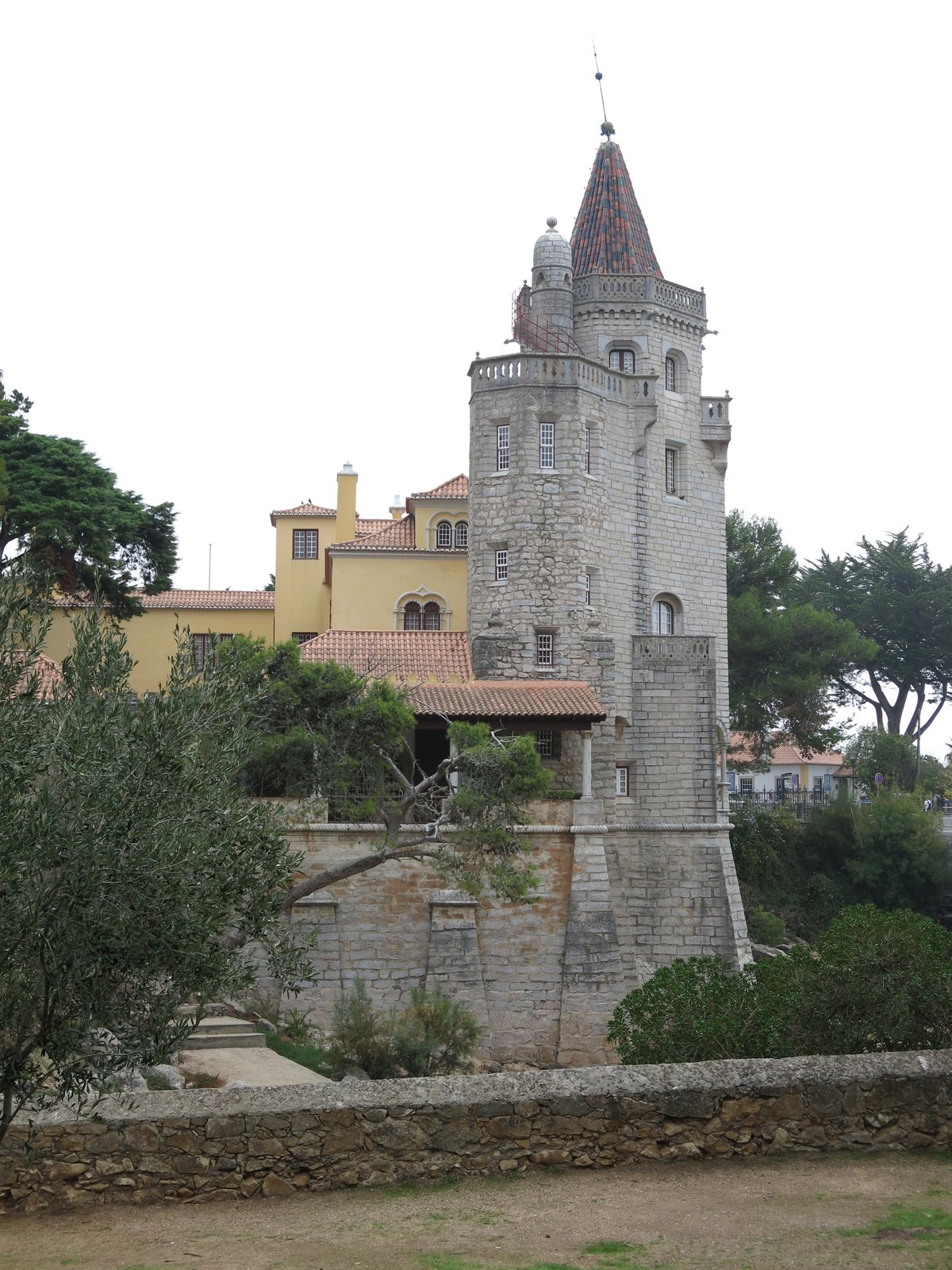
- Exterior: High-resolution images of the fort’s ramparts and lighthouse (alt: “Forte de Santa Marta historic coastal fortress in Cascais”)
- Interior: Photos of museum exhibits and documentation center (alt: “Inside Santa Marta Lighthouse Museum exhibits”)
- Views: Panoramic shots from the lighthouse tower (alt: “View from Forte de Santa Marta lighthouse over the Atlantic”)
- Map: Location diagram showing proximity to Cascais center and other historical sites
Internal Links
- Related articles on Cascais Cultural Heritage and nearby attractions
- Travel guides for visiting Cascais and Estoril
External Links
- Cascais Cultural Heritage – Forte de Santa Marta
- Cascais Portugal Tourism – Santa Marta Lighthouse Museum
- Tourist Places Guide – Estoril Region
- Guia da Cidade – Forte de Santa Marta
- Embrace Some Place – Best Things to Do in Cascais
- Monumentos SIPA – Forte de Santa Marta
- Casino Estoril
Listen to the full story in the app
The whole Forte De Santa Marta,
told well.
Audio guides for 1,100+ cities across 96 countries. History, stories, and local insight — offline ready.

Verified, and shown.
Researched and written by the Audiala editorial team from historical records, architectural archives, and local expertise.
Researched from Wikidata, Wikipedia & official sources · fact-checked · How we make our guides →