Plan and listen to Forte De Nossa Senhora Da Luz De Cascais with Audiala.
Audio guide in your pocket, itinerary in your browser. Built for the way you actually visit.
Introduction
Overlooking the Atlantic from Cascais’ picturesque coastline, the Forte de Nossa Senhora da Luz stands as a quintessential symbol of Portugal’s maritime defense legacy. Dating back to the late 15th century and evolving through Renaissance military innovations, this formidable fortress not only protected the approach to Lisbon but now anchors Cascais’ reputation as a vibrant historical and cultural destination. Whether you’re a history enthusiast, architecture lover, or casual visitor, this comprehensive guide brings together everything you need to plan your visit—offering in-depth historical context, architectural highlights, visiting logistics, accessibility details, and suggestions for exploring the wider region.
For the most current details, consult official sources like Bairro dos Museus, Visit Portugal, and the Cascais tourism portal.


Origins and Early Construction
The roots of Forte de Nossa Senhora da Luz stretch back to 1488, when King João II commissioned the Torre de Santo António to safeguard the Cascais coastline from piracy and foreign threats. This early watchtower marked the beginning of a strategic defense system at the mouth of the Tagus River, the key maritime gateway to Lisbon (Bairro dos Museus).
Expansion and Military Evolution
With the rise of artillery and evolving military tactics, the 16th and 17th centuries saw the original tower transformed into a Renaissance bastioned fortress. Named after Our Lady of Light, the fort adopted a star-shaped angular design—its thick stone walls and bastions providing overlapping fields of fire to cover Cascais Bay. This networked defense included coordination with nearby strongholds like the Citadel of Cascais and the iconic Torre de Belém (Trek Zone).
Regional Defense and Historical Roles
Throughout the Restoration War and periods of foreign threat, the fort played a central role, with its artillery batteries guarding maritime access and protecting commerce. Regular upgrades ensured that the fortress could meet changing warfare demands, maintaining its strategic importance well into the modern era.
Integration with Citadel and Restoration
As military threats diminished in the 19th century, the fort’s role shifted. Integrated into the Cidadela de Cascais complex, it became part of a royal and, later, presidential summer residence. Restoration efforts from the late 20th century preserved its structure and repurposed it as a museum and cultural venue, highlighting its continued relevance to Portuguese heritage.
Architectural Highlights
The fort is a textbook example of Renaissance military engineering:
- Bastions and Ramparts: Angular bastions project outward for maximum defensive reach, with low, thick walls designed to absorb cannon fire.
- Curtain Walls & Parapets: Sloped, connecting walls topped with parapets for soldiers’ protection.
- Chapel of Nossa Senhora da Luz: A small, vaulted chapel adorned with traditional Portuguese azulejos, reflecting the importance of religious life in military settings.
- Historic Features: Original gun ports, sentry posts, powder magazine, officers’ quarters, and a parade ground.
- Materials: Built primarily of local limestone and granite, ensuring durability against sea air and bombardment.
Visitors can explore the perimeter ramparts, enjoy panoramic views of Cascais Bay, and admire the fort’s blend of martial functionality and subtle decorative elements (Cascais-Portugal.com).
Visitor Information
Visiting Hours & Tickets
- Standard Opening: Tuesday to Sunday, 10:00 AM – 6:00 PM. Closed Mondays and certain public holidays.
- Tickets: Adults €5; seniors (65+) and students €3; children under 12 and Cascais residents free. Special exhibitions may have separate fees.
- Guided Tours: Offered weekends and public holidays for an additional fee; advance booking recommended (Visit Portugal).
Accessibility
- Main areas are wheelchair accessible via ramps; adapted restrooms are available.
- Some upper sections have steep stairs and uneven surfaces—contact ahead if mobility is a concern.
Getting There
- Location: Avenida Dom Carlos I, within the Cidadela complex.
- By Train: 10-minute walk from Cascais train station (Linha de Cascais from Lisbon).
- By Bus/Taxi: Public buses and taxis serve the area; parking is limited—public transport is advised.
- On Foot: The fort is located in a pedestrian-friendly historic center.
Special Events
- Regular art exhibitions, concerts, and seasonal cultural festivals.
- Interpretive panels, multimedia displays, and occasional historical reenactments.
Nearby Attractions
- Citadel of Cascais: Adjacent historic complex with luxury hotels, galleries, and the presidential residence.
- Cascais Marina: Yachts, cafes, and restaurants with ocean views.
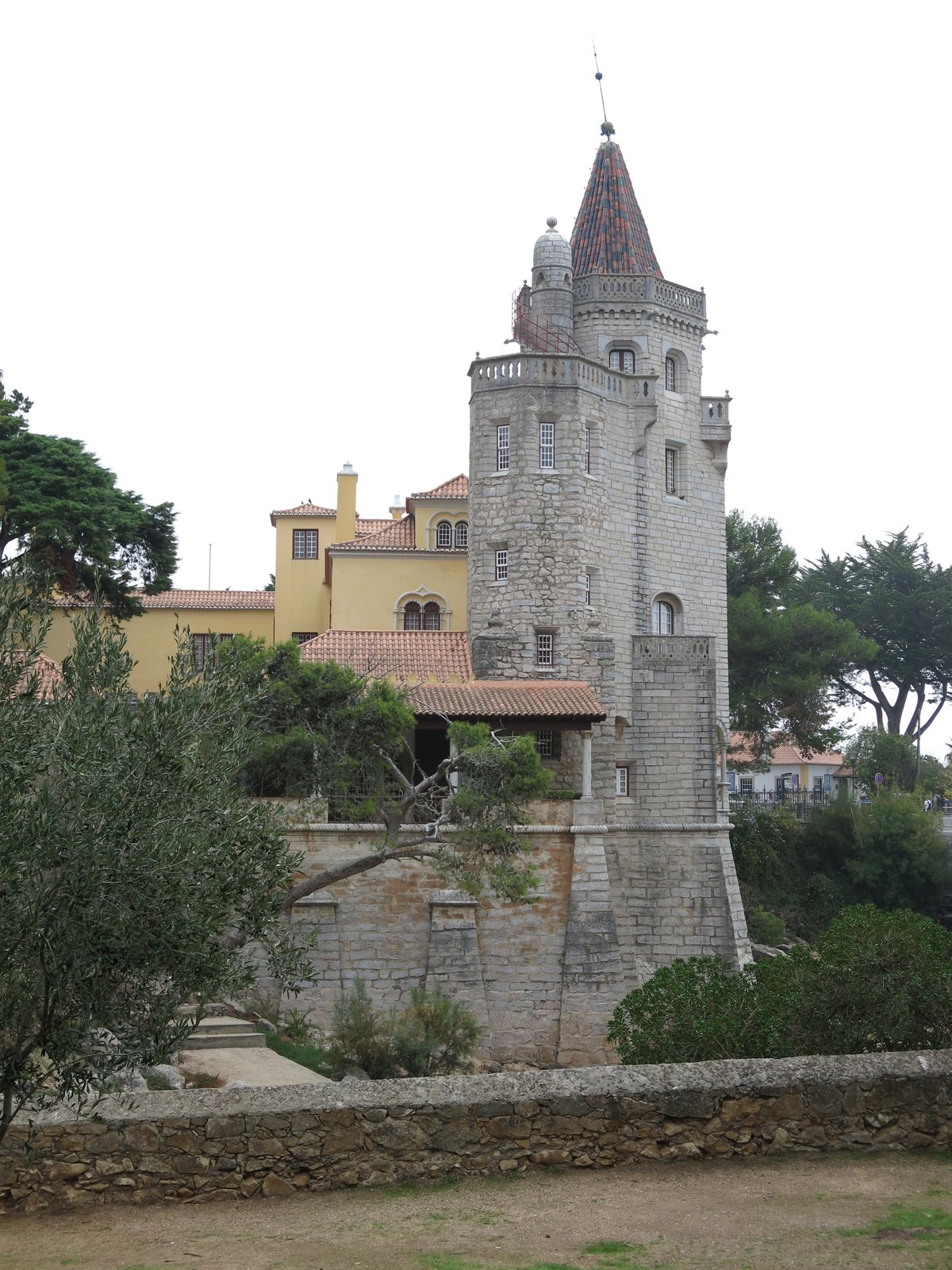
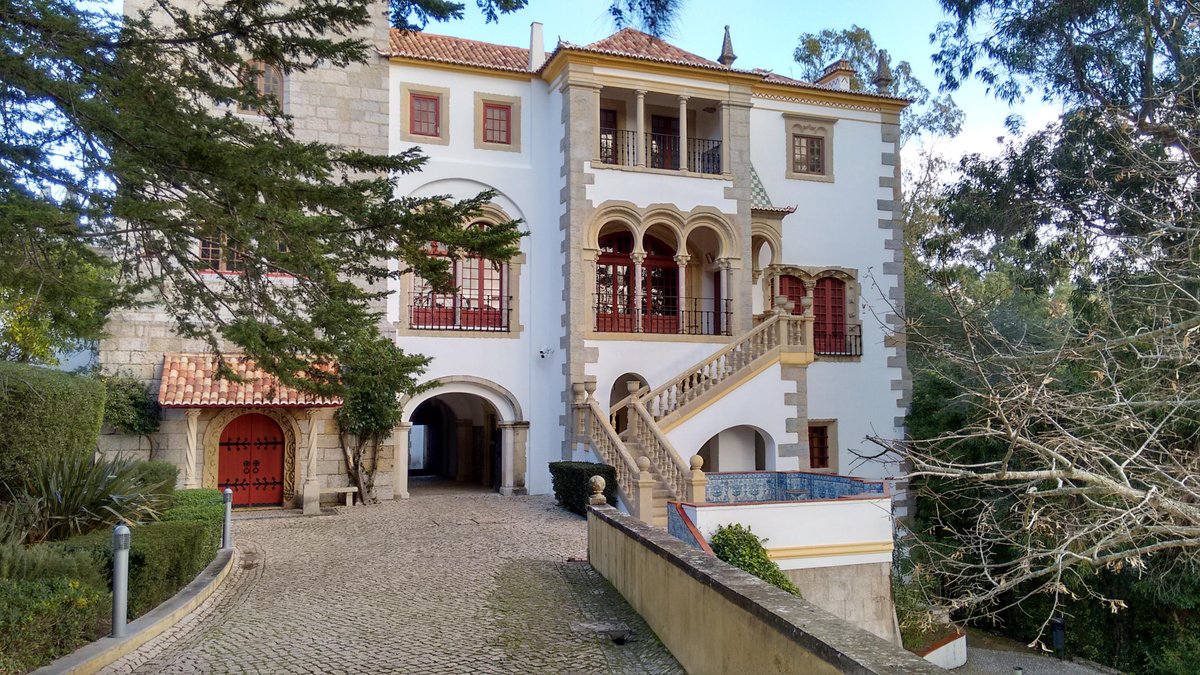
- Museu Condes de Castro Guimarães: 19th-century villa museum with art and historical collections.
- Centro Cultural de Cascais: Rotating exhibitions and performances.
- Boca do Inferno: Dramatic coastal cliffs a short distance away.
- Praia da Ribeira: Central beach, ideal for relaxation after your visit (Cascais-Portugal.com).
Visitor Tips
- Best Time to Visit: Early mornings or late afternoons for softer light and fewer crowds; late spring and early autumn are ideal.
- Dress: Comfortable shoes for uneven terrain; bring a light jacket for sea breezes.
- Facilities: Restrooms on site; nearby cafes and artisan shops within the Cidadela complex.
- Photography: Non-commercial photography permitted; flash and tripods may be restricted in gallery spaces.
- Virtual Tours: Explore enhanced online resources and virtual tours on the official tourism website.
Frequently Asked Questions (FAQ)
Q: What are the current visiting hours?
A: Tuesday to Sunday, 10:00 AM–6:00 PM. Closed Mondays and on some public holidays.
Q: How much are tickets?
A: €5 for adults, €3 for seniors and students, free for children under 12 and local residents.
Q: Is the fort accessible for people with mobility issues?
A: Most main areas are accessible by ramp. Some sections may be challenging; contact ahead if needed.
Q: Are guided tours available?
A: Yes, on weekends and public holidays for an additional fee.
Q: How do I get there from Lisbon?
A: Take the train from Lisbon (Cais do Sodré) to Cascais; the fort is a 10-minute walk from the station.
Q: What other sites are nearby?
A: The Citadel complex, marina, museums, Boca do Inferno, and beaches are all within walking distance.
Tickets & tours.
These are guided options from our partners — same price as booking direct.
Prices are indicative — final pricing and availability are confirmed at checkout. Audiala may earn a commission from bookings made through these links.
Listen to the full story in the app
The whole Forte De Nossa Senhora Da Luz De Cascais,
told well.
Audio guides for 1,100+ cities across 96 countries. History, stories, and local insight — offline ready.
Verified, and shown.
Researched and written by the Audiala editorial team from historical records, architectural archives, and local expertise.
Researched from Wikidata, Wikipedia & official sources · fact-checked · How we make our guides →