Plan and listen to Fort Of São Pedro with Audiala.
Audio guide in your pocket, itinerary in your browser. Built for the way you actually visit.
Introduction
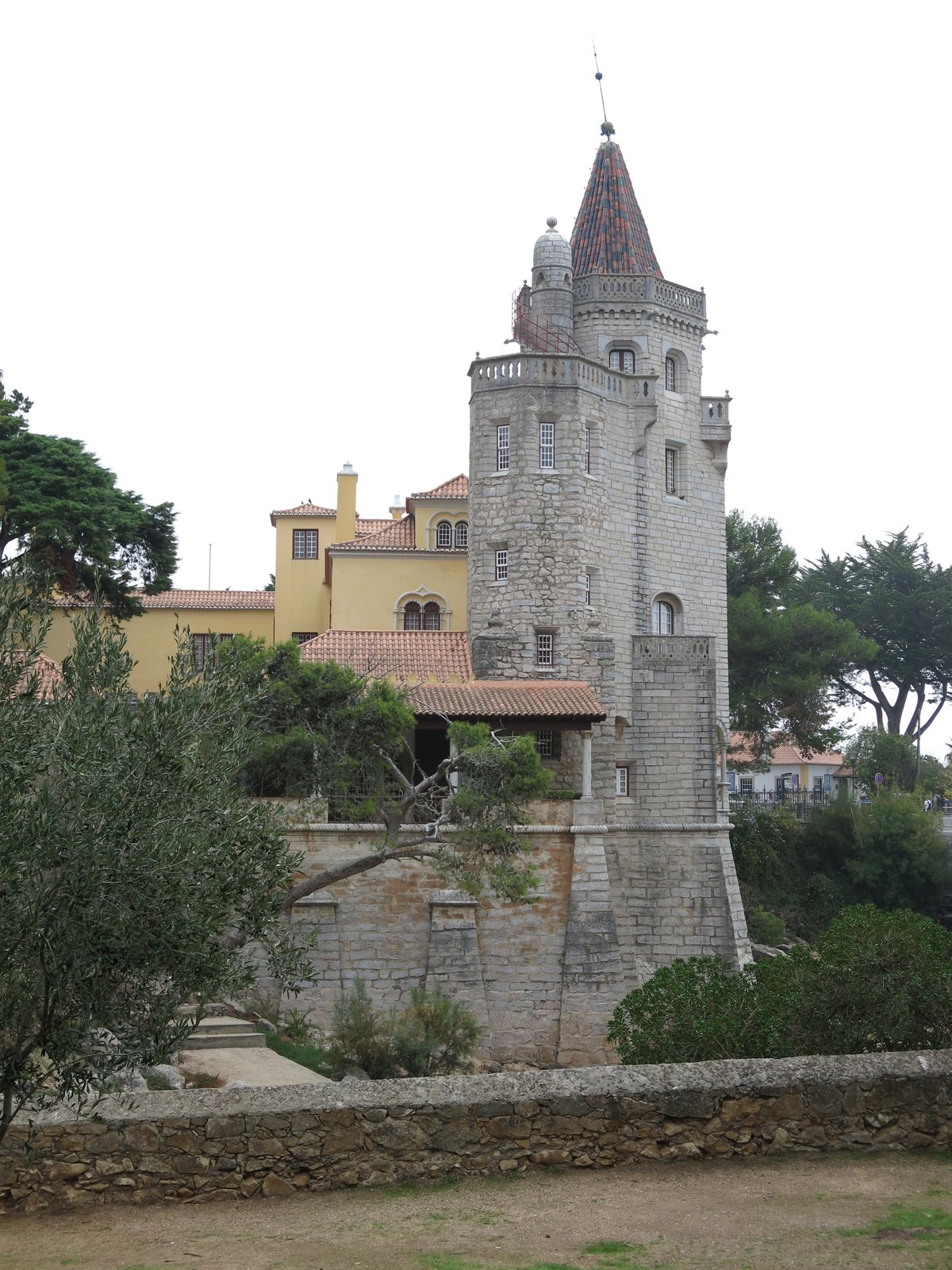
Perched on the scenic coastline of Estoril, Portugal, the Fort of São Pedro stands as a monument to the nation's enduring maritime heritage and defense. Constructed in the 1640s during the Portuguese Restoration War, it played a strategic role in protecting Lisbon’s approaches from foreign naval threats and piracy. Its distinctive 17th-century military architecture, including battlements, bartizans, and vaulted quarters, reflects both its defensive function and the historical evolution of coastal fortifications in Portugal (Cascais Tourism Official Website; Lisbon.vip).
Over time, the fort transitioned from a military outpost to a cherished cultural landmark, adapting to civilian uses while maintaining its historical character. Visitors today are drawn by its sweeping vistas of Praia da Poça and the Atlantic, as well as its layered history and architectural charm.
This guide provides detailed information about the fort’s history, architecture, visiting hours, ticketing, accessibility, and nearby attractions—ideal for history enthusiasts, architecture aficionados, and travelers seeking authentic experiences in Estoril (Portugal Tips; TouristPlaces.guide).


Origins and Construction
The Fort of São Pedro—also historically referenced as Forte de São Teodósio and Forte de Santo António da Cruz da Assubida—was built between 1642 and 1643. Overseen by António Luís de Meneses and designed by Mateus do Couto, it was part of a fortified line defending Lisbon during the Restoration War. Its placement between the Fort of São Julião da Barra and Cabo da Roca made it a critical link in regional coastal defense.
Architectural Features
- Rectangular Layout: The fort’s compact, rectangular form, perched on an elevated site, provided a clear view and optimal positioning for defense.
- Battlements: Facing the sea, designed to house artillery and fusiliers.
- Vaulted Strong-house: Subdivided into compartments near the entrance, historically used for troops and storage.
- Cylindrical Bartizans: Corner watchtowers for observation.
- Arched Portico: Features the Portuguese coat-of-arms and an inscription reflecting the fort’s history.
These features exemplify 17th-century Portuguese military engineering, optimized for both defense and resilience against the Atlantic elements.
Historical Evolution
17th–18th Centuries
The fort was intermittently garrisoned but remained vital in the defense network safeguarding Lisbon. Regular repairs were required due to the harsh coastal climate.
19th Century
By the 1800s, its military importance declined. Restoration efforts in 1831 brought renewed attention, and by 1843, it was used to support the nearby thermal baths.
20th Century to Present
The fort underwent several civilian adaptations, including stints as a tea house and restaurant. Preservation initiatives in the late 20th century ensured the integrity of its original architecture.
Visiting the Fort of São Pedro
Visiting Hours
- Exterior Grounds: Open 24/7 for public viewing.
- Interior Access: Generally closed for preservation, but occasionally accessible during special events or guided tours. Always check the Cascais Tourism Official Website for the latest updates.
Tickets and Admission
- Exterior: Free of charge; no tickets required.
- Guided Tours/Special Events: May require a nominal fee. Confirm availability with the local tourism office or authorized tour operators.
Accessibility
- The fort is accessible on foot from Estoril town center and the Cascais train line.
- Paths are paved, but terrain may be uneven; some areas are challenging for visitors with limited mobility. Contact local tourism offices for accommodations.
Guided Tours and Events
- Guided Tours: Offered seasonally, providing insight into the fort’s history and architecture. Book through tourism offices or official platforms (Lisbon.vip).
- Cultural Events: Occasionally hosts exhibitions, open-air concerts, and historical reenactments, especially in summer.
Photographic Highlights
- Panoramic views of Praia da Poça and the Atlantic from the ramparts.
- Architectural details, including the historic portico and surviving bartizans.


Nearby Attractions
- Praia da Poça: Popular beach for relaxation and water sports.
- Fort of São João: Another historical fort nearby.
- Estoril Casino: Major entertainment venue.
- Pedra do Sal Natural Amphitheatre: Geological site and scenic overlook.
- Cascais Marina and Old Town: Dining, shopping, and cultural attractions.
For more, visit the Cascais Tourism Official Website.
Frequently Asked Questions (FAQ)
Q: What are the Fort of São Pedro visiting hours?
A: Exterior accessible 24/7; interior access is limited to special events or guided tours.
Q: Is there an entrance fee?
A: No, accessing the exterior is free. Special events or tours may charge a fee.
Q: Are guided tours available?
A: Yes, seasonally—contact local tourism offices for schedules.
Q: Is the fort suitable for children?
A: Yes, but supervision is advised due to uneven terrain.
Q: Are there amenities on-site?
A: No, but facilities are available nearby in Estoril.
Q: Is the fort accessible for those with limited mobility?
A: The site has uneven paths and steps; check with tourism offices for accessibility details.
Preservation and Current Status
The Fort of São Pedro is a protected monument, maintained by the Cascais Municipality and cultural heritage organizations. Ongoing preservation ensures structural stability and historical authenticity for future generations.
Plan Your Visit
- How to Get There: Walk from Estoril station on the Lisbon-Cascais line or drive (limited parking available).
- What to Bring: Comfortable shoes, sun protection, a camera, and water.
- Best Time to Visit: Spring and early autumn for mild weather and fewer crowds (Global Highlights).
- Additional Resources: Download the Audiala app for maps, audio tours, and event updates.

Listen to the full story in the app
The whole Fort Of São Pedro,
told well.
Audio guides for 1,100+ cities across 96 countries. History, stories, and local insight — offline ready.
Verified, and shown.
Researched and written by the Audiala editorial team from historical records, architectural archives, and local expertise.
Researched from Wikidata, Wikipedia & official sources · fact-checked · How we make our guides →