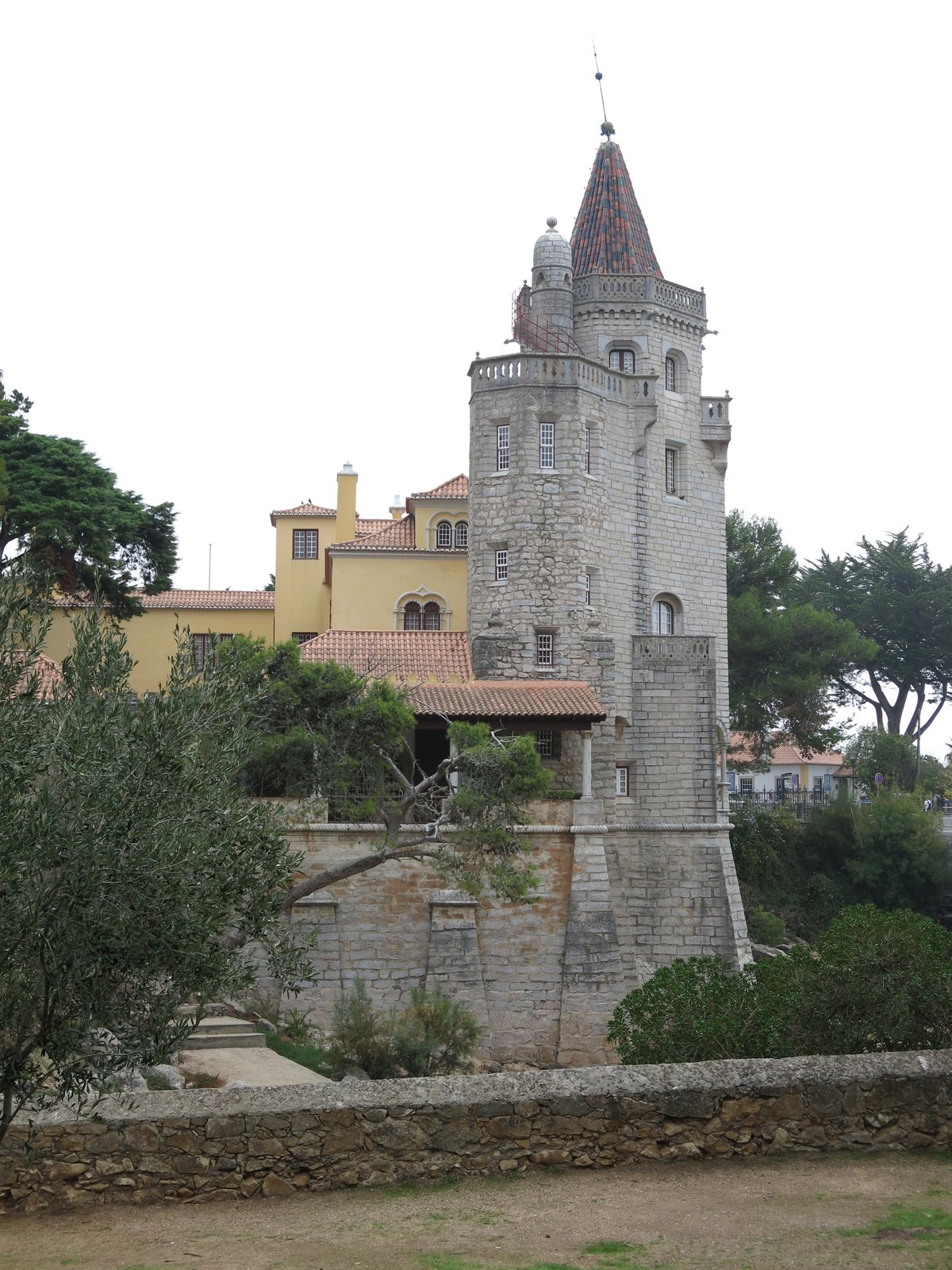
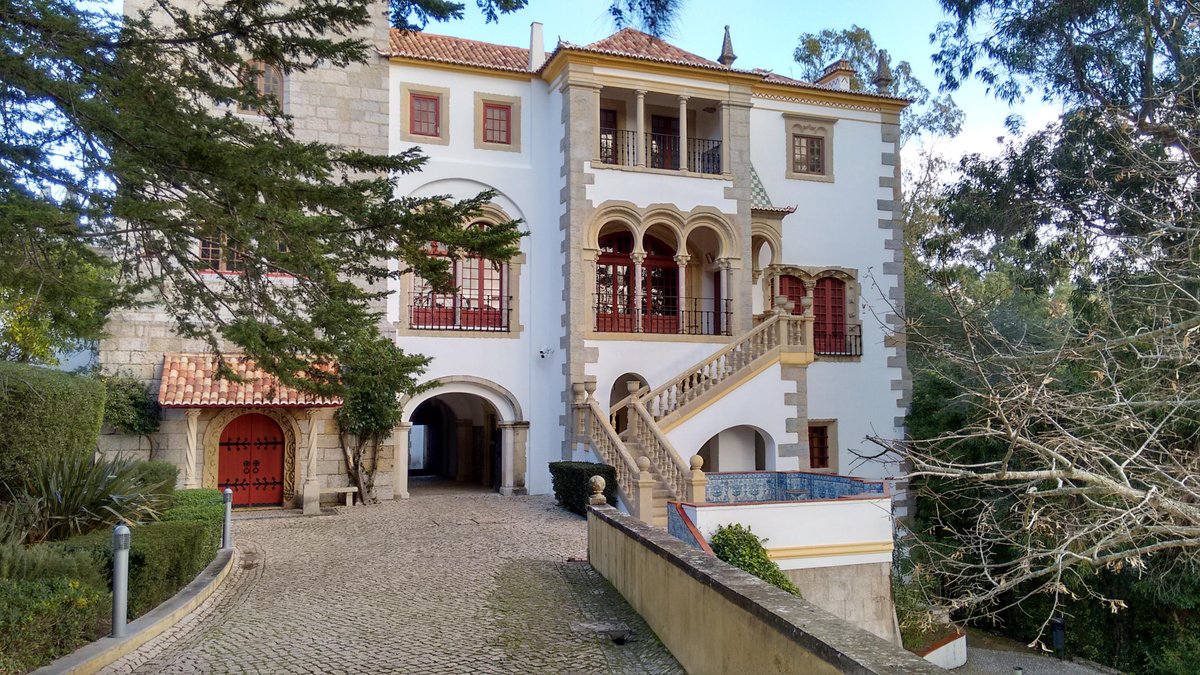
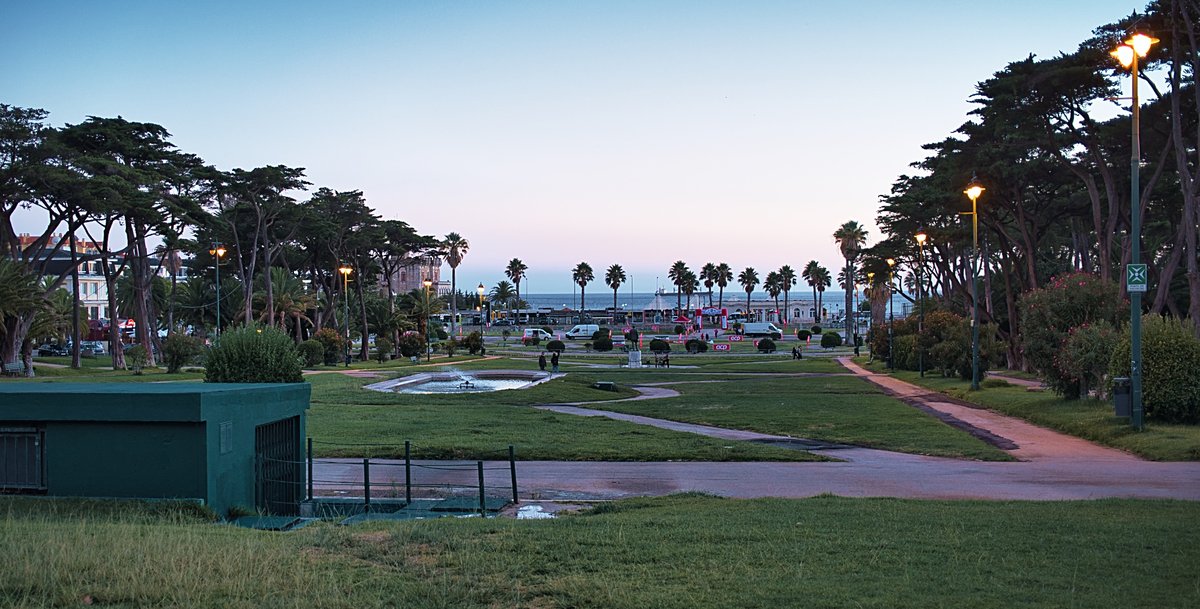
Plan and listen to Fort Of Nossa Senhora Da Guia with Audiala.
Audio guide in your pocket, itinerary in your browser. Built for the way you actually visit.
Introduction
Perched along the dramatic Atlantic coastline between Estoril and Cascais, the Fort of Nossa Senhora da Guia is a striking symbol of Portugal’s 17th-century maritime defense and enduring coastal heritage. Built between 1640 and 1646 during the Portuguese Restoration War, its main purpose was to safeguard Lisbon from seaborne threats as part of a broader network of coastal fortifications. Today, while the interior is closed to the public due to its current function as a maritime research laboratory, the fort’s exterior and surrounding grounds remain open, offering visitors a glimpse into the military and cultural history that shaped the Lisbon coast (Wikipedia; military-history.fandom.com).
This comprehensive guide covers everything you need to know before visiting: historical insights, practical tips, accessibility, nearby attractions, and answers to frequently asked questions. Whether you’re a history buff, a cultural explorer, or simply seeking scenic walks along the Portuguese coast, the Fort of Nossa Senhora da Guia is a rewarding stop on your Cascais itinerary. For more details on Cascais and its historical sites, consult the official tourism resources (Cascais Portugal Tourism).
Location and Accessibility
The Fort of Nossa Senhora da Guia is located about 25 km west of Lisbon, set between Estoril and Cascais on the Atlantic coast. Its strategic position once protected Lisbon from naval attacks and today grants visitors panoramic sea and coastline views (military-history.fandom.com).
Getting There
- By Train: Take the Cascais line from Lisbon’s Cais do Sodré station (trains every 20 minutes). Disembark at Estoril and enjoy a scenic coastal walk to the fort (cascaisportugaltourism.com).
- By Bus: Bus 418 connects Sintra and Estoril in about 30 minutes.
- By Car: Straightforward drive with clear signage; parking can be limited, especially in summer.
- From Lisbon Airport: Take the metro to Cais do Sodré, then the Cascais train. The journey is about 60–90 minutes. Taxis and private transfers are also available (cascaisportugaltourism.com).
History and Cultural Significance
Constructed during the Portuguese Restoration War, the fort was part of a defensive ring including the Tower of Belém and Fort of São Jorge at Oitavos, all aimed at protecting Lisbon from foreign invaders (Wikipedia). Its robust rectangular design, thick stone walls, and bastions reflect the military architecture of the era.
Named for Nossa Senhora da Guia (“Our Lady of the Guide”), the fort also embodies local Catholic traditions, symbolizing spiritual protection for sailors and reinforcing the region’s maritime identity. Over the centuries, it has seen repairs and modernization, notably after the 1755 Lisbon earthquake.
Visiting Hours, Tickets, and Access
- Visiting Hours: The interior is not open to the public, as it is used by the University of Lisbon’s Faculty of Sciences as a maritime laboratory (University of Lisbon Maritime Laboratory).
- Tickets: No tickets are needed for exterior visits; the grounds and promenade are freely accessible.
- Access: While the fort’s interior is restricted, the exterior can be enjoyed year-round for its architecture and views.
Facilities and Amenities
- Restrooms: Available at nearby beaches and public spaces along the promenade.
- Food and Drink: Many cafes and restaurants are within walking distance, especially near Tamariz Beach and Cascais.
- Parking: Limited street parking; early arrival recommended during peak seasons.
Best Time to Visit
- Spring (April–June): Pleasant temperatures, blooming scenery, and fewer crowds.
- Early Autumn (September–October): Warm weather and reduced tourist influx.
- Summer (July–August): Festive atmosphere but busier and with parking challenges.
What to See and Do
Exterior Exploration
Appreciate the fort’s formidable 17th-century architecture, including its bastions and thick stone walls, while enjoying views of the Atlantic (military-history.fandom.com).
Coastal Walks
Stroll or cycle along the Estoril–Cascais promenade, which passes near the fort and features beaches, gardens, and other historic sites (cascaisportugaltourism.com).
Nearby Attractions
- Tamariz Beach: Ideal for swimming and relaxation.
- Casino Estoril: Europe’s largest casino, offering entertainment and cultural events.
- Cascais Marina: Lively area with shops, restaurants, and beautiful views.
- Museums: Explore the Condes de Castro Guimarães Museum and Paula Rego Museum in Cascais.
Essential Tips for Visitors
- The fort’s interior is off-limits; focus on exterior views and the surrounding promenade.
- Combine your visit with a beach day or a historical walking tour in Cascais.
- Wear comfortable shoes and bring sun protection.
- Respect posted signage and restricted zones, as the site is an active research facility.
Accessibility Considerations
The promenade and most coastal paths are accessible for wheelchairs and strollers, though some areas near the fort may have uneven terrain or steps.
Safety and Security
Estoril and Cascais are considered safe for tourists. Standard precautions are advised, particularly near roads and busy areas.
Local Events and Activities
While the fort itself does not host events, the surrounding region is vibrant, with festivals such as the Millennium Estoril Open (tennis) and the AGEAS Cool Jazz Festival enriching the local cultural calendar (oladaniela.com).
Language and Communication
Portuguese is the official language, but English is widely spoken in tourist areas. Using basic Portuguese greetings is appreciated.
Visuals and Interactive Elements
For planning, consult interactive maps and virtual tours on Cascais tourism websites. Photographs of the fort and coastline enhance the experience.
Practical Contacts
For current information on the fort, guided tours, or local events, visit the Estoril Portugal tourism website or contact the Cascais tourism office.
Frequently Asked Questions (FAQ)
Q: Can I enter the Fort of Nossa Senhora da Guia?
A: No, the interior is closed to the public as it houses a research laboratory.
Q: Are there ticket fees?
A: No, exterior viewing is free.
Q: Are guided tours available?
A: No official tours inside, but the exterior may be featured in some local walking tours.
Q: Is the fort accessible to those with reduced mobility?
A: The promenade is generally accessible, but terrain near the fort may be uneven.
Q: When is the best time to visit?
A: Spring and early autumn offer pleasant weather and fewer crowds.
Listen to the full story in the app
The whole Fort Of Nossa Senhora Da Guia,
told well.
Audio guides for 1,100+ cities across 96 countries. History, stories, and local insight — offline ready.

Verified, and shown.
Researched and written by the Audiala editorial team from historical records, architectural archives, and local expertise.
Researched from Wikidata, Wikipedia & official sources · fact-checked · How we make our guides →