Plan and listen to Casa De São Cristóvão with Audiala.
Audio guide in your pocket, itinerary in your browser. Built for the way you actually visit.
Introduction
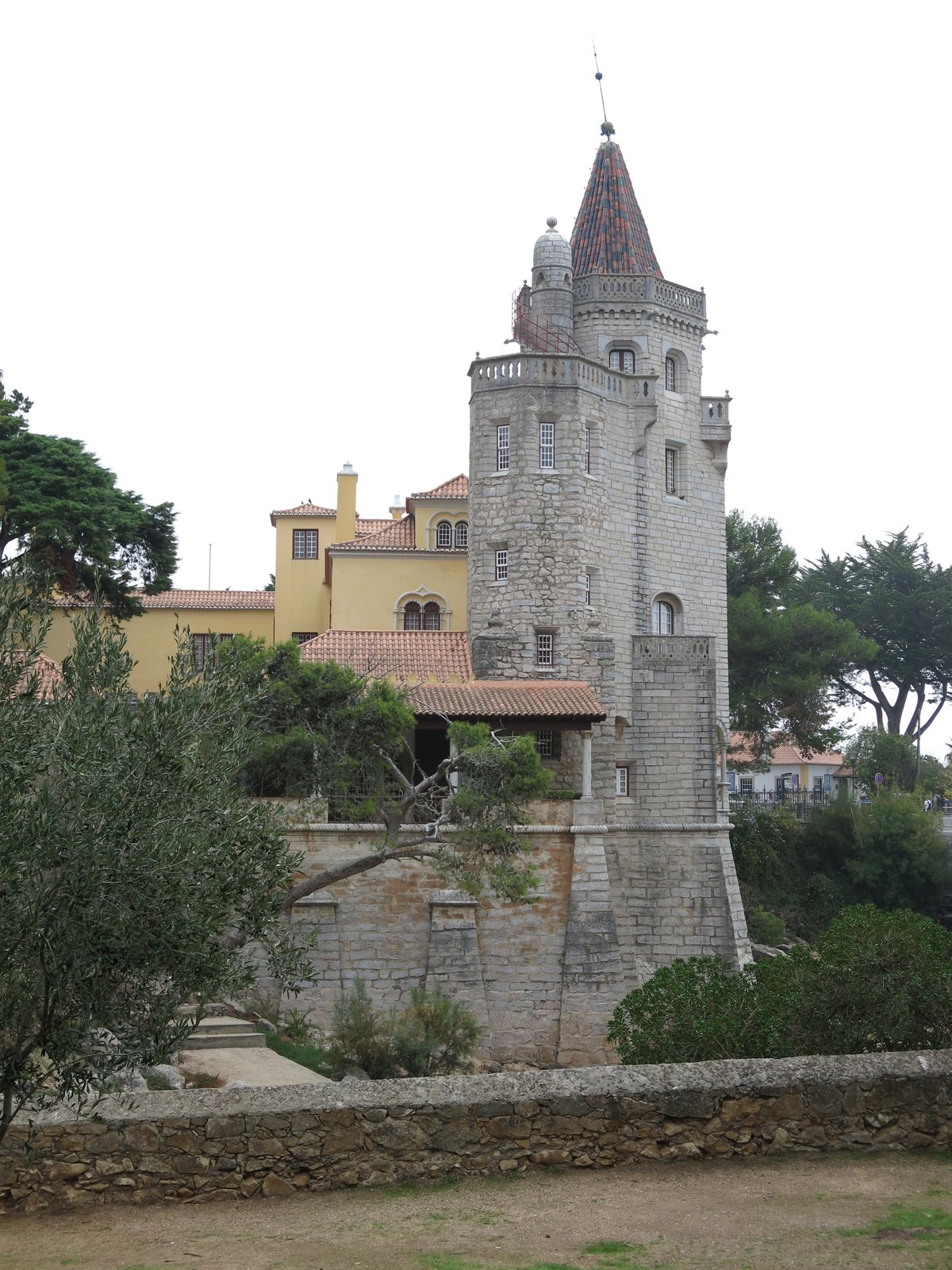
Casa De São Cristóvão in Estoril, Portugal, stands as an emblem of the Portuguese Riviera’s golden era, merging rich history, architectural splendor, and enduring cultural significance. Built in the early 20th century, the residence embodies the transformation of Estoril from a quiet fishing hamlet into a cosmopolitan resort favored by European nobility, artists, and diplomats (Visit Cascais; Estoril History). Today, Casa De São Cristóvão—now also known as the Estoril Vintage Hotel—offers visitors a unique opportunity to explore Portugal’s architectural legacy, enjoy lush gardens, and participate in cultural events. This guide provides detailed information on its history, visitor access, ticketing, nearby attractions, and practical travel tips.
Origins and Historical Context
Casa De São Cristóvão was constructed during Estoril’s emergence as a luxury destination for Europe’s aristocracy in the early 1900s. The house’s name, referencing Saint Christopher—the patron saint of travelers—reflects the era’s cosmopolitan spirit. Commissioned by a prominent family linked to the burgeoning tourism industry, the villa’s development paralleled key regional milestones, such as the opening of Estoril Casino and the extension of the Lisbon-Cascais railway (Estoril History).
Architectural Style and Notable Features
Portuguese Revivalism
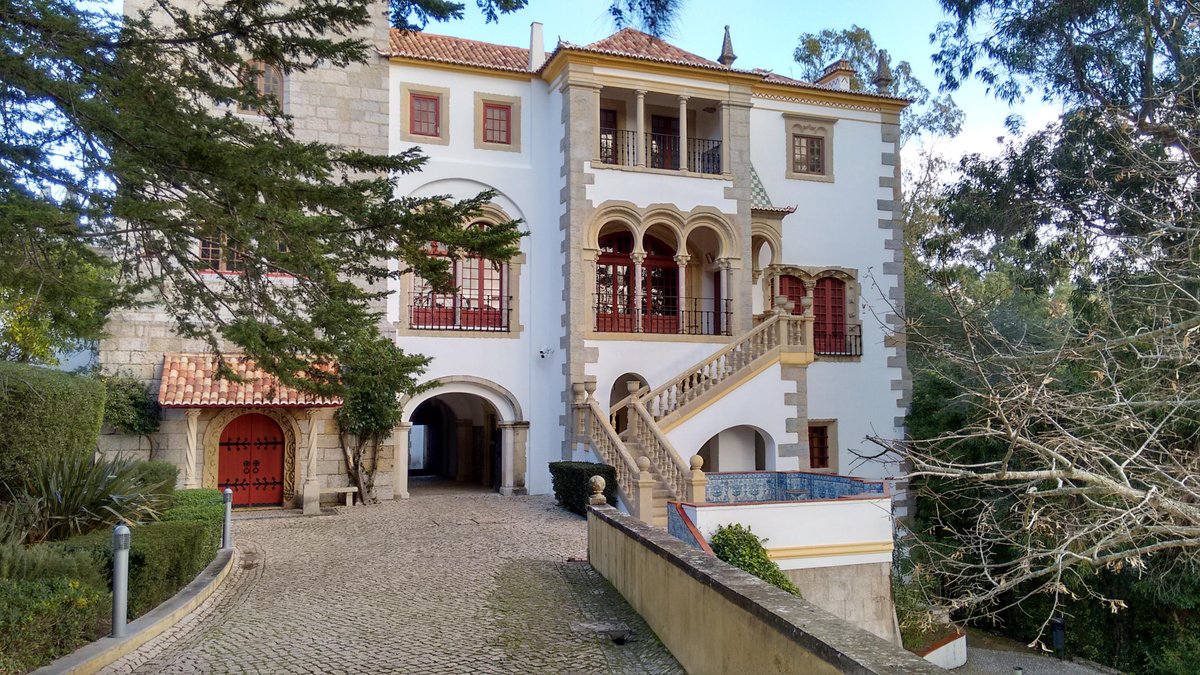
Casa De São Cristóvão is a showcase of Portuguese Revivalist architecture, featuring hand-painted azulejo tilework, ornate stone detailing, and traditional iron balconies. The azulejos prominently display maritime and religious motifs, celebrating Portugal’s seafaring heritage (Azulejos in Portugal).
Art Nouveau and Mediterranean Influences
The villa’s design harmoniously integrates Art Nouveau elements—curved lines, floral motifs, stained-glass skylights—with Mediterranean features such as terracotta roofing, arched loggias, and lush native gardens. These choices bring both aesthetic appeal and climatic responsiveness, ensuring comfort and elegance (Art Nouveau in Portugal).
Interior Highlights
- Grand Hall: Features a sweeping staircase, wrought-iron balustrades, and an iconic stained-glass skylight of Saint Christopher.
- Salon and Library: Boasts period furnishings, hardwood floors, and original plaster ceilings, with a curated library of early 20th-century Portuguese literature.
- Chapel: A private space adorned with gilded woodwork and religious iconography, reflecting the original owners’ spiritual affiliations.
Historical and Cultural Significance
Throughout its history, Casa De São Cristóvão has played a pivotal role in Estoril’s identity as a sanctuary for exiled royalty, diplomats, and intellectuals, especially during World War II (Estoril’s Royal Refugees). Although not a royal residence, it was a gathering point for the elite, contributing to the region’s reputation as the “Coast of Kings.” Its preservation and adaptive reuse underscore its ongoing relevance as a site of community and cultural engagement (Estoril Heritage; Estoril Portugal Guide).
Restoration and Conservation
Significant restoration in the early 21st century prioritized structural integrity and historical authenticity. Efforts included:
- Structural Reinforcement: Modernizing foundations and walls for safety.
- Azulejo Conservation: Cleaning and repairing original tiles.
- Garden Rehabilitation: Restoring early 20th-century layouts using historical documentation.
These works, supported by public and private funding, ensure the villa’s legacy endures (Portuguese Heritage Restoration).
Urban Context and Community Role
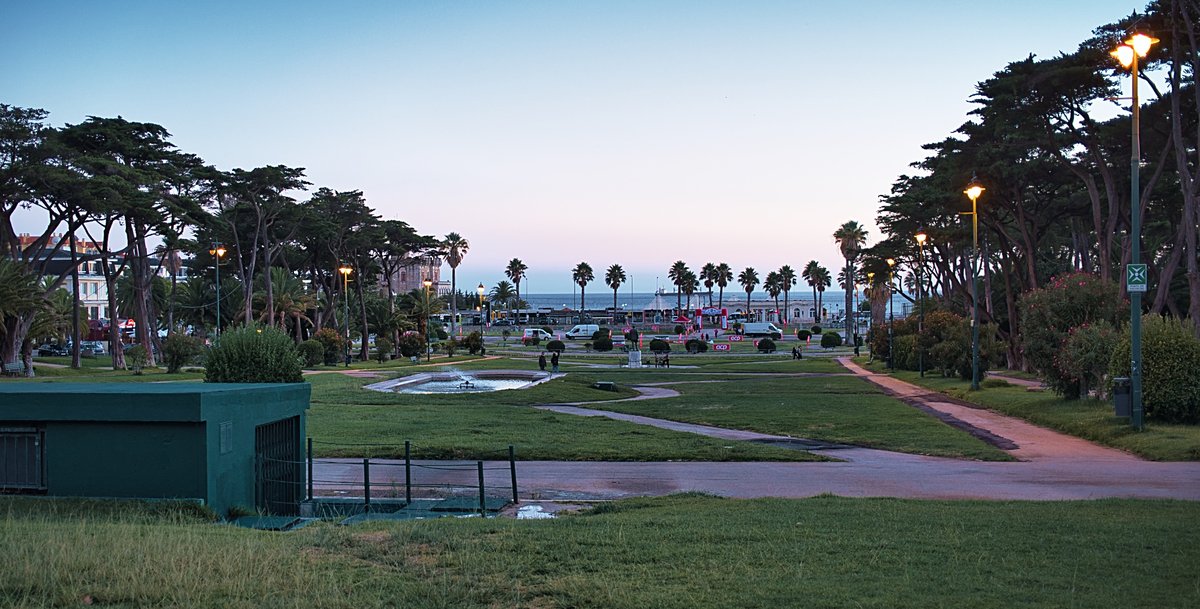
Located in Monte Estoril, Casa De São Cristóvão is part of a neighborhood renowned for grand villas and manicured gardens. Its strategic siting maximizes sea views and tranquility, while its presence influences local architectural standards. The villa hosts community events, cultural gatherings, and occasionally art exhibitions, reinforcing its role as a cultural anchor (Mapcarta; Estoril Portugal Guide).
Visitor Information: Hours, Tickets, and Accessibility
- Visiting Hours: The property opens for guided tours, cultural events, and heritage days, typically 10:00 AM–5:00 PM on select days. The Estoril Vintage Hotel facility is open daily for guests and visitors to the restaurant and spa (Estoril Vintage Hotel Official Website).
- Tickets: Admission is usually by reservation. Standard tickets: €12 (adults), €8 (seniors/students), free for children under 12. Group discounts available.
- Guided Tours: Offered during public openings and by arrangement, in multiple languages.
- Accessibility: Wheelchair access, ramps, and elevators are available. Please notify staff in advance for specific needs.
- Photography: Permitted outdoors; restricted indoors to protect art and furnishings.
For current schedules and bookings, check Cascais Tourism or the Estoril Vintage Hotel Official Website.
Guided Tours and Visitor Experience
Guided tours provide in-depth interpretation of the villa’s history, architecture, and restoration. Multilingual brochures and digital guides are available. The property’s gardens and exterior are popular for photography, especially during spring and for special events.
Nearby Attractions
- Estoril Casino: One of Europe’s largest casinos, offering gaming, live entertainment, and nightlife.
- Praia do Tamariz: Family-friendly beach with facilities, lifeguards, and a scenic promenade connecting Estoril to Cascais.
- Cascais: Vibrant neighboring town with elegant architecture, cultural venues, and a lively marina.
- Sintra: UNESCO World Heritage site renowned for palaces and mystical gardens.
- Golf and Outdoor Activities: Premier courses like Golfe do Estoril, cycling, and hiking in Serra de Sintra.
- Museum of Portuguese Music: Insight into national musical heritage.
Gastronomy and Local Specialties
Estoril’s culinary scene blends traditional Portuguese flavors with international influences:
- Seafood: Fresh fish, clams, and octopus are local staples.
- Restaurants:
- English Bar: Renowned for fish and game birds (Portugal Visitor).
- Hotel Inglaterra Restaurant: Modern Portuguese cuisine in an artistic setting (MadAboutSintra).
- Garden Pateo & Bellevue Bar: Live music and sea views (MadAboutSintra).
- Pastries: Pastel de nata, travesseiros, and other sweets from local bakeries (SintraCascaisSesimbra.com).
- Wine: Excellent selection from Lisbon, Setúbal, and national regions.
Sustainability and Responsible Tourism
Estoril prioritizes sustainable tourism:
- Environmental Initiatives: High beach cleanliness standards, energy-saving practices, and water conservation (UNWTO Sustainable Development).
- Sustainable Mobility: Coastal train lines and free public bikes encourage eco-friendly travel (SintraCascaisSesimbra.com).
- Community Engagement: Local sourcing, cultural preservation, and support for heritage sites.
- Visitor Responsibility: Minimize plastic use, respect local customs, and choose eco-certified accommodations.
Practical Travel Tips
- Best Time to Visit: Spring and early autumn for mild weather and fewer crowds.
- Getting There: Train from Lisbon to Estoril station; easy walking distance to the villa.
- What to Bring: Comfortable walking shoes, camera, reusable water bottle.
- Etiquette: Respect quiet hours and the privacy of residents.
Frequently Asked Questions (FAQ)
Q: What are the main visiting hours?
A: Guided tours and public visits usually run 10:00 AM–5:00 PM on select days or by prior arrangement.
Q: How do I purchase tickets?
A: Online via Cascais Tourism or the Estoril Vintage Hotel Official Website; advance booking recommended.
Q: Is photography allowed?
A: Yes, in gardens and exterior areas; indoor photography is limited.
Q: Is the site accessible for visitors with disabilities?
A: Yes, with ramps and elevators; inform staff for any special requirements.
Q: Are guided tours available?
A: Yes, during scheduled open days and by arrangement.
Q: What other attractions are nearby?
A: Estoril Casino, Praia do Tamariz, Cascais, Sintra, and local museums.
Listen to the full story in the app
The whole Casa De São Cristóvão,
told well.
Audio guides for 1,100+ cities across 96 countries. History, stories, and local insight — offline ready.

Verified, and shown.
Researched and written by the Audiala editorial team from historical records, architectural archives, and local expertise.
Researched from Wikidata, Wikipedia & official sources · fact-checked · How we make our guides →