Plan and listen to Casa De Santa Maria, Cascais with Audiala.
Audio guide in your pocket, itinerary in your browser. Built for the way you actually visit.
Introduction
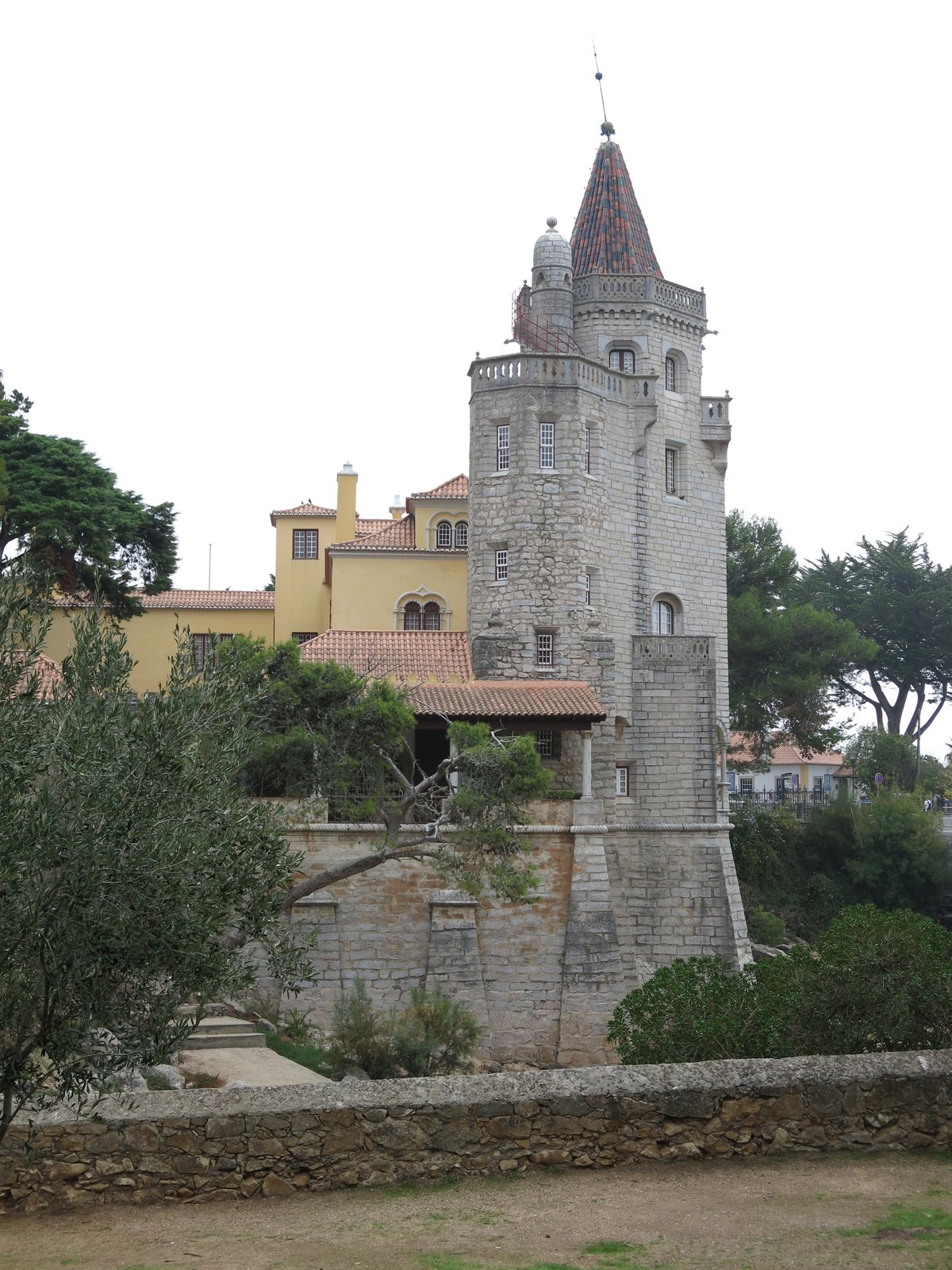
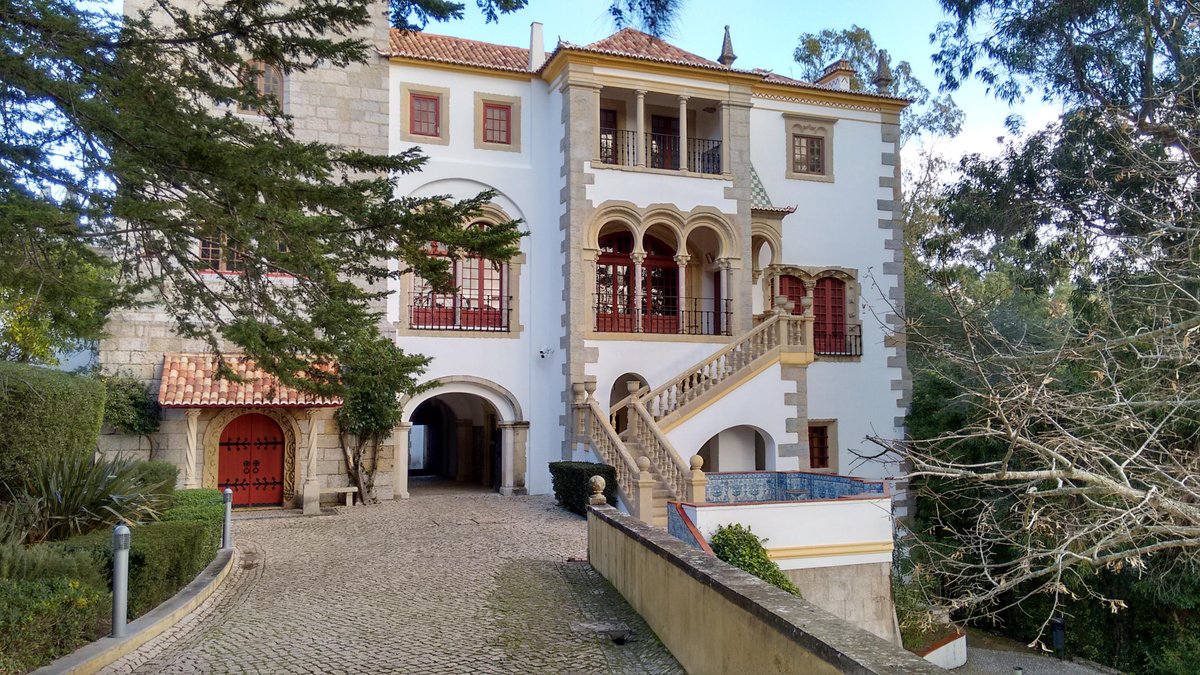
Casa de Santa Maria is located on the scenic Atlantic coastline of Cascais, Portugal, and serves as a testament to the nation’s rich architectural and cultural legacy. Commissioned in 1902 by aristocrat Jorge O’Neill and designed by acclaimed architect Raul Lino, this villa showcases a harmonious blend of Portuguese Revivalism, Moorish, and Mediterranean styles. Today, it stands as a museum and cultural venue, offering visitors a glimpse into Portugal’s artistic traditions and the cosmopolitan history of Cascais (Cascais Portugal Tourism; Visit Cascais).

Historical Background and Ownership Timeline
The O’Neill Era (1902–1918)
Casa de Santa Maria was commissioned by Jorge O’Neill, a prominent member of Portuguese high society, and realized through Raul Lino’s innovative design philosophy. The villa originally functioned as a private residence, characterized by interconnected rooms and fine Baroque azulejos (ceramic tiles) (Cascais.pt).
The Avillez and Lino Families (1918–1934)
The property next passed to Maria Teresa O’Neill and D. António Avillez, followed by a brief period under José Lino, Raul Lino’s brother. These years saw careful expansions, maintaining the integrity of Lino’s original vision (BairrodosMuseus Cascais).
The Espírito Santo Legacy (1934–2004)
In 1934, the Espírito Santo banking family acquired the villa. Over seven decades, Casa de Santa Maria emerged as a prestigious gathering place for European royalty and exiles, especially during World War II, cementing Cascais’ moniker as the "Coast of Kings" (Portugal Confidential). The family also preserved and enhanced its artistic features, notably its azulejo collection and painted wooden ceilings (Visit Cascais).
Municipal Stewardship and Public Access (2004–Present)
Acquired by the Municipality of Cascais in 2004, the villa was restored, adapted for public use, and recognized as a Monument of Public Interest in 2012. It now serves as a museum, exhibition space, and venue for cultural events (BairrodosMuseus Cascais).
Architecture and Artistic Highlights
Architectural Styles and Features
Moorish and Mediterranean Influences:
The villa integrates horseshoe arches, intricate tilework, and a bright Mediterranean character. Its terracotta roof tiles, lush gardens, and use of local materials reflect both Moorish heritage and Raul Lino’s vision of the “Casa Portuguesa” (Explorial; Cascais-Portugal.com).
Portuguese Revivalism:
Lino’s intent to create an authentic Portuguese home is evident in the use of a Sintra-inspired conical chimney, an elongated layout of interconnected rooms, and the extensive application of azulejos salvaged from Lisbon’s historical sites (Cascais Portugal Tourism; 360 Cascais).
Artistic Treasures
-
Azulejos:
- Ground Floor: 17th-century polychrome tiles from the Marvila Convent in Lisbon, exemplifying Portuguese Baroque style (Wikipedia).
- Chapel: 16th-century Talavera tiles depicting scenes from the life of the Virgin Mary (360 Cascais).
- Basement: Avant-garde tiles from 1920 designed by Raul Lino.
-
Ceilings and Woodwork:
- The dining room features an oil-painted wooden ceiling by António de Oliveira Bernardes, rescued from an old chapel in Frielas.
- The Great Hall features a painted ceiling and tile-lined walls.
-
Stained Glass and Decorative Details:
- Stained glass by Ricardo Leone adds color and light.
- The entrance is flanked by sphinx statues, reflecting the eclectic tastes of later owners.
-
Antique Furnishings and Art:
- The villa is furnished with antiques, ceramics, and paintings by artists such as José Malhoa and Columbano Bordalo Pinheiro (Explorial).
Gardens and Surroundings
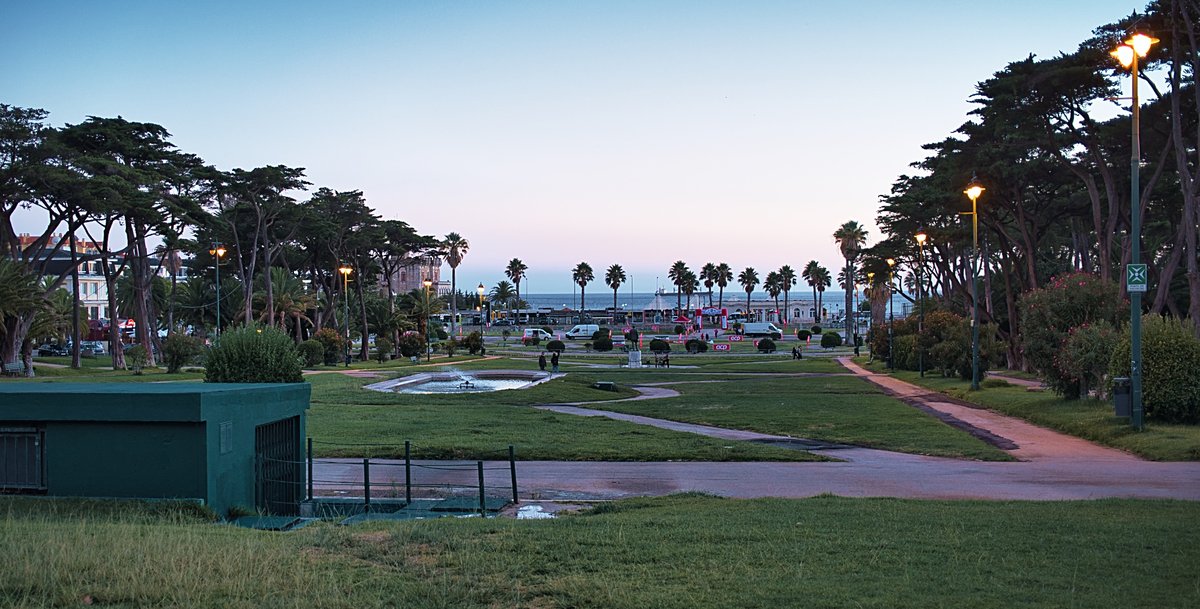
Designed to complement the sea views, the gardens feature Mediterranean flora and offer panoramic vistas of Cascais Bay. Terraces and shaded areas provide serene relaxation spots (Explorial).
Social and Cultural Significance
Casa de Santa Maria mirrors the evolution of Cascais from a fishing community to a cosmopolitan resort. Its succession of high-profile owners and guests—ranging from European monarchs to exiled diplomats—reflects its role as a social, diplomatic, and cultural hub, especially during the 20th century (Visit Cascais).
As a public museum today, it continues to foster cultural engagement through exhibitions, workshops, and educational events.
Visiting Information
Location and Getting There
- Address: Avenida Rei Humberto II de Itália, 642, Cascais
- Public Transport: Train from Lisbon (Cais do Sodré to Cascais, ~40 minutes); 15-minute walk from Cascais station (CP Comboios de Portugal).
- Parking: Limited street parking; public transport is recommended during peak periods.
Opening Hours
- Tuesday–Sunday: 10:00 AM – 6:00 PM (last admission 5:30 PM)
- Closed: Mondays and select public holidays (Cascais Cultura)
Ticket Prices
- Adults: €5
- Seniors (65+) and students: €3
- Children under 12: Free
- Family ticket (2 adults + 2 children): €12
- Discounts for Cascais residents and Cultural Pass holders
- Tickets available on-site or online (Cascais Cultura ticket portal)
Guided Tours and Visitor Experience
- Guided tours (Portuguese/English) run at scheduled times, lasting about 45 minutes.
- Group tours (min. 10 people) by advance booking.
- Self-guided tours supported by brochures, QR codes, and knowledgeable staff (Casa de Santa Maria Contact).
Accessibility
- Wheelchair-accessible entrance, elevator, and restrooms.
- Some historic areas (chapel, narrow corridors) may be less accessible—contact in advance for specific needs (Cascais Accessibility).
Facilities and Amenities
- Restrooms on the ground floor
- Gift shop with books, postcards, and crafts
- Free Wi-Fi
- No on-site café, but options nearby
Events and Temporary Exhibitions
Regular exhibitions, cultural events, and workshops are held throughout the year. The villa is also available for private events. Check the Cascais Cultura events calendar for current listings.
Travel Tips and Nearby Attractions
- Best Time to Visit: Weekday mornings for fewer crowds.
- Recommended Visit Duration: 1–1.5 hours.
- Dress Code: Comfortable shoes recommended.
- Photography: Allowed in most areas except where indicated.
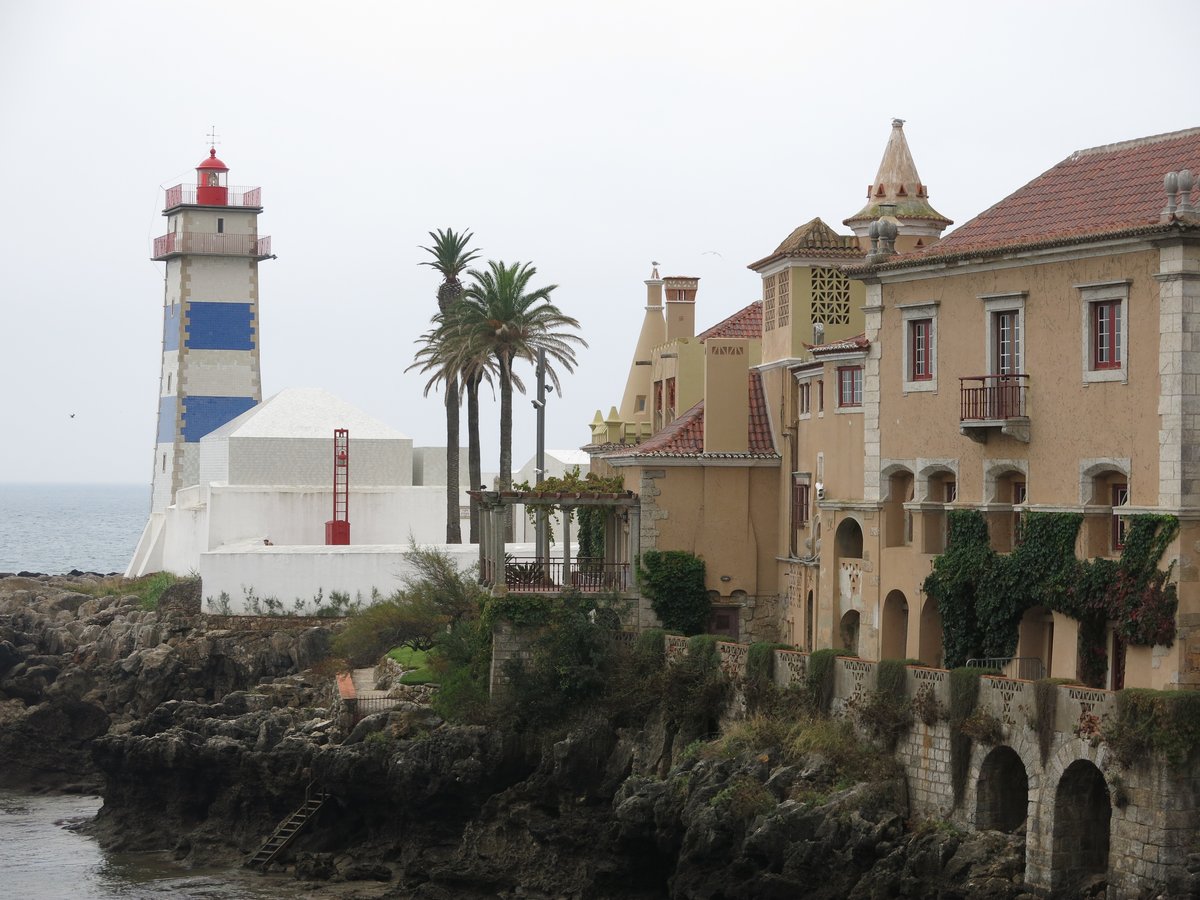
- Combine Your Visit: Explore Santa Marta Lighthouse Museum, Paula Rego House of Stories, and the Cascais waterfront (Visit Cascais Attractions).
Preservation and Public Access
Since 2004, the Municipality of Cascais has overseen careful restoration and ongoing preservation. The villa operates as a public museum and cultural venue, attracting over 20,000 visitors annually as of 2023 (Visit Cascais). Sustainability initiatives include energy-efficient lighting and recycling (Cascais Sustainability).
Frequently Asked Questions (FAQ)
What are the opening hours?
Tuesday to Sunday, 10:00 AM–6:00 PM; closed Mondays and select holidays.
How do I buy tickets?
Purchase on-site or online via the Cascais Cultura ticket portal.
Are guided tours available?
Yes, in Portuguese and English at set times; group bookings require advance notice.
Is the villa wheelchair accessible?
The main entrance, elevator, and restrooms are accessible; contact for further details.
Can I take photos?
Photography is allowed in most areas except where restricted.
Discover More
Step into Portugal’s aristocratic past and experience the artistic and architectural splendor of Casa de Santa Maria. Download the Audiala app for immersive audio guides, follow us on social media for updates, and explore Cascais’s other historical gems. Plan your visit today and discover why Casa de Santa Maria is a highlight of Portugal’s cultural heritage.
Listen to the full story in the app
The whole Casa De Santa Maria, Cascais,
told well.
Audio guides for 1,100+ cities across 96 countries. History, stories, and local insight — offline ready.
Verified, and shown.
Researched and written by the Audiala editorial team from historical records, architectural archives, and local expertise.
Cascais, The Coast of Kings, 2025
Casa de Santa Maria resource page, 2025
Casa de Santa Maria, Cascais, 2025
Cascais Casa de Santa Maria, 2025
Researched from Wikidata, Wikipedia & official sources · fact-checked · How we make our guides →