Plan and listen to Capela De Nossa Senhora Da Conceição with Audiala.
Audio guide in your pocket, itinerary in your browser. Built for the way you actually visit.
Introduction
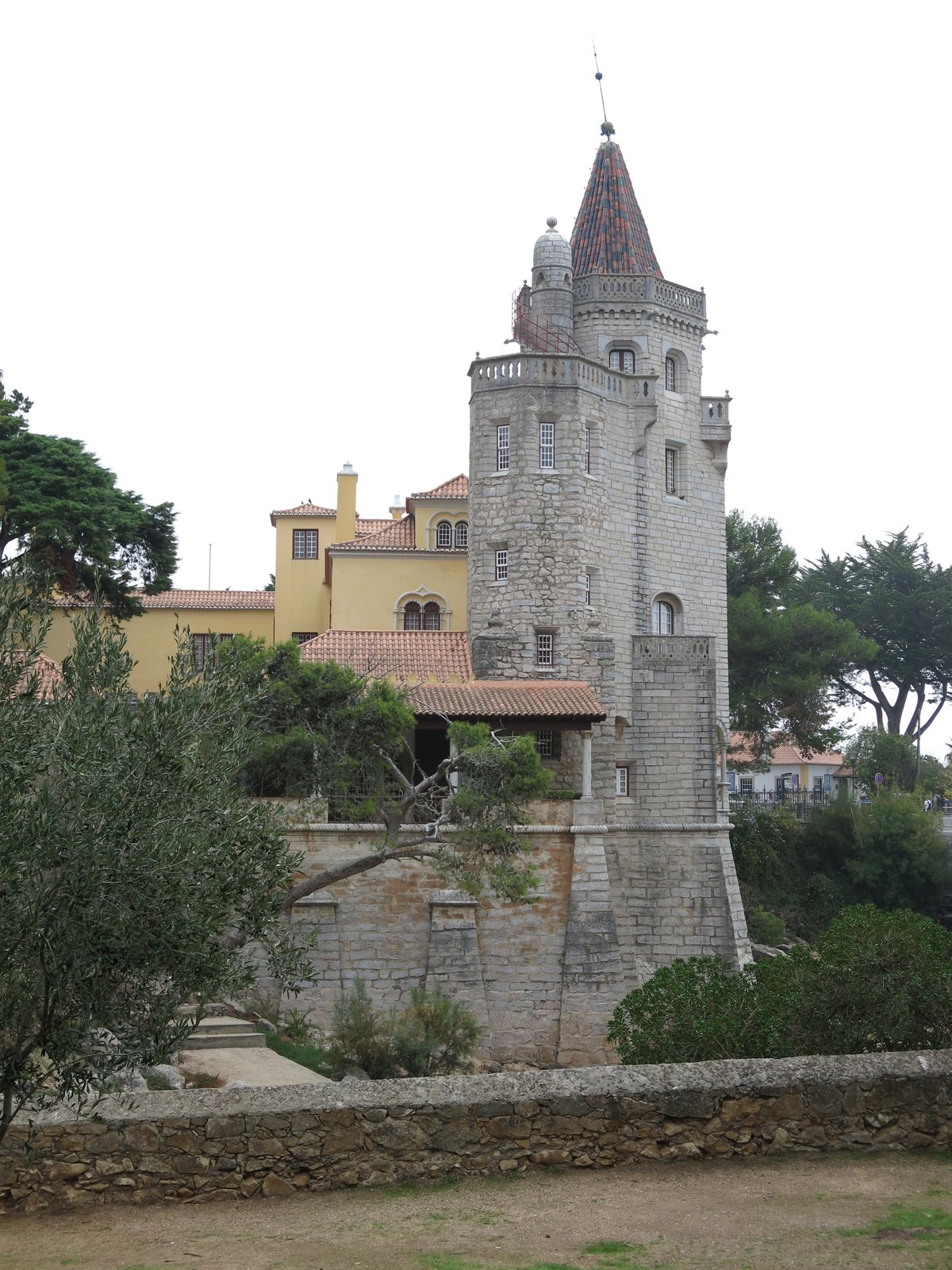
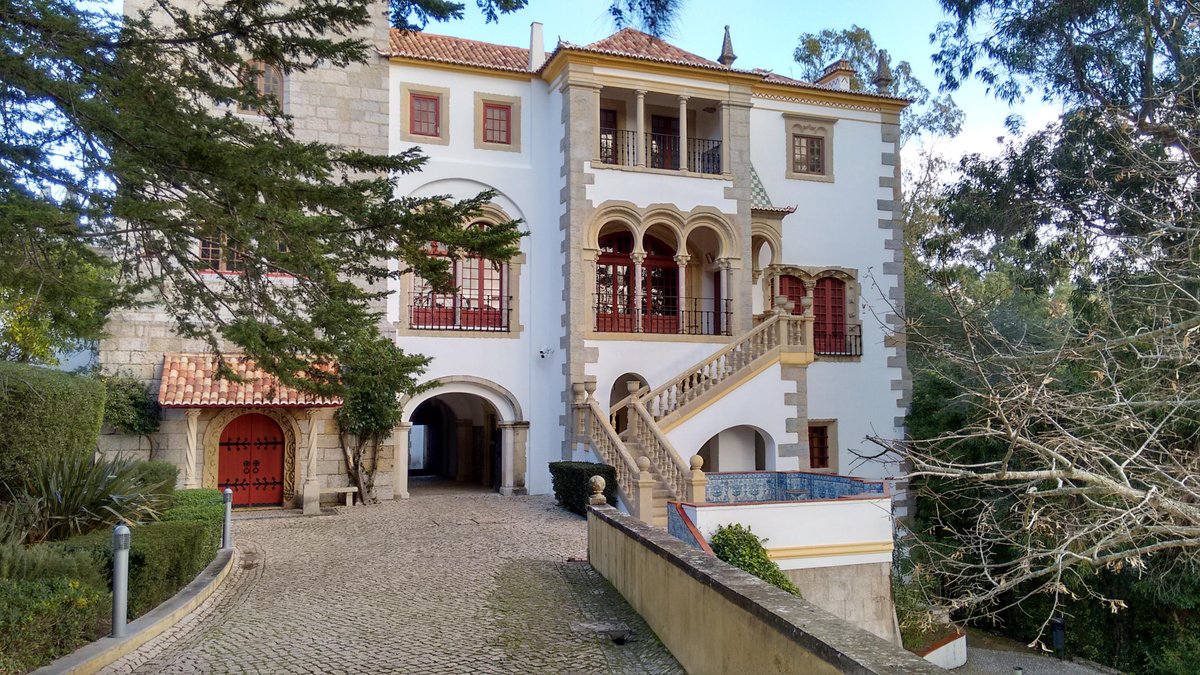
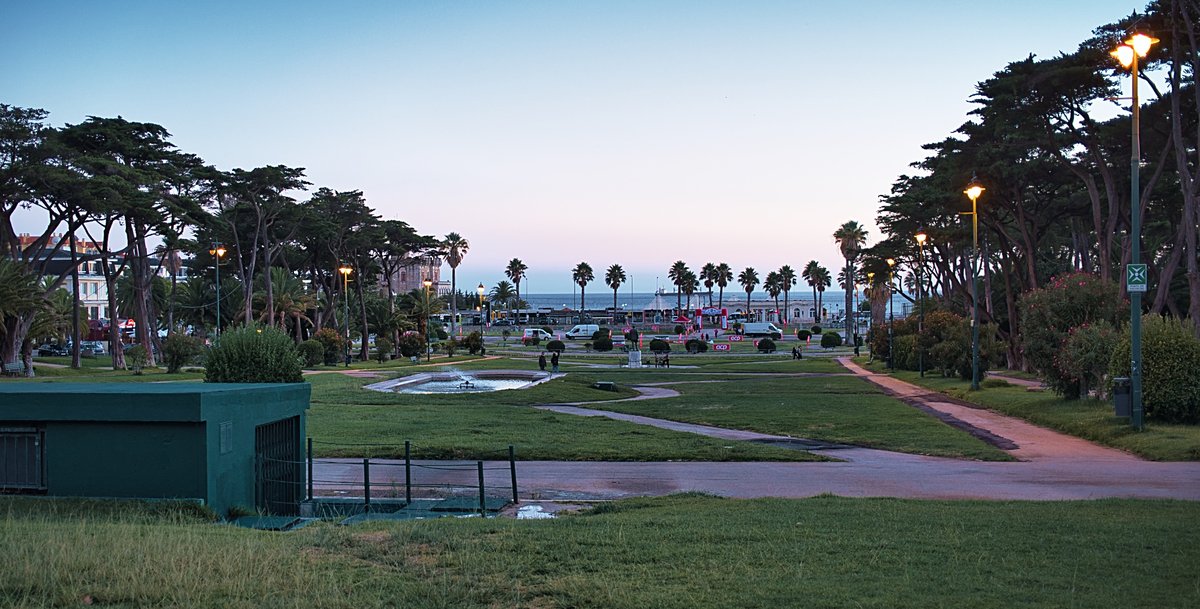
The Capela de Nossa Senhora da Conceição in Estoril, Portugal, is a tranquil and culturally significant landmark that embodies centuries of Marian devotion and Portuguese heritage. Located near the scenic Praia da Conceição and the Cascais-Estoril seaside promenade, the chapel is both a place of worship and a testament to the region’s religious and artistic traditions. This comprehensive guide explores the chapel’s historical background, architectural features, artistic treasures, visitor logistics, and nearby attractions—offering everything you need to plan an enriching visit. For updated travel tips and official details, consult sources such as the Estoril Tourism website, Portugal Tips, and local heritage blogs.

Historical Background and Context
Origins and Early History
The Capela de Nossa Senhora da Conceição reflects a long-standing tradition of Marian devotion in Portugal. The Immaculate Conception became Portugal’s official patroness in the 17th century, spurring the construction of chapels like Estoril’s, dedicated to Our Lady of the Conception. This devotion was not only a spiritual statement but also a symbol of national identity, especially after its proclamation by King John IV in 1646 (Sarrabal Blog).
Architectural Evolution
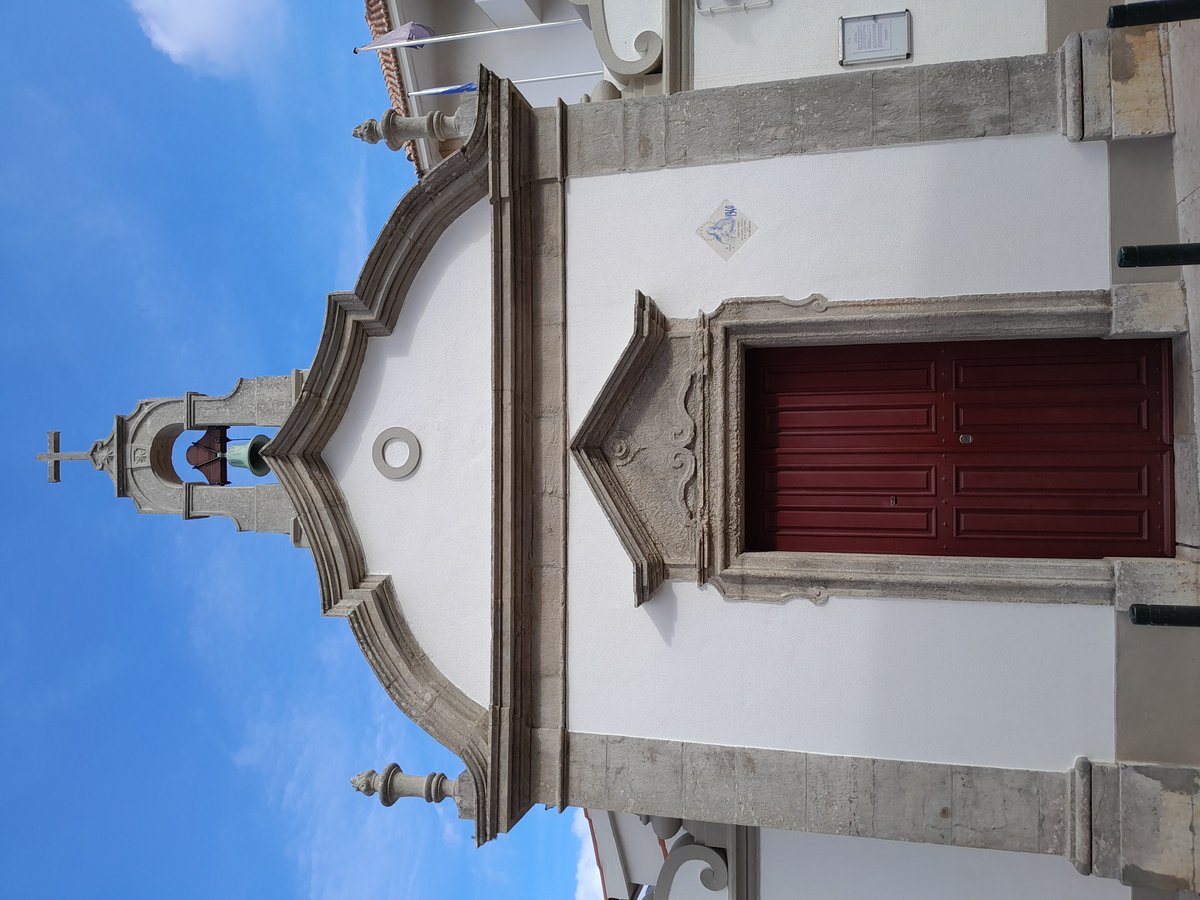
Although detailed English-language records of Estoril’s chapel are limited, its design aligns with Portuguese ecclesiastical architecture from the late 15th century through the Baroque and Mannerist periods. Chapels of this type typically feature single-nave layouts, whitewashed façades, minimalistic ornamentation, and distinctive azulejo tilework. The influence of Baroque and revivalist styles is evident in features such as gilded altarpieces and campanile towers (Visit Madeira).
Religious and Cultural Significance
The chapel remains an active center for local religious life, hosting important events such as the annual Feast of the Immaculate Conception on December 8th, which includes processions and community gatherings. This reinforces its status as a spiritual and cultural hub, deeply embedded in Estoril’s identity (Visit Madeira; Sarrabal Blog).
Artistic Heritage and Preservation
Inside, the chapel boasts richly decorated elements typical of Marian chapels: gilded Baroque altarpieces, religious iconography, and blue-and-white azulejos. These features exemplify the craftsmanship and artistic sensibilities of their time, while ongoing restoration efforts supported by local authorities ensure their preservation (Danas Vistas).
Architectural and Artistic Features
Layout and Setting
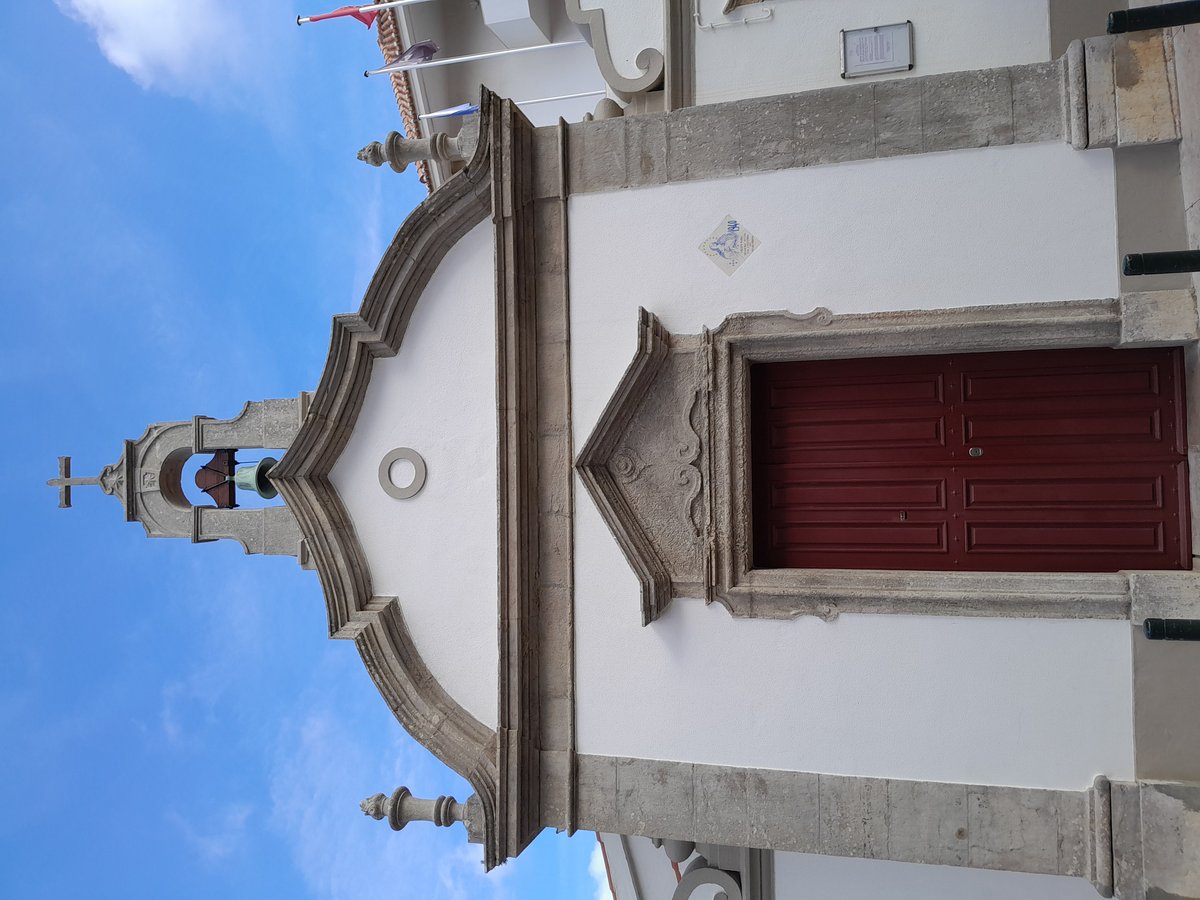
The chapel stands near Praia da Conceição, marking the start of the famed Cascais Seaside Promenade (Portugal Tips). Its simple longitudinal plan, understated whitewashed façade, and gabled terracotta roof blend harmoniously with the region’s Mediterranean architecture (All About Portugal).
Interior Decoration
Altarpiece and Furnishings
The focal point is the main altar, likely adorned with a gilded or polychrome retable in the Baroque or Rococo style, featuring intricate carvings, floral motifs, and a central statue of the Virgin Mary as the Immaculate Conception.
Azulejos
Azulejo tiles, often from the 17th or 18th centuries, decorate the lower walls, depicting Marian and biblical scenes in blue and white, contributing to both the décor and the spiritual ambiance (Lonely Planet).
Ceiling and Lighting
The chapel’s ceiling may be flat or vaulted, finished in whitewashed stucco or with exposed beams. Lighting is provided by traditional chandeliers and wall sconces, enhancing the serene atmosphere.
Revivalist and Urban Context
The chapel’s design reflects the revivalist architectural trends of the late 19th and early 20th centuries, echoing Manueline, Baroque, and Rococo influences in a restrained manner (All About Portugal). Its proximity to the promenade and the sea integrates it into Estoril’s social and urban landscape (Cascais Portugal Tourism).
Visitor Information
Visiting Hours
The chapel is generally open from 9:00 AM to 6:00 PM daily, though hours may vary during holidays or special events. Always check the official Estoril Tourism website or local parish announcements for updates.
Tickets and Admission
Admission is free. Donations for maintenance are welcome. Special events or guided tours may require advance booking or a small fee.
Accessibility
The chapel is accessible to visitors with reduced mobility, with ramps at the entrance. Some areas may still have uneven flooring due to the building’s age; contact the parish for specific needs.
Guided Tours & Events
While regular guided tours are not always available, local tour operators often include the chapel in historical walking tours. The most significant event is the Feast of the Immaculate Conception on December 8th, with special masses and processions.
Photography
Photography is permitted inside, provided visitors are respectful and do not use flash.
Nearby Attractions in Estoril
- Tamariz Beach: Sandy beach and lively promenade (Travel in Portugal).
- Estoril Casino: One of Europe’s largest and oldest casinos, featuring gaming, performances, and gardens (Lisbon VIP).
- Estoril Promenade: Scenic coastal walk connecting Estoril and Cascais.
- Historic Center: Traditional streets, local shops, and restaurants.
- Cascais: Nearby town with historic sites, museums, and a vibrant marina.
Frequently Asked Questions (FAQ)
Q: What are the visiting hours?
A: Typically 9:00 AM to 6:00 PM daily. Always check local listings for updates.
Q: Is there an entrance fee?
A: No, admission is free.
Q: Are guided tours available?
A: Occasionally, especially during special events or via local tour operators.
Q: Is the chapel accessible to people with disabilities?
A: Yes, with some limitations due to historic architecture. Contact the parish for details.
Q: Can I take photographs inside?
A: Yes, but please avoid flash and respect the sacred setting.
Q: What is the best time to visit?
A: Early morning or late afternoon for tranquility; December 8th for the feast day.
Summary & Recommendations
The Capela de Nossa Senhora da Conceição in Estoril is a captivating blend of religious devotion, architectural simplicity, and artistic beauty. Its historical significance as a symbol of Portuguese Marian identity, combined with its accessible location near the beach and promenade, makes it a must-visit for those interested in faith, history, and coastal culture. For the best experience:
- Visit outside peak hours or during the December 8th feast.
- Consider a guided tour for deeper context.
- Explore nearby attractions such as Tamariz Beach and Estoril Casino.
- Check official tourism resources for updated information.
For personalized travel tips and event updates, download the Audiala app and follow local social channels.
Listen to the full story in the app
The whole Capela De Nossa Senhora Da Conceição,
told well.
Audio guides for 1,100+ cities across 96 countries. History, stories, and local insight — offline ready.
Verified, and shown.
Researched and written by the Audiala editorial team from historical records, architectural archives, and local expertise.
Researched from Wikidata, Wikipedia & official sources · fact-checked · How we make our guides →