Plan and listen to Igreja De Santa Luzia with Audiala.
Audio guide in your pocket, itinerary in your browser. Built for the way you actually visit.
Introduction to Igreja De Santa Luzia
Nestled in the historic Alfama district of Lisbon, Portugal, Igreja de Santa Luzia stands as a monumental testament to the city's rich cultural and architectural heritage. This church, dedicated to Saint Lucy, has a storied past that dates back to the 12th century, right after the Christian reconquest of Lisbon from the Moors by King Afonso Henriques in 1147 (Explorial). Over the centuries, the church has undergone multiple renovations and reconstructions, most notably following the catastrophic 1755 Lisbon earthquake, which reshaped much of the city's architectural landscape (Wikipedia). The present structure, an elegant blend of Baroque and Manueline styles with traces of Romanesque and Gothic architecture, reflects the historical depth and complex architectural evolution of this iconic edifice. Adding to its historical allure, Igreja de Santa Luzia is also the headquarters of the Order of Malta in Portugal, symbolized by the prominent Maltese cross displayed over its front portal (Lisboa Vibes). The church's azulejos—traditional Portuguese blue-and-white tiles—adorn its walls and provide a vivid visual narrative of significant events in Lisbon's past, from the medieval period to the 18th century (Your Lisbon Guide). This comprehensive guide aims to offer an in-depth exploration of Igreja de Santa Luzia's historical significance, architectural marvels, and practical visitor information, ensuring a memorable visit to one of Lisbon's most captivating landmarks.

Origins and Early History
The origins of Igreja de Santa Luzia trace back to the 12th century, shortly after the conquest of Lisbon from the Moors in 1147 by King Afonso Henriques. The initial structure was erected on the orders of the king, marking a significant moment in the Christian reconquest of the Iberian Peninsula. This early church was built on a site that had likely been occupied by various religious structures since Roman times, reflecting the long-standing spiritual significance of the location (Explorial).
Architectural Evolution
The church has undergone numerous renovations and reconstructions over the centuries, each adding layers of architectural complexity and historical depth. The most significant reconstruction occurred in the 18th century following the devastating earthquake of 1755, which necessitated extensive rebuilding efforts across Lisbon. The current structure, completed under the direction of architect Mateus Vicente de Oliveira, showcases a blend of Baroque and Manueline styles, with elements of Romanesque and Gothic architecture still visible (Wikipedia).
The Order of Malta
An intriguing aspect of the church's history is its association with the Order of Malta. The church is currently the headquarters of the Order of Malta in Portugal, a connection that dates back to its early days when it was possibly constructed by knights of the Order of Saint John of Jerusalem, the precursor to the Order of Malta. This historical link is symbolized by the Maltese cross prominently displayed over the church's front portal (Lisboa Vibes).
The 1755 Earthquake and Reconstruction
The 1755 Lisbon earthquake was a pivotal event in the history of Igreja de Santa Luzia. The earthquake, followed by a tsunami and fires, caused widespread destruction throughout Lisbon, including significant damage to the church. The subsequent reconstruction efforts led to the church's current Baroque appearance, with architect Mateus Vicente de Oliveira overseeing the restoration. This period also saw the addition of the church's iconic azulejos (traditional Portuguese blue-and-white tiles), which depict scenes from Lisbon's history and biblical stories (Explorial).
Architectural Features
The architectural splendor of Igreja de Santa Luzia is a testament to its rich history. The facade features two twin bell towers, a characteristic element of Baroque architecture. Inside, visitors can admire the stunning azulejos, which include panels depicting the Crusaders storming the castle in 1147 and downtown Lisbon before the 1755 earthquake. These tiles not only enhance the church's aesthetic appeal but also serve as historical records, offering insights into significant events in Lisbon's past (Your Lisbon Guide).
Cultural and Historical Significance
Igreja de Santa Luzia holds immense cultural and historical significance. It stands as a monument to the resilience and continuity of Lisbon's religious and architectural heritage. The church's azulejos are particularly noteworthy, as they provide a visual narrative of Lisbon's history, from the medieval period through the 18th century. The church's association with the Order of Malta further underscores its historical importance, linking it to broader European and Mediterranean historical currents (Explorial).
Modern-Day Relevance
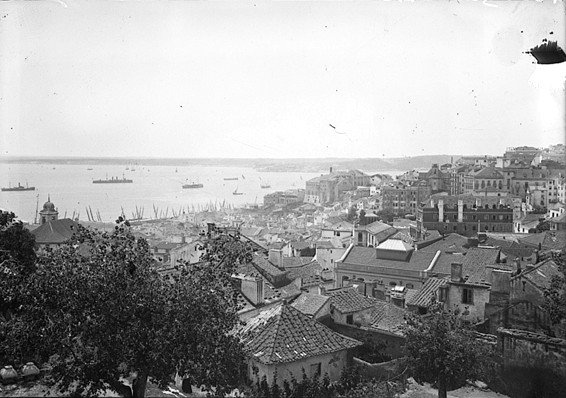
Today, Igreja de Santa Luzia continues to be a vital part of Lisbon's cultural landscape. It is classified as a National Monument, reflecting its historical and architectural significance. The church remains a place of worship and a popular tourist destination, attracting visitors with its rich history, stunning architecture, and breathtaking views over the Alfama district and the Tagus River. The adjacent Miradouro de Santa Luzia, a landscaped terrace offering panoramic views, further enhances the church's appeal, making it a must-visit site for anyone exploring Lisbon (Lisboa Vibes).
Visitor Experience
For visitors, Igreja de Santa Luzia offers a unique blend of historical exploration and serene reflection. The church is open to visitors every day from morning until late afternoon, with free entry, although donations are welcome to support the maintenance of this historical monument. It is recommended to visit during weekday mornings when it tends to be less crowded, allowing for a more leisurely exploration of the church's interior and its beautiful azulejos (Explorial).
Practical Information for Visitors
- Visiting Hours: Igreja de Santa Luzia is open every day from 9 AM to 6 PM.
- Tickets: Entry is free, but donations are appreciated.
- Accessibility: The church is wheelchair accessible.
- Nearby Attractions: The Alfama district, Castelo de São Jorge, and the Fado Museum are all within walking distance.
- Special Events: The church occasionally hosts classical music concerts and special masses.
- Guided Tours: Available upon request, providing in-depth historical insights.
- Photographic Spots: The azulejos and the views from Miradouro de Santa Luzia are perfect for photography enthusiasts.
FAQ
Q: What are the opening hours of Igreja de Santa Luzia?
A: The church is open daily from 9 AM to 6 PM.
Q: Is there an entry fee for Igreja de Santa Luzia?
A: Entry to the church is free, but donations are welcome to help with maintenance.
Q: Are there guided tours available?
A: Yes, guided tours can be arranged to provide detailed historical insights.
Q: What are some nearby attractions?
A: Nearby attractions include the Alfama district, Castelo de São Jorge, and the Fado Museum.
Q: Is Igreja de Santa Luzia accessible for visitors with disabilities?
A: Yes, the church is wheelchair accessible.
Tickets & tours.
These are guided options from our partners — same price as booking direct.
Prices are indicative — final pricing and availability are confirmed at checkout. Audiala may earn a commission from bookings made through these links.
Listen to the full story in the app
The whole Igreja De Santa Luzia,
told well.
Audio guides for 1,100+ cities across 96 countries. History, stories, and local insight — offline ready.
Verified, and shown.
Researched and written by the Audiala editorial team from historical records, architectural archives, and local expertise.
Exploring the Rich History and Visitor Tips for Igreja de Santa Luzia in Lisbon
Igreja de Santa Luzia (Lisbon). Retrieved from )
Miradouro de Santa Luzia Viewpoint
Miradouro de Santa Luzia
Researched from Wikidata, Wikipedia & official sources · fact-checked · How we make our guides →