

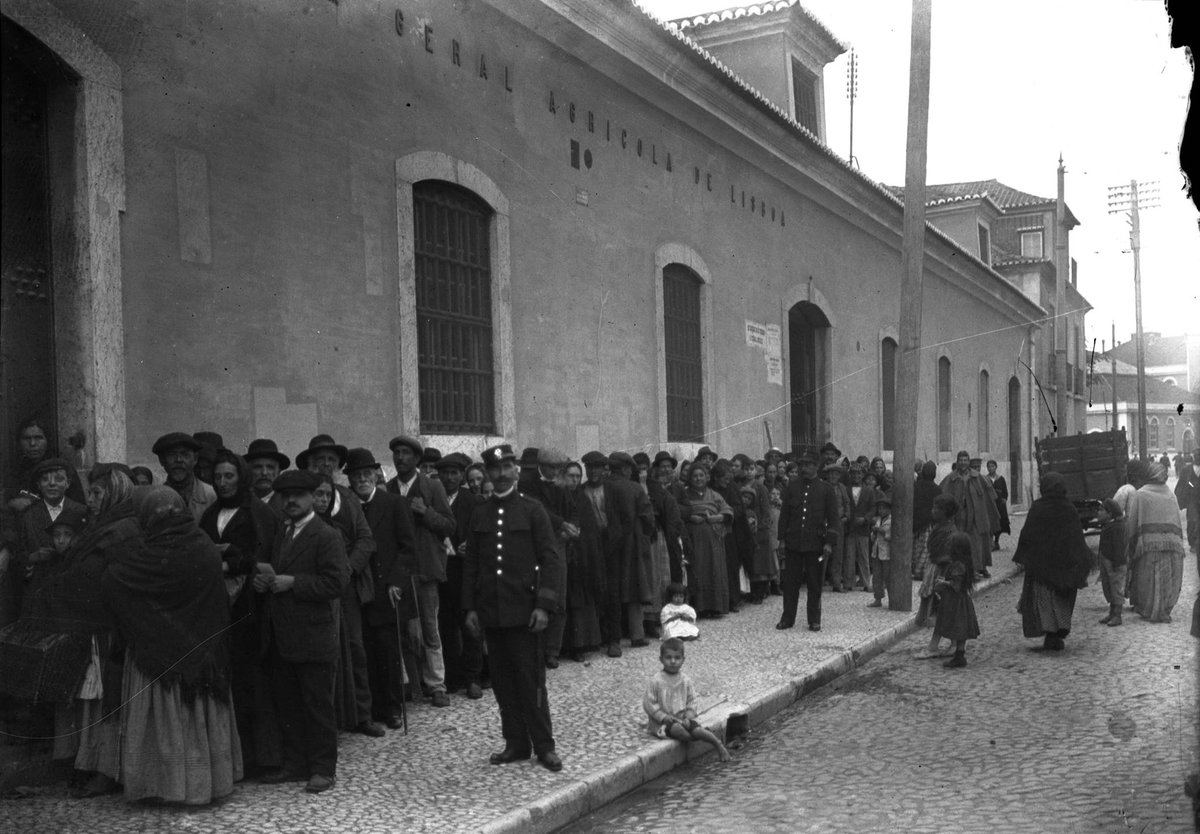
Origins and Early Development
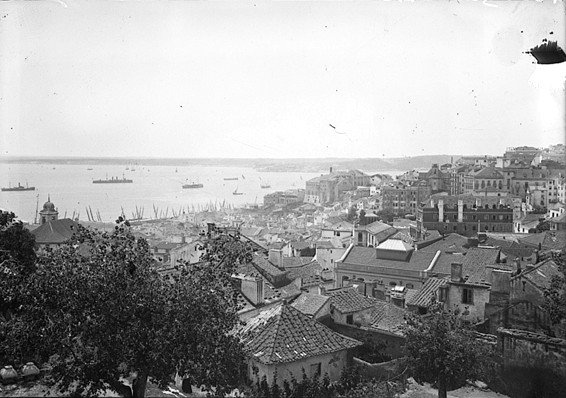
Avenida da Índia, translating to 'India Avenue,' is a testament to Portugal's maritime legacy and colonial history. This scenic route runs parallel to the Tagus River, connecting various historical and cultural landmarks. The avenue’s roots trace back to the Age of Discoveries (15th-16th centuries), symbolizing the era when Portuguese explorers like Vasco da Gama established sea routes to India and beyond.
Architectural Evolution
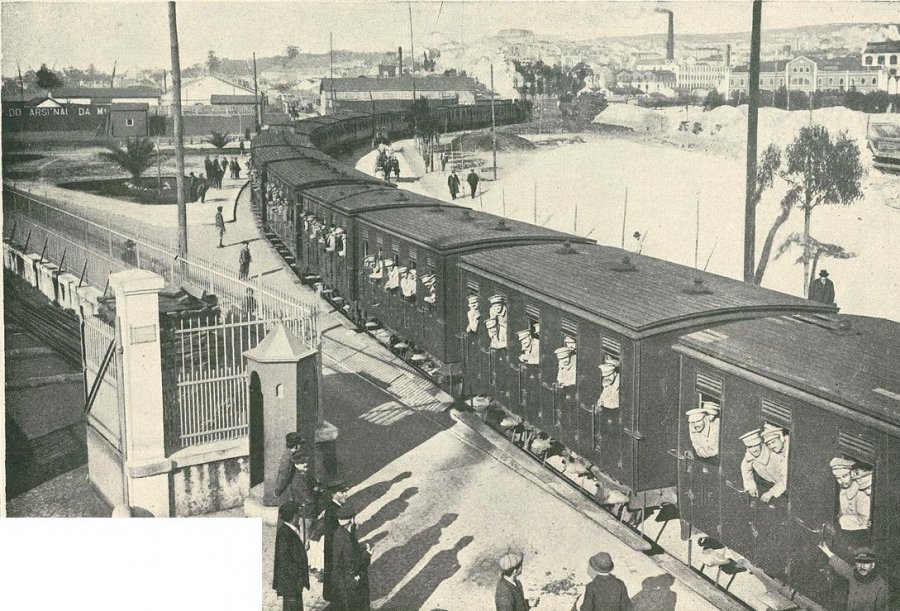
Initially marked by simple structures and warehouses supporting Lisbon's port activities, Avenida da Índia has witnessed significant architectural transformation. The 20th century brought modern residential complexes, commercial establishments, and cultural institutions, enhancing Lisbon's urban landscape and aesthetic appeal.
Key Historical Events
The 1755 Lisbon earthquake dramatically reshaped the city's urban landscape, including areas near Avenida da Índia, leading to modernization efforts. The 1974 Carnation Revolution, ending Portugal's Estado Novo regime, further influenced urban planning and development, spurring investment in public infrastructure and cultural projects along the avenue.
Cultural and Historical Landmarks
- Museu do Oriente - Located at Doca de Alcântara Norte, this museum showcases artifacts from Portugal's colonial past and its interactions with Eastern cultures, featuring items from Asia, Africa, and South America.
- 25 de Abril Bridge - Spanning the Tagus River, this iconic bridge offers stunning views of Lisbon and connects the city to Almada. Originally named after Prime Minister Salazar, it was renamed following the Carnation Revolution.
Modern Significance
Avenida da Índia remains a crucial artery in Lisbon's transportation network, accessible via buses and trains, and serves as a cultural hub hosting numerous events and festivals. The avenue is lined with vibrant restaurants, cafes, and shops, offering a dynamic experience for visitors.
Visitor Information
- Visiting Hours - The avenue itself is open 24/7, but check individual venues like the Museu do Oriente for specific visiting hours.
- Tickets - Entry to the avenue is free, but museums and attractions like the Museu do Oriente may have ticket fees. The museum offers free admission on Friday evenings from 6 to 8 pm.
Visitor Tips
- Transportation - Accessible via train from Cais do Sodré Station to Alcântara-Mar Station, or by bus 728 along the waterfront.
- Attractions - Don’t miss the Museu do Oriente and the 25 de Abril Bridge.
- Dining - Visit Casa da Índia for traditional Portuguese cuisine.
- Walking Tours - Explore historical landmarks and scenic views along the waterfront.
- Photography - Capture stunning views near the 25 de Abril Bridge. Best views are from the Cristo Rei monument or a sightseeing cruise.
- Safety - Stay vigilant and keep an eye on personal belongings in crowded areas.
FAQ
- Q: What are the visiting hours for Avenida da Índia? A: The avenue is accessible 24/7, but check specific venues for their hours.
- Q: Do I need tickets to visit Avenida da Índia? A: No, access to the avenue is free. However, some attractions like the Museu do Oriente may charge entry fees.
- Q: What are the best times to visit? A: Evening visits can be enjoyable, particularly on Fridays when the Museu do Oriente offers free admission.