Plan and listen to Wrocław Palace with Audiala.
Audio guide in your pocket, itinerary in your browser. Built for the way you actually visit.
Introduction to Wrocław Palace and Its Significance
Nestled in the heart of Wrocław, Poland, the Wrocław Palace—also known as the Royal Palace (Pałac Królewski)—stands as a testament to the city’s royal legacy and architectural splendor. Originally built in 1717 for Silesian nobility, it later became a Prussian royal residence under King Frederick the Great. Over centuries, the palace has witnessed political upheavals, architectural transformations, and cultural milestones. Today, it serves as the principal branch of the Wrocław City Museum, offering visitors an immersive journey through the city’s thousand-year history and the palace’s own dramatic evolution. This guide provides detailed information on the palace’s history, architectural highlights, visiting hours, ticketing options, accessibility, and practical travel tips, ensuring a memorable and insightful experience for every visitor (Wrocław City Museum website).

Origins and Early History
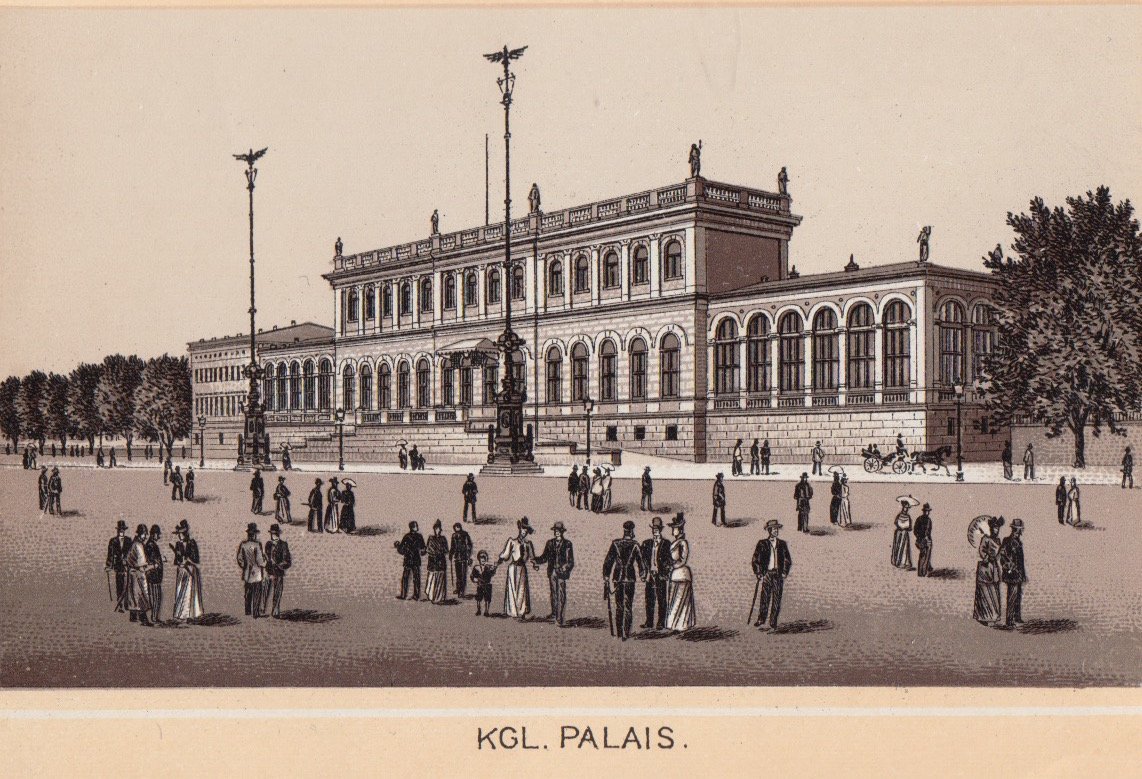
The Wrocław Palace’s story begins in 1717, when it was commissioned by Count Heinrich Gottfried von Spätgen, reflecting the Baroque style favored by Silesian aristocracy (Nomads Travel Guide). In 1750, Prussia’s King Frederick the Great acquired the property, transforming it into a royal residence and reinforcing Wrocław’s status as a key city in Silesia. The palace’s early years were marked by opulent architecture and its role as a symbol of prestige and political power.
Architectural Evolution
Baroque Foundations
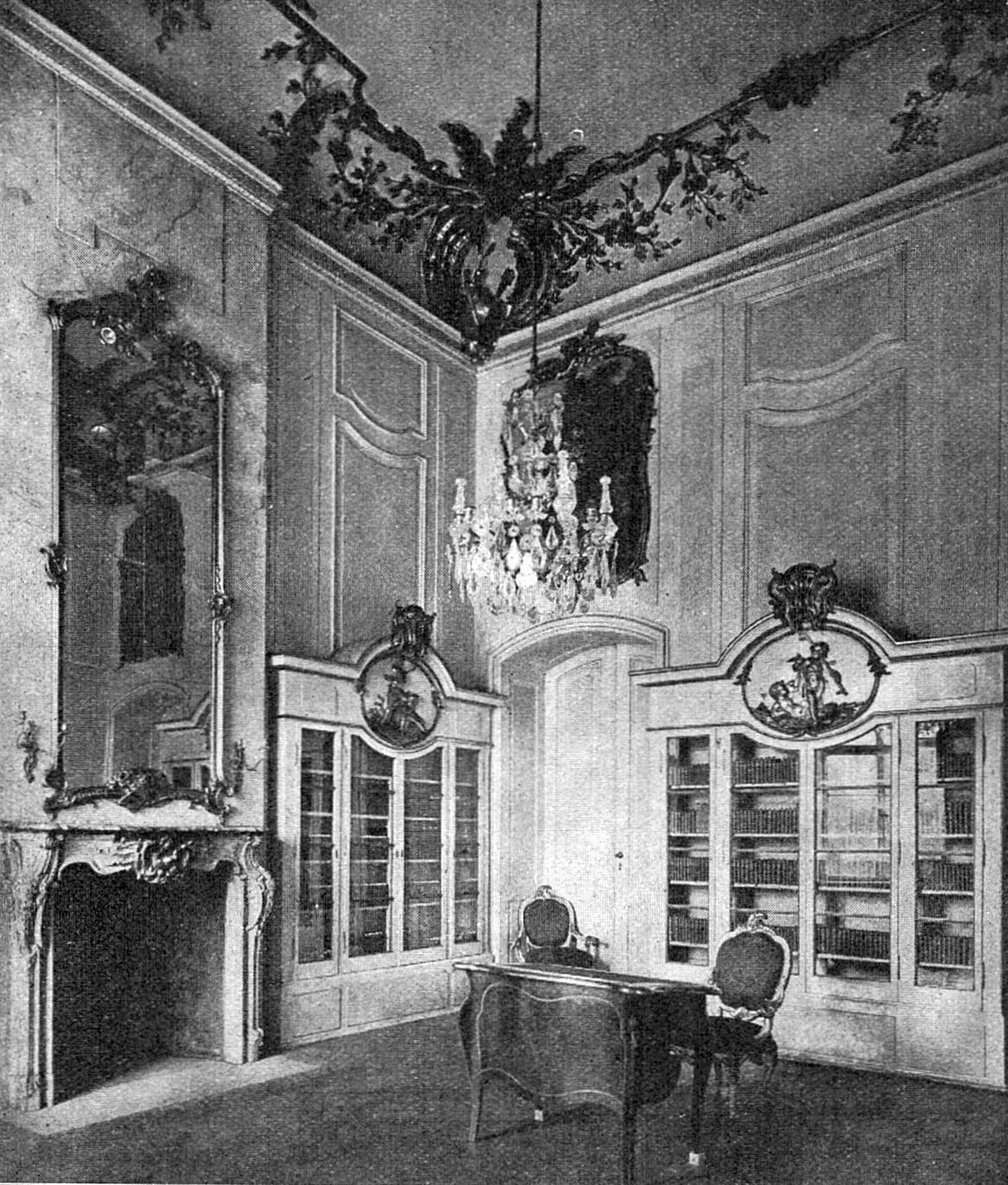
The original palace featured a symmetrical Baroque layout, with elaborate stucco work, grand entrances, frescoed ceilings, gilded moldings, and marble fireplaces—showcasing the wealth and taste of its noble patrons.
Prussian Expansion and Rococo Splendor
Under Frederick the Great, the palace underwent significant Rococo remodeling. Renowned architects such as Johann Boumann and Carl Gotthard Langhans introduced playful ornamentation, pastel hues, and lavishly decorated interiors, including ceremonial halls and private apartments. These Rococo elements remain highlights for today’s visitors (The Crazy Tourist).
19th and 20th Century Modifications
The 19th century brought neoclassical updates, cleaner lines, and the redesign of gardens in the English landscape style (Wroclaw Guide). The palace was adapted for administrative functions during the German Empire. World War II inflicted severe damage, especially during the 1945 Siege of Breslau. Postwar restoration prioritized historical accuracy, using archival photos and surviving details.
Historical Significance
Throughout its history, the palace served as both a royal residence and a political center, hosting state ceremonies and cultural events that contributed to Wrocław’s cosmopolitan reputation. Its role shifted dramatically after World War II, reflecting the city’s territorial and demographic changes.
Transformation into the Wrocław City Museum
Following postwar reconstruction, the palace became the seat of the Wrocław City Museum. Since its major renovation in 2008, it has housed exhibitions chronicling the city’s development, from its medieval roots to its modern resurgence (Wikipedia).
Key Exhibition Areas
- The 1000-Year History of Wrocław: A flagship exhibition tracing the city’s evolution through artifacts, multimedia, and reconstructed interiors (wroclawguide.com).
- Royal Apartments and Halls: Restored to reflect Prussian royal splendor and the lifestyle of Frederick the Great (spottinghistory.com).
- Silesian Art and Culture: Medieval sculptures, regional paintings, and decorative arts, many salvaged from pre-war collections (theplaceswherewego.com).
- Beyersdorf Room: An authentic Baroque interior in Dutch style.
The museum complex also hosts branches such as the Museum of Medallic Art, Military Museum, and the Henryk Tomaszewski Museum of Theatre.
Visiting Wrocław Palace: Practical Information
Visiting Hours and Tickets
- Tuesday–Sunday: 10:00 AM – 6:00 PM (last admission 30 minutes before closing)
- Monday: Closed
- Ticket Prices: Adults 20 PLN; students and seniors 12 PLN; children under 7 free; family and group discounts available
- Where to Buy: Tickets are available online via the official website and at the entrance. Booking ahead is advised during peak seasons.
Check the official museum website for seasonal changes or special events.
Accessibility
The palace is equipped with ramps, elevators, and accessible restrooms. Most exhibition spaces are wheelchair-friendly. Multilingual signage and audio guides are provided (theplaceswherewego.com).
How to Get There
- Address: Kazimierza Wielkiego 35, 50-077 Wrocław, Poland
- On foot: 5-minute walk from Market Square (Rynek)
- Public Transport: Tram lines 4, 6, 7, 10, 17, 31; bus stops nearby (visitWroclaw.eu)
- By Car: Limited parking available; public transport is recommended
- By Bicycle: Bike racks nearby
Nearby Attractions
- Saxon Garden: Tranquil park adjacent to the palace
- Wrocław Market Square: Lively hub with historical buildings and restaurants
- Cathedral Island: Historic churches and picturesque streets
- National Museum: Regional art and history collections
Special Events and Guided Tours
- Guided Tours: Daily in Polish and English; other languages by appointment
- Temporary Exhibitions: Rotating displays on Wrocław and Silesian history
- Cultural Events: Outdoor cinema, concerts, and lectures—especially in summer
- Educational Programs: For families, school groups, and adults
Recommended Photographic Spots
- Palace Facade: Capture the Baroque and Rococo details
- Grand Staircase: Ornate interiors ideal for photos
- Gardens: Best in spring and summer for vibrant greenery
Visitor Facilities and Amenities
- Restrooms: Modern and well-maintained
- Cloakroom/Lockers: Secure storage available
- Gift Shop: Books, souvenirs, and local crafts
- Café: Not inside the palace, but many options nearby
- Wi-Fi: Available in most areas
Travel Tips for International Visitors
- Language: Basic Polish phrases or translation apps recommended; some exhibits have English translations
- Payment: Carry Polish złoty (PLN); not all machines accept cards
- Weather: Prepare for changeable conditions; dress in layers and bring rain protection
- Safety: Central area is safe, but remain aware of personal belongings
Frequently Asked Questions (FAQ)
Q: What are the opening hours of Wrocław Palace?
A: Tuesday–Sunday, 10:00–18:00; closed Mondays. Check the official website for updates.
Q: How much are tickets?
A: Adults: 20 PLN; students/seniors: 12 PLN; children under 7: free.
Q: Are guided tours available in English?
A: Yes, daily or by appointment.
Q: Is the palace accessible for people with disabilities?
A: Most of the museum is accessible; contact ahead for specific needs.
Q: Can I take photos inside?
A: Non-flash photography is permitted in most areas, with some restrictions.
Q: Is there parking nearby?
A: Limited parking; public transport is preferable.
Summary of Key Points
Wrocław Palace is more than a historic monument—it is a dynamic cultural landmark embodying the city’s layered history and evolving identity. From its Baroque and Rococo origins, through wartime resilience and postwar renewal, to its current role as the Wrocław City Museum, the palace offers a unique journey through time. With accessible facilities, multilingual tours, and engaging exhibitions, visitors of all backgrounds can enjoy a meaningful and enriching experience. To make the most of your visit, stay informed via the official museum website and enhance your exploration with audio guides and travel apps (Wroclaw Guide, The Crazy Tourist).
Listen to the full story in the app
The whole Wrocław Palace,
told well.
Audio guides for 1,100+ cities across 96 countries. History, stories, and local insight — offline ready.
Verified, and shown.
Researched and written by the Audiala editorial team from historical records, architectural archives, and local expertise.
Researched from Wikidata, Wikipedia & official sources · fact-checked · How we make our guides →