Introduction
Wrocław Medical University (WMU) stands as one of Poland’s most renowned centers for medical education and research. Situated in the vibrant city of Wrocław, the university offers far more than academic programs—it is a destination for visitors eager to explore centuries-old traditions, pioneering medical achievements, and the city’s rich architectural and cultural landscape. Whether you are a prospective student, healthcare professional, or history enthusiast, this comprehensive guide provides all the essential information to make the most of your visit to WMU, including history, visitor logistics, guided tours, accessibility, and nearby attractions.
For the most up-to-date details and event schedules, always consult the official Wrocław Medical University website, and refer to trusted educational resources such as Edarabia and Times Higher Education.
- Introduction
- University History and Milestones
- Practical Visitor Information
- Campus Experience
- Frequently Asked Questions (FAQ)
- Conclusion
- Sources
Photo Gallery
Explore Wrocław Medical University in Pictures
University History and Milestones
Early Origins
WMU’s roots trace back to 1811, following the relocation of Viadrina University to Wrocław (then Breslau) by Prussian decree. This move established the foundation for medical education in the region, with the University of Wrocław’s Medical Faculty under Professor Karl August Wilhelm Bereds. The faculty initially comprised five departments: anatomy, physiology, internal medicine, obstetrics, and surgery, establishing a tradition of academic excellence (Edarabia).
Post-War Reestablishment
After World War II, the Faculty of Medicine was officially reestablished in 1945. Notably, Ludwik Hirszfeld, a pioneering immunologist, delivered the inaugural lecture. Many academics arrived from Jan Kazimierz University in Lviv, strengthening the new institution. In 1950, WMU gained independence, focusing on medical and pharmaceutical sciences (Edarabia).
Academic Growth and Achievements
The university has produced over 16,000 doctors and 4,700 dentists, with its Dentistry Faculty among the nation’s most accredited. WMU’s reputation is fortified by milestones such as Poland’s first open-heart surgery (1958, Prof. Wiktor Bross) and first living-donor kidney transplant (1966). Notable figures include immunologist Ludwik Hirszfeld, pathologist Zygmunt Albert, and internal medicine expert Edward Szczeklik.
Practical Visitor Information
Visiting Hours & Tickets
- Campus Hours: Monday to Friday, 8:00 AM to 6:00 PM. These are general hours for academic buildings; specific facilities may have different schedules.
- Welcome Centre: Open Monday to Friday, 8:00 AM to 4:00 PM (Welcome Centre).
- Admission: Free for most public areas. Guided tours, events, or exhibitions may require advance booking or tickets.
- How to Book: Contact the Welcome Centre or check the university’s official site for guided tours and event details.
Accessibility
- Facilities: Modern buildings feature ramps, elevators, and accessible restrooms.
- Assistance: The Welcome Centre provides support for visitors with disabilities, including personalized assistance if notified in advance.
Nearby Attractions
- Wrocław Old Town & Market Square: A short walk from campus, featuring Gothic architecture and lively cafés.
- Ostrów Tumski: The city’s oldest district, home to Wrocław Cathedral.
- Centennial Hall: UNESCO-listed, renowned for modernist design.
- Botanical Garden & Tumski Bridge: Scenic spots within easy reach.
Tips for Visitors
- Plan your visit during weekdays for optimal access.
- Book guided tours early, especially during academic peak seasons.
- Use public transport for convenient campus access; nearby tram stops include "Uniwersytet Medyczny".
- Photography is permitted in public areas; clinical/research spaces require permission.
Campus Experience
Layout and Location
WMU is located along the Odra River, with its main buildings on Marcinkowskiego Street—an accessible location close to major city attractions (Times Higher Education).
Guided Tours & Events
- Tours: Offered during open days or by appointment. Include historic sites, lecture halls, libraries, and some research centers (Admission Office).
- Events: Regular conferences, public lectures, and exhibitions open to visitors—see the university’s events calendar for details.
- Virtual Tours: Available on the university’s website, providing virtual access to campus highlights and facilities.
Architectural Highlights
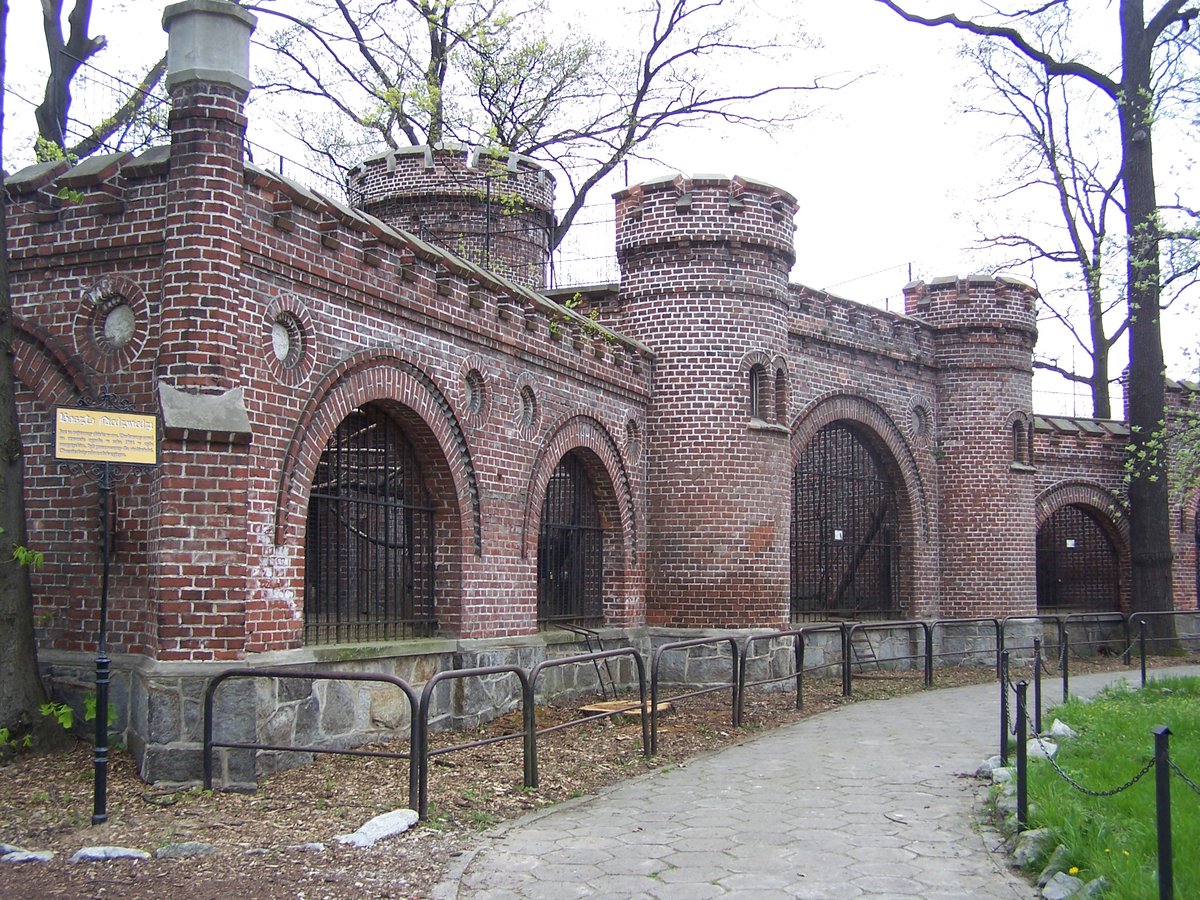
- Historic Main Building: Reflects 19th-century academic architecture.
- Scientific Medical Information Centre: A modern facility supporting cutting-edge research.
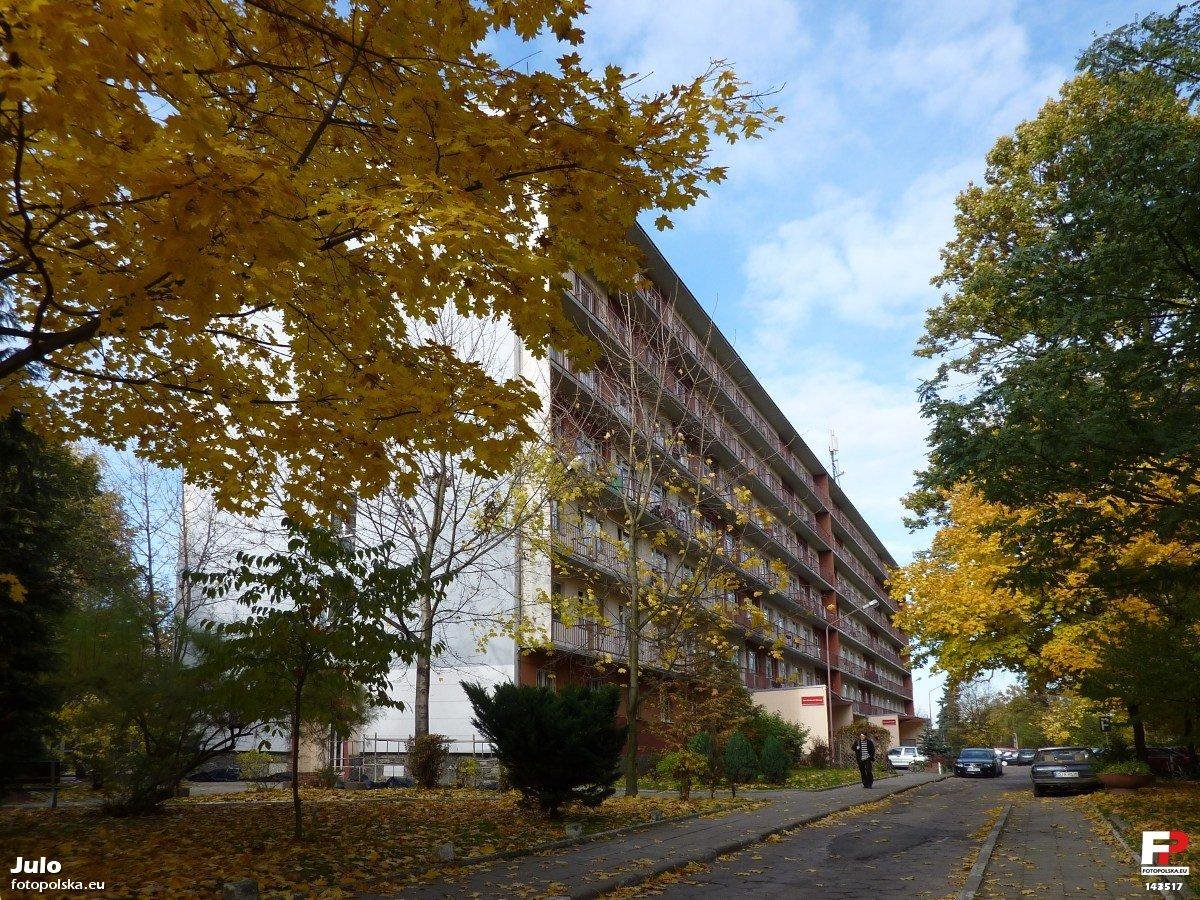
- Student Dormitories: “Jubilatka” and “Blizniak” offer accommodation within walking distance of campus (Admission Office).
Hospitals & Clinical Facilities
- University Clinical Hospital and Public Clinical Hospital: Among Poland’s leading diagnostic and treatment centers (Select Your University).
- Academic Dental Polyclinic & Alzheimer’s Centre: Specialized care facilities open for observation by arrangement.
Visitor Services
- Language Support: Most staff speak English; Welcome Centre offers guidance in Polish and English.
- Safety and Insurance: Clear emergency protocols; student insurance covers practical training (UMW Practical Training).
Language and Community
WMU’s international student body and bilingual instruction in Polish and English create a welcoming environment for visitors. While English is widely spoken on campus, some language barriers may exist outside the university (EduOpinions).
Transportation and Navigation
- Public Transport: Trams and buses provide seamless connections citywide. Apps like “iMPK” and “Jak dojade” are recommended for route planning (MyWanderlust).
- Parking: Limited on campus; public transport is advised.
Frequently Asked Questions (FAQ)
Q: What are the campus visiting hours?
A: Monday to Friday, 8:00 AM–6:00 PM. Welcome Centre: 8:00 AM–4:00 PM.
Q: Is there an admission fee?
A: Campus access is free; guided tours or special events may require advance booking or tickets.
Q: Is the campus accessible to visitors with disabilities?
A: Yes, most modern buildings are equipped for accessibility.
Q: Are guided tours available?
A: Yes, arrange through the Welcome Centre or Admission Office, especially during open days.
Q: Can visitors take photographs?
A: Permitted in public areas; permission required for clinical/research spaces.
Q: How do I get to campus by public transport?
A: Use trams or buses stopping at "Uniwersytet Medyczny" or nearby stops.
Wrocław Cathedral: A Nearby Landmark
While visiting WMU, consider exploring the iconic Wrocław Cathedral (Cathedral of St. John the Baptist) on Ostrów Tumski. This Gothic masterpiece is a highlight of the city’s heritage.
- Opening Hours:
- Mon–Sat: 8:00 AM–7:00 PM
- Sun: 12:00 PM–7:00 PM
- Tickets:
- Cathedral entry is free; observation tower: 10 PLN (adults), 7 PLN (students/seniors), children under 7 free.
- Attractions:
- Observation tower with panoramic city views, 16th-century astronomical clock, Chapel of St. Elizabeth, and stunning night illumination.
- Accessibility:
- Main floor accessible; observation tower via stairs only.
- Visitor Tips:
- Early or late visits avoid crowds; comfortable shoes recommended; modest attire for mass.
- Combine with a stroll around Ostrów Tumski and nearby attractions.
- More Info: Official Wrocław Tourism Site
Listen to the full story in the app
Your Personal Curator, in Your Pocket.
Audio guides for 1,100+ cities across 96 countries. History, stories, and local insight — offline ready.
Audiala App
Available on iOS & Android
Join 50k+ Curators
Sources
- verified
-
verified
Discover Wrocław Medical University: Visiting Hours, Tickets, and Academic Excellence, 2025 [source unavailable URL]
- verified
-
verified
Wrocław Cathedral (Cathedral of St
John the Baptist): Visitor's Guide, History, and Tips for Exploring One of Poland's Most Iconic Monuments, 2025
- verified
Last reviewed: