Plan and listen to University Of Wrocław with Audiala.
Audio guide in your pocket, itinerary in your browser. Built for the way you actually visit.
Introduction
The University of Wrocław (Uniwersytet Wrocławski, UWr) is a centerpiece of academic prestige and Baroque architecture in Poland. Founded in 1702 by Emperor Leopold I, the university reflects centuries of historical transformation under Czech, Austrian, Prussian, German, and Polish rule, making it a vibrant hub of cultural and scholarly significance (Museum of the University of Wrocław; Wikipedia). Visitors are welcomed to a campus where academic excellence meets stunning art and architecture, most notably in the celebrated Aula Leopoldina and the panoramic Mathematical Tower (uwr.edu.pl). This guide details everything you need to know—visiting hours, tickets, tours, accessibility, and travel tips—so you can fully experience the University of Wrocław and its nearby attractions.

History and Cultural Significance
Early Origins and Development
The University of Wrocław's roots trace back to the Jesuit Academy Leopoldina, established in 1702 to promote Catholic education in Silesia under Habsburg influence (Museum of the University of Wrocław). Over time, the institution expanded beyond philosophy and theology, becoming a beacon of intellectual life in the region.
19th Century Transformation
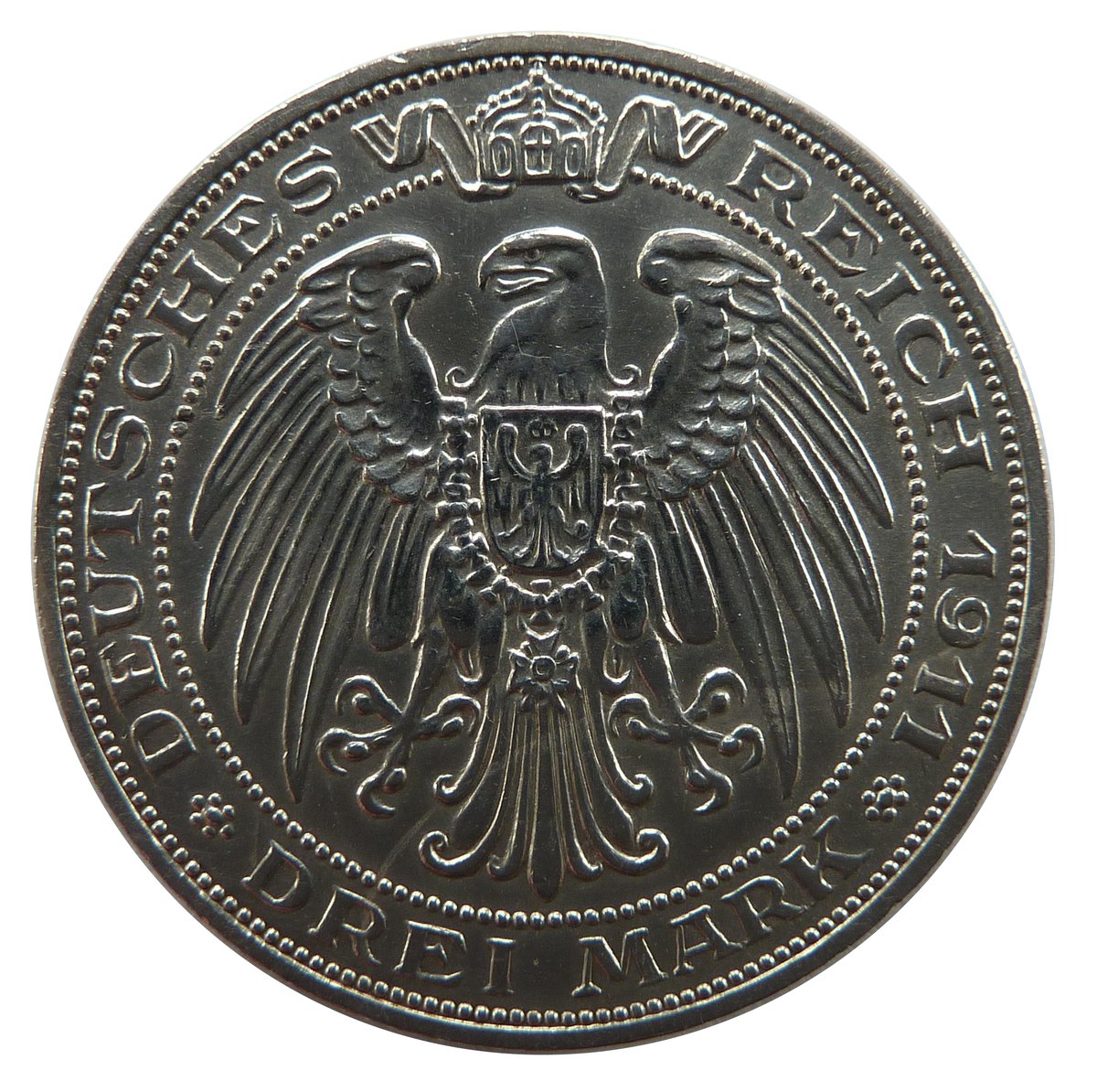
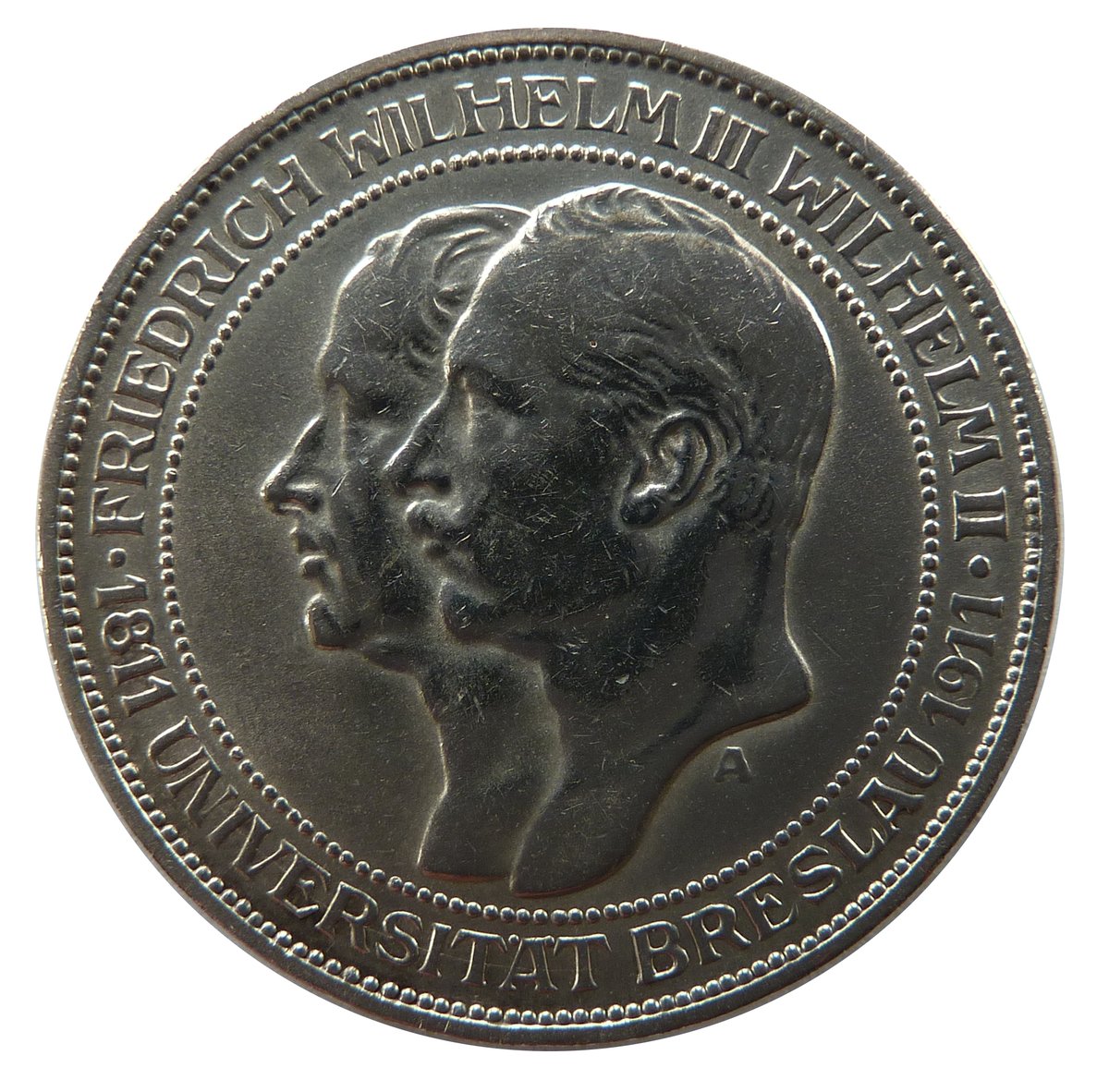
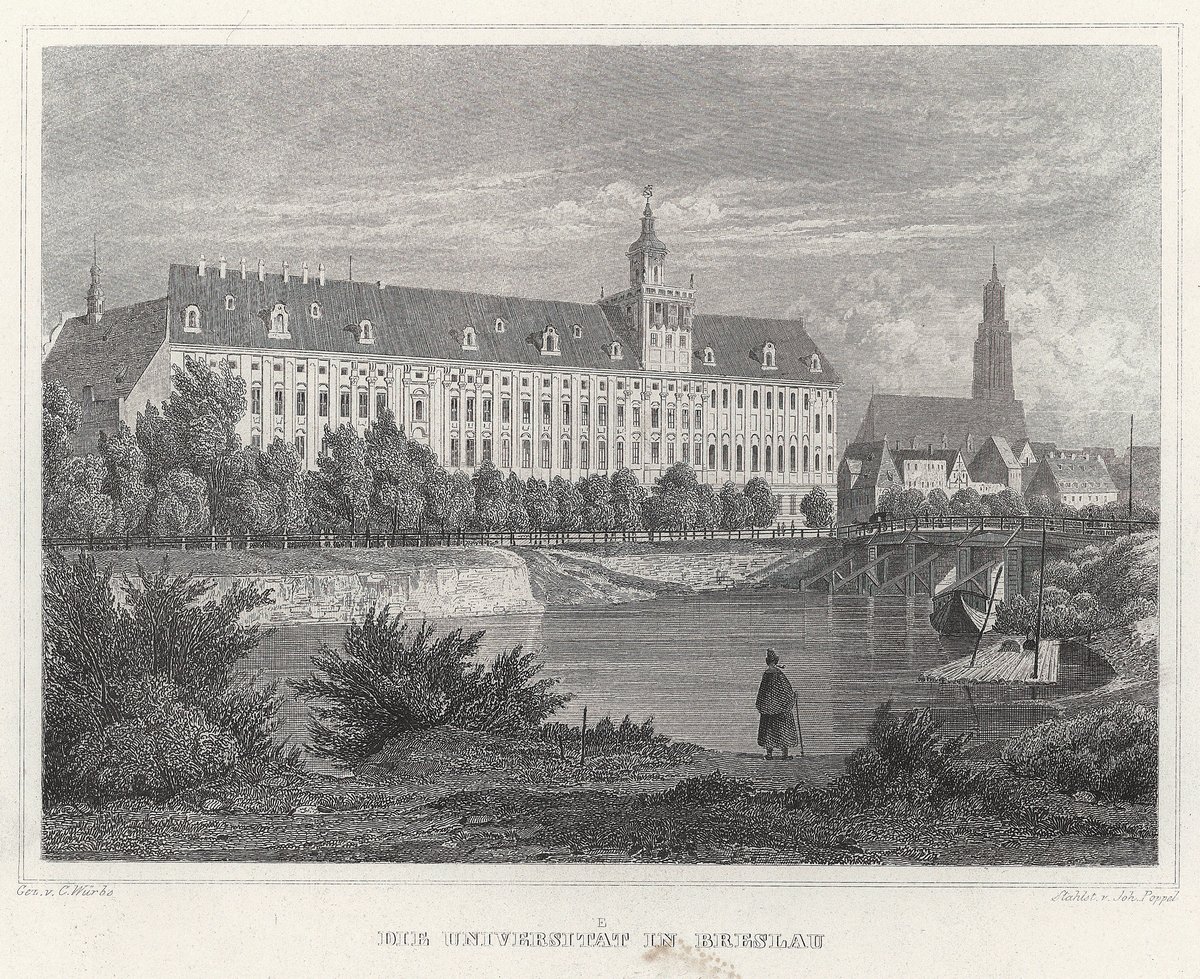
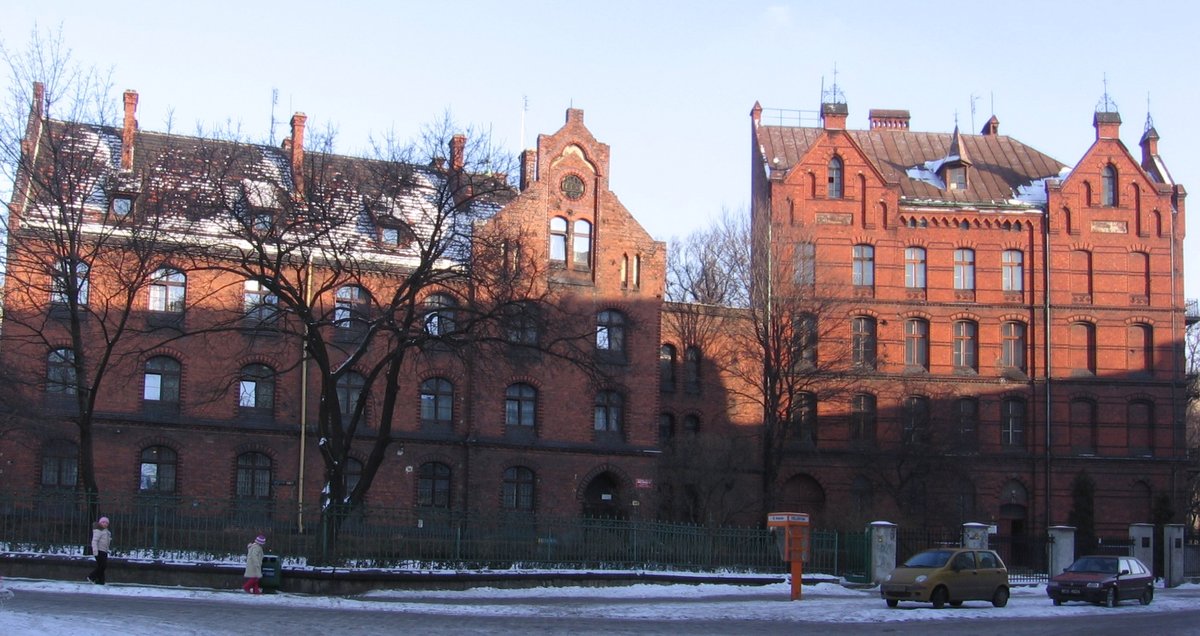
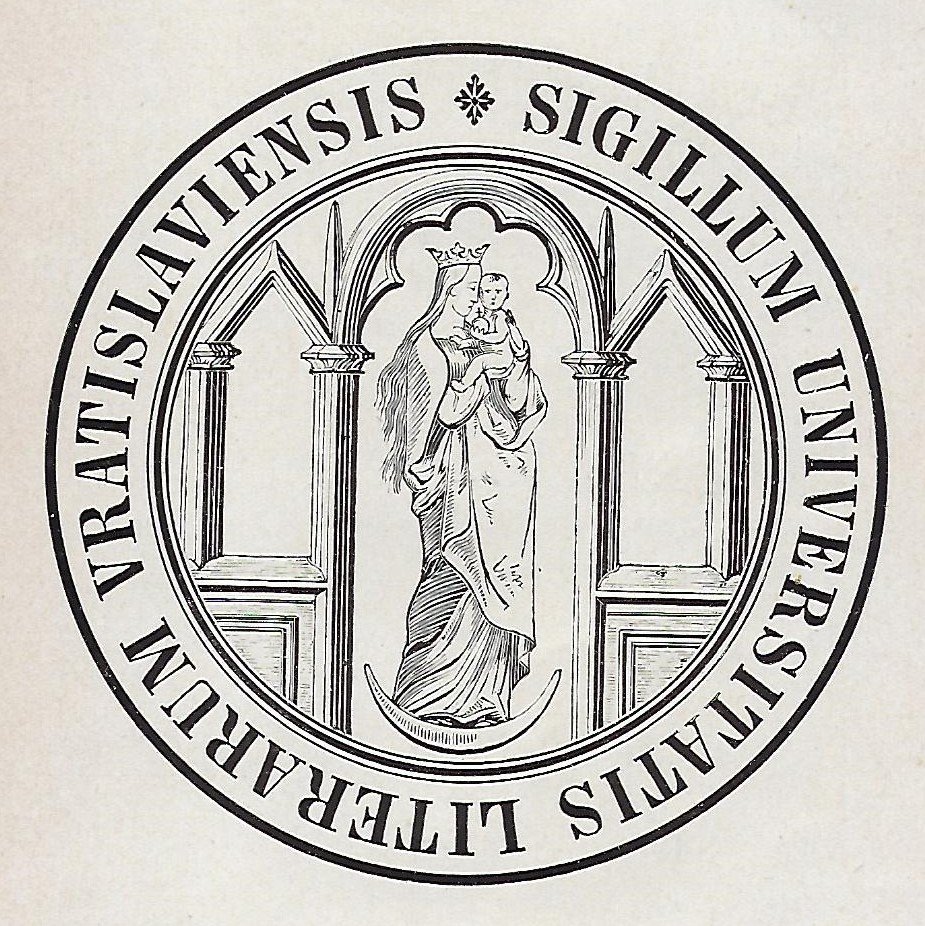
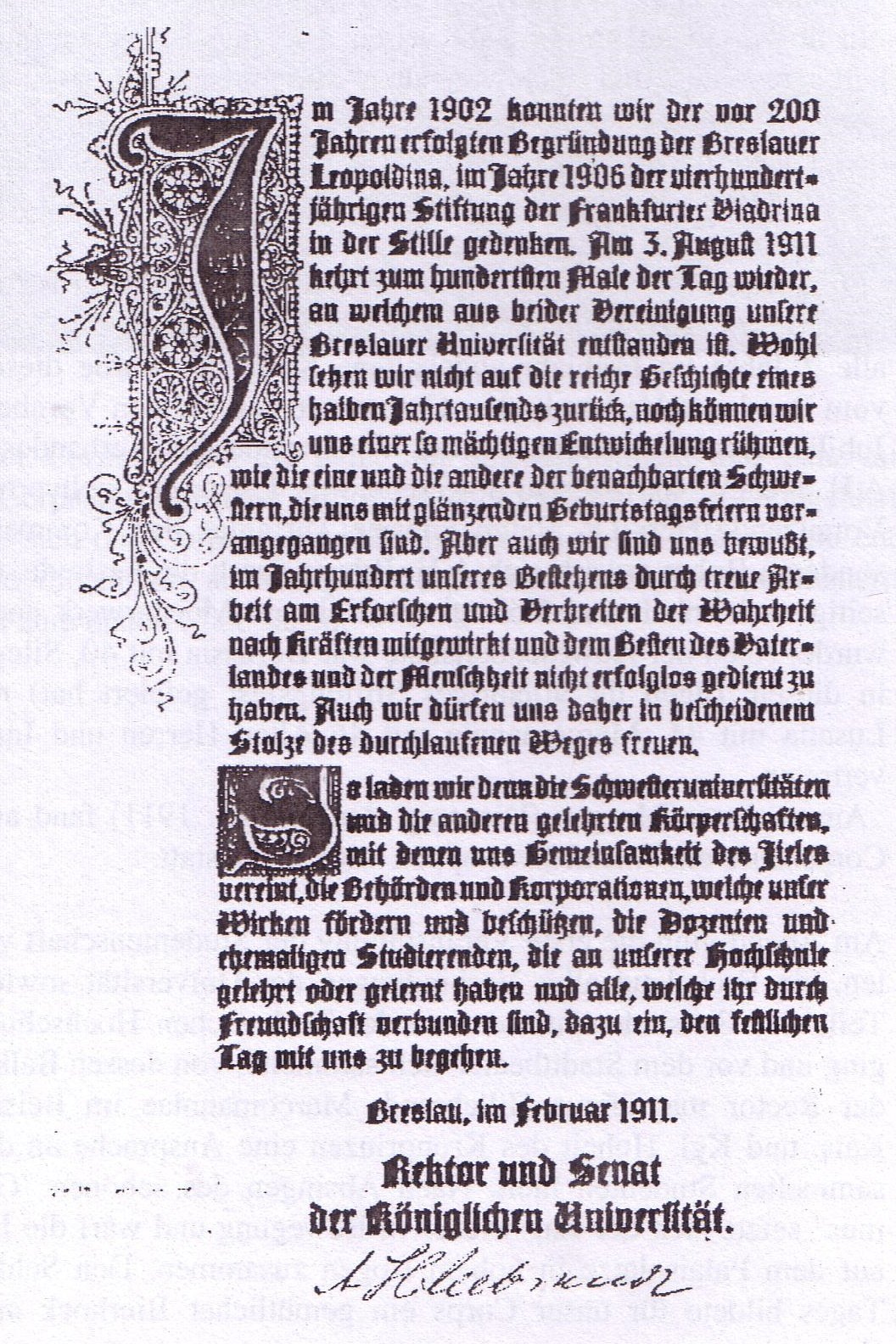
After Prussian annexation, the university merged with Viadrina University in 1811, becoming the Royal University of Breslau. This marked its transition to a secular, multi-faculty institution, with the Baroque main building and Aula Leopoldina emerging as city landmarks (Museum of the University of Wrocław).
20th Century and Modern Era
World War II disrupted the university, but it was reestablished as a Polish institution in 1945. Academics and students from the former Jan Kazimierz University of Lwów contributed to its postwar renewal (UWr History). Today, it is the largest higher education institution in Lower Silesia, with a broad international reputation and a legacy of nine Nobel laureates (Leverage Edu; EduRank).
Architectural and Cultural Highlights
Main Building and Aula Leopoldina
The university’s main building (1728–1740) is a Baroque masterpiece, with the Aula Leopoldina as its ceremonial heart. The hall features elaborate frescoes, gilded stucco, and sculptures by artists such as Johann Christoph Handke and Franz Joseph Mangoldt. Its allegorical ceiling fresco and symbolic emblems reflect the university’s dynastic and regional heritage (uwr.edu.pl).
Mathematical Tower
The 18th-century Mathematical Tower, once an astronomical observatory, offers sweeping views of Wrocław’s Old Town and the Oder River. Its Baroque sculptures and Enlightenment-era heritage make it a highlight for visitors (thethoroughtripper.com).
Oratorium Marianum and University Church
The Oratorium Marianum, a former Jesuit chapel, now serves as a concert and exhibition hall. Adjacent to the main building, the University Church of the Blessed Name of Jesus is renowned for its ornate Baroque façade and interior (inyourpocket.com).
Visiting the University of Wrocław
Location and Access
- Address: pl. Uniwersytecki 1, 50-137 Wrocław, Poland
- Getting There: Central location; accessible by tram, bus, or a 15-minute walk from Wrocław Główny railway station (uwr.edu.pl).
Visiting Hours
- Museum and Main Building: Typically open Tuesday to Sunday, 10:00 AM–5:00 PM. Last entry 30 minutes before closing.
- Aula Leopoldina and special halls: Subject to closure during university events or restoration—always verify on the museum’s website.
Ticket Information
- Standard Ticket: 20–30 PLN (covers main attractions).
- Discounted Ticket: 10–20 PLN (students, seniors, children).
- Combination Passes: Available for multiple attractions.
- Purchase: On-site or online via muzeum.uni.wroc.pl.
Guided Tours
- Languages: Polish and English.
- Booking: Recommended in advance for groups or special language needs.
- Tour Content: Covers university history, art, architecture, and Nobel laureates.
Accessibility
- Wheelchair Access: Main building and museum are accessible; the Mathematical Tower involves stairs.
- Assistance: Contact the museum in advance for special accommodations (uwr.edu.pl).
Facilities
- Restrooms, cloakroom, and gift shop available within the museum.
- Photography: Non-flash allowed in most areas; check for restrictions during events.
Museum of the University of Wrocław
The museum, located within the main building, offers exhibits on the university’s academic and cultural history. Key highlights include:
- Aula Leopoldina: Baroque ceremonial hall.
- Mathematical Tower: Observatory with city views.
- Oratorium Marianum: Venue for concerts and exhibitions.
- Permanent Exhibitions: Academic regalia, scientific instruments, archival documents.
Allow 1.5–2 hours for a comprehensive visit.
Nearby Attractions
- Market Square (Rynek): Vibrant Old Town with Gothic and Renaissance buildings.
- Wrocław Cathedral: Gothic masterpiece on Ostrów Tumski.
- Ossolineum Library: Major Polish scientific library.
- St. Elizabeth’s Church: Panoramic city views from its tower.
- Jatki (The Shambles): Historic street with art galleries.
Combine your visit to the university with these sites for a full Wrocław experience (theplaceswherewego.com).
Practical Information and Visitor Tips
- Public Transport: Wrocław is walkable, but trams and buses are available. Consider a URBANCARD for discounted fares.
- Accommodation: Hotels, hostels, and apartments are plentiful near the university (international.uni.wroc.pl).
- Accessibility: Contact the museum for mobility needs; ramps and elevators serve main areas.
- Best Visiting Times: Weekdays and mornings are less crowded.
- Dress Code: Respectful attire is recommended.
- Wi-Fi: Free in most university and public spaces.
- Emergencies: Nearby hospitals and banks are available; see international.uni.wroc.pl for details.
Frequently Asked Questions (FAQ)
Q: What are the University of Wrocław visiting hours?
A: Tuesday–Sunday, 10:00 AM–5:00 PM; check the museum website for updates.
Q: How much do tickets cost?
A: Standard: 20–30 PLN; discounted: 10–20 PLN. Combination passes available.
Q: Are guided tours available in English?
A: Yes, but pre-booking is recommended.
Q: Is the university accessible for visitors with disabilities?
A: Most main areas are accessible; the Mathematical Tower is not.
Q: Can I buy tickets online?
A: Yes, via the museum’s website.
Q: Are there special events or concerts open to the public?
A: Yes, including the Lower Silesian Science Festival and concerts in the Aula Leopoldina.
Summary and Key Tips
- The University of Wrocław is a must-visit for lovers of history, architecture, and culture.
- Plan ahead: Check for closures, book tickets and tours online, and arrive early to avoid crowds.
- Explore nearby historical sites for a richer Wrocław experience.
- Accessibility is generally good, but some areas require stairs.
- For real-time updates and guided content, download the Audiala app.
Listen to the full story in the app
The whole University Of Wrocław,
told well.
Audio guides for 1,100+ cities across 96 countries. History, stories, and local insight — offline ready.
Verified, and shown.
Researched and written by the Audiala editorial team from historical records, architectural archives, and local expertise.
Researched from Wikidata, Wikipedia & official sources · fact-checked · How we make our guides →