Introduction to Rynek Wrocław
Located at the heart of Wrocław, Poland, Rynek Wrocław is one of Europe’s largest and most spectacular medieval market squares. Established in the 13th century, following the city’s reconstruction after the Mongol invasion, Rynek has become a symbol of the city’s resilience and multicultural history. The square seamlessly blends Gothic, Renaissance, Baroque, and Neoclassical architectural styles, with landmarks such as the Gothic Old Town Hall and the vibrant, historic townhouses that form its perimeter.
Rynek’s role extends beyond architecture; it has served as Wrocław’s center for commerce, community events, and cultural festivals. Today, it remains the city’s social and economic core, hosting celebrated events like the Wrocław Christmas Market and Busker Festival. This guide offers a detailed overview of Rynek’s history, must-see attractions, visiting hours, ticketing information, and practical tips to help you experience this iconic Polish destination to the fullest. For more in-depth exploration, refer to Market Square Wrocław: A Complete Guide and Rynek Wrocław: Visiting Hours, Tickets, and Exploring Wrocław's Historic Market Square.
Photo Gallery
Explore Rynek in Pictures
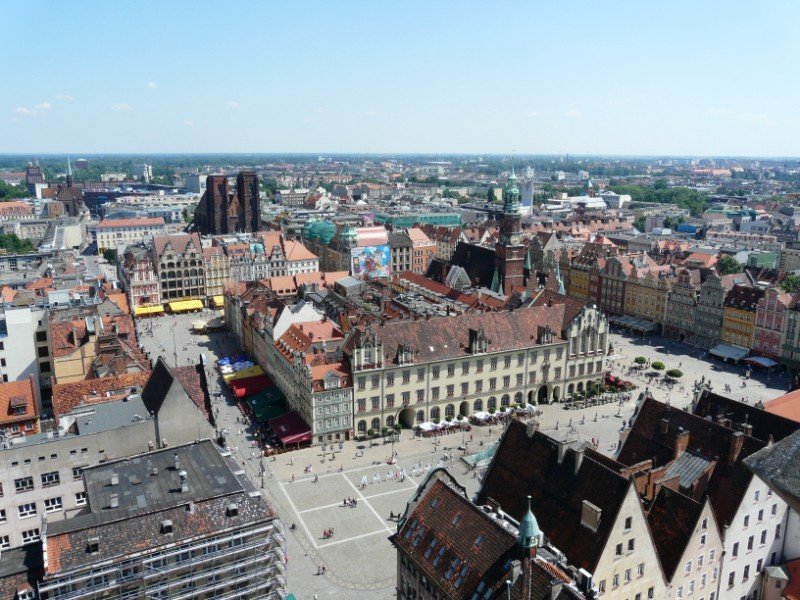
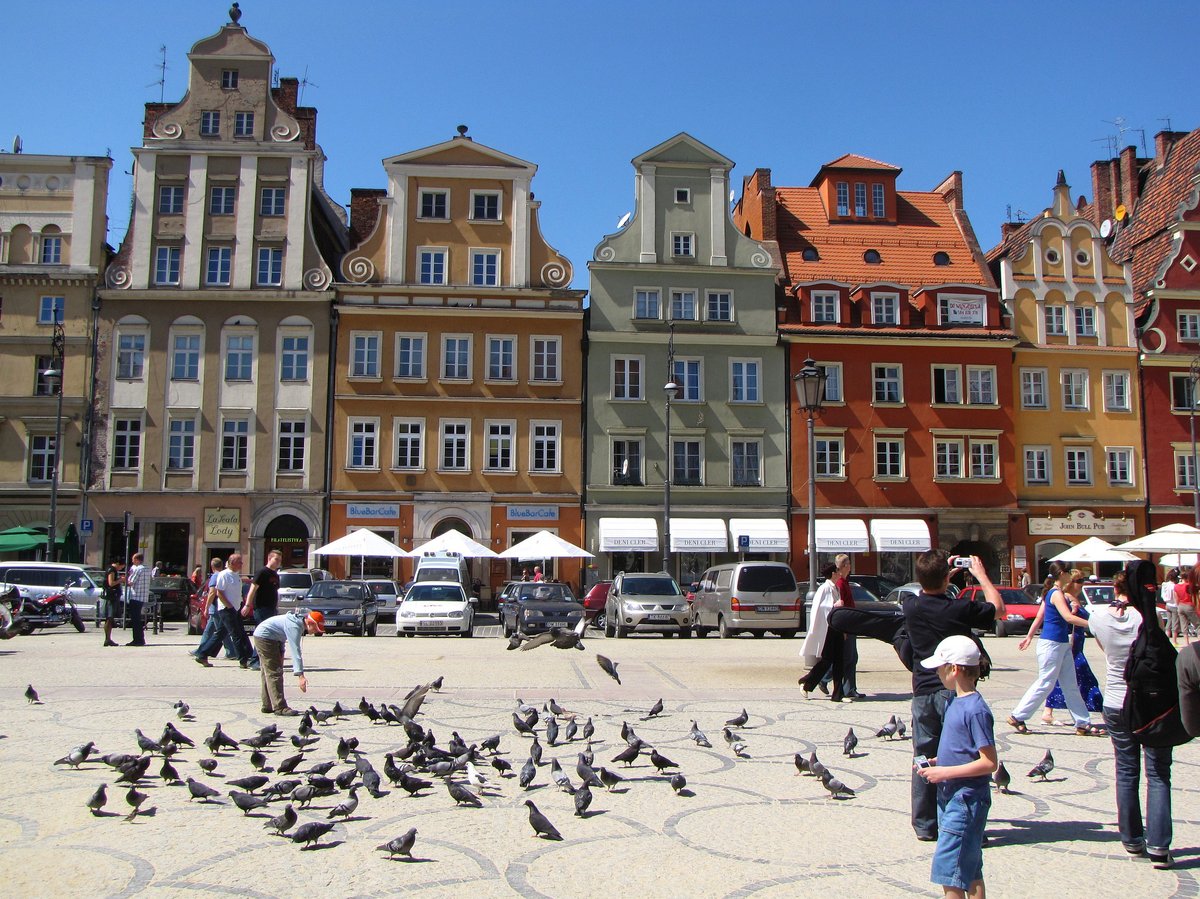
The Main Market Square (Główny Rynek) in Wroclaw, Poland, showcasing historic architecture, colorful facades, and a lively city center.
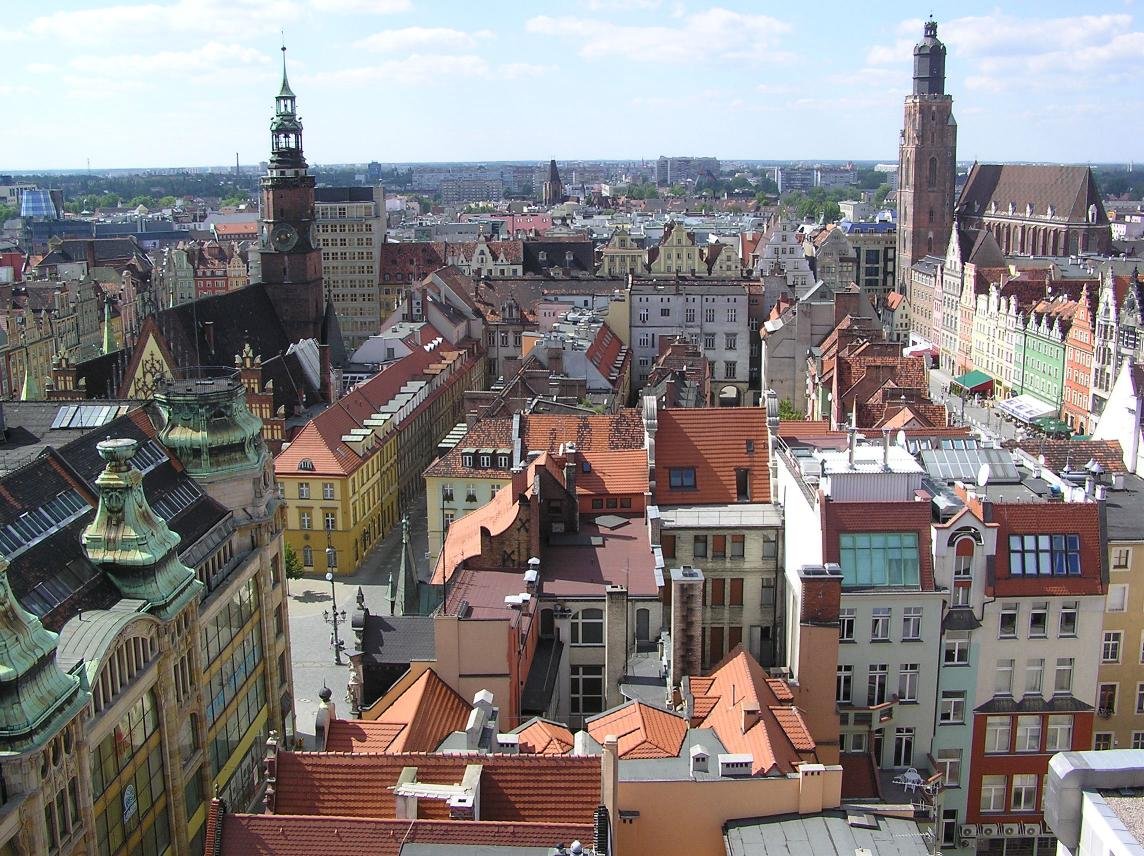
A scenic view of Wrocław Market Square captured from Mostek Czarownic, showcasing vibrant historic buildings and bustling street life in the city center
Medieval Origins and Urban Layout
Rynek was laid out in the 13th century as Wrocław’s new urban and commercial hub after the Mongol invasion. Its nearly rectangular shape (about 213 by 178 meters) and central block of buildings typify medieval city planning, designed to facilitate trade and civic life. The square’s unique alignment and proportions reflect its organic growth as the city expanded (Wikipedia; localhistories.org).
Architectural Evolution
Gothic Foundations
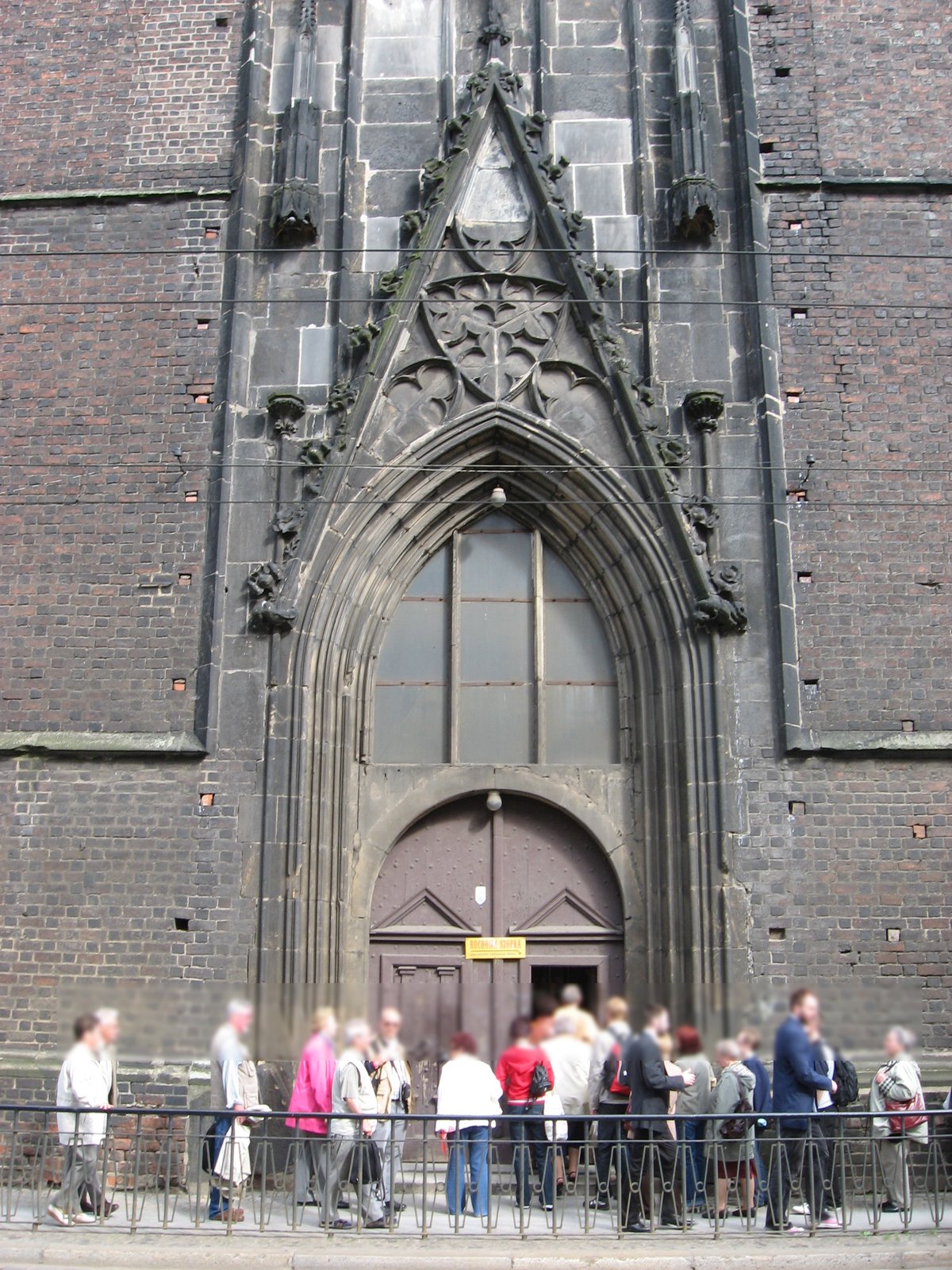
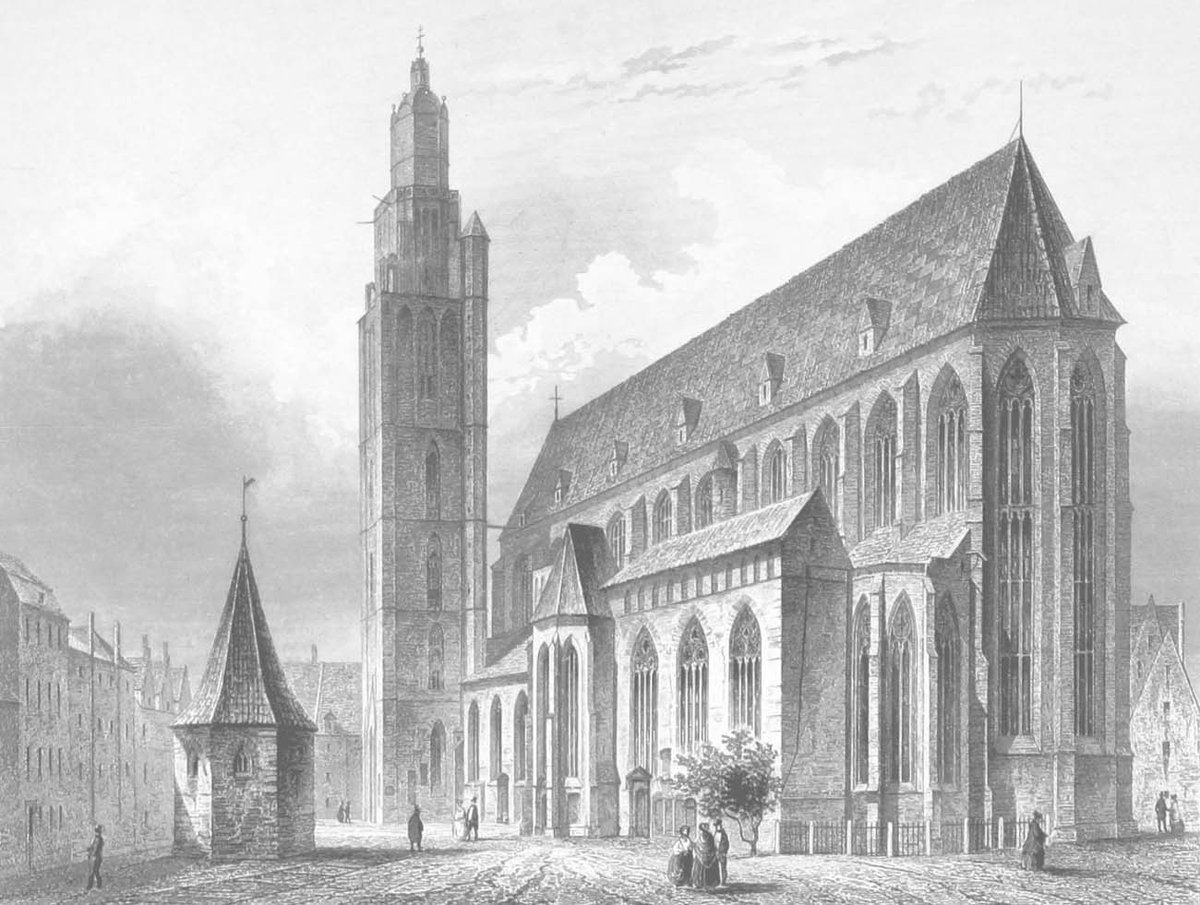
The earliest structures, including the Old Town Hall (Ratusz) and St. Elizabeth’s Church, exemplify Gothic architecture. The Town Hall, with its ornate eastern façade and astronomical clock (added in 1580), is one of the city’s most distinctive landmarks (wroclawguide.com).
Renaissance, Baroque, and Modern Developments
In the 16th and 17th centuries, Rynek’s architecture evolved with the addition of Renaissance and Baroque elements—decorative gables, portals, and ornate facades. The 19th and early 20th centuries saw modernization and the construction of the New Town Hall, reflecting Historicism and Modernism. Post-WWII restorations focused on preserving the square’s aesthetic, complemented by contemporary features like the glass fountain “Zdrój,” installed in 2000 (Wikipedia; wroclawguide.com).
Cultural and Civic Significance
Rynek has long been Wrocław’s commercial, social, and political center. Historically, it hosted cloth halls, merchant stalls, and trade fairs, benefiting from its proximity to the Oder River. Over centuries, the square reflected the city’s shifting allegiances—Polish, Czech, Habsburg, Prussian, and German—creating a unique multicultural tapestry (localhistories.org).
The Rynek is also the stage for major public events, from medieval executions to modern demonstrations and parades. Festivals such as the Christmas Market and Good Beer Festival continue this tradition, drawing locals and tourists alike (wroclaw.pl; wroclawguide.com).
Visiting Information
Opening Hours
- Rynek (Market Square): Open 24/7 as a public space.
- Old Town Hall Museum: Usually open Tuesday–Sunday, 10:00–18:00.
- St. Elizabeth’s Church Tower: Daily, 10:00–17:00.
- Other Attractions: Hours vary; check official websites for current details.
Tickets and Guided Tours
- Rynek Square: Entry is free.
- Museums & Towers: Tickets required (e.g., Old Town Hall Museum ~15 PLN, St. Elizabeth’s Tower ~10 PLN).
- Guided Tours: Walking tours are widely available and recommended for deeper insight into Rynek’s history and architecture (Poland Travel Tours).
Accessibility
Rynek is pedestrianized and mostly flat, although cobblestones may pose minor challenges. Most major sites and restaurants have accessible entrances, but some historic buildings may have limited access. Public transport and parking are available nearby, but parking in the immediate vicinity is limited (nomadicsamuel.com).
Travel Tips
- Best Time to Visit: Late spring to early autumn for mild weather and fewer crowds. The Christmas Market (late November–December) is particularly festive.
- Safety: The area is safe and well-patrolled; standard precautions apply.
- Language: English is widely spoken in tourist areas.
- Currency: Polish złoty (PLN); cards are accepted, but carry some cash for small vendors.
Nearby Attractions
- Plac Solny (Salt Square): Flower market, cafés, Baroque facades.
- St. Elizabeth’s Church: Tower offers panoramic views.
- Jatki (The Shambles): Art galleries, bronze animal monument.
- Four Denominations District: Religious and cultural diversity.
- Ostrów Tumski: Wrocław’s oldest area with the Cathedral.
- Oder River Cruises: Unique city views (sunshineseeker.com).
Notable Landmarks
- Old Town Hall (Ratusz): Gothic masterpiece with astronomical clock and the Museum of Bourgeois Art (visitwroclaw.eu).
- New Town Hall: 19th-century administrative building.
- Cloth Hall (Sukiennice): Historic textile market, now shops and cafés.
- Colorful Townhouses: Unique facades, including the “Hansel and Gretel” houses.
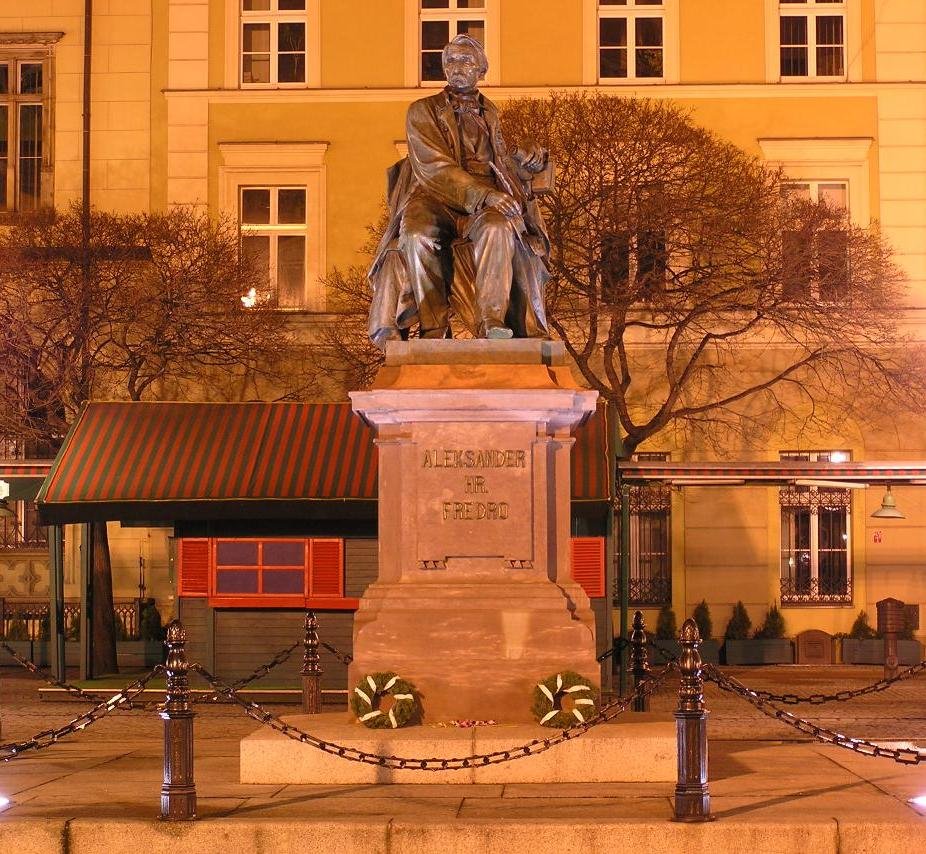
- Pillory and Aleksander Fredro Monument: Historic symbols and meeting points.
- Glass Fountain “Zdrój”: Modern art symbolizing Rynek’s blend of old and new.
- Wrocław Dwarfs (Krasnale): Over 300 bronze statues scattered around the square, providing a playful scavenger hunt for visitors (sunshineseeker.com).
Archaeology and Preservation
Renovations in the 1990s uncovered medieval foundations of the Great Scales and cloth halls, informing ongoing conservation efforts. Post-war restorations aimed to recover Rynek’s original character while integrating new discoveries (Wikipedia).
Dining and Events
Culinary Scene
Rynek boasts over 70 restaurants, cafés, and bars, offering everything from traditional Silesian cuisine to international dishes. Notable options include:
- Bernard: Modern European fare and craft beers with prime square views (Eatzon).
- Pierogarnia Rynek 26: Classic Polish dumplings (Gdziejemy.pl).
- Vega: Historic vegetarian restaurant.
- Królestwo Ziemniaka: Potato-themed Polish comfort food.
Outdoor terraces are especially popular in summer, and many venues offer lunch specials. Reservations are advised during weekends and major events (Wroclawturysta.pl).
Major Annual Events
- Wrocław Christmas Market: Late November–December, featuring festive stalls and performances (Wroclaw Explorer).
- Busker Festival: July; street performers from around the world.
- Guitar Guinness World Record: May; largest guitar ensemble event.
- Dni Wrocławia: June; city parades and concerts.
- Europa na widelcu: Culinary festival showcasing European flavors.
Rynek also hosts open-air concerts, art exhibitions, and seasonal festivals, making it a year-round destination (Wroclawturysta.pl).
Frequently Asked Questions (FAQ)
Q: What are Rynek Wrocław’s visiting hours?
A: The square is open 24/7. Museums and attractions have individual hours, generally 10:00–18:00.
Q: Are there entrance fees for Rynek?
A: Access to the square is free. Entry to museums and towers requires tickets.
Q: Is Rynek accessible for wheelchair users?
A: The square is pedestrianized and mostly accessible, but cobblestones may be challenging.
Q: When is the best time to visit Rynek?
A: Visit during major festivals, summer weekends, or the Christmas Market for vibrant atmosphere.
Q: Are guided tours available?
A: Yes, guided walking tours are available in several languages and can be booked online or at tourist offices.
Visuals and Interactive Media
Enhance your visit with virtual tours, interactive maps, and high-quality images available on official tourism websites and apps like Audiala. These tools help visitors locate key sites—including the popular dwarf statues—and plan optimal photography spots. Use keyword-rich alt tags such as "Rynek Wrocław visiting hours" and "Wrocław historical sites" for images.
Listen to the full story in the app
Your Personal Curator, in Your Pocket.
Audio guides for 1,100+ cities across 96 countries. History, stories, and local insight — offline ready.
Audiala App
Available on iOS & Android
Join 50k+ Curators
Sources
- verified
- verified
- verified
- verified
- verified
- verified
- verified
- verified
- verified
- verified
- verified
Last reviewed: