Introduction
Located on the northern outskirts of Wrocław, Poland, the Rędzin Weir (Polish: Jaz Rędziński) is a vital historical and engineering monument that encapsulates the city’s deep connection with the Oder River. This structure combines critical urban functions—such as flood control, navigation, renewable energy generation, and ecological balance—with scenic riverside beauty and proximity to notable landmarks like the Rędziński Bridge and Wrocław’s historic Old Town. While primarily operational infrastructure, the site offers a unique vantage point into Wrocław’s hydrological heritage and is accessible to visitors seeking history, engineering marvels, or tranquil natural environments (visitwroclaw.eu; waterpowermagazine.com; onwater.pl).
This guide details the Rędzin Weir’s historical development, technical features, practical visitor information (hours, accessibility, tickets), travel tips, and highlights nearby attractions to help you make the most of your visit.
Historical Development in Wrocław’s Context
The Strategic Importance of the Oder River
The Oder River (Odra) has shaped Wrocław for centuries, influencing its urban form, economy, and infrastructure. With over 100 bridges and numerous islands, Wrocław is sometimes called the “Venice of Poland” (visitwroclaw.eu). The river’s unpredictable flow, however, has historically threatened the city with floods, prompting the construction of weirs, locks, and embankments for both protection and navigation.
Construction and Historical Milestones
The Rędzin Weir was constructed between 1913 and 1917, with further expansions until 1926, as part of larger efforts to regulate the Oder during a period of industrial and urban growth (aroundus.com). It became a crucial component in controlling water levels, enabling safe navigation and preventing devastating floods like those in 1903 and 1997 (en.wikipedia.org). The weir was notably reconstructed by French prisoners of war during WWII, a fact commemorated by a local plaque, reflecting the site’s multicultural and historical layers (pl.wikipedia.org).
Engineering Significance and Features
Structural Design and Modernization
- Movable Steel Gates: The weir’s adjustable gates regulate water flow, adapting to seasonal changes and flood events.
- Reinforced Construction: Durable concrete and steel provide resilience against erosion and high water pressures.
- Integration with Locks: Adjacent lock facilities enable vessels to bypass the weir, supporting commercial and recreational navigation (visitwroclaw.eu).
- Modern Upgrades: Post-1997 flood modernization introduced automated gate controls, stronger embankments, and integration with citywide flood defense systems (waterpowermagazine.com).
The weir also supports hydroelectric energy production and features fish passes to maintain ecological connectivity (tracomfrp.com).
Visiting Rędzin Weir: Practical Information
Hours, Tickets, and Accessibility
- Visiting Hours: The Rędzin Weir is accessible year-round from public areas, best visited during daylight (approx. 8:00 AM–8:00 PM).
- Tickets: No entrance fee is required. The structure itself is restricted for safety, but excellent views are available from surrounding paths and bridges.
- Accessibility: Paved walkways and ramps make many vantage points accessible to those with mobility impairments. Some areas remain uneven; check with local tourist resources for up-to-date accessibility details.
Guided Tours and Recreation
- Guided Tours: While no regular tours are scheduled, local organizations occasionally offer educational walks and events, especially during city-wide festivals or special occasions (onwater.pl).
- Recreation and Photography: The Rędzin Bridge provides panoramic river views ideal for photography. Riverside parks and trails nearby invite walking, cycling, birdwatching, and picnicking.
Visitor Facilities
- Amenities: The site lacks dedicated visitor centers, food vendors, or restrooms. Bring refreshments and use facilities in adjacent neighborhoods.
- Safety: Stay behind barriers and heed warning signs; swimming is prohibited. The area is generally safe but exercise caution during early or late hours (HikersBay).
Nearby Attractions and Travel Tips
- Rędziński Bridge: Poland’s tallest and longest bridge, offering sweeping city and river views.
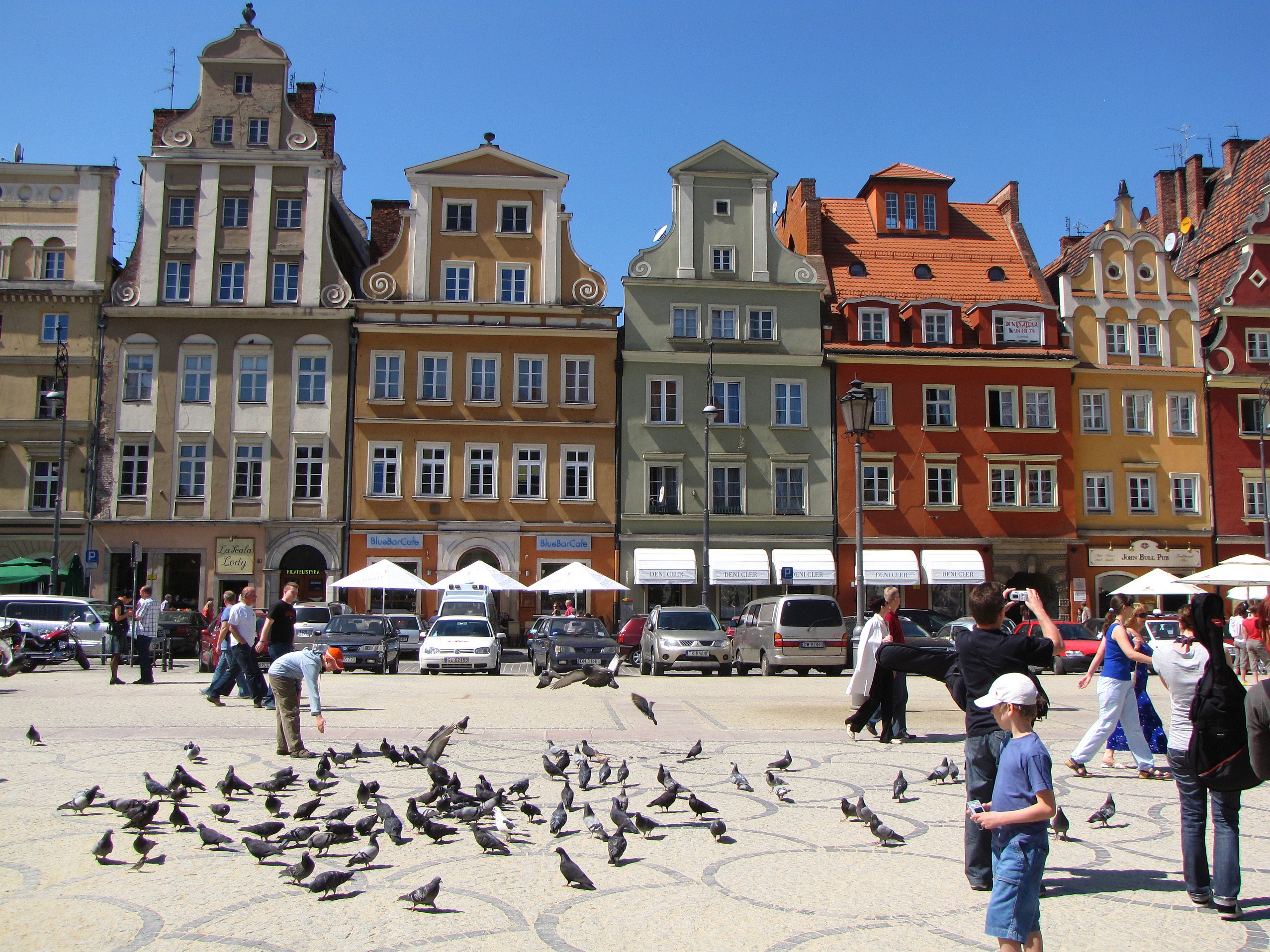
- Wrocław Old Town: Historic Market Square, Gothic architecture, and museums.
- Szczytnicki Park & Japanese Garden: Easily accessible by bike, these green spaces offer relaxation and scenic beauty (Sunshine Seeker).
- Hydropolis Museum: An interactive center on water’s role in society, complementing your understanding of the weir.
Travel Tips:
- Public transport (buses, trams) conveniently links the city center to the Rędzin area (WroclawGuide.com).
- Carry small cash for public transport and parking; not all ticket machines accept cards (Destination Abroad).
- Bring a camera and insect repellent in summer.
Frequently Asked Questions (FAQ)
Q: Are there entrance fees or tickets required?
A: No, the weir is freely accessible from public areas.
Q: What are the visiting hours?
A: Open year-round during daylight hours (approx. 8:00 AM–8:00 PM).
Q: Is the area wheelchair accessible?
A: Many paths are paved and accessible, though some terrain is uneven. Check with local resources for current information.
Q: Are guided tours available?
A: Occasional tours are offered by local organizations, often during special events.
Q: Can I bring my dog?
A: Yes, dogs are permitted but must be leashed.
Q: Is it safe to swim near the weir?
A: Swimming is strictly prohibited for safety reasons.
Listen to the full story in the app
Your Personal Curator, in Your Pocket.
Audio guides for 1,100+ cities across 96 countries. History, stories, and local insight — offline ready.
Audiala App
Available on iOS & Android
Join 50k+ Curators
Sources
- verified
- verified
- verified
- verified
- verified
- verified
Last reviewed: