Introduction
The Pomnik Zesłańców Sybiru (Monument to the Siberian Deportees) in Wrocław is one of Poland’s most important sites of remembrance, honoring the memory of Polish citizens forcibly deported to Siberia and other remote regions of the Soviet Union between 1939 and 1956. This monument stands not only as a testament to suffering and resilience under Soviet oppression but also as a vital educational and cultural landmark in Wrocław. Its accessible location, evocative design, and active involvement in community remembrance make it an essential destination for anyone seeking to understand Poland’s 20th-century history (Sybir Memorial Museum, Sybiracy Wrocław – Monument Details).
Historical Background
After the Soviet invasion of Eastern Poland in September 1939, under the Molotov-Ribbentrop Pact, the Soviet NKVD orchestrated multiple waves of mass deportations. From 1940 to 1941, hundreds of thousands of Poles—including entire families—were forcibly removed from their homes and transported in cattle wagons to labor camps and settlements across Siberia, Kazakhstan, and other remote Soviet regions. Estimates of total deportees range from 320,000 to over 1,000,000, with the most accepted figures around 330,000–340,000. Many died during transport or as a result of harsh conditions (Sybir Memorial Museum, polishatheart.com).
The Pomnik Zesłańców Sybiru was established to ensure that the trauma and endurance of these deportees are not forgotten, and to serve as a warning against the consequences of totalitarianism.
Monument Location and Setting
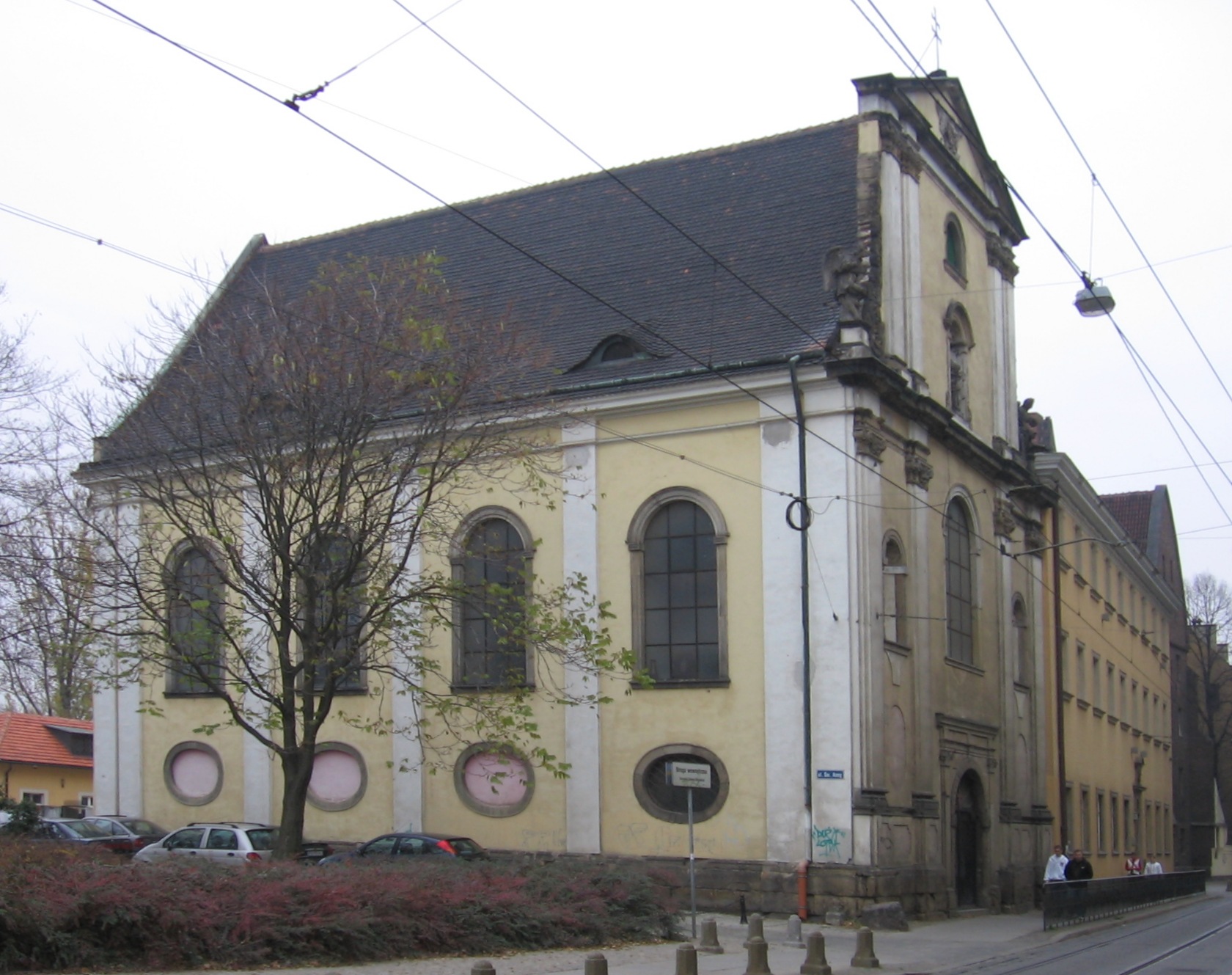
The monument is located in the heart of Wrocław at Skwer Sybiraków, near Plac Strzelecki and adjacent to the Church of St. Boniface. This central location was chosen for its accessibility and symbolic importance to the local Sybirak (Siberian Deportees) community. The surrounding green space provides a tranquil setting for reflection and commemoration (Sybiracy Wrocław – Monument Details, Głos znad Niemna).
Architectural Design and Symbolism
The monument, unveiled in 2000, was designed by sculptor Jarosław Perszko and architect Czesław Bielecki. Its most striking feature is a 12-meter-tall Latin cross piercing a concrete wall, symbolizing faith breaking through oppression and hardship.
Key Symbolic Elements
- Latin Cross: Central symbol of hope, endurance, and faith, breaking through an austere wall that represents the suffering endured by deportees.
- The Wall: Rough, imposing, and unyielding, evoking the barriers and trauma faced by the exiles.
- Foundation Stones: One from Irkutsk (Siberia) and one from Opole, both blessed by Pope John Paul II in 1997, anchoring the monument both spiritually and historically.
- Granite Inscriptions: Texts in Polish, Russian, German, and English convey the monument’s universal message.
- Poetic Reflection: A poem by Marian Jonkajtys, a Sybirak himself, entreats visitors to remember the suffering and hope of the deportees (Sybiracy Wrocław – Monument Details, grupabiwakowa.pl).
Visiting Information
Opening Hours and Admission
- Hours: Open 24 hours a day, year-round.
- Admission: Free of charge; no tickets required.
Accessibility
- Physical Access: The monument is fully accessible to wheelchairs and strollers via paved walkways. Benches and lighting make the site comfortable at any hour.
- Public Transport: Tram lines 4, 10, and 31 (stop: Plac Strzelecki) and bus lines 144 and 145 provide convenient access. Public parking and bicycle racks are also nearby.
Visitor Tips
- Best Times: Early mornings and late afternoons provide a quieter atmosphere. Major commemorative events occur on June 14 (European Day of Remembrance for Victims of Soviet Mass Deportations) and September 17 (National Day of the Siberian Deportees).
- Etiquette: Visitors are encouraged to maintain a respectful demeanor. Photography is allowed, but discretion is advised during ceremonies. Laying flowers or lighting candles is a meaningful gesture.
- Facilities: Cafés, restaurants, and public restrooms are available in the vicinity. The site is well signposted for pedestrians (Głos znad Niemna).
Nearby Attractions
The monument’s location offers easy access to other important Wrocław historical and cultural sites:
- Church of St. Boniface: Adjacent to the monument.
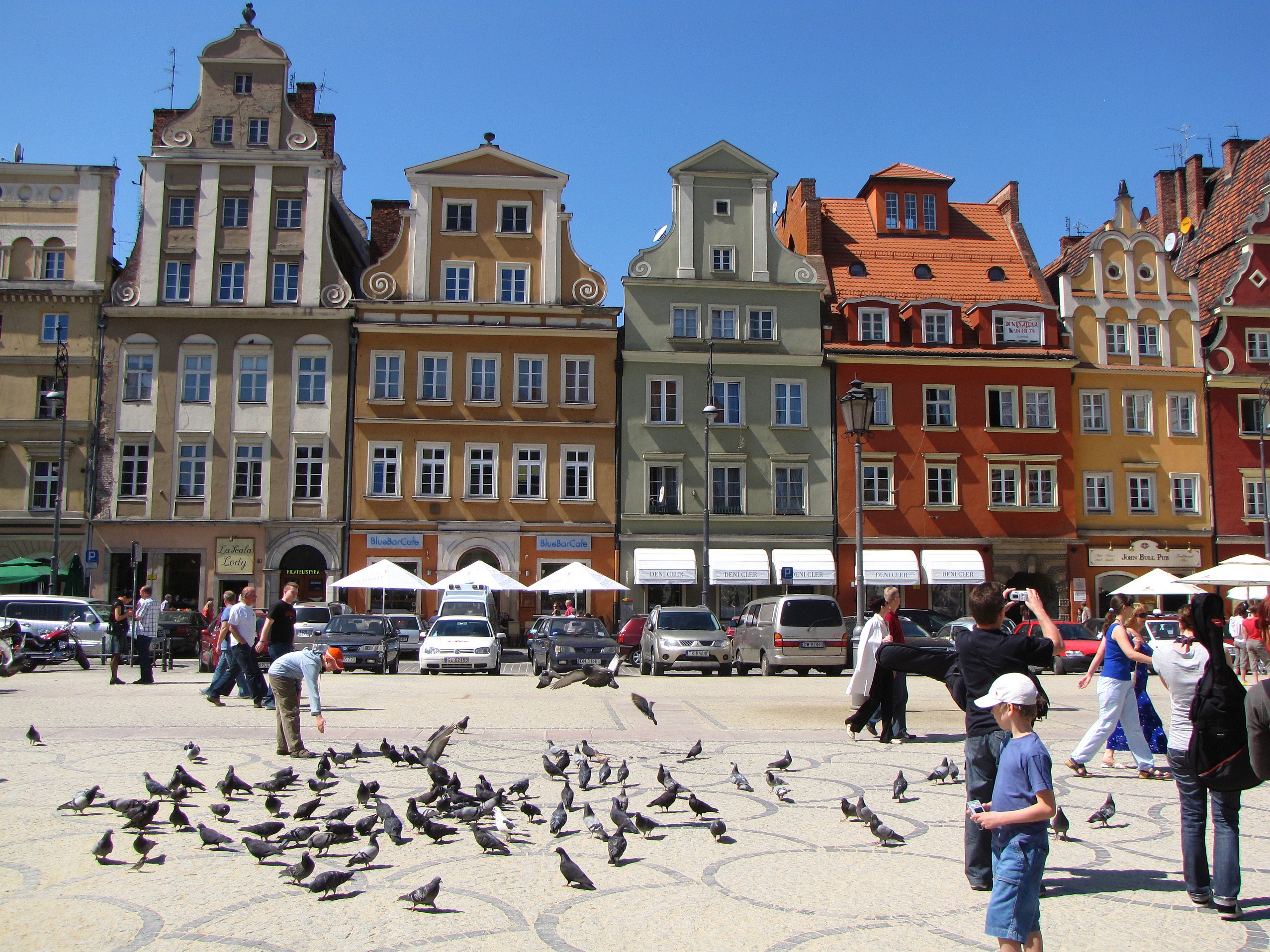
- Wrocław Old Town (Rynek): Historic main square with medieval architecture.
- Ostrów Tumski: The oldest part of the city, known for its cathedral and picturesque setting.
- Centrum Historii Zajezdnia: Museum and digital archive related to Wrocław’s modern history (Centrum Historii Zajezdnia).
Guided Tours
Local historical societies, the Związek Sybiraków (Association of Siberian Deportees), and the Ośrodek „Pamięć i Przyszłość” (Remembrance and Future Center) regularly offer guided tours. These can often be arranged in English and may include other Sybirak memory sites, such as the Sybirak Chapel and related murals (Głos znad Niemna).
Educational Materials
- Printed Guides: Publications such as "Sybirackie znaki pamięci we Wrocławiu" by Kamila Jasińska and "Wrocław szlakiem pamięci zesłańców Sybiru" are available at local cultural centers.
- Digital Resources: The Remembrance and Future Center hosts online exhibits, survivor testimonies, and historical documents. The Sybir Memorial Museum’s website offers extensive background and educational tools (Centrum Historii Zajezdnia, Sybir Memorial Museum).
- On-Site Panels: Multilingual plaques provide visitors with key historical context and information.
School and Group Programs
Wrocław’s schools and educational organizations frequently include the monument in their curricula, with workshops, survivor talks, and the “Sybirak Memory Trail” walks fostering intergenerational understanding.
Commemorative Events and Community Engagement
Annual Ceremonies
Major commemorations are held on:
- June 14: European Day of Remembrance for Victims of Soviet Mass Deportations.
- September 17: National Day of Remembrance for the Siberian Deportees.
These events include speeches, wreath-laying, performances of the Sybiraks’ Hymn, and public readings. Survivors and descendants play an active role, emphasizing the importance of memory and reconciliation (naszepismo.pl).
Community Initiatives
The Związek Sybiraków and other local groups maintain the monument and organize educational outreach, ensuring that the stories of Siberian deportees remain a living part of Wrocław’s heritage.
Frequently Asked Questions (FAQ)
Q: What are the opening hours?
A: The monument is accessible 24/7, year-round.
Q: Is there an admission fee or need for tickets?
A: No, admission is free and open to all.
Q: Is the site accessible to people with disabilities?
A: Yes, the monument is fully accessible via paved walkways.
Q: Are guided tours available?
A: Yes, local historical societies and cultural institutions offer guided tours, which can be arranged in advance.
Q: When are the main commemorative events?
A: On June 14 and September 17 each year.
Q: What else can I visit nearby?
A: Wrocław Old Town, Church of St. Boniface, Ostrów Tumski, and the Centrum Historii Zajezdnia.
Listen to the full story in the app
Your Personal Curator, in Your Pocket.
Audio guides for 1,100+ cities across 96 countries. History, stories, and local insight — offline ready.
Audiala App
Available on iOS & Android
Join 50k+ Curators
Sources
-
verified
Sybir Memorial Museum, n.d
The Museum
-
verified
Polish at Heart, n.d
Honouring the Memory of the Sybiracy – Polish Deportees to Siberia
- verified
- verified
-
verified
Grupabiwakowa.pl, n.d
Pomnik Zesłańcom Sybiru we Wrocławiu
-
verified
Naszepismo.pl, 2023
Nasza pamięć o zesłańcach na Syberię w latach 1939–1956 i przekaz potomnym
-
verified
Głos znad Niemna, 2023
We Wrocławiu ukazał się nowy informator o sybirackich znakach pamięci
- verified
Last reviewed: