Plan and listen to Osobowice Cemetery with Audiala.
Audio guide in your pocket, itinerary in your browser. Built for the way you actually visit.
Introduction
Osobowice Cemetery (Cmentarz Osobowicki) is Wrocław’s largest necropolis and a remarkable testament to the city’s layered history and multicultural heritage. Established in 1867, this sprawling burial ground in the city’s north not only reflects the evolving urban landscape but also serves as a “museum of memory,” honoring people of many faiths, social backgrounds, and historical eras. Whether you are a history enthusiast, a lover of architecture, or seeking a peaceful place of reflection, Osobowice Cemetery offers a profound, enriching experience (Wroclife, wroclawskiecmentarze.pl, trek.zone).

Origins and Establishment
Founded in response to Wrocław’s rapid 19th-century growth—when the city was still Breslau under German administration—Osobowice Cemetery was designed as a park-like, multi-faith burial ground. Its original layout featured spacious avenues, tree-lined paths, and clearly marked sections for different religious and ethnic groups, reflecting both the city’s diversity and contemporary European trends in urban development.
Development, Expansion, and Transformation
The cemetery expanded throughout the late 19th and early 20th centuries, evolving to accommodate Wrocław’s growing and changing population. Large family tombs, ornate mausoleums, and chapels were added, many displaying the prevailing architectural styles of their time. The interwar period saw further additions and auxiliary buildings.
Osobowice’s story is intimately tied to the upheavals of the 20th century. The two World Wars left deep marks—dedicated military sections, war memorials, and the transformation of the cemetery after 1945, when Wrocław shifted from German to Polish hands. German graves became untended, new Polish graves appeared, and sections for victims of Nazi and Stalinist atrocities were added, making Osobowice a vital witness to the city’s tumultuous past (Wroclife).
Notable Features and Sections
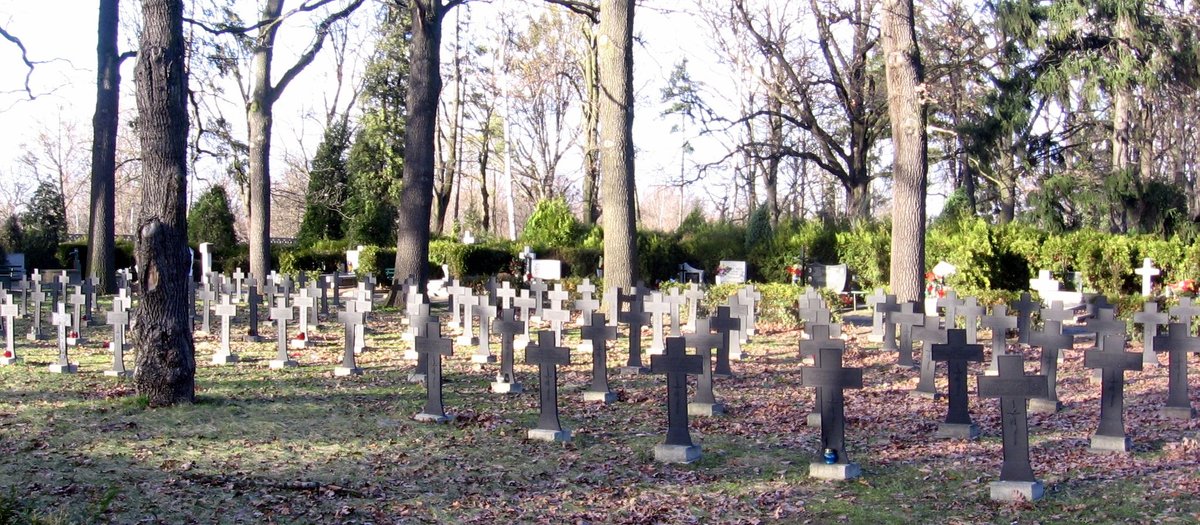
- Military Sections: Graves of Polish, German, and Soviet soldiers from both World Wars, marked by uniform headstones and poignant monuments.
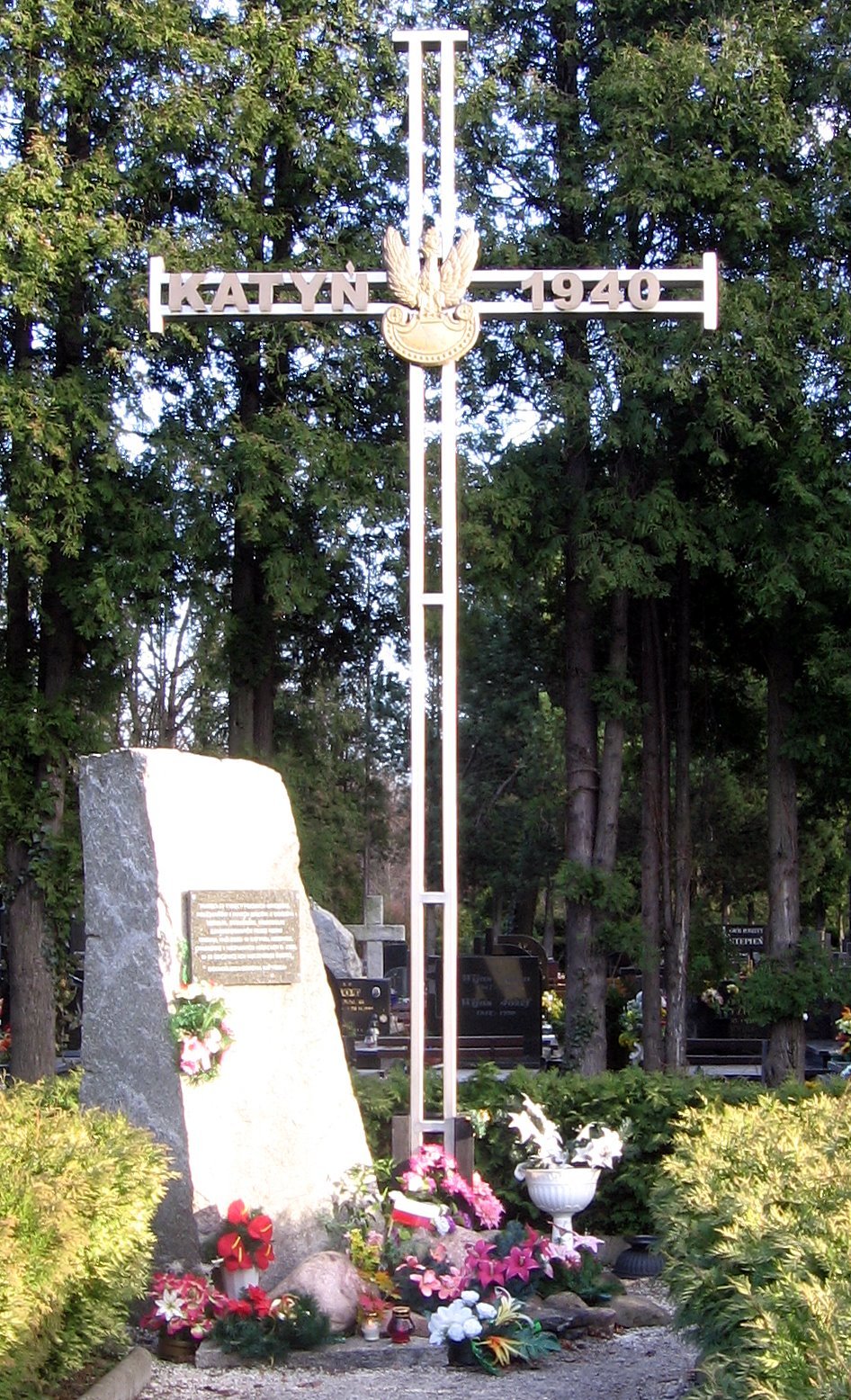
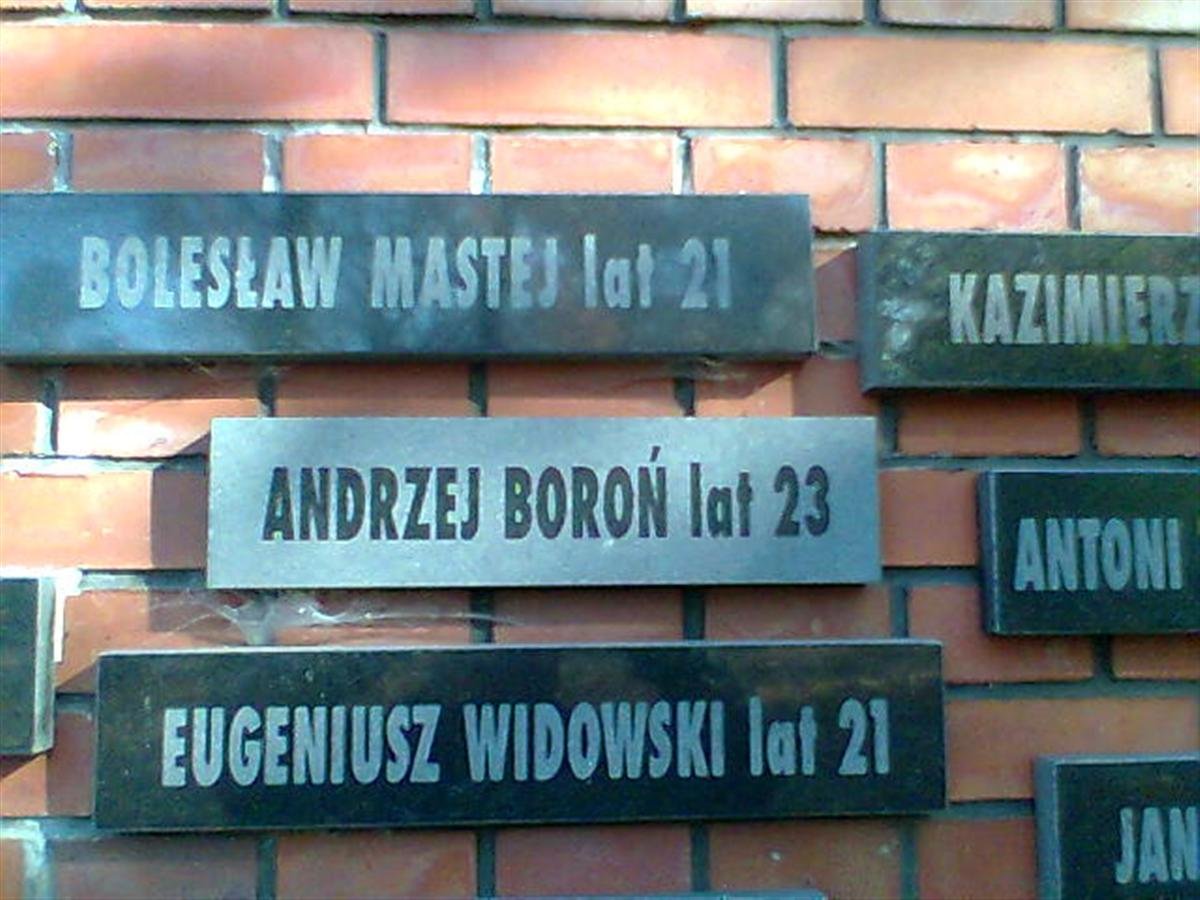
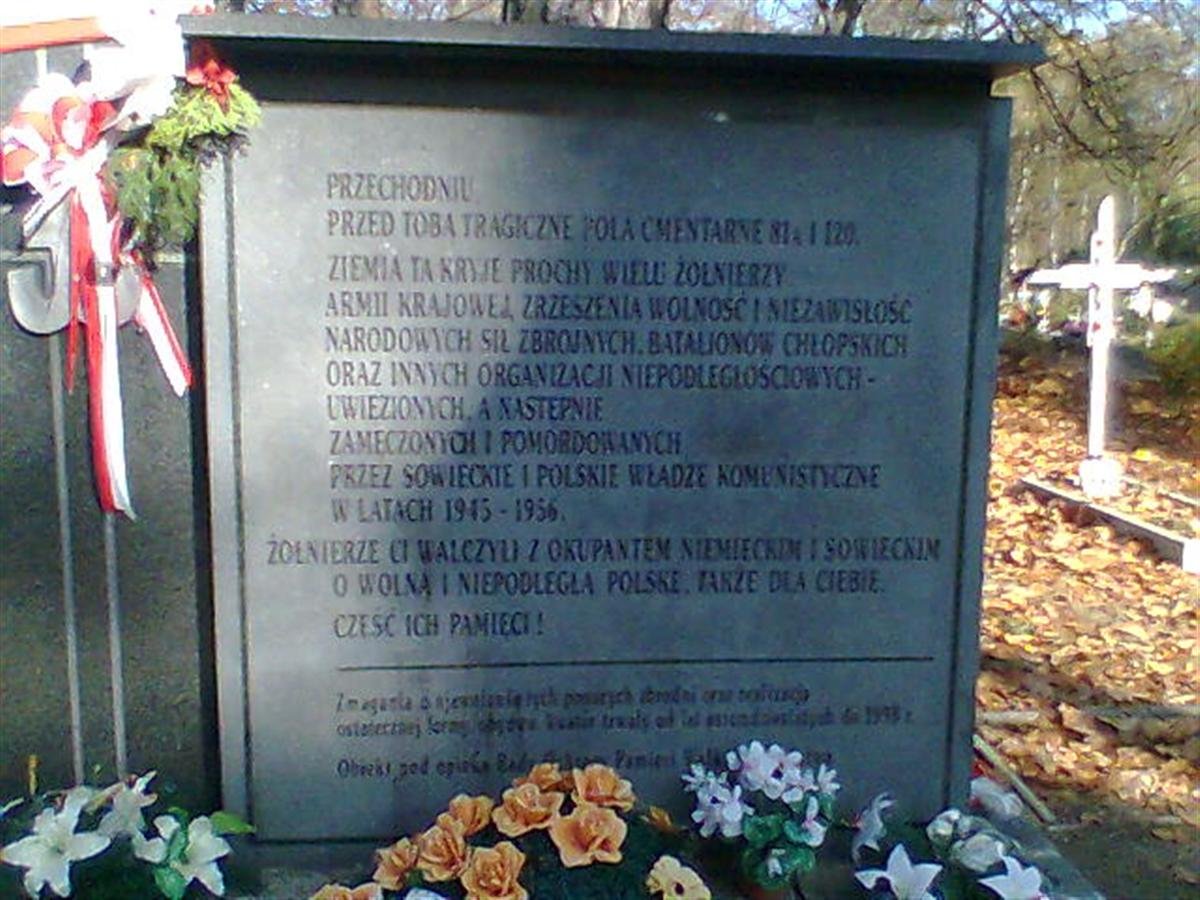
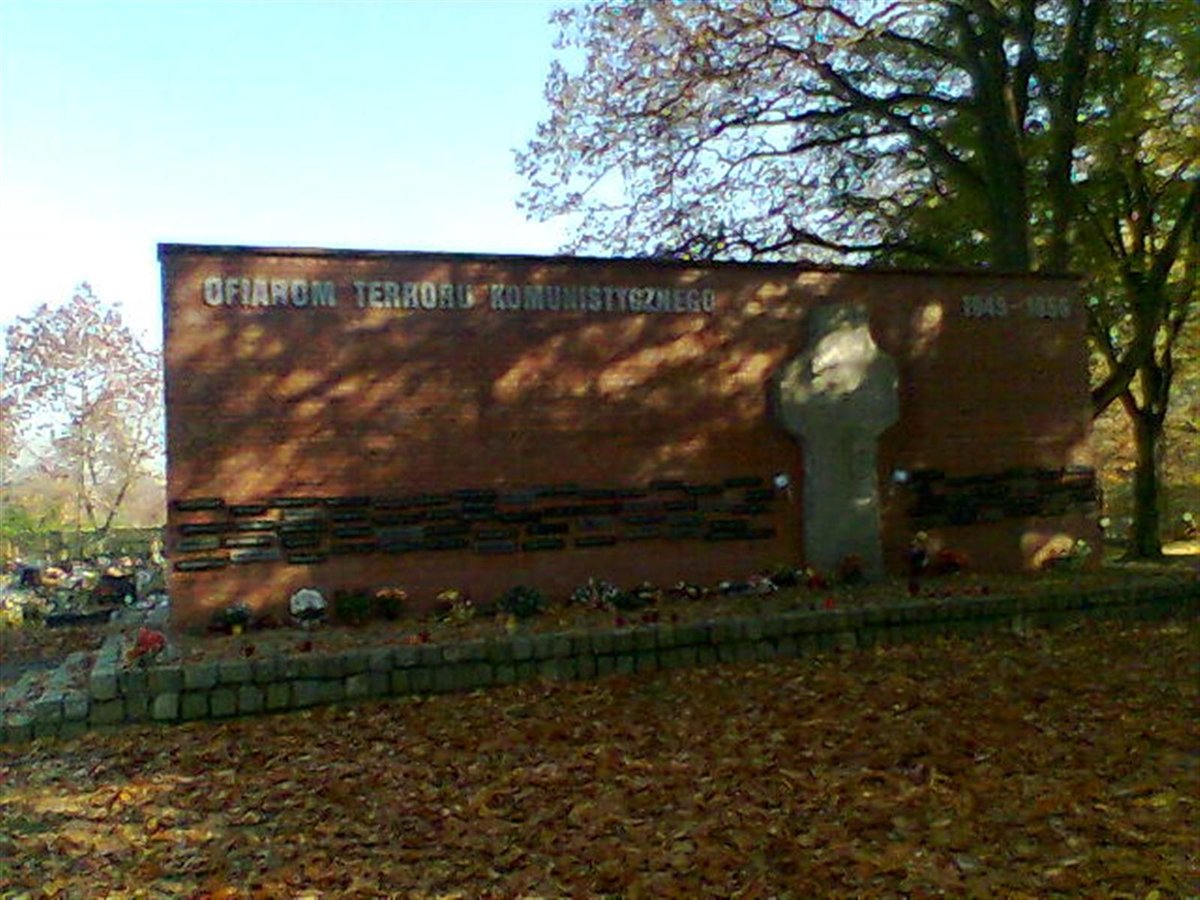
- Memorials to Political Victims: Areas commemorating those executed or persecuted during the Nazi and communist eras, including symbolic graves and mass burials.
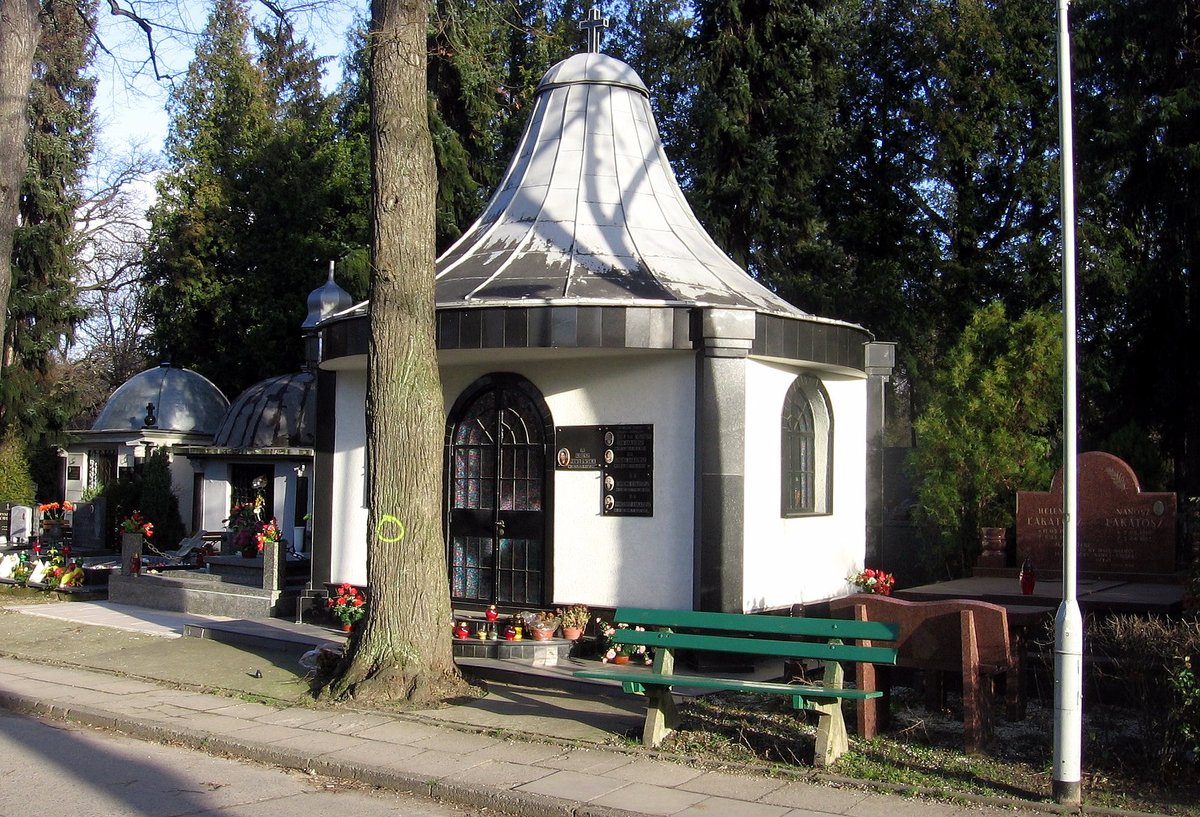
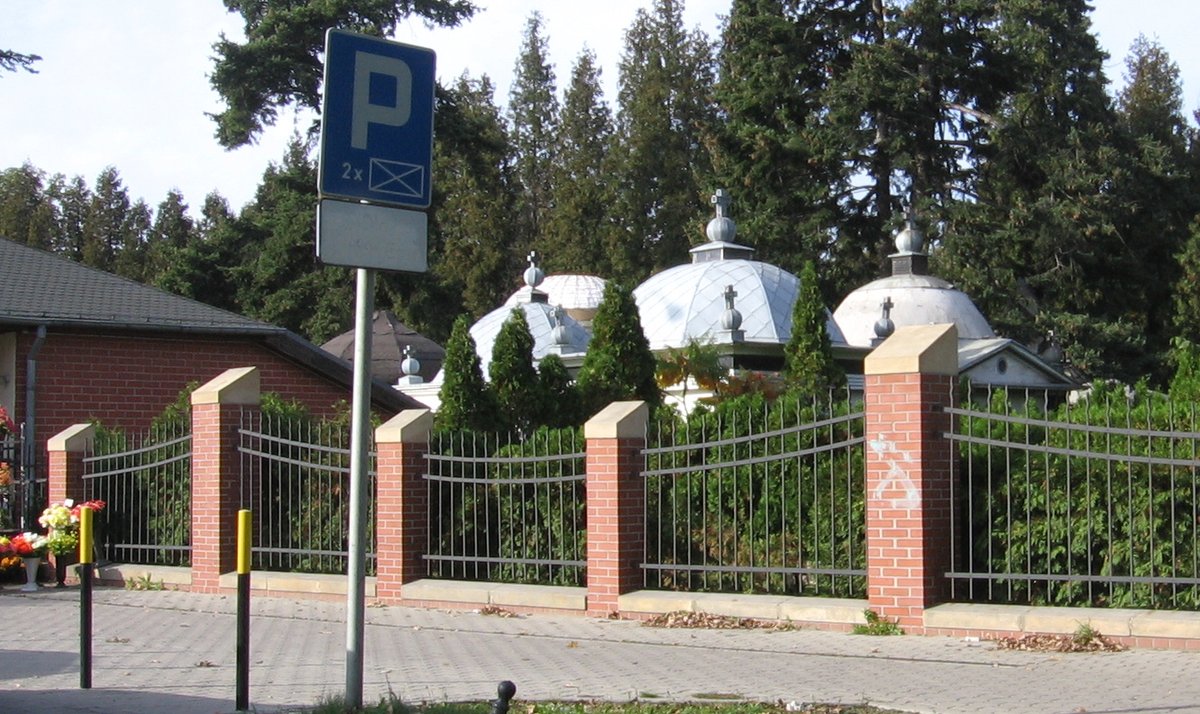
- Romani Chapels: Distinctive and artistically decorated chapels and graves, highlighting the traditions of Wrocław’s Romani community (open.icm.edu.pl).
- Children’s Sections: Touching memorials and sculptures dedicated to children.
The cemetery’s artistry is evident in its variety of tombstones, mausoleums, and memorials—from neo-Gothic monuments to modernist sculptures.
Visiting Osobowice Cemetery: Practical Information
Location & Getting There
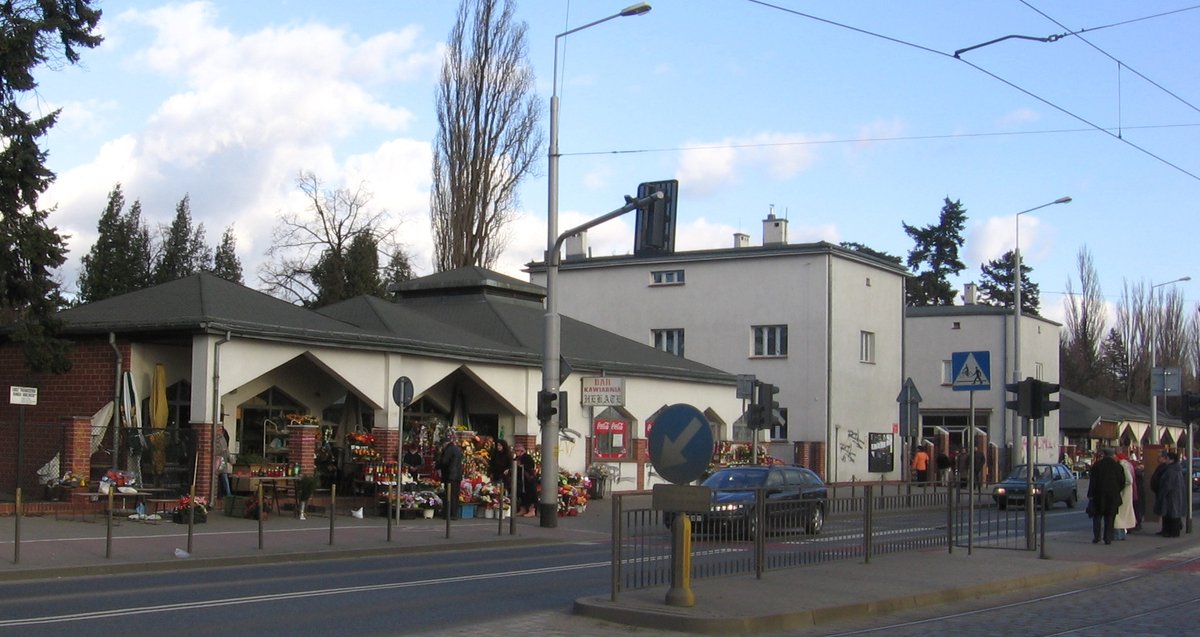
- Address: ul. Osobowicka 47, 51-168 Wrocław, Poland
- Public Transport: Bus lines 118, 119, and 129 from the city center; tram connections are also available.
- Parking: Free parking is available near the main gate, with additional spaces and shuttle services during major events (Wroclife).
Opening Hours
- April 1 – November 11: 7:00 AM – 8:00 PM
- November 12 – March 31: 9:00 AM – 6:00 PM
- All Saints’ Day (and surrounding days): Extended hours (wroclawskiecmentarze.pl)
Tickets & Entry
- Admission: Free for all visitors year-round. No tickets are required.
- Donations: Contributions for maintenance and conservation are welcome at the cemetery office or during events.
Facilities and Accessibility
- Restrooms: Toilets at the main entrance (with disabled access), near the chapel, and portable units at secondary entrances. Permanent toilets may require a small fee (zck.wroc.pl).
- Accessibility: Main paths are paved and wheelchair-friendly; some older areas may have uneven ground. Assistance is available on request.
- Digital Grave Locator: Online search tools help visitors find specific graves (wroclawskiecmentarze.pl).
- Amenities: Benches, shaded areas, and drinking water points are provided.
Etiquette and Visitor Tips
- Dress modestly and behave respectfully at all times.
- Keep noise to a minimum; avoid music and disruptive behavior.
- Photography is allowed (avoid photographing mourners or ceremonies without consent).
- Floral tributes and candles are welcome; use designated bins for disposal.
- Only service animals are permitted inside.
Highlights and Events
Main Attractions
- Historic Chapel: Designed by Max Berg (1921), the chapel is a key architectural landmark and hosts major commemorative events (streetview.wroclaw.pl).
- Notable Graves: Final resting places of distinguished Wrocław residents, including chess master Adolf Anderssen (wikipedia), laureates, and community leaders.
- War Memorials: Graves and monuments for Polish soldiers, WWII victims, and those who suffered under communist repression (tracesofwar.com).
- Pre-War Sections: Multilingual gravestones and diverse religious symbols reflect Wrocław’s multicultural heritage.
Special Events
- All Saints’ Day (Nov 1): Thousands gather to clean graves, lay flowers, and light candles, transforming the cemetery into a sea of lights and reflection.
- Guided Tours: Available through the municipal office and local cultural organizations, focusing on history, art, and the cemetery’s significance (wroclawskiecmentarze.pl).
Nearby Attractions
- Wzgórze Kapliczne (Chapel Hill): A religious landmark within walking distance.
- Las Osobowicki: A nearby forested area for walks and relaxation.
- Wrocław Old Town: Market Square, Gothic Town Hall, and other major sites are easily accessible.
- Millennial Bridge & Różanka District: For those interested in expanding their cultural itinerary (mapcarta.com).
FAQs
Q: What are the opening hours?
A: Generally 7:00 AM–8:00 PM (April–November) and 9:00 AM–6:00 PM (November–March), with extended hours during major holidays.
Q: Is there an entrance fee?
A: No, entry is always free.
Q: Is the cemetery accessible for people with disabilities?
A: Yes, most main paths are accessible; some older areas may be uneven. Assistance is available.
Q: Are tours available?
A: Yes, guided tours can be arranged in advance.
Q: Can I bring my pet?
A: Only service animals are allowed.
Q: How do I find a grave?
A: Use the online grave locator or ask at the information point.
Recommendations for a Meaningful Visit
- Plan for 1–2 hours to explore main sections and notable graves.
- Use the digital grave locator for efficient navigation.
- Visit early in the day or during weekdays for a quieter experience.
- Attend All Saints’ Day for a unique cultural event—arrive early due to crowds.
- Download the Audiala app for guided audio tours and up-to-date visitor info.
Listen to the full story in the app
The whole Osobowice Cemetery,
told well.
Audio guides for 1,100+ cities across 96 countries. History, stories, and local insight — offline ready.
Verified, and shown.
Researched and written by the Audiala editorial team from historical records, architectural archives, and local expertise.
Researched from Wikidata, Wikipedia & official sources · fact-checked · How we make our guides →