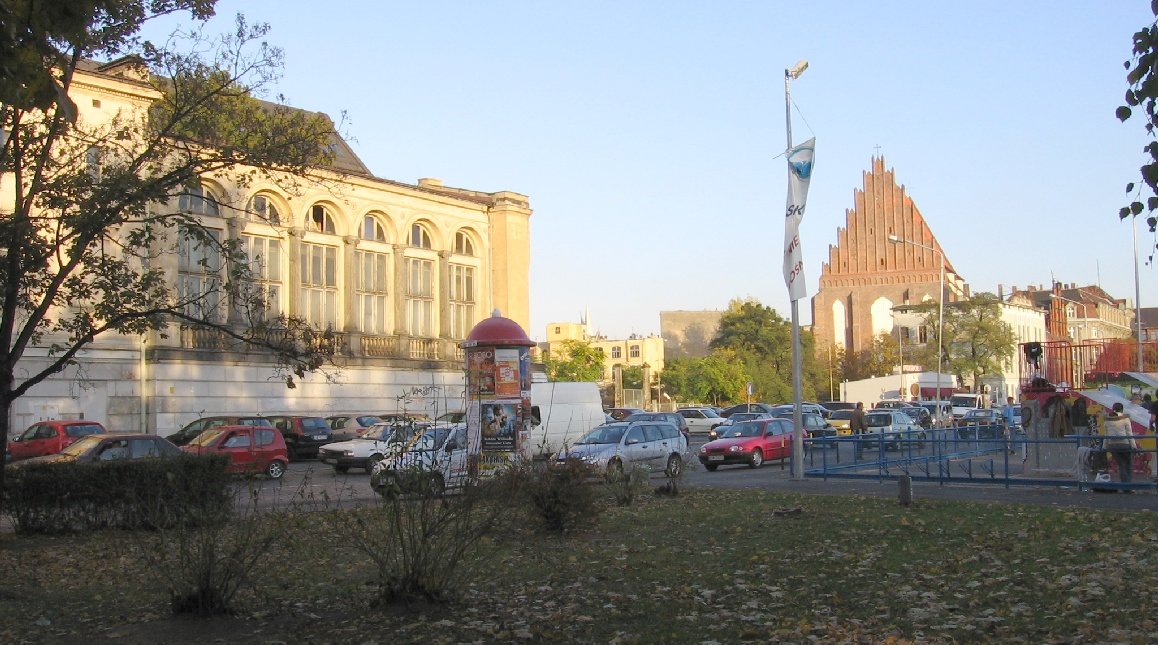
Introduction: A Historic Sporting and Cultural Landmark
In the heart of Wrocław, Poland, the Olympic Stadium (Stadion Olimpijski) stands as a testament to nearly a century of architectural innovation, sporting excellence, and cultural transformation. Originally constructed between 1926 and 1928, when the city was known as Breslau and under German rule, the stadium was designed by Richard Konwiarz—a visionary whose work earned international recognition at the 1932 Los Angeles Olympics. Although the stadium never hosted Olympic events, its design and enduring presence have made it a key landmark in both local and European sporting history (StadiumDB.com; Wikipedia).
Today, following extensive wartime damage, multiple renovations, and a major modernization completed in 2017, the Olympic Stadium blends historic architectural features with state-of-the-art amenities. With a capacity of around 11,000 spectators, it hosts premier motorcycle speedway races, American football games, and community events, all while preserving its original character. Its setting in the lush Zalesie district, near prominent attractions like Centennial Hall and the Oder River, makes it an ideal destination for sports fans, history lovers, and tourists alike (elfpedia.eu; FIM Speedway).
This comprehensive guide offers detailed information on visiting hours, ticketing, accessibility, travel tips, and the architectural and historical significance of the Olympic Stadium Wrocław.
Photo Gallery
Explore Olympic Stadium in Wrocław in Pictures
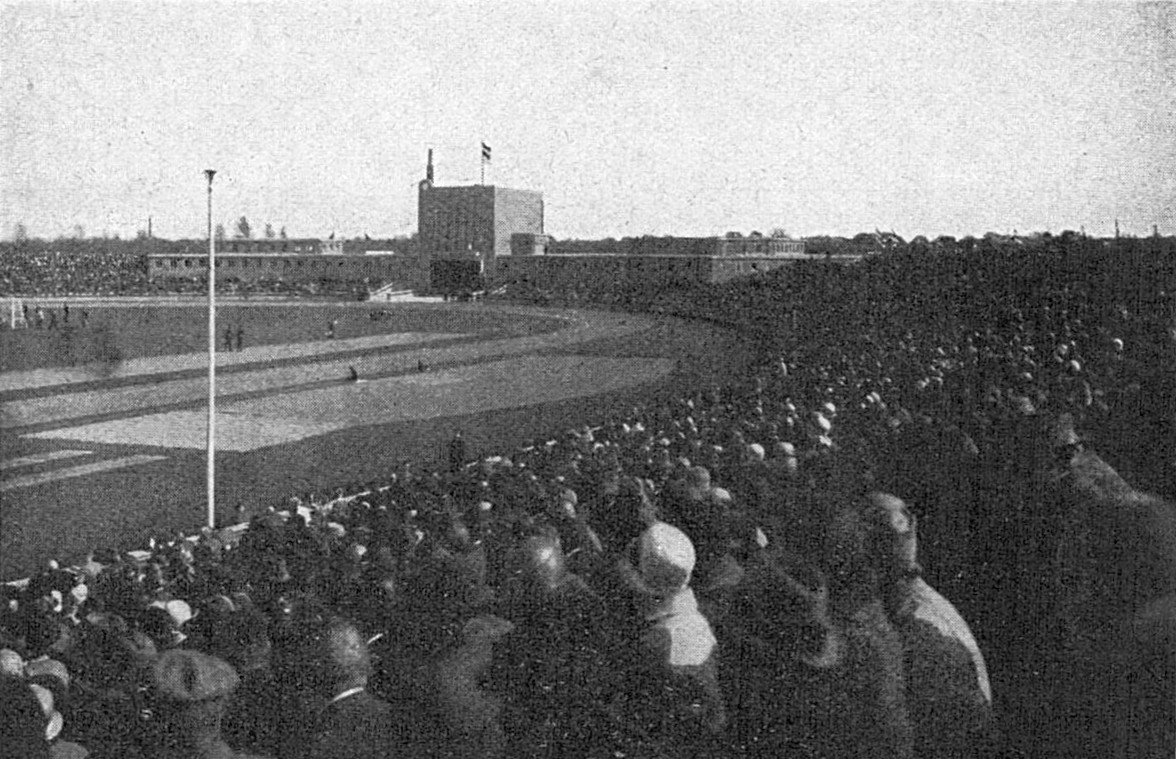
Black and white aerial photograph of a stadium in Breslau and its surroundings taken in 1929, from the book "Breslau und Umgebung" edited by Georg Hallama.
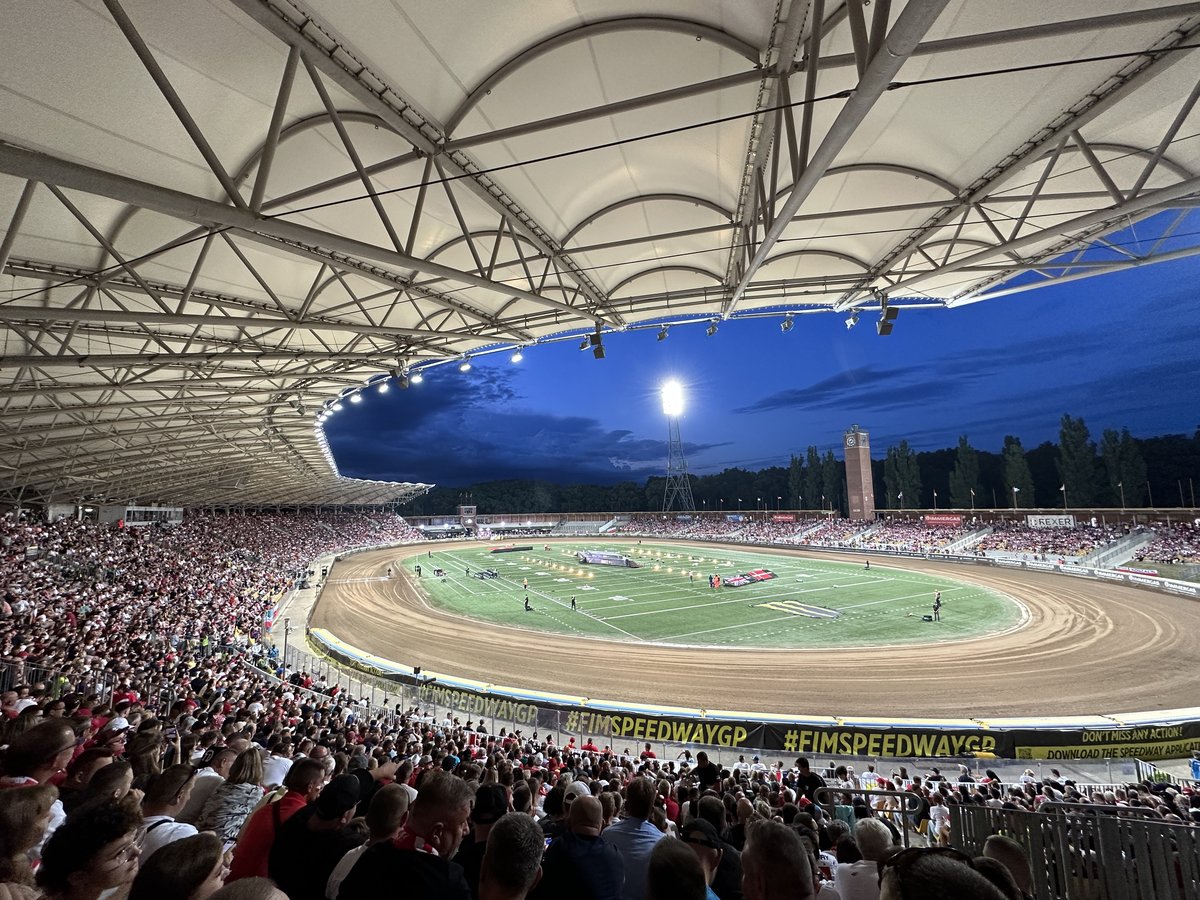
Photo of the exterior of Stadion Olimpiski showing the modern sports stadium under daylight.
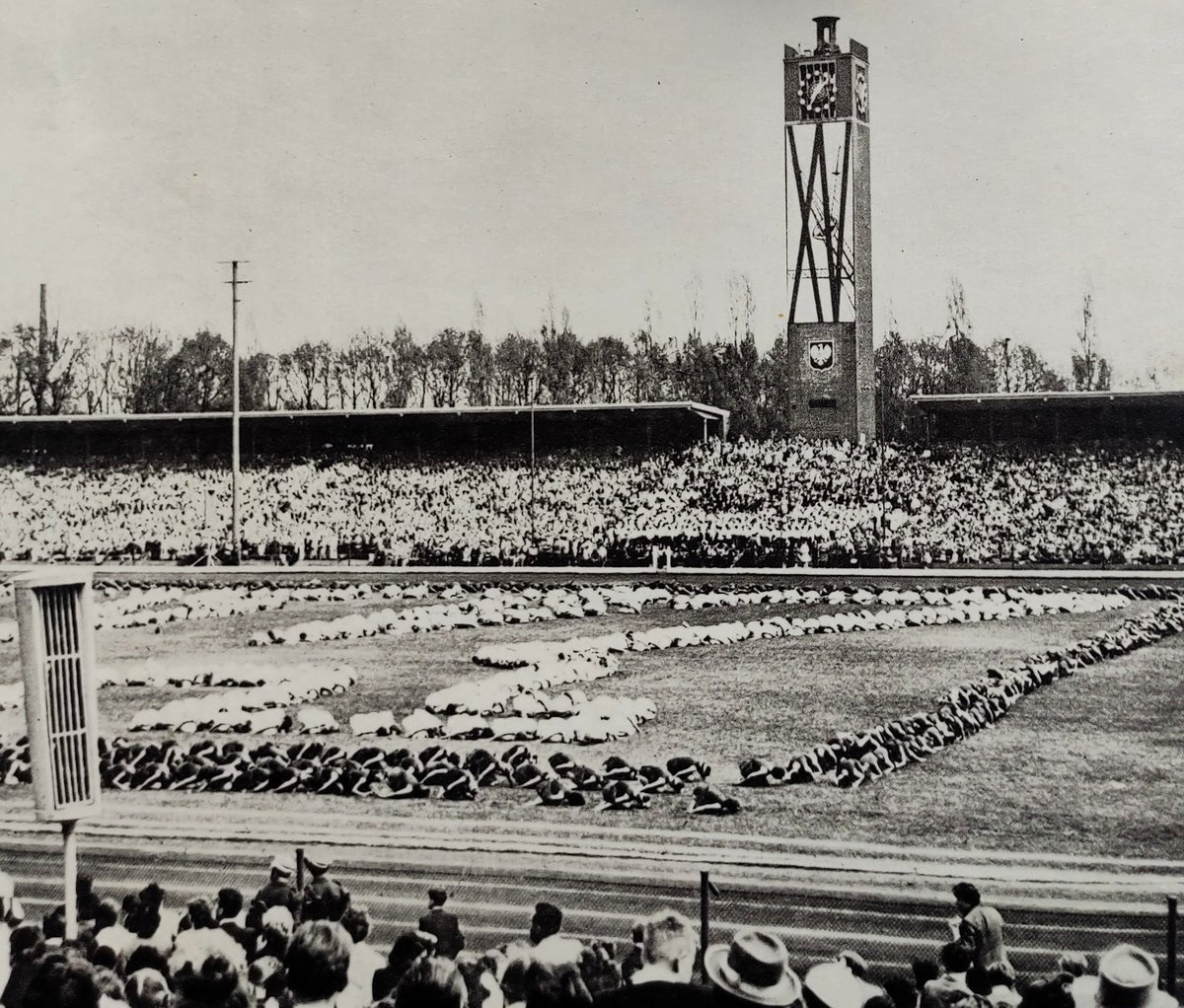
Image showcasing a gymnastics demonstration event held at the General K. Świerczewski Stadium, which is also referred to as the Olympic Stadium, highlighting sports and cultural activities at this venue.
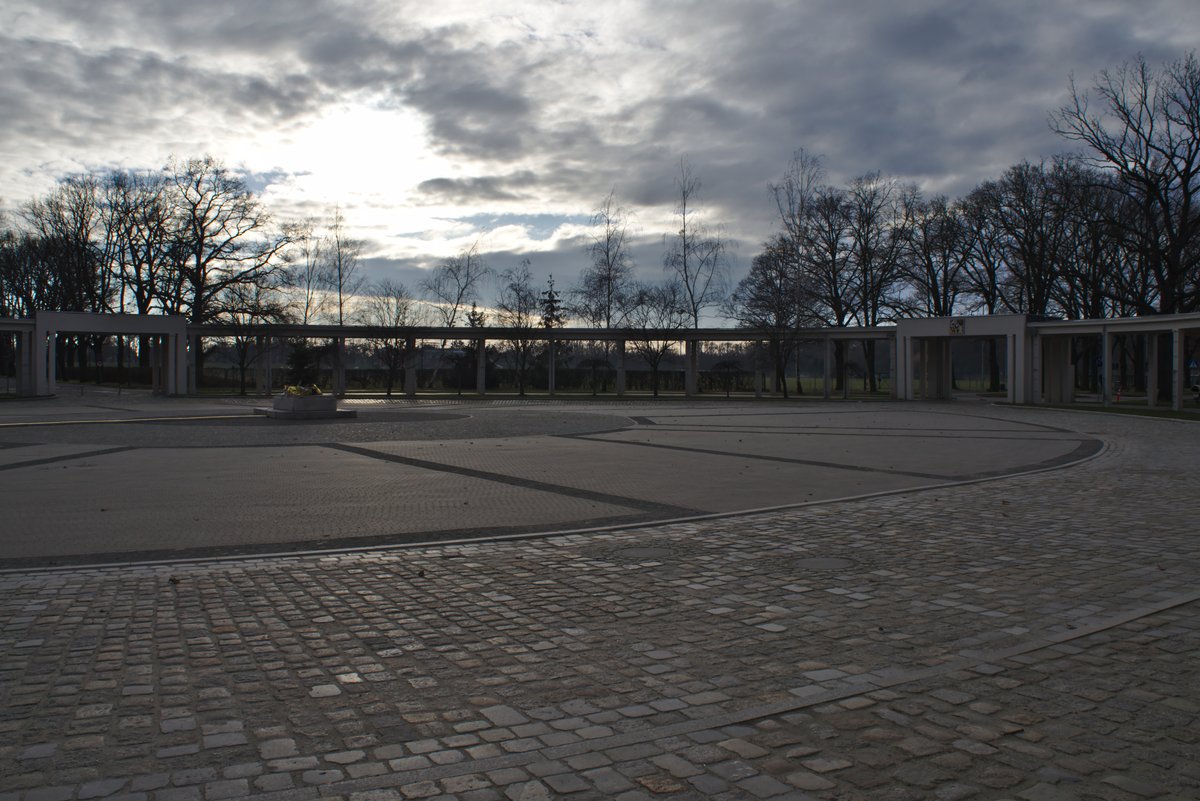
The Olympic Stadium in Wrocław Poland showcasing its architectural design and outdoor environment.
Origins and Architectural Significance
The Olympic Stadium was built between 1926 and 1928 as Schlesierkampfbahn (Silesian Arena), designed by German architect Richard Konwiarz. The stadium’s monumental horseshoe shape, reinforced concrete terraces, and iconic eastern clock tower exemplify the interwar era’s grand public architecture. Konwiarz's design was awarded a bronze medal at the 1932 Olympic art competitions, lending the stadium its "Olympic" association (StadiumDB.com).
During the 1930s, the stadium was expanded and renamed Hermann-Göring-Stadion under the Nazi regime, serving as a venue for mass gatherings and sporting events.
Wartime Impact and Postwar Restoration
World War II left the stadium significantly damaged during the Siege of Breslau. After Wrocław became part of Poland, it was rebuilt and renamed, eventually serving as a home for football, athletics, and other sports. From the 1970s onward, successive upgrades introduced floodlights, heating, and improved spectator facilities (Wikipedia).
Modernization and Major Events
A comprehensive renovation between 2015 and 2017 transformed the stadium to host the 2017 World Games. Key historical elements—such as the colonnade, external walls, and clock tower—were meticulously preserved, while modern features like new seating, upgraded lighting, and enhanced accessibility were integrated. The stadium now hosts international speedway events, American football with the Wrocław Panthers, and cultural festivals (FIM Speedway; elfpedia.eu).
Visitor Information
Visiting Hours
- General Hours: 9:00 AM – 6:00 PM daily (subject to change on event days).
- Non-Event Days: Confirm via the official website or contact the stadium administration for tour availability.
Ticketing and Guided Tours
- Event Tickets: Available online and at the box office; prices vary by event (typically from 20 PLN for general admission to 100 PLN for VIP).
- Guided Tours: Offered on select days by prior arrangement, providing insight into architectural and historical highlights (olympicwroclaw.pl).
- Discounts: Often available for children, students, and seniors; group tickets and season passes may also be offered.
Accessibility
- Wheelchair Access: Ramps, reserved seating, and accessible restrooms are provided.
- Transport: The stadium is served by trams and buses (Stadion Olimpijski stop), and limited parking is available for visitors with disabilities (elfpedia.eu).
Getting There
- Public Transport: Tram and bus lines connect the stadium with the city center and main railway station.
- By Car: Parking is available nearby but fills quickly during major events.
- Cycling: Bike paths lead directly to the stadium from many parts of Wrocław (mapcarta.com).
Facilities and Amenities
- Modernized single-tiered bowl with 11,000 all-seater capacity (StadiumDB.com)
- Multiple entrances and efficient crowd flow
- Family and VIP sections, concession stands, and restrooms
- Accessibility features, first aid, and information points
Event Experience
Speedway and American Football
- Speedway: The stadium is synonymous with Sparta Wrocław and the Speedway Grand Prix, offering a thrilling, high-energy atmosphere (FIM Speedway).
- American Football: Home to the Wrocław Panthers, featuring European League of Football matches and community engagement.
- Youth Sports: Host to the Piłkarska Akademia Mistrzów and the annual Olympic Trophy youth football tournament (olympicwroclaw.pl).
Community and Cultural Events
The stadium regularly hosts concerts, festivals, and local community events, making it a vibrant hub for Wrocław's residents and visitors alike.
Architectural Features
- Eastern Clock Tower: A defining visual and historical symbol.
- Colonnade and Monumental Gates: Preserved original elements reflecting interwar design.
- Modern Grandstand: Rebuilt western grandstand with improved amenities.
- Advanced Lighting: State-of-the-art floodlights enhance night events and energy efficiency (LUG).
Nearby Attractions
- Centennial Hall: UNESCO-listed, within walking distance, hosting exhibitions and performances.
- Oder River Parklands: Ideal for walks and relaxation.
- Wrocław Old Town and Market Square: Rich in history and architecture, easily accessible via public transport.
Frequently Asked Questions (FAQ)
Q: What are the Olympic Stadium Wrocław visiting hours?
A: Generally 9:00 AM – 6:00 PM, but check the official website for event-day schedules.
Q: How do I buy tickets?
A: Purchase online or at the stadium box office; early booking is advised for major events.
Q: Are guided tours available?
A: Yes, on select dates with advance booking.
Q: Is the stadium accessible for disabled visitors?
A: Yes, with ramps, reserved seating, and accessible facilities.
Q: What’s the best way to reach the stadium?
A: Public transport is recommended; cycling is also popular, and limited parking is available.
Q: Are family-friendly amenities provided?
A: Yes, including family seating, activities during community events, and child discounts.
Visual Gallery
- Panoramic exterior with historic clock tower (alt text: "Olympic Stadium Wrocław exterior with clock tower")
- Speedway Grand Prix in action (alt text: "Speedway race at Olympic Stadium Wrocław")
- Historic facade and colonnade details (alt text: "Historic facades of Olympic Stadium Wrocław")
- Virtual tours and maps available on the official website
Listen to the full story in the app
Your Personal Curator, in Your Pocket.
Audio guides for 1,100+ cities across 96 countries. History, stories, and local insight — offline ready.
Audiala App
Available on iOS & Android
Join 50k+ Curators
Sources
- verified
- verified
- verified
- verified
- verified
- verified
Last reviewed: