Introduction
Nestled in the heart of Wrocław, Poland, Nicolaus Copernicus Park (Park Mikołaja Kopernika) stands as a vibrant urban sanctuary that beautifully combines natural elegance, scientific heritage, and artistic monuments. Established in the 19th century, the park was dedicated to Nicolaus Copernicus, the pioneering Polish astronomer whose heliocentric model redefined humanity’s understanding of the cosmos and sparked the Scientific Revolution. Today, the park attracts history enthusiasts, families, and nature lovers alike, offering tranquil green spaces, cultural sculptures, and subtle astronomical motifs that pay homage to Copernicus’s legacy (World City Trail, 2025; imustvisit.com).
Its central location near Wrocław’s Old Town Promenade, the Wrocław Opera House, and the National Forum of Music makes it easily accessible and an essential stop for anyone exploring the city. This comprehensive guide details Nicolaus Copernicus Park's history, visiting hours, accessibility, attractions, amenities, and practical tips to ensure a rewarding visit (Wrocław Official; Visit Wrocław; wanderboat.ai).
Photo Gallery
Explore Nicolaus Copernicus Park in Pictures
Historical Background and Significance
Origins and Development
Nicolaus Copernicus Park was created in the mid-19th century, a period when European cities increasingly integrated green spaces to enhance urban life (imustvisit.com). Its establishment reflected the city’s commitment to providing public retreats that also honor Poland’s scientific achievements. Strategically situated between Piłsudskiego and Teatralna streets, the park became a welcoming oasis surrounded by Wrocław’s cultural landmarks (World City Trail, 2025).
Dedication to Nicolaus Copernicus
Nicolaus Copernicus (1473–1543) revolutionized astronomy with his heliocentric model, fundamentally altering the trajectory of scientific thought (worldhistoryedu.com). The park’s very name and its thematic design elements serve as a living tribute to Copernicus’s interdisciplinary genius, with astronomical motifs subtly woven into the landscape (World City Trail, 2025).
Artistic and Architectural Highlights
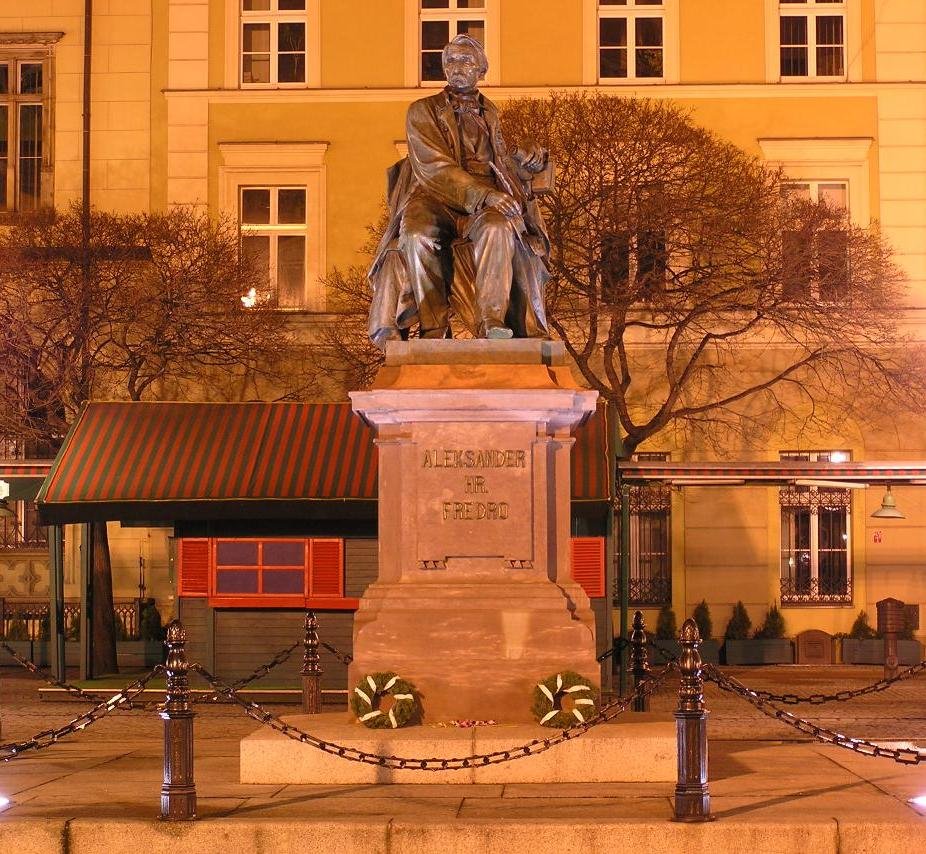
A centerpiece of the park is the “Cupid on the Pegasus” monument by Theodor von Gosen, a celebrated bronze sculpture representing love and poetry (Wikipedia). First displayed at the 1913 Centennial Exhibition, it was relocated to the park in 1915. The park also features a striking bronze statue of Copernicus by Leonard Marconi, commemorative plaques, and seasonal fountains—all blending natural serenity with historical artistry (Visit Wrocław).
Scientific Symbolism
The park’s layout and installations reference celestial bodies and planetary motion, reflecting Copernicus’s groundbreaking discoveries. Informational signage and art throughout the grounds highlight his scientific legacy, making the park an engaging open-air classroom (World City Trail, 2025).
Visiting Information
Hours and Admission
- Opening Hours: Daily, 6:00 AM – 10:00 PM
- Admission: Free of charge (Wrocław Official)
Accessibility
- Paths: Fully paved and wheelchair accessible; suitable for strollers and those with limited mobility
- Entrances: Step-free, with curb ramps and tactile paving for visually impaired visitors
- Rest Areas: Abundant shaded benches and gazebos
Guided Tours and Events
- Guided Tours: Seasonal walking tours and educational activities are offered by local operators; check with the city’s tourism office for schedules
- Community Events: Hosts concerts, workshops, and open-air performances, particularly in spring and summer (Wrocław City Events)
Park Features and Attractions
Monuments and Memorials
- Nicolaus Copernicus Monument: Central bronze statue depicting Copernicus with an astrolabe—an iconic photo spot and symbol of the park (Visit Wrocław)
- Cupid on the Pegasus: A celebrated sculpture evoking romantic and poetic themes (Wikipedia)
- Commemorative Stones: Plaques honor Wrocław’s scientific community and park milestones, with bilingual descriptions
Botanical Highlights
- Mature Trees: Historic plane, linden, and oak trees, providing shade and supporting local birdlife
- Seasonal Flowerbeds: Tulips, daffodils, and other blooms create vibrant displays, especially in spring and early summer
- Educational Plant Markers: Informative signs label flora for visitors interested in botany (Wrocław Parks)
Recreational and Family Facilities
- Walking and Jogging Paths: 600-meter loop, perfect for walks, jogging, or casual cycling (cycling inside the park is restricted)
- Children’s Playground: Modern, fenced play area with safe equipment and benches for adults (Wrocław Family Guide)
- Outdoor Chess Tables: Popular with seniors and chess enthusiasts
Cultural and Artistic Activities
- Opera House Proximity: Adjacent to the park, the Wrocław Opera House occasionally hosts open-air concerts nearby (Wrocław Opera House)
- Temporary Art Installations: The park features art exhibitions and interactive displays during city festivals (Wrocław Events)
Amenities and Practical Tips
- Restrooms: Modern, accessible facilities near the Piłsudskiego Street entrance (open 8:00 AM – 8:00 PM)
- Drinking Fountains: Available near playground and central paths (operational in warmer months)
- Cafés and Refreshments: Small bistro café within the park; broader dining options in adjacent city streets (wanderboat.ai)
- WiFi Access: Free citywide WiFi is available in and around the park (welcomepickups.com)
- Pet Policy: Most sources indicate dogs are permitted on leashes, but some areas enforce a stricter no-pet policy; check signage on arrival
- Cycling: Prohibited within park grounds to ensure pedestrian safety
Tips:
- Visit in spring or early autumn for the best floral displays and comfortable weather
- Use public transport to avoid limited parking
- Bring a blanket for picnics and a camera for the park’s scenic vistas
Nearby Attractions
Nicolaus Copernicus Park’s central location makes it an ideal starting point for exploring these Wrocław highlights:
- Wrocław Opera House: Renowned performances in a historic venue
- National Forum of Music: Modern concert hall hosting international events
- Old Town Square (Rynek): Medieval market square and architectural gem
- Renoma Shopping Center: Iconic department store
- Panorama of the Battle of Racławice: Immersive historical painting exhibit
- Wrocław Puppet Theater: Adjacent to the park, offering family performances (wanderboat.ai)
FAQ
Q: What are the visiting hours for Nicolaus Copernicus Park?
A: Daily from 6:00 AM to 10:00 PM.
Q: Is there an entrance fee?
A: No, entry is free for all visitors.
Q: Is the park wheelchair accessible?
A: Yes, paved paths, ramps, and accessible seating are provided.
Q: Are dogs allowed in the park?
A: Dogs are generally allowed on leashes, but check current signage for restrictions.
Q: Are guided tours available?
A: Local operators and city guides occasionally offer tours, especially during festivals.
Q: Is there parking nearby?
A: Limited street parking and public lots are available, but public transport is recommended.
Q: Are there food options inside the park?
A: A small café operates within the park; many dining options are also nearby.
Listen to the full story in the app
Your Personal Curator, in Your Pocket.
Audio guides for 1,100+ cities across 96 countries. History, stories, and local insight — offline ready.
Audiala App
Available on iOS & Android
Join 50k+ Curators
Sources
- verified
- verified
- verified
- verified
- verified
- verified
Last reviewed: