Introduction
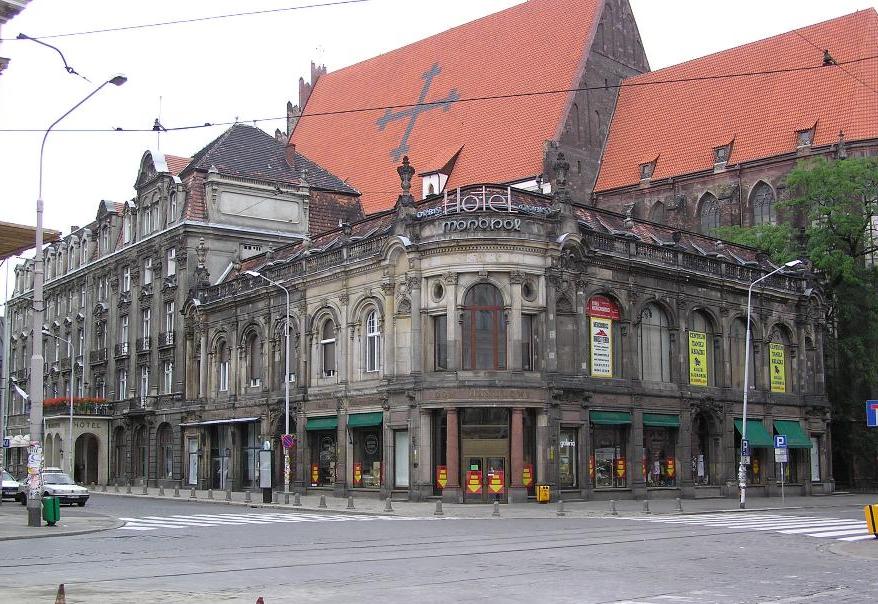
Located in the heart of Wrocław’s Old Town, the Lubomirski Museum (Muzeum Książąt Lubomirskich) stands as a monument to Poland’s aristocratic heritage and the enduring spirit of cultural preservation. Originating from a historic 1823 agreement between Count Józef Maksymilian Ossoliński and Prince Henryk Lubomirski, the museum was conceived to protect and celebrate Polish art, history, and the collections of both the Lubomirski family and the Ossoliński National Institute. Over the course of nearly two centuries, the museum has faced wars, relocations, and periods of dormancy, yet has remained steadfast in its commitment to safeguarding Polish and Central European heritage.
Today, visitors can explore a wealth of manuscripts, rare books, fine art, numismatics, and decorative objects that illuminate the complexities of Poland’s history and identity. The Lubomirski Museum, now part of the Ossolineum complex, offers permanent and temporary exhibitions, educational programs, and guided tours, making it a vibrant hub for both scholarly research and public engagement. Its Baroque setting further enhances the experience, linking Wrocław’s architectural grandeur with the nation’s intellectual legacy.
For the latest visitor information, including exhibitions and events, consult the official Ossolineum and Museum of the Lubomirski Princes websites. Embark on a journey through Polish history and immerse yourself in the treasures preserved within the museum’s walls. (Ossolineum, Muzeum Książąt Lubomirskich, Ossoliński National Institute)
1823–1870: Foundation and Early Development
The Lubomirski Museum was established by a landmark agreement on December 25, 1823, between Count Józef Maksymilian Ossoliński and Prince Henryk Lubomirski. The aim was to create a repository for the preservation and public display of art and historical memorabilia from both the Ossoliński and Lubomirski families, to be named “Musaeum Lubomirscianum” in perpetuity. The museum’s initial collection grew through donations and acquisitions, and its financial sustainability was ensured by the Entail of Przeworsk, an indivisible estate whose income supported the institution. The museum opened to the public in Lviv in the early 1870s, thanks to the efforts of Prince Jerzy Lubomirski. (Muzeum Książąt Lubomirskich)
1870–1939: The Golden Era
With public access, the museum became one of the first private museums in Polish territories open to all. Its collections included:
- Paintings, drawings, and sculptures
- Graphics, photography, and historical artifacts
- Coins, medals, seals, and phaleristic objects (orders and decorations)
The museum played a significant scholarly and cultural role in Lviv, organizing exhibitions, publishing catalogues, and serving as a center for scientific research. The Lubomirski family’s patronage and curation were instrumental in its growth and reputation. (Ossolineum, janlubomirski.pl)
1939–1945: Wartime Disruption and Loss
World War II brought immense losses. The Soviet occupation led to the nationalization and dissolution of the museum in 1940, with collections dispersed across Lviv institutions. The German occupation resulted in further confiscations, including 26 Albrecht Dürer drawings that were taken to Berlin. Only a portion of the collection survived and was transferred to Wrocław after the war. (Ossolineum)
1945–1995: Postwar Transition
Following WWII, the Ossolineum and part of its collections were relocated from Lviv to Wrocław. However, due to the limited number of surviving artifacts and the political climate, the Lubomirski Museum was not immediately re-established. The surviving graphic and numismatic materials formed the basis for new departments within the Ossolineum. (Muzeum Książąt Lubomirskich)
1995–Present: Revival and Modern Era
The museum’s foundation status was restored in 1995, leading to renewed efforts to rebuild and expand its collections. Since 2016, the Lubomirski Museum has operated as an autonomous entity within the Ossolineum, with exhibitions drawing from both surviving prewar collections and new acquisitions. A dedicated building for exhibitions and education is scheduled to open in 2026. (Ossolineum)
Visiting the Lubomirski Museum
Location
- Address: ul. Szewska 37, 50–139 Wrocław, Poland
- Setting: Within the historic Ossolineum complex, just steps from Wrocław’s Market Square (Ossolineum official site)
Opening Hours
- Tuesday–Sunday: 10:00 AM – 5:00 PM
- Monday: Closed
- Note: Hours may vary on public holidays; always check the museum’s website before your visit.
Ticket Information
- Adults: 20 PLN
- Seniors, Students, Children: 10 PLN
- Family and Group Discounts: Available
- Free Entry: Children under 7, on special days, or during select events
- Purchase: At the entrance or online via the Ossolineum website
Accessibility
The museum is wheelchair accessible, with elevators and adapted restrooms. Visitor assistance is available upon request.
Guided Tours
- Guided tours are available in Polish and English. Booking in advance is recommended, particularly for groups. For arrangements, contact the museum directly (contact details).
Getting There
- Centrally located, the museum is accessible on foot from the Market Square and by tram or bus (stops: Uniwersytecka, Hala Targowa).
- Limited parking is available nearby; public transport is recommended (destinationabroad.co.uk).
Exhibitions and Collections
Permanent Collections
- Manuscripts and Rare Books: Medieval codices, incunabula, early printed books, and unique literary manuscripts.
- Artworks and Portraits: Paintings, drawings, and sculptures depicting Polish nobility and historical events from the 16th–19th centuries.
- Numismatics: One of Poland’s largest collections of coins, medals, and seals.
- Decorative Arts: Porcelain, silverware, and textiles reflecting aristocratic taste.
Temporary Exhibitions
Exhibitions change regularly, featuring themes such as the cultural life of Lviv, Jewish history in Wrocław, and the fate of Polish collections during the 20th century. Notable recent exhibitions include:
- “The Twilight of the Tobacco Era” – An exploration of tobacco accessories and their artistry.
- “Celebrated Wrocław Residents’ Gallery” – Portraits and stories of notable city figures. (Visit Wrocław – The Museum of the Lubomirski Princes)
Educational Programs and Visitor Amenities
- Workshops and Lectures: Available for schools, universities, and adult learners.
- Museum Shop: Books, postcards, and souvenirs.
- Reading Room: Open for research (advance registration required).
Visitor Experience and Highlights
Atmosphere
The museum’s Baroque interiors, tranquil courtyards, and scholarly ambiance offer a peaceful setting for reflection and exploration. Crowds are generally smaller compared to larger attractions, especially on weekday mornings.
Photography
Photography is permitted in most permanent exhibitions (no flash or tripods). For temporary exhibitions, ask staff for current policies.
Multilingual Support
Exhibition texts are in Polish with English translations. Some staff speak English; translation apps can be helpful.
Travel Tips
- Plan Ahead: Check the museum website for current exhibitions and opening hours.
- Combine Attractions: Visit Wrocław’s Market Square, University, and Cathedral Island in the same day.
- Souvenirs: The museum shop offers unique gifts and books.
- Payment: While cards are accepted, carry some cash for ticket machines or public transport.
Frequently Asked Questions (FAQ)
Q: What are the museum’s opening hours?
A: Tuesday–Sunday, 10:00 AM–5:00 PM; closed Mondays.
Q: How much are tickets?
A: Adults 20 PLN; students, seniors, and children 10 PLN; discounts and family tickets available.
Q: Is the museum accessible?
A: Yes, with ramps, elevators, and adapted restrooms.
Q: Are guided tours available in English?
A: Yes, by prior arrangement.
Q: Can I take photos?
A: Yes, in permanent exhibitions without flash; check for restrictions in temporary exhibitions.
Q: How do I get there?
A: Located in the Old Town, easily reached by foot or public transport.
Cultural and Historical Significance
The Lubomirski Museum serves as a guardian of Polish cultural memory. Its collections—ranging from rare manuscripts to numismatic treasures—provide vital insight into the nation’s past and the broader history of Central Europe. By surviving wars, partitions, and political changes, the museum stands as a symbol of resilience and the enduring value of heritage preservation.
Through dynamic exhibitions, educational programs, and its role within the Ossolineum, the museum promotes scholarship, public engagement, and cultural identity. Its future expansion promises even greater opportunities for learning and discovery.
Summary and Final Tips
The Lubomirski Museum is an essential destination for anyone interested in Polish history, art, and culture. Visitors benefit from carefully curated exhibitions, accessible facilities, and a peaceful atmosphere. By planning your visit with the information above, you can fully appreciate the museum’s treasures and its vital role in preserving Polish heritage.
Stay connected by exploring related Wrocław sites, downloading the Audiala app for interactive tours, and following official channels for the latest updates. The Lubomirski Museum is not just a repository of the past—it is a living institution inspiring curiosity and pride in Poland’s enduring legacy. (Ossolineum, Muzeum Książąt Lubomirskich, Ossoliński National Institute)
Listen to the full story in the app
Your Personal Curator, in Your Pocket.
Audio guides for 1,100+ cities across 96 countries. History, stories, and local insight — offline ready.
Audiala App
Available on iOS & Android
Join 50k+ Curators
Sources
- verified
- verified
- verified
- verified
Last reviewed: