Introduction: The Significance of the Karol Linneusz Monument
Set within the lush expanse of the University of Wrocław Botanical Garden, the Karol Linneusz Monument stands as a tribute to Carl Linnaeus (Karol Linneusz in Polish), the celebrated Swedish botanist and zoologist recognized as the "father of modern taxonomy." Linnaeus’s pioneering binomial nomenclature system revolutionized biological classification, and his legacy remains integral to science today. This monument not only commemorates Linnaeus’s achievements but also highlights Wrocław’s rich tradition in botanical sciences and its multicultural academic heritage.
The monument's location—near the entrance of the historic Botanical Garden, founded in 1811—makes it a symbolic and accessible landmark for visitors interested in history, science, and culture. Whether you are a scholar, a history enthusiast, or a traveler seeking Poland’s cultural gems, this guide provides detailed information on visiting hours, ticketing, accessibility, nearby historical sites, and practical travel tips to ensure a rewarding experience.
Explore how this classical bust, sculpted in the 19th century and carefully restored for modern audiences, connects you with Linnaeus’s enduring impact and the vibrant scientific traditions of Wrocław. For those planning a visit or looking to deepen their knowledge, the Karol Linneusz Monument within the Botanical Garden offers a blend of educational value and tranquil beauty (University of Wrocław Botanical Garden Official Site, History of Wrocław on Wikipedia, Learn more about Carl Linnaeus).
Historical Background and Cultural Importance
Carl Linnaeus and His Legacy
Carl Linnaeus (1707–1778), internationally known as Karol Linneusz, transformed the natural sciences with his classification of living organisms through the binomial nomenclature system, detailed in his seminal work Systema Naturae (pl.wikipedia.org). His contributions have shaped not only botany and zoology but also mineralogy and pharmacognosy, earning him international honors.
Wrocław’s Botanical Tradition
The placement of the Linneusz Monument in the University of Wrocław Botanical Garden underscores the city’s deep ties to botanical research and education. The garden, established in 1811, remains a leading center for botanical science and public engagement (mapcarta.com). The monument is a focal point for academic inspiration and a symbol of Wrocław’s respect for scientific inquiry.
Cultural and Historical Context
Erected during Wrocław’s time as Breslau in the German Empire, the monument survived the upheavals of the 20th century, including World War II and post-war transitions to Polish administration (en.wikipedia.org). Its ongoing preservation reflects the city’s commitment to honoring its scientific pioneers and multicultural heritage.
Monument Description and Artistic Features
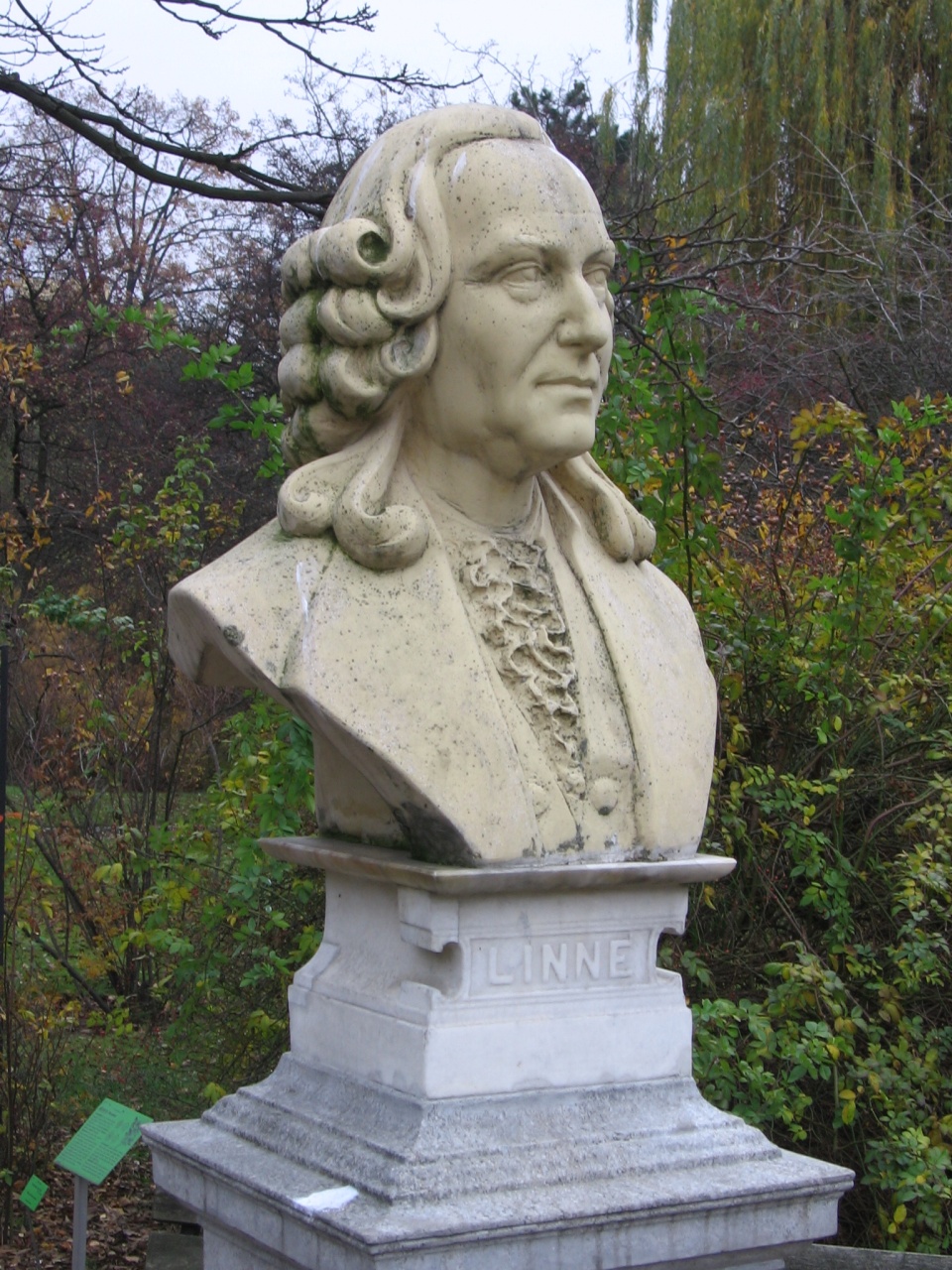
The Karol Linneusz Monument is a classical sandstone bust, originally designed by Albert Rachner and unveiled in 1871, funded by Moritz Wesel (trek.zone). It stands atop a two-meter brick pedestal inscribed with “Linné,” Linnaeus’s Latinized name. Over the years, the monument has seen careful restoration: after sustaining minor WWII damage—repaired by Antonio Comolli—the original bust was replaced in 2001 by a new sculpture from Prof. Bohdan Chmielewski, preserving its dignified, realistic aesthetic.
The monument’s surroundings, set amid themed garden sections highlighting plant systematics, give context to Linnaeus’s impact on classification and taxonomy (wikidata.org). Informational plaques provide historical and educational background, enhancing the visitor’s experience.
Visitor Information: Location, Hours, Tickets, and Accessibility
Exact Location and Access
- Address: Botanical Garden of the University of Wrocław, ul. Henryka Sienkiewicza 23, 50-335 Wrocław, Poland
- Placement: Near the main entrance, within the plant systematics section where several garden paths converge (trek.zone)
Visiting Hours
- Botanical Garden: April–October, daily from 9:00 AM to 6:00 PM (hours may vary off-season)
- Monument: Accessible during Botanical Garden opening hours
Tickets and Admission
- Monument: Free to view; located in a public space at the garden entrance
- Botanical Garden Entry: Tickets required (adults, students, seniors, children discounts available); purchase at entrance or online (University of Wrocław Botanical Garden Official Site)
Accessibility
- Wheelchair accessible paths and ramps; accessible public transport stops nearby
- Benches and rest areas throughout the garden
Travel and Transport
- Public Transport: Trams and buses to Plac Grunwaldzki and Sienkiewicza Street
- Walking: Short distance from Wrocław Cathedral and Ostrów Tumski
- Parking: Limited; public transport recommended
Nearby Historical and Cultural Sites
The monument's central setting makes it an excellent starting point for exploring Wrocław’s rich heritage:
- Wrocław Cathedral: Iconic Gothic architecture, 4 minutes’ walk
- Museum of Natural History: Extensive natural science collections, 3 minutes’ walk
- Ostrów Tumski: Wrocław’s oldest district, atmospheric cobblestone streets, and riverside views
- Church of St. Mary on the Sand: 8 minutes’ walk, medieval origins
- National Museum: Art and history, 11 minutes’ walk
- Grunwald Bridge: Panoramic Oder River views, 13 minutes’ walk (thecrazytourist.com, happylittletraveler.com)
Guided Tours and Special Events
The monument is a frequent highlight in guided walking tours of Wrocław, especially those focusing on academic, botanical, and historical themes. Special events, such as exhibitions and university celebrations, are often held in the Botanical Garden, adding depth to the visitor experience.
Practical Tips for Visitors
- Best Time to Visit: Spring and early summer for vibrant blooms and pleasant walking; weekdays or shoulder seasons for fewer crowds (destinationabroad.co.uk)
- Facilities: Restrooms, cafés, souvenir shops, and seating available within the garden and nearby
- Photography: Permitted for personal use; commercial photography may require prior arrangement
- Etiquette: Stay on marked paths, do not disturb plantings, keep noise to a minimum
Frequently Asked Questions (FAQ)
Q: What are the opening hours for the Karol Linneusz Monument?
A: Accessible during Botanical Garden opening hours—April to October, daily 9:00 AM to 6:00 PM.
Q: Is there an entrance fee?
A: Viewing the monument at the garden entrance is free; entry to the Botanical Garden requires a ticket.
Q: How do I get there by public transport?
A: Trams and buses stop at Plac Grunwaldzki and Sienkiewicza; the garden is a short walk from either stop.
Q: Are guided tours available?
A: Yes, guided tours of the Botanical Garden often include the Karol Linneusz Monument.
Q: Is the monument wheelchair accessible?
A: Yes, paved paths and ramps make the monument and garden accessible.
Discover More
The Karol Linneusz Monument is more than a commemorative sculpture—it is a living testament to the enduring legacy of scientific discovery and cultural heritage in Wrocław. Nestled in the heart of the University Botanical Garden, it offers visitors an enriching blend of history, science, and natural beauty. Whether you are an academic, a student, or a curious traveler, this monument provides a meaningful connection to the world-changing work of Carl Linnaeus and the vibrant tradition of botanical research in Wrocław.
Plan your visit today: check the official Botanical Garden website for up-to-date opening hours and ticket information. Explore nearby historical sites, enjoy the garden’s tranquil atmosphere, and immerse yourself in Wrocław’s rich scientific and cultural landscape.
For more travel inspiration, download the Audiala app for guided tours and updates on Wrocław’s attractions, and follow us on social media for the latest news and visitor tips!
Listen to the full story in the app
Your Personal Curator, in Your Pocket.
Audio guides for 1,100+ cities across 96 countries. History, stories, and local insight — offline ready.
Audiala App
Available on iOS & Android
Join 50k+ Curators
Sources
- verified
- verified
- verified
- verified
- verified
- verified
Last reviewed: