Introduction
John Paul II Square (Plac Jana Pawła II) in Wrocław, Poland, is a vibrant urban space at the crossroads of the city’s historical, cultural, and spiritual life. Its evolution from a medieval trade and defense site to a modern hub reflects the city’s resilience and adaptability. Named in honor of Pope John Paul II—whose visits in the 1980s and 1990s inspired hope and unity—the square stands today as a symbol of civic renewal, religious significance, and community engagement. This comprehensive guide provides visitors with historical context, architectural highlights, cultural insights, practical information about visiting hours and accessibility, and tips for exploring nearby Wrocław attractions. For further details, see resources like visitwroclaw.eu, wroclaw.pl, and arch-studio.com.pl.
Early Development and Urban Significance
Wrocław’s origins date back over a millennium, strategically located at a crossing of the Oder River and key European trade routes (visitwroclaw.eu). The site that would become John Paul II Square has always been a focal point for movement and gathering, shaping the city’s expansion and modernization. In the late 19th and early 20th centuries, the square emerged as a significant urban node, integrating transportation routes and public spaces, reflecting Wrocław’s ambitions as a thriving cultural and economic center.
Twentieth-Century Transformations
The square has undergone significant changes over the last century, mirroring Wrocław’s turbulent history. The devastation of World War II and subsequent post-war reconstruction led to a reimagined urban landscape. The square’s modern layout—with its transportation infrastructure and public amenities—speaks to both the resilience of Wrocław’s citizens and evolving trends in European urban planning.
The Square’s Connection to Pope John Paul II
John Paul II Square acquired its current name to honor the legacy of Pope John Paul II and his profound influence on Poland. His visits to Wrocław in 1983, during martial law, and in 1997, during the 46th International Eucharistic Congress, provided spiritual encouragement and unity (wroclaw.pl). The square’s renaming symbolizes gratitude and the city’s enduring connection to the values he championed.
Architectural and Urban Redevelopment
Recent redevelopment projects have restored elements of the square’s historical composition while adapting to modern needs (arch-studio.com.pl). Key aspects include:
- Reconstruction of Historical Features: Restoration of urban axes and installation of significant sculptures, such as the Pegasus.
- Functional Division: The square is organized into zones for events, recreation, and transit, making it versatile for both gatherings and everyday leisure.
- Enhanced Greenery: Landscaping improvements, including rose beds referencing Wrocław’s partnership with Olomouc.
- Accessibility: Stairs were replaced with gentle slopes, and additional pedestrian paths were added, ensuring easy access for all visitors.
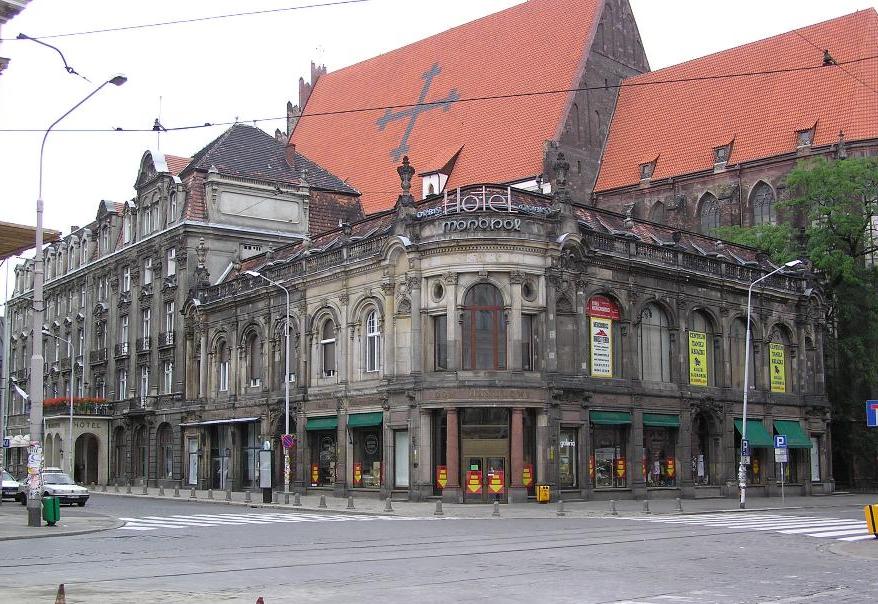
Surrounding the square are diverse architectural styles—from 19th-century tenements to modern developments—reflecting Wrocław’s layered past (wroclawguide.com). The area is a key transit hub, with tram lines and a roundabout facilitating movement across the city.
Cultural and Social Role
John Paul II Square is a central venue for public events, festivals, processions, and civic celebrations, reinforcing its role as a place of unity and exchange. The square’s proximity to theaters, museums, and the Wrocław Academy of Music makes it a cultural hotspot. Art installations and commemorative plaques evoke themes of peace, hope, and reconciliation, aligning with the legacy of Pope John Paul II (wroclaw.pl).
The square also serves as a gathering place for interfaith dialogue and ecumenical events, reflecting Wrocław’s diverse religious heritage. Its open, accessible design fosters a welcoming atmosphere for residents and visitors alike.
Visiting Hours, Tickets, and Accessibility
- Visiting Hours: John Paul II Square is an open public space accessible 24/7, year-round.
- Tickets: No entrance fees are required to visit the square. Nearby cultural venues may have their own ticket policies.
- Guided Tours: Local tour operators often include the square in city walking tours, offering historical context and insights.
- Accessibility: The square is designed for universal access, with level surfaces, tactile paving, and audible signals at crossings. Public transportation serving the square is wheelchair accessible (Wroclaw Explorer).
Travel Tips and Nearby Attractions
-
Getting There: The square is centrally located, served by multiple tram and bus lines, and is within a 10-minute walk of the Old Town and Market Square (sunshineseeker.com).
-
Amenities: Benches, green spaces, and nearby cafes and shops provide comfort and convenience.
-
Best Time to Visit: Spring and early autumn offer the most pleasant weather; early mornings and late afternoons tend to be quieter (Journey of Exploration).
-
Nearby Attractions:
- Market Square (Rynek): The vibrant heart of Wrocław with colorful townhouses and the Gothic Town Hall (Destination Abroad).
- Ostrów Tumski (Cathedral Island): The city’s oldest district, home to the Cathedral of St. John the Baptist (Happy Little Traveler).
- Wrocław Academy of Music: Noted for its concerts and architectural interest (Wikipedia).
-
Restrooms: Available in nearby shopping centers and cafes.
-
Safety: The square is well-lit and generally safe, with regular police presence.
-
Photography: The blend of historic and modern architecture, as well as the lively tram traffic, makes for excellent photo opportunities.
Memorialization and Contemporary Significance
Plaques and markers commemorate Pope John Paul II’s visits and the square’s role as a site of unity during periods of social and political transformation (hmdb.org). The square continues to host religious processions, city celebrations, and events marking the pope’s legacy, including the annual Papal Day and anniversary commemorations (wroclaw.pl).
Frequently Asked Questions (FAQ)
Q: Is there an entrance fee for John Paul II Square?
A: No, the square is a public space and free to access at any time.
Q: What are the best times to visit?
A: Spring and early autumn provide pleasant weather; mornings and late afternoons are less crowded.
Q: Is the square wheelchair accessible?
A: Yes, recent renovations have ensured full accessibility.
Q: Are guided tours available?
A: Yes, several local operators include the square in historical walking tours.
Q: What are nearby attractions?
A: Market Square, Ostrów Tumski, and the Wrocław Academy of Music are all within easy walking distance.
Visuals and Media
For a richer experience, explore high-quality images and virtual tours of John Paul II Square available from local tourism platforms. Photos with descriptive alt tags such as "John Paul II Square Wrocław historical sites" and "John Paul II Square Wrocław tram stop" improve accessibility and search visibility.
View map of John Paul II Square and nearby attractions
Summary and Final Tips
John Paul II Square is much more than a transit hub—it is a living symbol of Wrocław’s historical depth, cultural diversity, and spiritual legacy. Its dedication to Pope John Paul II embodies the city’s commitment to unity and resilience. The square’s recent redevelopment, accessible design, and central location make it an inviting space for both locals and visitors. Whether you’re attending a public event, exploring nearby historical sites, or simply enjoying a peaceful moment in the landscaped central area, the square offers a unique window into Wrocław’s past and present.
To make the most of your visit:
- Take advantage of guided tours for deeper historical context.
- Visit during spring or autumn for optimal weather.
- Use public transportation for easy access.
- Explore nearby attractions to experience the full richness of Wrocław’s heritage.
For ongoing updates and guided explorations, download the Audiala app and consult official tourism resources like visitwroclaw.eu and wroclaw.pl.
Listen to the full story in the app
Your Personal Curator, in Your Pocket.
Audio guides for 1,100+ cities across 96 countries. History, stories, and local insight — offline ready.
Audiala App
Available on iOS & Android
Join 50k+ Curators
Sources
- verified
- verified
- verified
- verified
- verified
- verified
Last reviewed: