Plan and listen to Hatzfeld Palace In Wrocław with Audiala.
Audio guide in your pocket, itinerary in your browser. Built for the way you actually visit.
Introduction to Hatzfeld Palace: What to Expect
Located in the heart of Wrocław, Poland, Hatzfeld Palace (Pałac Hatzfeldów) is a remarkable symbol of the city’s architectural and historical legacy. Its evolution from a medieval brewery to a grand Baroque and Classicist residence mirrors the cultural and political transformations of Silesia. Commissioned by Count Franz von Hatzfeld in the early 18th century and designed by Christoph Hackner and later Carl Gotthard Langhans—the architect of Berlin’s Brandenburg Gate—the palace reflects the stylistic transition between Baroque, Classicism, and Neo-Renaissance. Despite extensive destruction during the Seven Years’ War and World War II, followed by partial reconstruction, Hatzfeld Palace remains central to Wrocław’s cultural identity.
Currently, an ambitious restoration project is underway, led by private investors in collaboration with heritage authorities. The goal: to restore the palace’s original splendor while adapting it as a five-star hotel, blending historical preservation with modern luxury. Its prime location near Wrocław’s Market Square and proximity to other attractions such as the University of Wrocław and Centennial Hall make Hatzfeld Palace a must-visit for travelers and history enthusiasts.
While full public access is presently restricted due to ongoing works, temporary cultural events and exhibitions occasionally offer glimpses into its storied past. Visitors are encouraged to check official tourism resources for the latest information on visiting hours, tickets, and accessibility features that will be introduced post-restoration.
This guide provides a detailed exploration of Hatzfeld Palace’s history, architectural importance, practical visitor information, and restoration status, helping you plan an enriching visit to this iconic Wrocław landmark (architekturaibiznes.pl; wroclaw.pl; whitemad.pl).

Early Origins and Baroque Beginnings
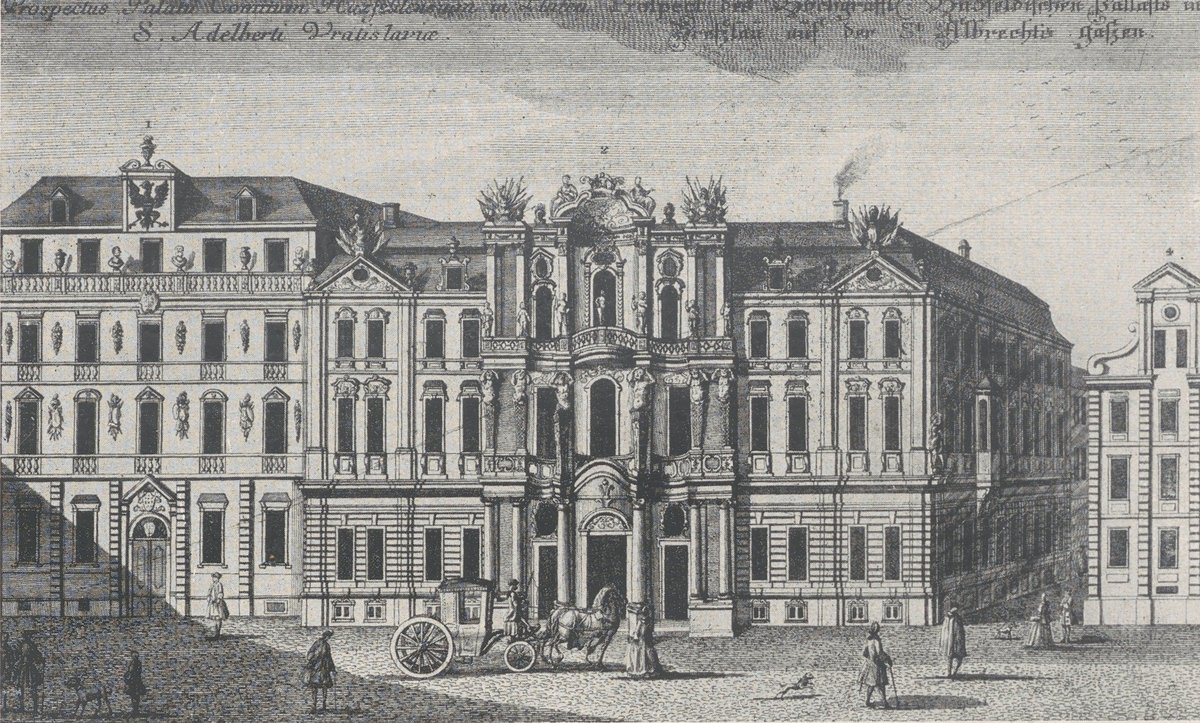
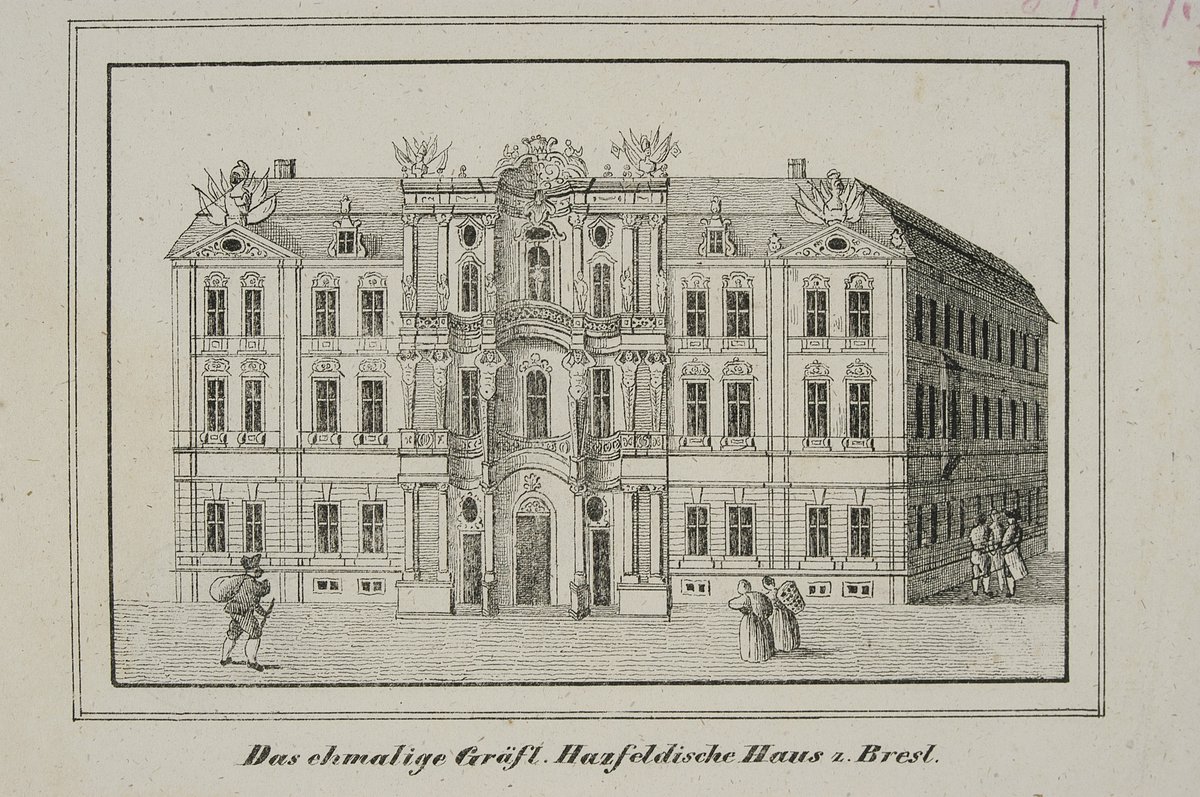
The site of Hatzfeld Palace dates to the Middle Ages as a ducal brewery for the Duke of Brzeg. By the 16th century, it served as a residence for the Dukes of Ziębice and Oleśnica (architekturaibiznes.pl). Between 1714 and 1722, Christoph Hackner designed the first Baroque palace here, commissioned by Count Franz von Hatzfeld. This Baroque residence shared the block with the curia of the Oleśnica-Wirtemberg princes (de.wikipedia.org).
Destruction and Classicist Reconstruction
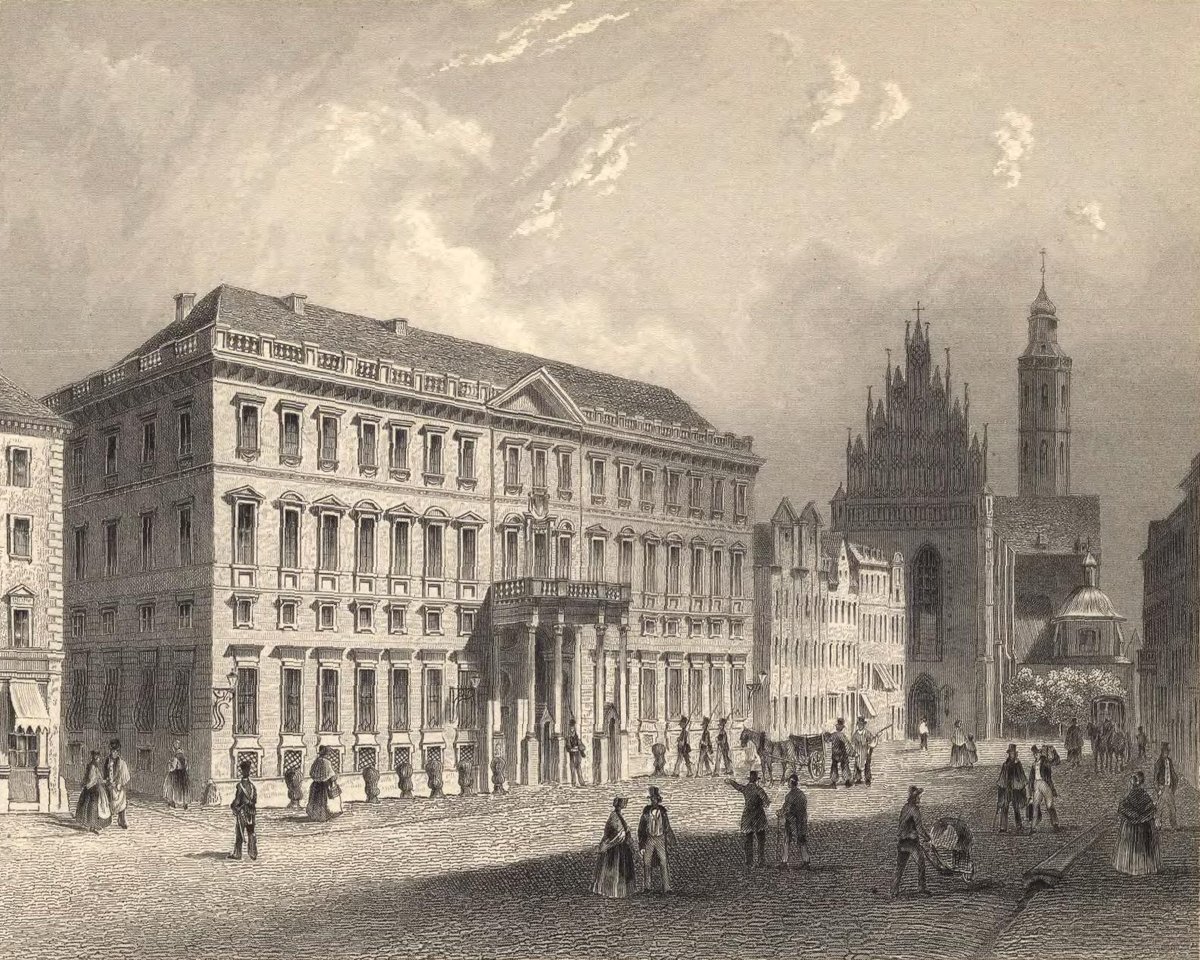
The original Baroque palace was destroyed in 1760 during the Seven Years’ War. By 1765, reconstruction began under French architect Isidore Canevale and Carl Gotthard Langhans, who later created Berlin’s Brandenburg Gate. Langhans updated the interiors and preserved Renaissance-inspired facades, finishing the project by 1773–1774—a significant introduction of Classicism and Neo-Renaissance to Wrocław (enjoywroclaw.wordpress.com).
Civic Use in the 19th Century
From 1802, the palace housed Wrocław’s provincial and district authorities for nearly 150 years, marking its shift from noble residence to civic landmark (architekturaibiznes.pl).
World War II and Postwar Challenges
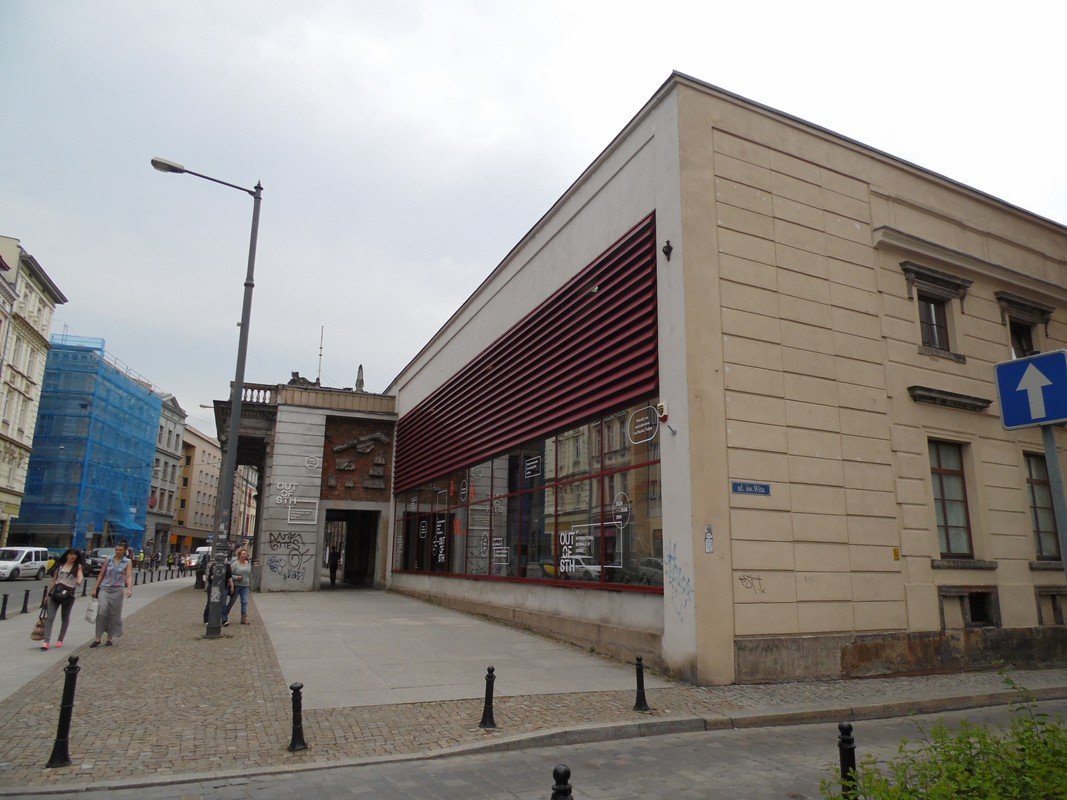
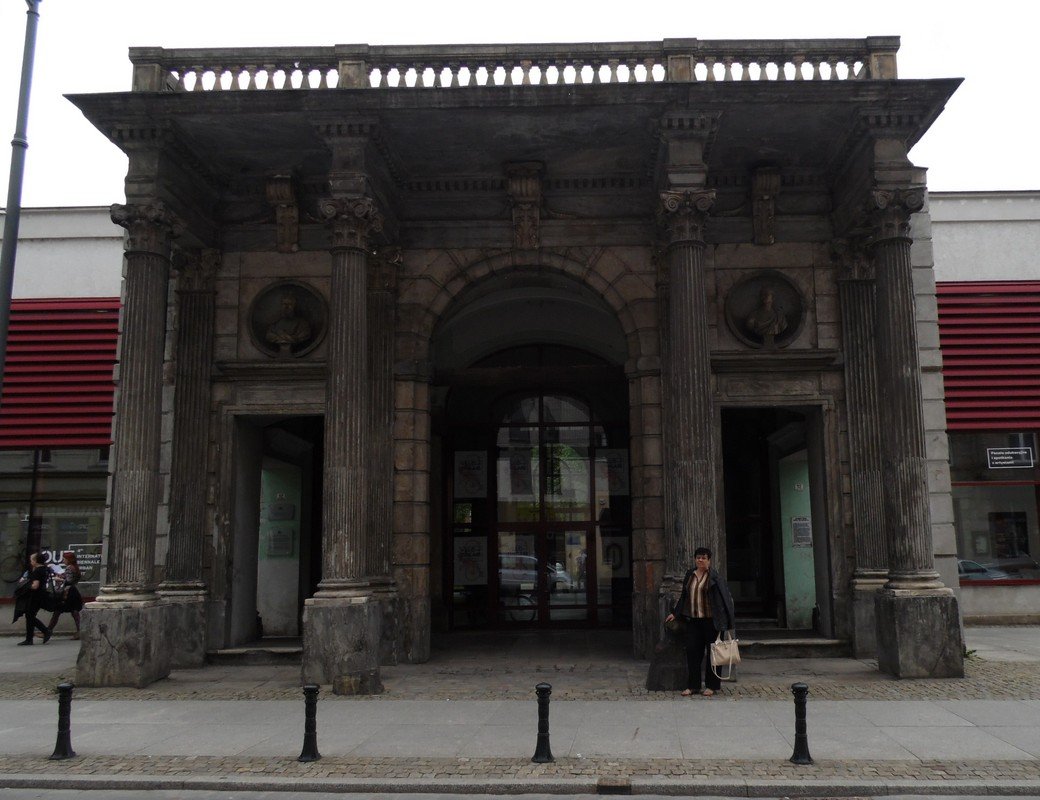
During the 1945 siege of Festung Breslau, the palace suffered devastating damage; the upper floors were demolished, and the building was set ablaze. Only fragments, including the entrance portal, survived. The postwar period saw further dismantling, with bricks used for reconstructing Warsaw (enjoywroclaw.wordpress.com). Full restoration was considered but never realized.
Modern Preservation and Art Gallery
In the 1960s, architect Edmund Małachowicz incorporated the surviving portal into a new building for the Awangarda Gallery, which became a hub for contemporary art until its closure in the early 21st century (de.wikipedia.org).
Current Reconstruction and Future Prospects
In 2007, the city resolved to reconstruct the palace. By 2021, Wrocław-based developer Rafin acquired the property, with plans to restore the palace and convert it into a five-star Marriott Autograph Collection hotel (invest-in-wroclaw.pl; wroclaw.pl). The project combines historical fidelity with modern amenities, aiming for completion within four years of construction commencement.
Visiting Hatzfeld Palace: Practical Information
Visiting Hours
As of June 2025, the palace is under active restoration, with no regular public access. Select areas may open for special events and exhibitions. For updates, consult the official Wrocław tourism website.
Tickets
Tickets are required for exhibitions and events, with prices varying by event. General palace tours will be available post-restoration.
Accessibility
The restoration incorporates modern accessibility features, including step-free entrances and accessible restrooms (invest-in-wroclaw.pl).
Travel Tips
- The palace is centrally located at Wita Stwosza 30–32, near Market Square.
- Public transport: Tram lines and bus connections are available; some machines may not accept cards, so carry cash (destinationabroad.co.uk).
- Parking is limited; ride-sharing or central accommodations are recommended.
- Wear comfortable shoes for walking tours.
Events and Tours
Cultural events and exhibitions (e.g., “Sztuka w Ogniu”) are held periodically during restoration. Guided tours will be available after reopening. Check event listings for schedules (wroclaw.pl).
Architectural Significance
Hatzfeld Palace is a key example of the transition from Baroque exuberance to Classicist restraint. Langhans’ work, especially, established new architectural trends in Wrocław and Central Europe. The palace once featured lavish interiors, including the Beyersdorf Room with Dutch tiles and formal Baroque gardens (thecrazytourist.com).
The current reconstruction aims to harmonize with the historic urban fabric, restoring decorative details and integrating luxury hotel amenities, a move praised by heritage commissions (whitemad.pl).
Timeline of Key Events
- Middle Ages: Ducal brewery on site
- 16th Century: Residence of Dukes of Ziębice and Oleśnica
- 1714–1722: Baroque palace built by Hackner
- 1760: Destroyed in Seven Years’ War
- 1765–1774: Classicist reconstruction by Canevale and Langhans
- 1802: Becomes civic administration seat
- 1945: Heavily damaged in WWII
- 1960s: Partial reconstruction, Awangarda Gallery established
- 2007: City commits to full reconstruction
- 2021: Rafin acquires palace for luxury hotel conversion
Frequently Asked Questions (FAQ)
Q: Can I visit the interior of Hatzfeld Palace now?
A: No, the interior is closed due to restoration. Fragments can be viewed from outside.
Q: Are tickets required?
A: Tickets are needed for special events and exhibitions. General entry will be ticketed post-restoration.
Q: Is the palace accessible for people with disabilities?
A: Yes, the new design includes full accessibility.
Q: When will the palace reopen fully?
A: Completion is projected within four years of construction start, following the 2025 property sale.
Q: Are guided tours available?
A: Guided tours will be offered after the reopening.
Explore More and Stay Connected
For updates, download the Audiala app and follow Wrocław’s official tourism social channels.
Visual Gallery
- Photo: Hatzfeld Palace ruins with surviving portico (alt: "Hatzfeld Palace ruins in Wrocław Old Town")
- Rendering: Architectural visualization of planned reconstruction (alt: "Rendering of reconstructed Hatzfeld Palace with hotel integration")
- Map: Location of Hatzfeld Palace near Market Square (alt: "Map of Hatzfeld Palace location in Wrocław city center")
Summary and How to Visit Hatzfeld Palace
Hatzfeld Palace is a resilient symbol of Wrocław’s history and architectural innovation. Its restoration as a luxury hotel will further enrich the city’s cultural landscape. For now, while full access awaits project completion, its central location and occasional events invite exploration and engagement with Wrocław’s living heritage. Stay informed via official tourism channels and the Audiala app for the latest updates, ticketing information, and special events (wroclaw.pl; architekturaibiznes.pl; whitemad.pl).
Listen to the full story in the app
The whole Hatzfeld Palace In Wrocław,
told well.
Audio guides for 1,100+ cities across 96 countries. History, stories, and local insight — offline ready.
Verified, and shown.
Researched and written by the Audiala editorial team from historical records, architectural archives, and local expertise.
Researched from Wikidata, Wikipedia & official sources · fact-checked · How we make our guides →