Plan and listen to Four Domes Pavilion, Wrocław with Audiala.
Audio guide in your pocket, itinerary in your browser. Built for the way you actually visit.
Introduction
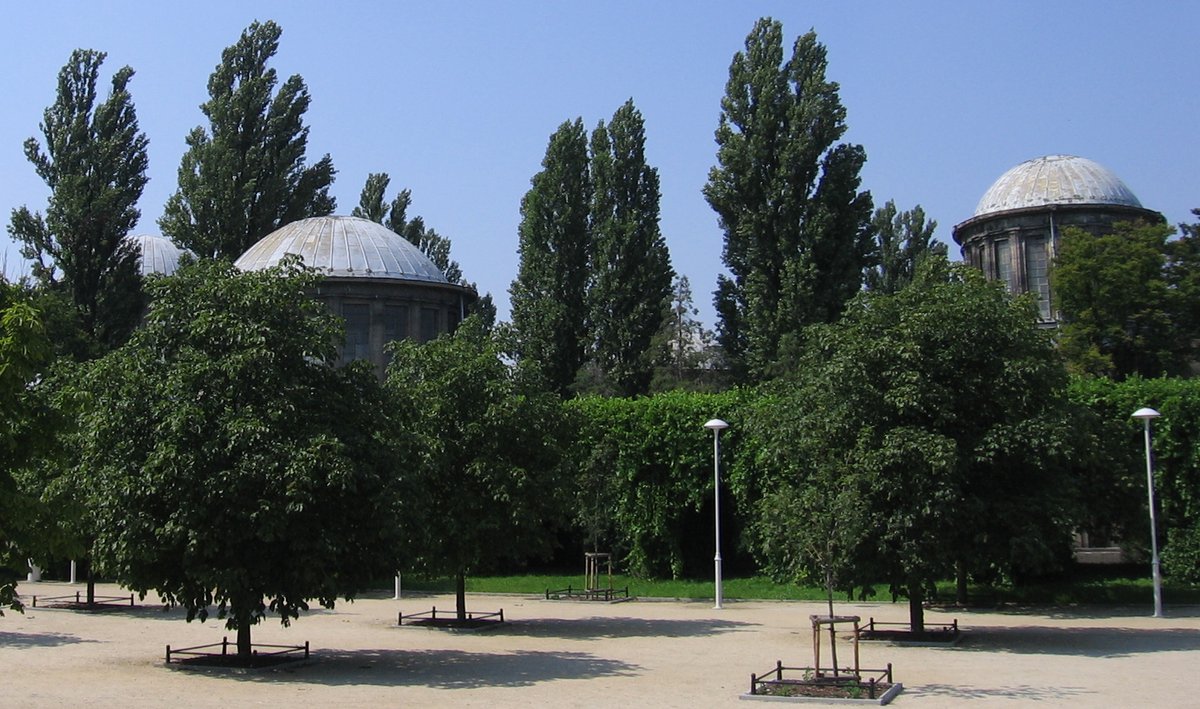
The Pawilon Czterech Kopuł, or the Four Domes Pavilion, is a landmark of immense historical and cultural value in Wrocław, Poland. Designed by the renowned German architect Hans Poelzig, this architectural marvel was built between 1912 and 1913 as part of the Centennial Exhibition, celebrating the 100th anniversary of the Prussian victory over Napoleon at the Battle of Leipzig. Its distinctive four domes and innovative use of reinforced concrete mark it as a prime example of early 20th-century modernist architecture. Over the years, this pavilion has transitioned from housing industrial displays to becoming a vibrant cultural hub, now functioning as a branch of the National Museum in Wrocław and home to the Museum of Contemporary Art (source).
The Four Domes Pavilion stands as a testament to Wrocław's rich and dynamic history. Throughout its existence, it has been a venue for exhibitions, social events, and even a film studio, significantly contributing to Polish cinema. After suffering damage during World War II and undergoing various uses, a major restoration project in the early 21st century revitalized the pavilion, preserving its architectural heritage while updating it to modern standards. Reopened in 2015, it now plays a crucial role in Wrocław's cultural landscape, hosting important exhibitions and educational programs that engage both locals and tourists alike (source).



History of Pawilon Czterech Kopuł
Origins and Construction
The Pawilon Czterech Kopuł, located in Wrocław, Poland, was constructed between 1912 and 1913 as part of the Centennial Exhibition, commemorating the 100th anniversary of the Prussian victory over Napoleon at the Battle of Leipzig. Designed by the renowned German architect Hans Poelzig, the pavilion is celebrated for its four distinctive domes that contribute to its unique silhouette.
Architectural Significance
The pavilion is a prime example of early 20th-century modernist architecture, incorporating elements of Art Nouveau and early modernism. Its structure of reinforced concrete, a novel material at the time, enabled the creation of expansive interior spaces and the iconic domes. The design reflects Poelzig's interest in organic forms and the expressive potential of architecture (source).
Historical Events and Uses
Initially, the pavilion housed art and industrial displays during the Centennial Exhibition. Post-exhibition, it became a venue for cultural and social events, hosting exhibitions, concerts, and public gatherings. During World War II, the pavilion suffered damage but was not destroyed. Post-war, it served as a storage facility and later as a film studio for Wytwórnia Filmów Fabularnych, significantly contributing to Polish cinema (source).
Restoration and Modern Use
A major restoration project in the early 21st century aimed to preserve the pavilion's architectural heritage while updating it to modern standards. Completed in 2015, the pavilion reopened as a branch of the National Museum in Wrocław, now housing the Museum of Contemporary Art. It features a permanent collection of Polish contemporary art and temporary exhibitions (source).
Cultural Impact
The Pawilon Czterech Kopuł is a symbol of Wrocław's cultural history, reflecting the city's changing political and social landscape. Its restoration and transformation into a museum have revitalized the surrounding area and underscored Wrocław's dynamic cultural scene.
Notable Exhibitions and Events
Since its reopening, the pavilion has hosted numerous exhibitions, including retrospectives of prominent Polish artists like Magdalena Abakanowicz and Tadeusz Kantor. These exhibitions highlight the museum's commitment to showcasing diverse artistic expressions and fostering dialogue between different art traditions (source).
Architectural Tours and Educational Programs
The pavilion offers architectural tours and educational programs to engage visitors with its history and contemporary art collections. These programs include workshops, lectures, and guided tours, aiming to foster a deeper understanding and appreciation of art and architecture (source).
Visitor Information
Visiting Hours
Pawilon Czterech Kopuł is open from Tuesday to Sunday. For the most accurate visiting hours, please refer to the official website of the National Museum in Wrocław.
Ticket Prices
Tickets can be purchased at the museum or online. Prices vary for adults, students, and seniors. For the latest ticket information, check the official website.
Travel Tips
- Location - The pavilion is located at ul. Wystawowa 1, Wrocław, Poland.
- Public Transport - Easily accessible by tram and bus. Check local schedules for the most convenient routes.
- Parking - Available nearby for those traveling by car.
Nearby Attractions
- Centennial Hall - A UNESCO World Heritage site located adjacent to the pavilion.
- Japanese Garden - A serene spot perfect for a leisurely stroll, located within walking distance.
- Wrocław Zoo - One of the oldest zoos in Poland, located nearby for family-friendly visits.
Accessibility
The pavilion is wheelchair accessible, with ramps and elevators available for ease of movement. For any specific accessibility needs, please contact the museum in advance (source).
FAQ
Q: What are the visiting hours for Pawilon Czterech Kopuł? A: The pavilion is open from Tuesday to Sunday. Please check the official website for the most up-to-date hours.
Q: How much are the tickets for Pawilon Czterech Kopuł? A: Ticket prices vary. For the latest information, visit the official website of the National Museum in Wrocław.
Q: Is the pavilion accessible for visitors with disabilities? A: Yes, the pavilion is wheelchair accessible. Ramps and elevators are available.
Listen to the full story in the app
The whole Four Domes Pavilion, Wrocław,
told well.
Audio guides for 1,100+ cities across 96 countries. History, stories, and local insight — offline ready.
Verified, and shown.
Researched and written by the Audiala editorial team from historical records, architectural archives, and local expertise.
Researched from Wikidata, Wikipedia & official sources · fact-checked · How we make our guides →