Introduction
Wrocław, celebrated for its vibrant cultural scene and rich musical heritage, is home to the Filharmonia im. Witolda Lutosławskiego (Wrocław Philharmonic). Housed within the cutting-edge National Forum of Music (Narodowe Forum Muzyki, NFM), the Philharmonic stands as a symbol of Poland’s musical legacy and innovative spirit. This guide provides a detailed overview of the Philharmonic’s historical significance, architectural marvels, visitor information—including ticketing and accessibility—and recommendations for exploring nearby Wrocław historical sites. Whether you are a seasoned classical music enthusiast or a culture-seeking traveler, the Wrocław Philharmonic promises an unforgettable experience (NFM Wrocław Official Website, Wrocław Travel, Culture.pl).
Historical Development of the Wrocław Philharmonic
The origins of Wrocław’s symphonic tradition date back to the early 20th century. After World War II, the city’s cultural institutions were revitalized, and the Wrocław Philharmonic emerged as a beacon of musical excellence in Lower Silesia. The orchestra played a pivotal role in postwar recovery, with its first symphonic concert held just weeks after the war, symbolizing hope and renewal (NFM Wrocław - Historia).
In 1954, the Philharmonic was officially established, and by 1968, it secured its own concert hall at ul. Marszałka J. Piłsudskiego 19. The building’s functionalist design prioritized superior acoustics and comfort, reflecting the era’s modernist trends (culture.pl). Over the decades, the Philharmonic expanded its repertoire, collaborated with international artists, and became a core institution in Poland’s cultural landscape.
The National Forum of Music: Vision and Architecture
By the early 21st century, Wrocław’s cultural ambitions necessitated a world-class venue that could support the Philharmonic’s growth and host international festivals. The result was the National Forum of Music (NFM), realized through the advocacy of figures such as Andrzej Kosendiak and with support from local and national authorities (wroclaw.travel).
Completed in 2015, the NFM at Plac Wolności 1 is a striking example of modern architecture designed by Kuryłowicz & Associates. Its exterior draws inspiration from string instruments, with a curved silhouette and timber-like façade panels that harmonize with the Old Town’s character. Inside, the complex features:
- Main Concert Hall: 1,804 seats, variable acoustics, and an organ by Orgelbau Klais (batogospot.pl)
- Three Chamber Halls: Each accommodating 250–450 guests for intimate performances
- Foyer: Dramatic, multi-level entrance with design elements reminiscent of piano keys (archello.com)
- Supporting Facilities: Rehearsal spaces, recording studios, exhibition areas, restaurants, and a 700-space underground parking garage (glamox.com)
The NFM’s innovative design and state-of-the-art acoustics make it one of Europe’s premier music venues.
Honoring Witold Lutosławski
The Philharmonic’s dedication to Polish musical heritage is underscored by its namesake, Witold Lutosławski—one of Poland’s most acclaimed composers. Naming the institution after him reflects a commitment to both tradition and contemporary music, embodying the dynamic interplay of history and innovation that defines the NFM’s mission (its-poland.com).
Cultural Programming and International Recognition
The NFM Wrocław Philharmonic is at the heart of the city’s cultural life, hosting over ten major festivals annually, such as Wratislavia Cantans and Musica Polonica Nova. The Philharmonic’s programming balances classical masterpieces with modern premieres and historically informed performances, attracting world-class artists and audiences from around the globe (RMF Classic - NFM koncerty).
The venue also offers educational initiatives, workshops, and masterclasses, nurturing future generations of musicians and broadening access to the arts.
Visitor Information: Hours, Tickets, Accessibility
Visiting Hours
- NFM Opening Hours: Daily, 10:00 AM – 8:00 PM. Concert halls open one hour before performances.
- Box Office: Monday to Sunday, 10:00 AM – 8:00 PM, with extended hours on concert days.
- Philharmonic Building: Open for concerts, events, and guided tours—check the official NFM website for updates.
Tickets and Booking
- Where to Buy: Online via the NFM official website, at the box office (Plac Wolności 1), or through authorized partners.
- Pricing: Standard concert tickets range from 40 PLN (reduced) to 120 PLN (premium). Discounts for students, seniors, and groups are available.
- Refunds: Usually non-refundable, except in cases of event cancellation or significant changes.
Accessibility
- Facilities: Step-free access, elevators, designated seating, hearing assistance devices.
- Special Needs: Contact the box office in advance for tailored assistance.
Getting There
- Location: Plac Wolności 1, Wrocław—centrally situated and easily accessible by tram, bus, or on foot.
- Parking: NFM offers a large underground garage; public transport is recommended due to the city center location.
What to Expect: Architecture, Tours, and Nearby Attractions
Architecture and Design
Both the historic Philharmonic building and the modern NFM complex offer striking architectural features. The Philharmonic’s 1960s functionalist design contrasts with the NFM’s contemporary, instrument-inspired form. The NFM’s foyer and main hall are particularly photogenic, with warm wood finishes and dramatic lighting.
Guided Tours
The NFM and Philharmonic offer occasional guided tours, providing insights into their history, architecture, and backstage areas. Tours are typically available by appointment; check the NFM website for details.
Nearby Historical Sites
Take advantage of the Philharmonic’s central location to explore:
- Wrocław Market Square (Rynek): A short walk away, featuring Gothic and Renaissance architecture.
- Ostrów Tumski (Cathedral Island): Wrocław’s oldest part, renowned for its cathedrals and atmospheric streets.
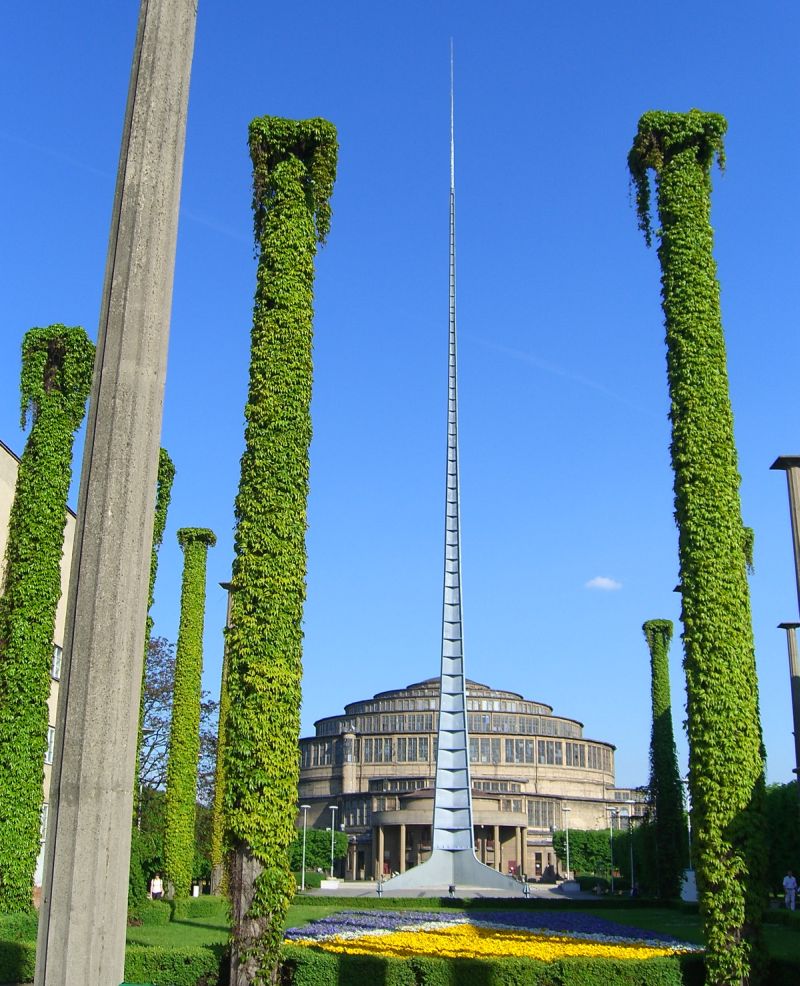
- Centennial Hall: A UNESCO World Heritage Site, accessible via public transport.
- Wrocław Opera House: Directly opposite the NFM.
Artistic Leadership and Resident Ensembles
Visionary leaders such as Adam Kopyciński and Tadeusz Strugała shaped the Philharmonic’s postwar evolution (Miaster.pl - Filharmonia Wrocławska). Today, world-renowned conductors—including Giancarlo Guerrero and Christoph Eschenbach (from September 2024)—guide the ensemble. The Philharmonic is home to several resident groups:
- NFM Orchestra Leopoldinum
- Wrocław Baroque Ensemble
- NFM Choir
This diversity fosters a rich and varied concert program.
Concert Programming and Festivals
Regular Concerts
The NFM Wrocław Philharmonic presents:
- Symphonic and chamber concerts
- Choral-orchestral projects
- Family and educational concerts
Major Festivals
- Wratislavia Cantans: International festival of oratorio and cantata music.
- Musica Polonica Nova: Biennial celebration of contemporary Polish music.
- Special Galas: Including upcoming international guest performances.
Season Structure
The concert season runs from September to June. Check the NFM calendar for the latest events.
Practical Visitor Tips
- Book tickets early for popular events and festivals.
- Arrive 30 minutes before the concert to settle in and enjoy the ambiance.
- Dress code: Smart casual; semi-formal for gala events.
- Photography: Not permitted during performances.
- Combine your visit with sightseeing in the Old Town and nearby attractions.
- Download the Audiala app for easy ticket management and event updates.
Frequently Asked Questions (FAQ)
Q: What are the NFM’s visiting hours?
A: Daily, 10:00 AM – 8:00 PM; concert halls open an hour before events.
Q: How do I buy concert tickets?
A: Online via the NFM website, at the box office, or through authorized outlets.
Q: Is the venue accessible?
A: Yes, with step-free access, elevators, and assistance for visitors with disabilities.
Q: Are guided tours available?
A: Yes, by appointment—contact the NFM for details.
Q: What are nearby historical attractions?
A: Market Square, Centennial Hall, Ostrów Tumski, and the Opera House.
Listen to the full story in the app
Your Personal Curator, in Your Pocket.
Audio guides for 1,100+ cities across 96 countries. History, stories, and local insight — offline ready.
Audiala App
Available on iOS & Android
Join 50k+ Curators
Sources
- verified
- verified
- verified
- verified
Last reviewed: