Introduction
The Church of St. Dorothea, Wenceslaus, and Stanislaus (Kościół św. Doroty, Wacława i Stanisława) is one of Wrocław’s most distinguished historical and architectural landmarks. Founded in 1351 by Holy Roman Emperor Charles IV, this Gothic masterpiece stands as a testament to the city’s medieval heritage and enduring religious traditions. Its imposing presence near the Świdnica Gate, between the city’s historic walls, highlights its strategic and symbolic importance in the history of Silesia, Bohemia, and Poland.
Today, the church continues to serve as an active place of worship, a cultural venue, and a must-see destination for visitors interested in history, architecture, and religious art. This comprehensive guide provides essential information on visiting hours, tickets, accessibility, guided tours, and nearby attractions to help you make the most of your visit. For the latest updates, consult the church’s official website and Wrocław Tourist Information.
Photo Gallery
Explore Church of St. Dorothea in Pictures

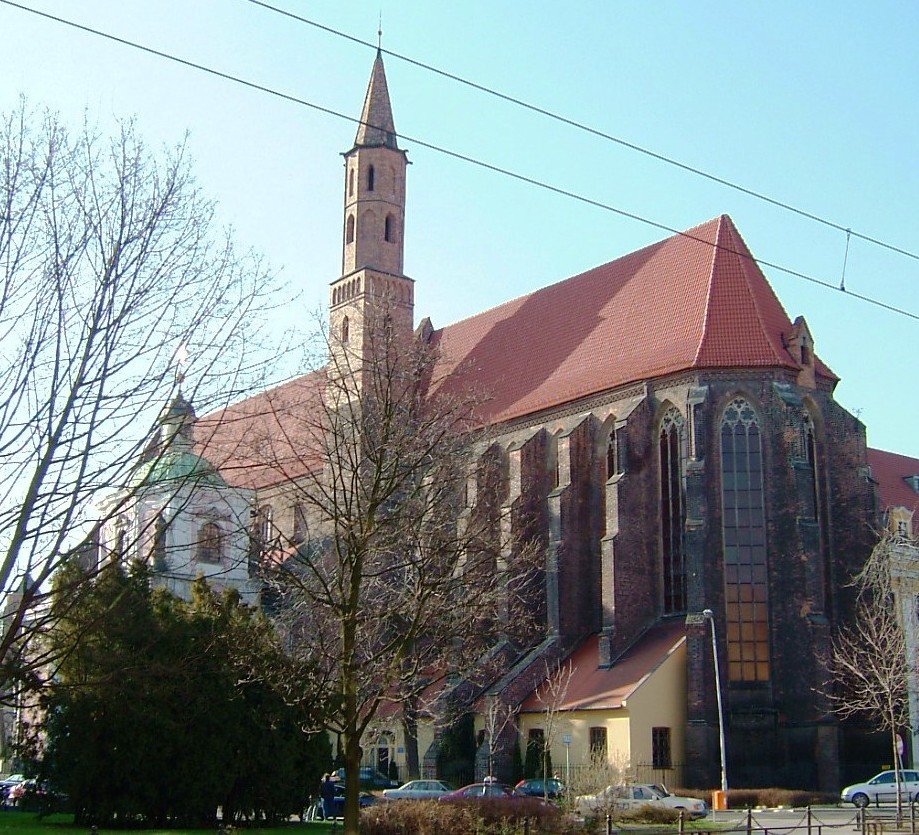
Gothic architecture of Saint Stanislaus, Dorothea and Wenceslaus Church located in Wrocław, Poland

A scenic view of Saint Dorothy Church located in Wrocław, showcasing its historic architecture against a bright blue sky.

SOLPOL post-modern department store designed by architect Wojciech Jarząbek, located on Swidnicka Street in Wroclaw, Poland

Exterior view of the Hotel Monopol in Wroclaw showcasing its historic architecture under a clear blue sky

Historic St. Dorothea's, St. Waclaw's, and St. Stanislaw's Church located in Wroclaw, Poland showcasing Gothic architecture

View of the street crossing at Świdnicka, Modrzejewskiej and Teatralna streets in Wrocław, Poland, featuring city buildings and urban street life
Origins and Foundation
The church was established in 1351 by Emperor Charles IV on land repurchased from Wrocław’s burghers. Dedicated in 1354 to Saints Wenceslaus, Stanislaus, and Dorothy, its founding reflected the close political and religious ties uniting Silesia and Bohemia. This triple dedication is echoed in the heraldic emblems still visible on the building’s exterior. The church originally formed the heart of an Augustinian hermits’ monastery, later administered by the Franciscan Order (Wrocław Official Tourism, Polska Niezwykła).
Architectural Evolution
- Gothic Beginnings: Construction began with the eastern chancel, completed by 1381, featuring ribbed vaults and sandstone coats of arms.
- Late Medieval Additions: After a partial collapse in 1448, the church was rebuilt with a new vaulted ceiling and a bell tower added by 1455.
- Baroque and Later Modifications: The interior was enriched with Baroque altarpieces and a Rococo monument between 1690 and 1750.
- 19th–20th Century Changes: Secularization in 1811 led to the monastery’s municipal repurposing. The church underwent regothicisation and restoration, surviving World War II with little damage.
Architectural Highlights
Exterior Design and Layout
Set on Świdnicka Street, the church’s western façade is striking for its stepped buttresses and pointed Gothic portal, surmounted by a lofty gable. The side façades feature buttresses crowned with pinnacles, especially around the presbytery. Eighteen sandstone coats of arms under the chancel windows commemorate the unity between Bohemia, Poland, and Silesia.
Construction and Structure
Building commenced in 1351, focusing on the chancel, sacristy, and tower. The nave’s vaults and roof were completed by the late 14th century, with the western gable and roof truss showcasing advanced medieval techniques. Master builders Peter or Paul are credited with the design.
Hall Church Typology
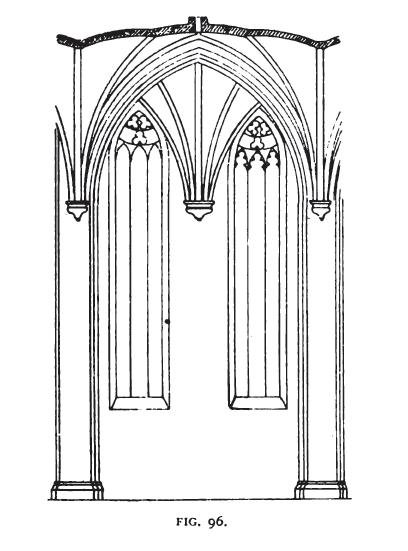
St. Dorothea exemplifies the Gothic hall church, with nave and aisles of similar height, maximizing interior spaciousness and light. Slender columns and ribbed vaults create an airy, harmonious effect typical of Central European Gothic architecture.
Interior Features
While some original elements were lost in 19th-century renovations and secularization, the 14th-century stone sacramentary remains. The ribbed vaults and large stained-glass windows funded by patrons illuminate the nave. The Baroque main altar and intricately carved pulpit stand out among the church’s liturgical furnishings.
Monastery Complex and Alterations
The church was once part of an Augustinian monastery, repurposed after 1810 for civic functions and mostly demolished in the late 19th century. Only parts of the cloister survive, now annexed to the church’s southern side. A new Gothic portal and forecourt enhance the western entrance.
Preservation and Restoration
The church is one of Wrocław’s best-preserved medieval structures, thanks to limited wartime damage and careful restoration. Original Gothic elements have been preserved alongside later Baroque additions.
Decorative and Symbolic Elements
Sandstone heraldic coats of arms, sculpted portals, and stained glass windows narrate the church’s origins as a monument to political unity and spiritual devotion. Altarpieces and sculptures depict St. Dorothea and other saints, with conservation efforts protecting these treasures for future generations.
Architectural Context
St. Dorothea complements other major Gothic churches in Wrocław, such as St. Elizabeth’s and St. Matthew’s, and is an integral part of the city’s historic landscape.
Visiting Information
Hours
- Monday to Saturday: 9:00 AM – 6:00 PM
- Sunday: 12:00 PM – 6:00 PM
- Note: Hours may vary during holidays or special events. Always check the official website before your visit.
Tickets
- Admission: Free for individual visitors.
- Guided Tours: Available by prior booking; group tours may require a fee.
Accessibility
- Wheelchair ramps at the main entrance.
- Assistance available upon request (contact the parish office in advance for special needs).
Guided Tours and Events
- Regular guided tours in multiple languages focus on the church’s history, art, and architecture.
- The church hosts concerts, lectures, and community events, especially during religious festivals and the annual “Night of Churches” (Noc Kościołów).
Travel Tips and Nearby Attractions
- Easily accessible by tram, bus, or on foot from the Market Square.
- Nearby attractions: Market Square, St. Elizabeth’s Church, Ostrów Tumski, University of Wrocław, and the Panorama of the Battle of Racławice.
- Street parking is limited; public transport is recommended.
- Early mornings and late afternoons are the quietest times to visit.
Cultural Significance
The Church of St. Dorothea remains a living part of Wrocław’s spiritual and cultural life. Its triple dedication and heraldic iconography symbolize the city’s historical alliances and diverse heritage. As part of the “Four Temples District,” the church embodies Wrocław’s tradition of religious tolerance and multiculturalism (mywanderlust.pl).
Community Role and Events
Administered by the Franciscan Order (Franciszkanie Wrocław), the church holds regular Masses, sacraments, and celebrations, including the feast of St. Dorothea on February 6th. It is active in charitable and educational initiatives, serving as a hub for parish and civic life.
Practical Tips and Etiquette
- Dress Code: Modest attire is expected (shoulders and knees covered; hats removed).
- Photography: Permitted without flash or tripod; prohibited during services or in sacred areas unless indicated.
- Language: Staff are helpful; English is spoken, but basic Polish phrases or a translation app can enhance your visit.
- Weather: Be prepared for variable conditions, especially if exploring Wrocław on foot.
- Safety: The area is safe and well-patrolled; remain mindful of personal belongings.
For Polish religious customs and etiquette, see Polish Customs: Do’s and Don’ts.
Recommended Photographic Spots
- Western façade with stepped buttresses and Gothic portal
- Chancel windows with coats of arms
- Interior views of ribbed vaulting and slender columns
- Baroque pulpit and main altar
- Remnants of the cloister annex
Frequently Asked Questions (FAQ)
Q: What are the visiting hours?
A: Monday–Saturday 9:00 AM–6:00 PM, Sunday 12:00 PM–6:00 PM; hours may vary on holidays.
Q: Is there an entrance fee?
A: Admission is free; donations are appreciated. Fees may apply for guided tours or special events.
Q: Are guided tours available?
A: Yes, regularly in multiple languages. Book in advance via the official website.
Q: Is the church accessible for visitors with disabilities?
A: Yes, via ramps at the main entrance. Contact ahead for assistance.
Q: Can I take photographs inside?
A: Yes, discreetly and without flash, except during services.
Q: What nearby attractions are recommended?
A: Market Square, Ostrów Tumski, St. Elizabeth’s Church, University of Wrocław, and local cafes.
Listen to the full story in the app
Your Personal Curator, in Your Pocket.
Audio guides for 1,100+ cities across 96 countries. History, stories, and local insight — offline ready.
Audiala App
Available on iOS & Android
Join 50k+ Curators
Sources
-
verified
Church of St
Dorothea, Wenceslaus, and Stanislaus Wrocław: Visiting Hours, Tickets & Historical Guide, 2025
-
verified
Visiting St
Dorothea Church Wrocław: Architectural Highlights, Tickets, and Hours, 2025
-
verified
Visiting the Church of St
Dorothea in Wrocław: History, Tickets, and Visitor Information, 2025
-
verified
Church of St
Dorothea Visiting Hours and Visitor Guide | Wrocław Historical Sites, 2025
-
verified
Polska Niezwykła - Kościół św
Doroty, 2025
- verified
- verified
- verified
- verified
- verified
Last reviewed: