Piast Dynasty
church
1000
First Mentioned as Wrotizlava
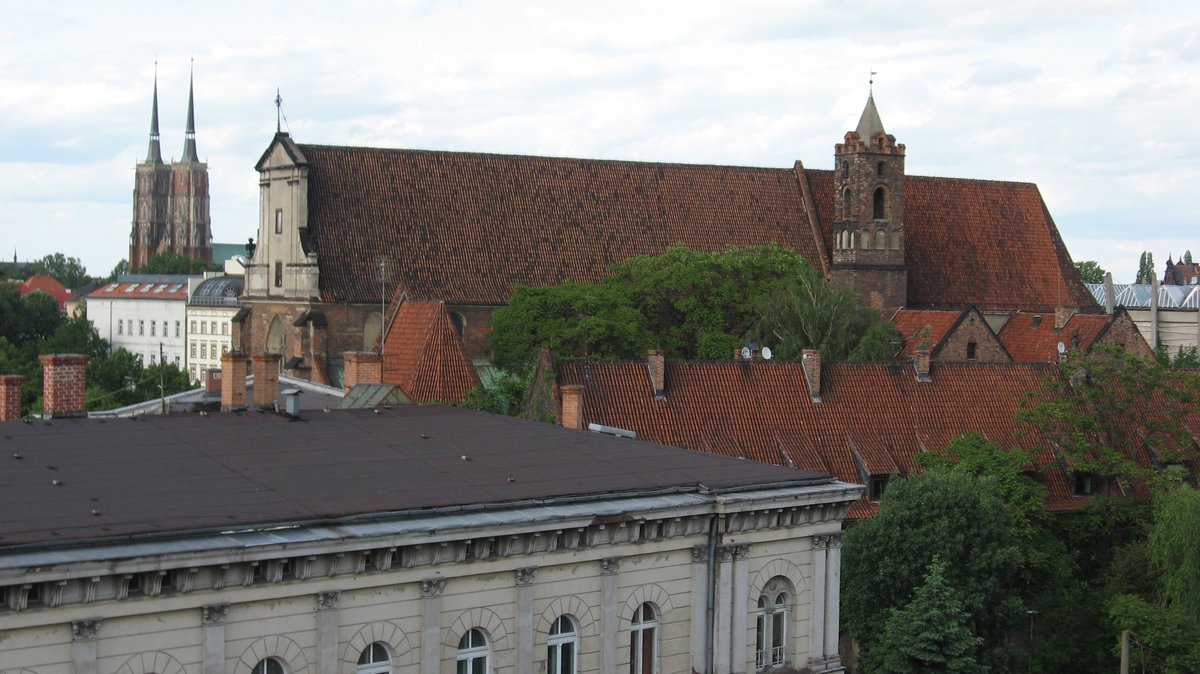
Thietmar of Merseburg records the name of a Piast stronghold on the island the Poles called Ostrów Tumski. The wooden fort already guarded a crossing on the Oder. Its smell was of pine resin, river mud and woodsmoke. Within decades the bishopric was founded here, anchoring the Catholic Church in Silesia.
local_fire_department
1241
Mongols Burn the City
Fearing the approaching horde, inhabitants set their own town ablaze. The Mongols still crossed the frozen Oder but found nothing worth staying for. When they left, only the cathedral island still stood. The survivors began again on the right bank.
gavel
1242
Magdeburg Rights Granted
Duke Henry II gave the rebuilt settlement municipal autonomy modeled on Magdeburg law. German settlers poured in. The market square was laid out exactly as you see it today, 207 by 175 meters of open space ringed by wooden stalls that would soon become stone townhouses.
Bohemian Crown
castle
1320
Becomes Capital of Silesia
The duchy’s seat moved permanently to Wrocław. The smell of money replaced the smell of smoke. Cloth merchants and metalworkers filled the streets. The city’s German character began to harden.
gavel
1348
Bohemian Crown Absorbs Silesia
Charles IV brought Wrocław into the Bohemian sphere. The Old Town Hall received its first stone extensions. Light through the new Gothic windows fell on merchants speaking four languages. The city grew rich under distant Prague.
school
1474
First University Attempt Fails
Papal permission arrived but local bishops blocked the project. The idea waited another 228 years. In the meantime the city built one of the largest town halls in Europe, its spire visible for miles across the Silesian plain.
Habsburg Era
gavel
1526
Habsburgs Inherit the City
After Mohács the Austrian Habsburgs claimed Silesia. Catholic processions still wound through streets now full of Lutheran preaching. The tension would simmer for two centuries.
local_fire_department
1633
Plague Kills Half the Population
Eighteen thousand bodies were buried beyond the walls. The survivors rang church bells for weeks. When the epidemic finally lifted, the city smelled of vinegar and wet lime used to whitewash houses against further contagion.
school
1702
Jesuit University Opens
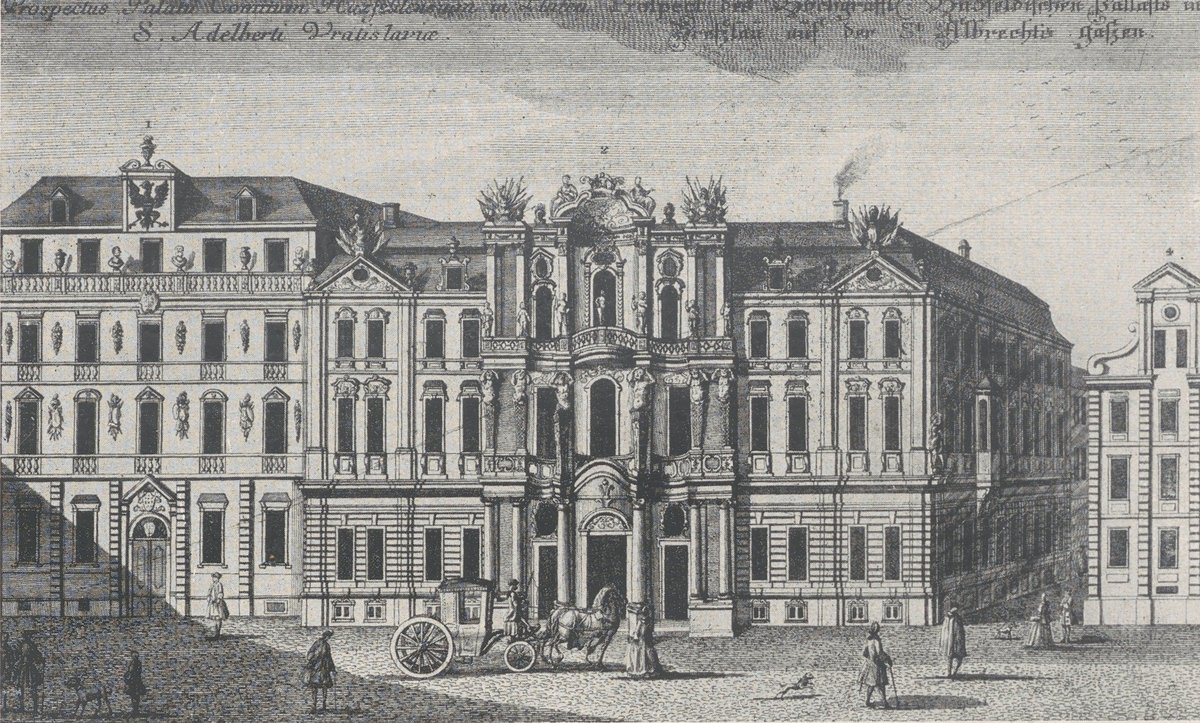
Leopold I finally granted the charter. Lectures began in Latin inside a former palace on what is now Uniwersytecki Square. The first students walked across floors still blackened by the fires of 1633.
Prussian Rule
swords
1742
Frederick the Great Seizes Breslau
Prussian troops marched in after the War of the Austrian Succession. The city became Breslau, a Prussian fortress. Baroque mansions replaced many medieval houses. The smell of coffee and pipe tobacco replaced incense in the better salons.
swords
1807
Napoleon Dismantles the Fortifications
French troops occupied the city. Napoleon ordered the medieval walls torn down to prevent future resistance. The rubble became the core of today’s ring of parks. For the first time in 500 years the city breathed without stone collars.
science
1811
Johann Dzierzon Discovers Parthenogenesis
Working in a village near Breslau, the priest-beekeeper proved that drone bees develop from unfertilized eggs. His wooden observation hives still sit in the museum. The discovery quietly rewrote biology while Europe fought Napoleon.
German Empire
factory
1842
First Railway Reaches the City
The line from Upper Silesia arrived at the new station. Steam whistles echoed where horses once stamped. Within decades the city became a rail junction. Its factories began to outgrow its medieval walls.
person
1882
Max Born Is Born
The future Nobel physicist entered the world on Kaiser-Wilhelm-Strasse. Young Max watched zeppelins drift above the city’s spires. Quantum mechanics would later owe more to this Breslau boy than many admit.
castle
1913
Centennial Hall Completed
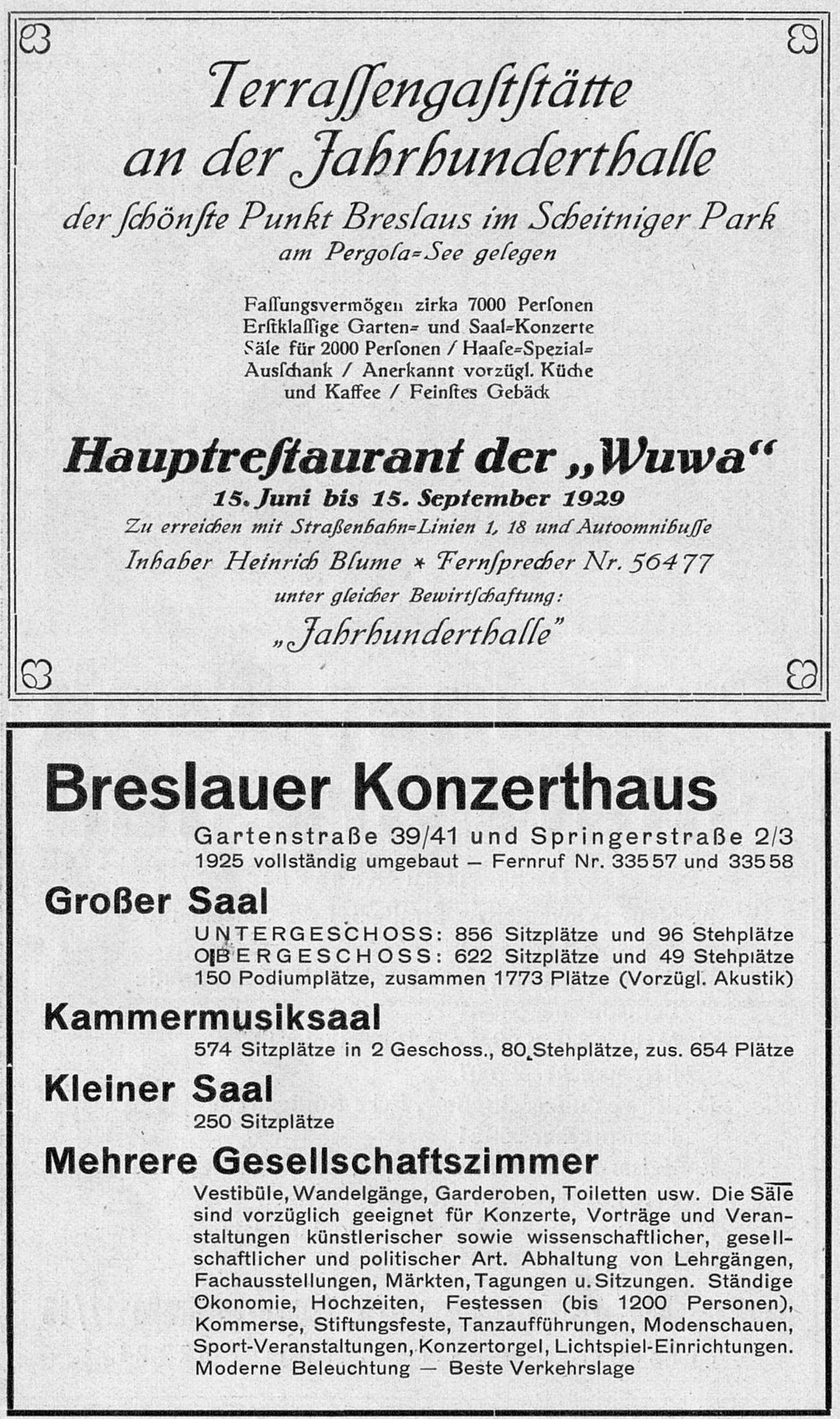
Max Berg’s concrete dome, 65 meters across and 42 meters high, rose in record time. No steel reinforcement, just pure concrete daring gravity. On opening day 10,000 people stood beneath a roof thinner than the length of your arm yet strong enough to hold snow for a century.
World War II
swords
1945
The Siege of Festung Breslau
For eighty days the Red Army and German defenders tore the city apart. Ninety percent of buildings were destroyed. When it ended in May the surviving population was ordered west. Polish settlers arrived to a landscape of rubble and silence.
person
1945
Dietrich Bonhoeffer Executed
Born in Breslau in 1906, the theologian was hanged at Flossenbürg weeks before liberation. His letters from prison still move readers. The city that produced both him and the Red Baron had clearly run out of room for nuance.
Modern Poland
local_fire_department
1997
The Millennium Flood
The Oder rose six meters above normal. Water filled cellars that had stayed dry since 1945. Soldiers and volunteers stacked sandbags along the same embankments where Prussian cannons once stood. The city survived again.
castle
2006
Centennial Hall Named UNESCO Site
The concrete wonder Max Berg designed became a World Heritage monument. Engineers still marvel that it stands without steel. On quiet evenings the dome catches the last light exactly as it did in 1913.
palette
2016
European Capital of Culture
The year brought new galleries to Nadodrze’s ruined factories. Students debated art in buildings still pocked with 1945 shrapnel. The city finally stopped apologising for its fractured identity and started celebrating it.