




Exploring the Wieliczka Salt Mine
History of the Wieliczka Salt Mine
Origins and Early Development
The history of the Wieliczka Salt Mine, now home to the Saltworks Museum, dates back to the 13th century. The mine is one of the oldest salt mines in the world, with origins traced to the discovery of rock salt in the region around 1044. The first documented mention of the mine appears in a 1248 document, highlighting its significance even in medieval times. The mine's development was closely tied to the economic and political landscape of Poland, particularly during the reign of King Casimir III the Great (1310-1370), who established the "Magna Carta of the Saltworks" in 1368, regulating the mining operations and ensuring the mine's prosperity.
Medieval Significance
During the medieval period, the Wieliczka Salt Mine became a crucial economic asset for the Kingdom of Poland. The salt extracted from the mine was a valuable commodity, often referred to as "white gold," and played a significant role in the region's trade and commerce. The mine's strategic importance was underscored by its inclusion in the royal treasury, and it was managed by the Żupy Krakowskie, a royal saltworks enterprise. The revenue generated from the mine contributed significantly to the kingdom's wealth, funding various state activities and infrastructure projects.
Renaissance and Baroque Periods
The Renaissance and Baroque periods saw further advancements in the Wieliczka Salt Mine. The 16th and 17th centuries were marked by the introduction of new mining techniques and technologies, which improved the efficiency and safety of salt extraction. The mine's infrastructure expanded, with the construction of new shafts, galleries, and chambers. Notably, the Chapel of St. Kinga, one of the mine's most famous attractions, was carved out of rock salt during this period. The chapel, adorned with intricate salt sculptures and chandeliers, exemplifies the artistic and cultural significance of the mine.
Industrial Revolution and Modernization
The Industrial Revolution brought significant changes to the Wieliczka Salt Mine. In the 19th century, the mine underwent extensive modernization to keep pace with the growing demand for salt. Steam engines and other mechanized equipment were introduced, enhancing the mine's productivity and reducing the physical labor required. The Wieliczka Salt Mine continued to be a major economic driver for the region, contributing to the industrialization of Poland.
World War II and Post-War Era
During World War II, the Wieliczka Salt Mine was occupied by Nazi Germany. The mine's extensive underground network was used for various purposes, including the storage of military equipment and the production of armaments. Despite the challenges of the war, the mine's operations continued, albeit under difficult conditions. After the war, the mine was nationalized by the Polish government and underwent further modernization and restoration efforts.
UNESCO World Heritage Site
In 1978, the Wieliczka Salt Mine was inscribed on the UNESCO World Heritage List, recognizing its historical, cultural, and industrial significance. The designation highlighted the mine's unique underground architecture, including its chapels, sculptures, and lakes, all carved out of rock salt. The UNESCO listing also underscored the mine's role in the development of mining technology and its contribution to the cultural heritage of Poland.
Establishment of the Saltworks Museum
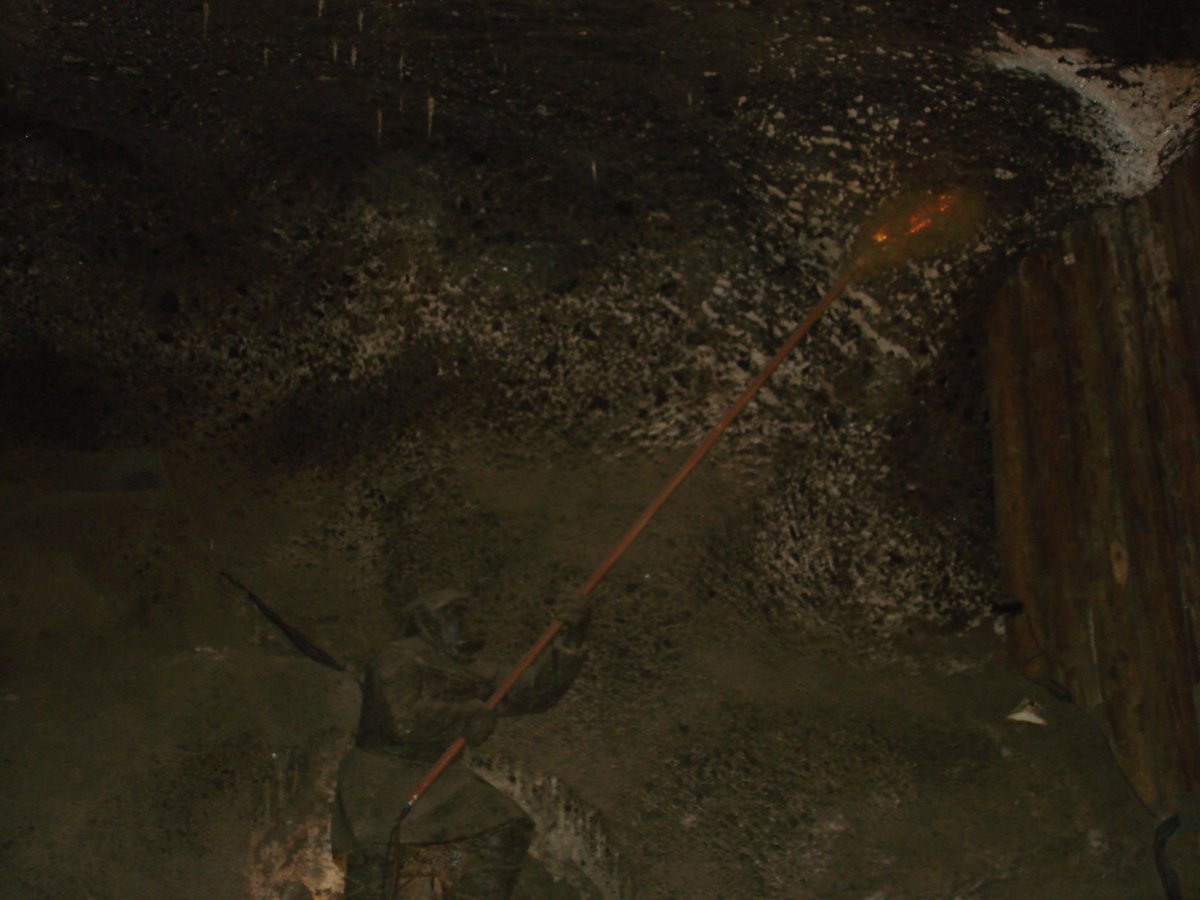
The Saltworks Museum in Wieliczka was established in 1951, with the aim of preserving and showcasing the rich history of the Wieliczka Salt Mine. The museum is located within the mine itself, offering visitors a unique opportunity to explore the underground chambers and learn about the mine's history, geology, and cultural significance. The museum's exhibits include historical artifacts, mining equipment, and detailed models of the mine's infrastructure. Visitors can also view the stunning salt sculptures and chapels that have made the Wieliczka Salt Mine famous.
Visitor Information
Visiting Hours
The Wieliczka Salt Mine is open daily from 7:30 AM to 7:30 PM. However, it is advisable to check the official website for any updates or changes to the visiting hours.
Ticket Prices
Ticket prices vary depending on the type of tour. General admission tickets start at 90 PLN for adults, 70 PLN for students and seniors, and 50 PLN for children. Special tours and group rates are also available. Tickets can be purchased online or at the ticket office on-site.
Guided Tours
Guided tours are available in multiple languages, including English, Polish, German, and French. Tours typically last around 2-3 hours and provide a comprehensive overview of the mine's history, geology, and cultural significance. It is recommended to book guided tours in advance to ensure availability.
Nearby Attractions
While visiting the Wieliczka Salt Mine, consider exploring other nearby attractions, such as the Bochnia Salt Mine, the Kraków Old Town, and the Wawel Royal Castle. These sites offer a rich historical and cultural experience, complementing your visit to the salt mine.
Accessibility
The Wieliczka Salt Mine is accessible to visitors with mobility impairments. There are elevators available to transport visitors to the underground levels, and the main tourist route is wheelchair accessible. It is advisable to contact the mine's visitor center in advance to make necessary arrangements.
Recent Developments and Preservation Efforts
In recent years, the Wieliczka Salt Mine has continued to attract visitors from around the world, with over a million tourists visiting annually. The mine's management has undertaken extensive preservation efforts to ensure the safety and integrity of the underground structures. Modern technologies and conservation techniques are employed to protect the mine's unique features, including its salt sculptures and chapels. The Wieliczka Salt Mine remains a testament to the ingenuity and perseverance of the miners who have worked there over the centuries.
Cultural and Educational Impact
The Wieliczka Salt Mine and the Saltworks Museum play a significant role in promoting cultural and educational initiatives. The museum offers guided tours, educational programs, and workshops that provide visitors with insights into the history of salt mining and its impact on the region. The mine also hosts various cultural events, including concerts and exhibitions, further enhancing its status as a cultural landmark.
FAQ
What are the visiting hours for the Wieliczka Salt Mine?
The Wieliczka Salt Mine is open daily from 7:30 AM to 7:30 PM. It is recommended to check the official website for any updates.
How much do tickets to the Wieliczka Salt Mine cost?
General admission tickets start at 90 PLN for adults, 70 PLN for students and seniors, and 50 PLN for children. Prices for special tours and group rates vary.
Are guided tours available at the Wieliczka Salt Mine?
Yes, guided tours are available in multiple languages, including English, Polish, German, and French. Tours typically last 2-3 hours.