
Discover Bartoszyce: Warmia’s Historical Gem
Set in the heart of Warmia, Bartoszyce invites visitors to unravel the town’s rich historical narrative. Once a Baltic Prussian stronghold, later a Teutonic fortress, and eventually a crossroads of cultures, Bartoszyce’s compact old town, medieval architecture, and scenic river walks provide an immersive experience for those wishing to explore the region’s storied past.
Early Origins and the Pre-Teutonic Era
The lands around Bartoszyce were first settled by the Warmians, a Baltic Prussian tribe. Their territory lay between the Vistula Lagoon, Łyna, and Pasłęka Rivers, and their society was organized around fortified settlements and pagan traditions (Wikipedia: Warmians). The arrival of the Teutonic Knights in the early 13th century marked the end of their independence, as castles such as Balga were established and Prussian strongholds like Honeda were destroyed.
The Teutonic Knights and Medieval Development
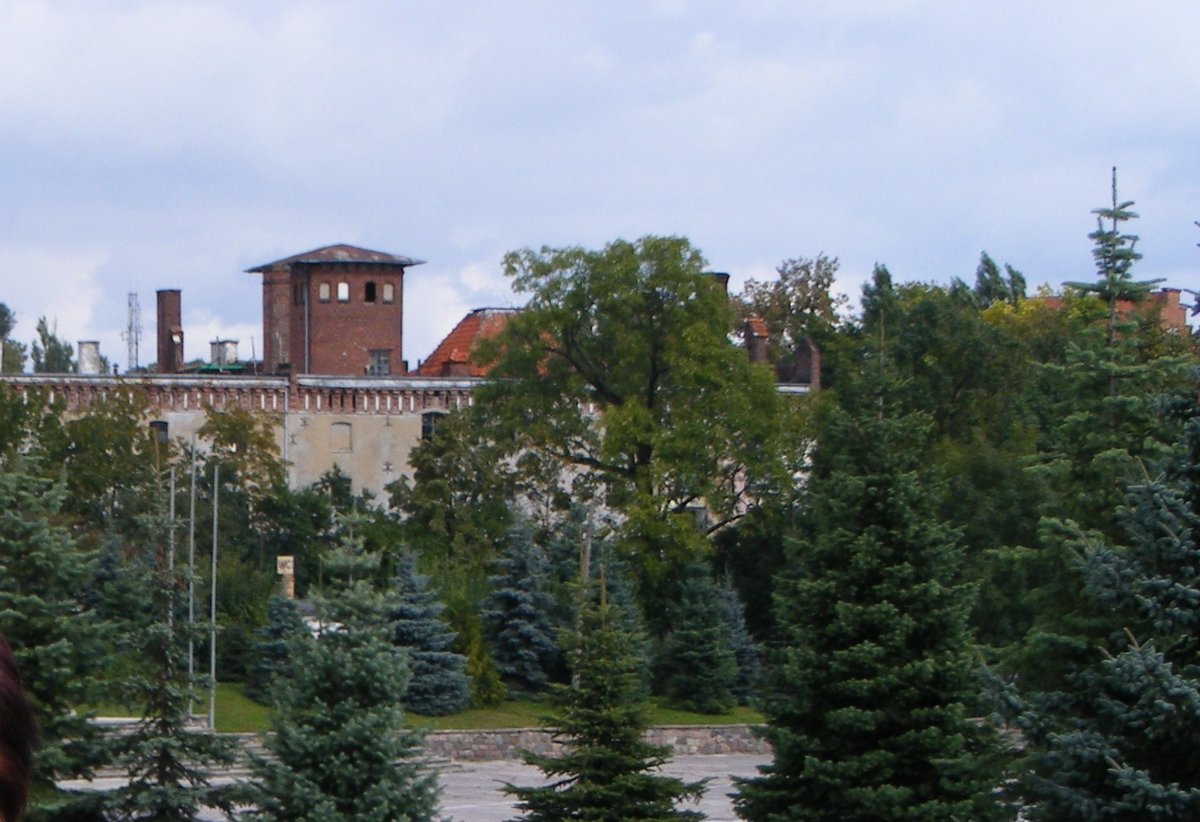
The Teutonic Knights fundamentally shaped Bartoszyce’s urban landscape and historical trajectory. The town likely emerged as a fortified settlement in the mid-13th century, strategically located on the Łyna River. The Great Prussian Uprising (1260–1274) demonstrated fierce local resistance but ultimately resulted in further assimilation and the solidification of Teutonic power (Wikipedia: Warmians). Medieval street patterns, market squares, and the defensive Lidzbark Gate all date to this formative era.
Polish-Lithuanian Rule and Religious Heritage
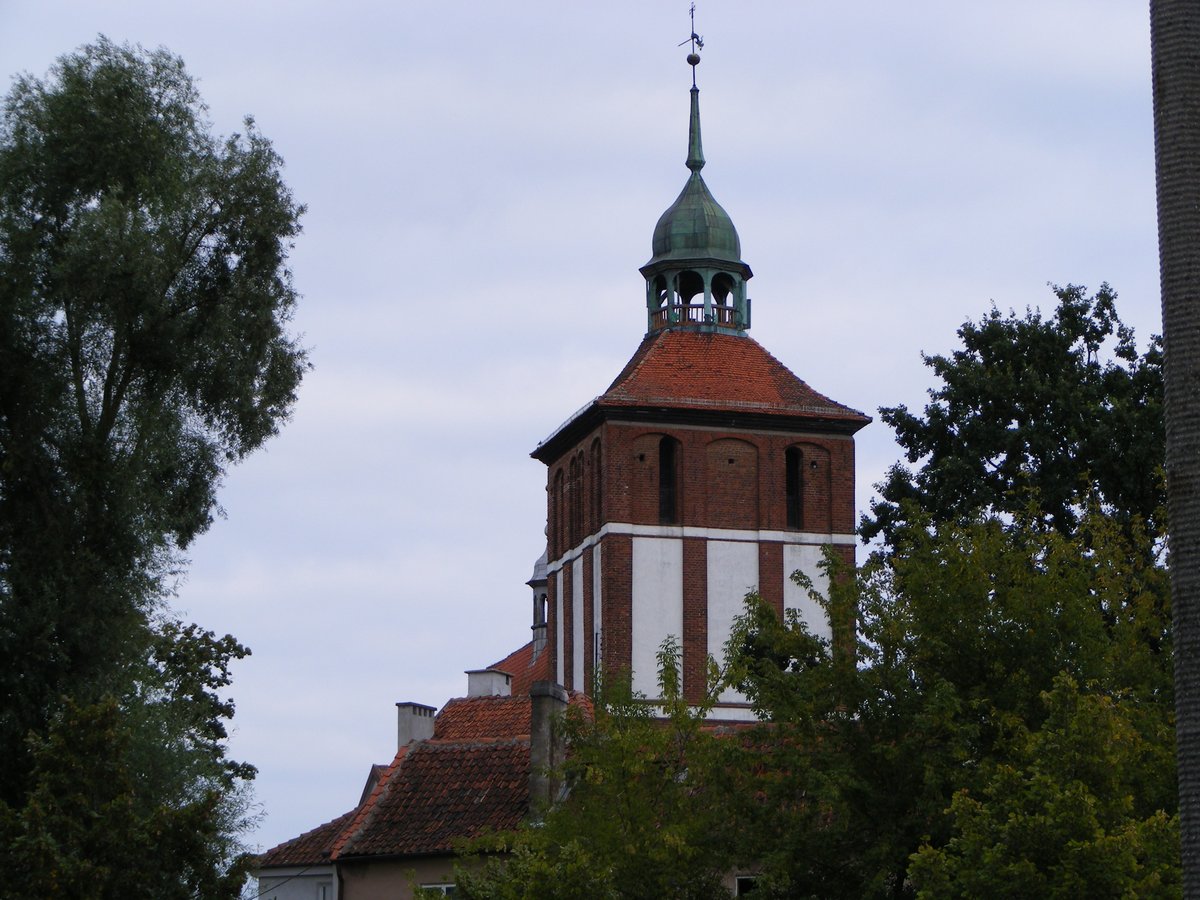
The decline of the Teutonic Order in the 15th century saw Warmia, including Bartoszyce, incorporated into the Kingdom of Poland. The Second Peace of Thorn (1466) confirmed Polish sovereignty and helped establish a flourishing ecclesiastical principality (Wikipedia: Warmians). Landmarks such as the Church of St. John the Baptist and the Church of Saint John the Evangelist and Our Lady of Częstochowa reflect this religious heritage (Mapcarta: Bartoszyce).
Modern Era: Partitions, Wars, and Shifting Borders
Bartoszyce’s history in modern times is marked by shifting borders and cultural transformation. The partitions of Poland brought the town (then Bartenstein) under Prussian, and later German, control. The town modernized in the 19th and early 20th centuries before severe disruptions during both World Wars. After World War II, Bartoszyce returned to Poland, and the population was reshaped by postwar resettlements (Wikipedia: Warmians).
Cultural Landmarks and Museums
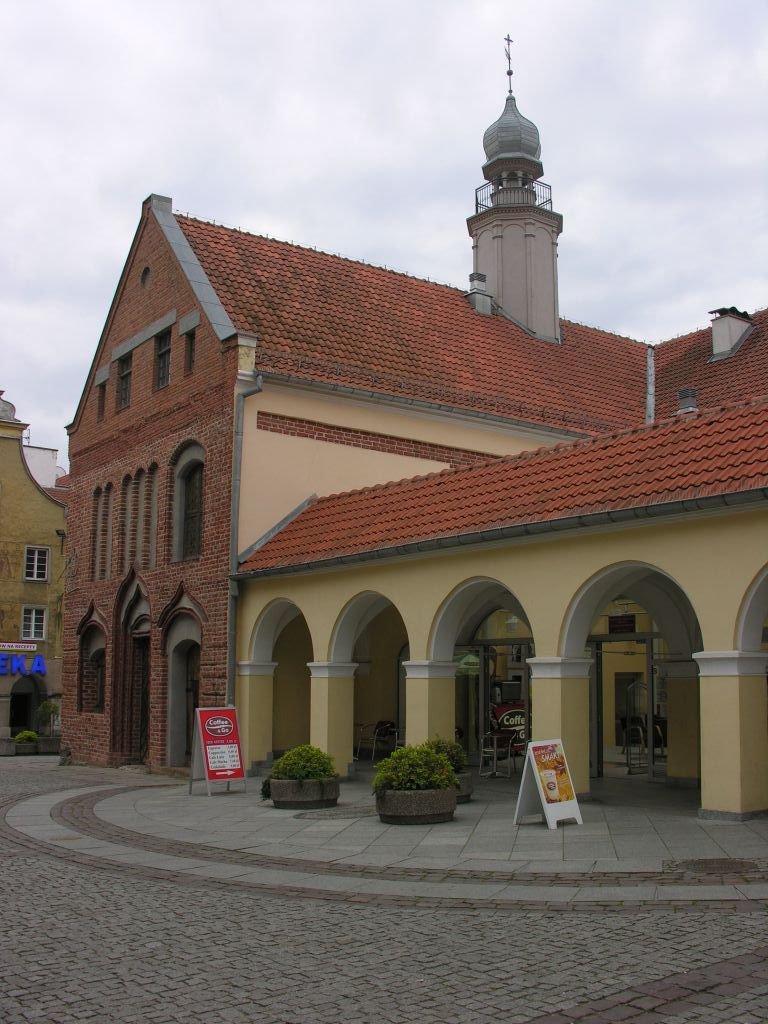
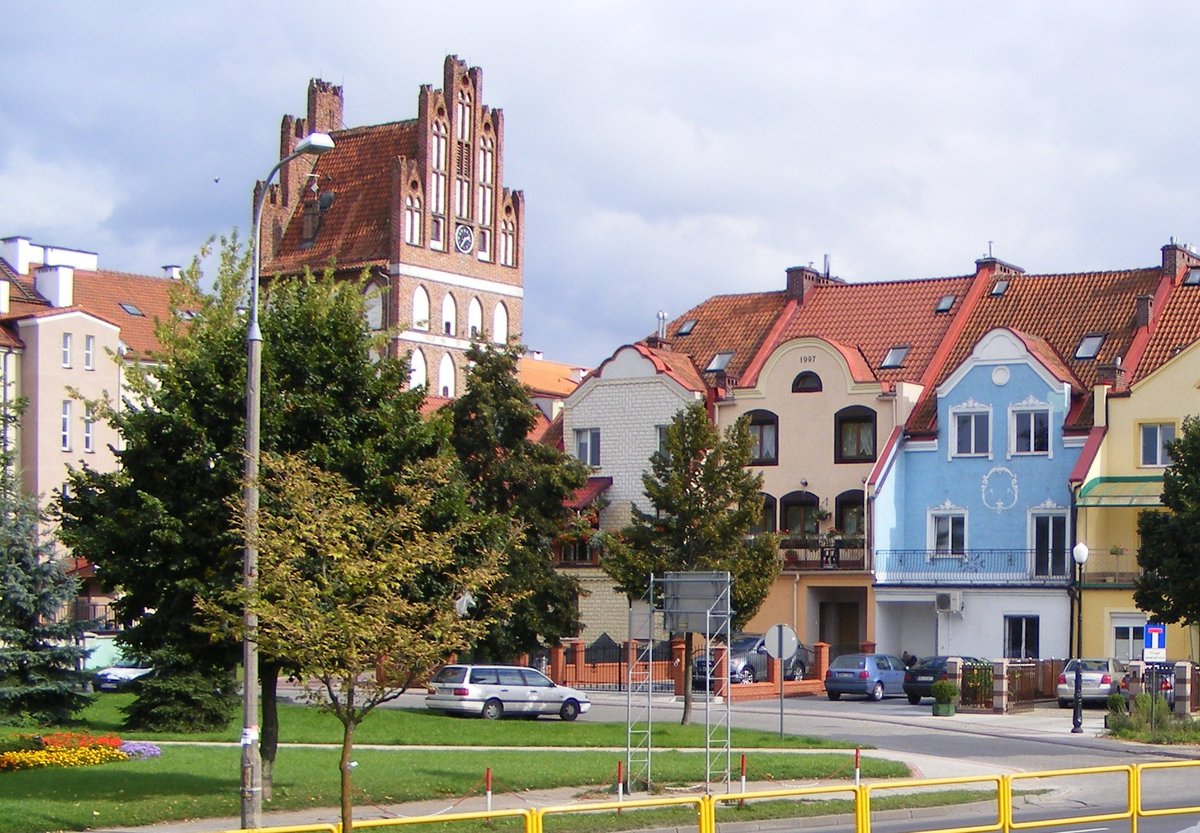
- Historic Town Center The market square and medieval townhouses provide insight into Bartoszyce’s urban evolution (Mapcarta: Bartoszyce).
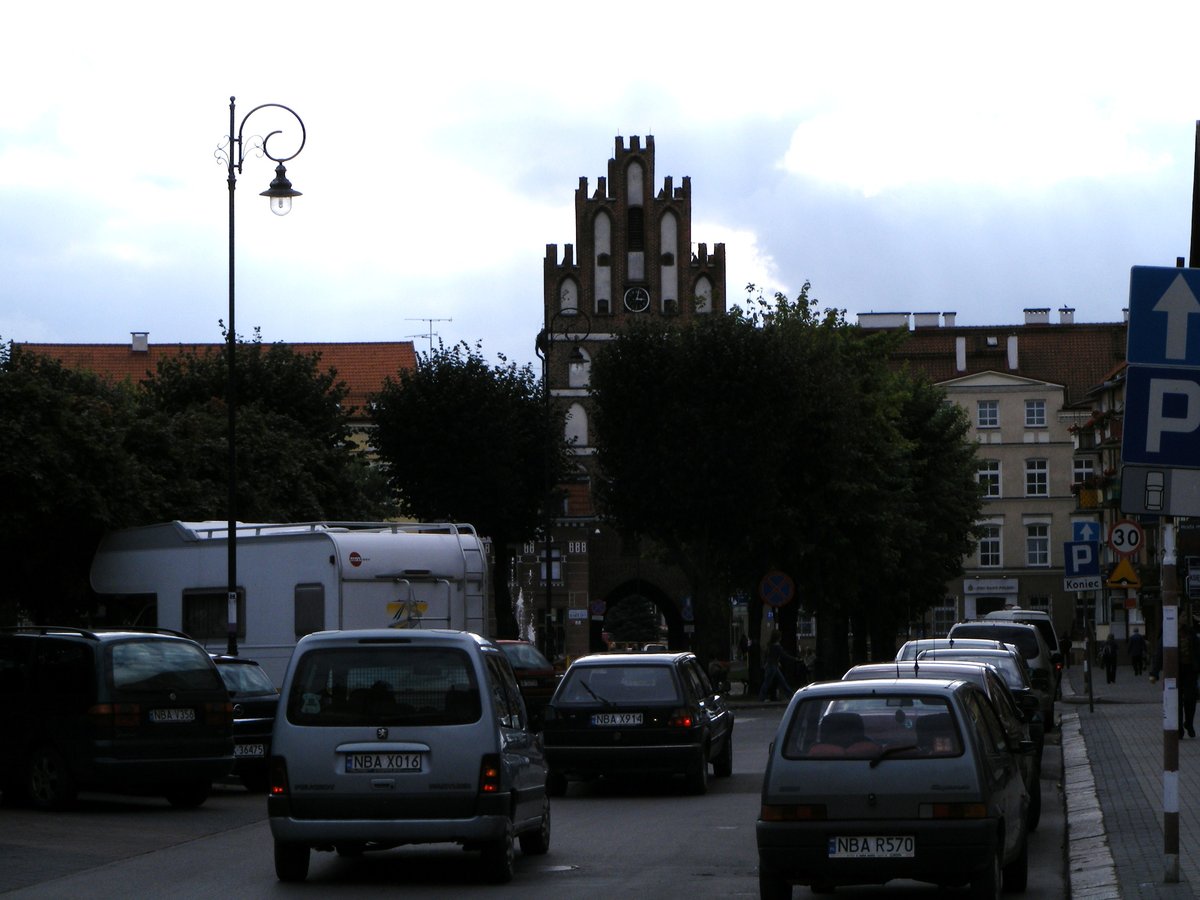
- Lidzbark Gate (Brama Lidzbarska) One of the few surviving gates, symbolizing the town’s medieval defenses.
- Church of St. John the Baptist A 14th-century Gothic church, open daily 9:00 AM–5:00 PM. Free entry; donations welcome.
- Museum of Bartoszyce History Exhibits span Prussian, Teutonic, Polish, and German periods, highlighting the area’s multicultural legacy (Housity: Bartoszyce).
- Stone Sculptures Pre-Christian artifacts displayed outdoors at key intersections, accessible year-round.
Visitor Information: Hours, Tickets, and Accessibility
Visiting Hours
- Museum of Bartoszyce History Tuesday–Sunday, 10:00 AM–5:00 PM; closed Mondays.
- Churches Open during daylight; check local parish websites for service times.
- Lidzbark Gate Open daily, 10:00 AM–6:00 PM; accessible year-round.
Ticket Information
- Museum of Bartoszyce History 10 PLN for adults, discounts for students and seniors. Guided tours available—advance booking recommended.
- Lidzbark Gate 5 PLN admission.
- Churches and outdoor sites Free; donations appreciated.
Accessibility
- The historic center is pedestrian-friendly. Some sites, due to their medieval structure, have limited wheelchair access. Contact the tourist office for assistance.
- Guided tours are available in Polish, with English options during peak season.
Nearby Attractions and Events
Bartoszyce makes an ideal base for exploring the Warmian-Masurian region. Nearby highlights include:
- Lidzbark Warmiński Castle
- Masurian Lake District for water sports and recreation
- Frombork’s Cathedral Hill, associated with Nicolaus Copernicus
- Święta Lipka pilgrimage site
Annual events, such as the Warmian Heritage Festival and Days of Bartoszyce, feature music, crafts, and culinary specialties (Housity: Bartoszyce).
Folk Traditions and Local Identity
Bartoszyce’s folk heritage blends Polish, German, and Baltic influences. Festivals showcase traditional music, dance, and crafts, while local cuisine features regional specialties like sękacz spit cake and homemade liquors. Supporting local artisans and markets helps preserve these customs.
Regional Importance within Warmian-Masurian Voivodeship
Strategically located near the Kaliningrad border, Bartoszyce is a gateway to the “Land of a Thousand Lakes.” The region is renowned for its ecological initiatives and Cittaslow towns, including Bartoszyce, committed to sustainable tourism and quality of life.
Contemporary Cultural Life
Modern Bartoszyce hosts festivals, markets, and community events, balancing its historical legacy with dynamic cultural offerings. The nearby university city of Olsztyn further enriches the regional cultural scene.
Community, Economy, and Sustainable Tourism
The local economy is shaped by agriculture, eco-tourism, and agrotourism. Affordable real estate and the rise of health resorts attract newcomers seeking a peaceful lifestyle amid natural beauty.
Transportation and Getting Around
- Access By road from Warsaw (2h 40m) and Gdańsk (1h 50m). The nearest airport is Olsztyn-Mazury Airport.
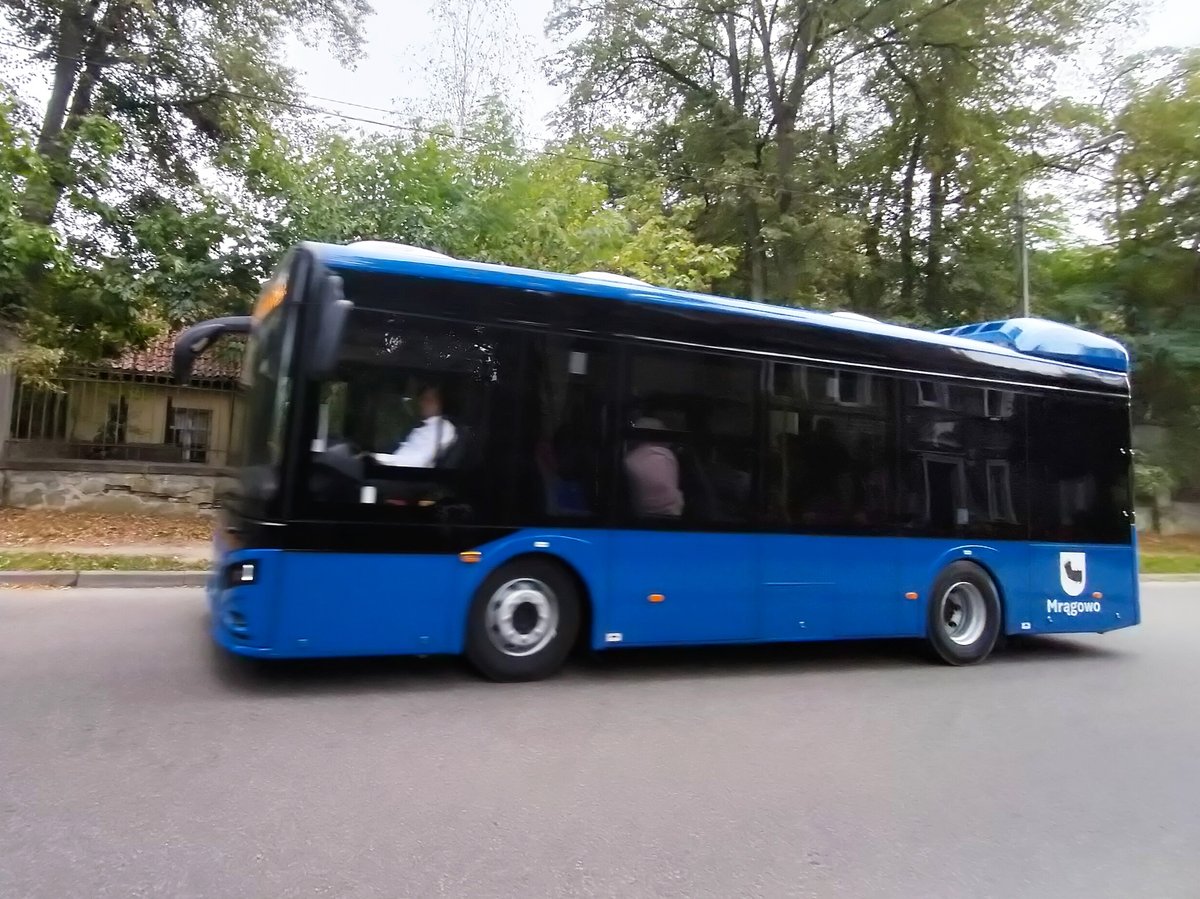
- Public Transport Regional buses and trains connect Bartoszyce to neighboring cities.
- Local Travel The center is walkable; taxis and bike rentals are available.
Accommodation and Dining
- Lodging Options range from boutique hotels and guesthouses to countryside estates such as Pałac i Folwark Galiny.
- Cuisine Sample hearty Polish dishes and regional specialties in town restaurants or rural inns.
Must-See Attractions and Activities
- Historic Town Center and Market Square
- St. John the Baptist Church (9:00 AM–5:00 PM)
- Old Town Hall (Monday–Friday, 8:00 AM–4:00 PM)
- Lidzbark Gate (10:00 AM–6:00 PM)
- Stone Sculptures & Outdoor Artifacts
- Łyna River Promenade for walking, cycling, and birdwatching
Practical Tips for Visitors
- Best Time to Visit May–September for pleasant weather and events
- Language Polish (basic English in tourist areas)
- Currency Polish złoty (PLN)
- Payments Cards widely accepted; cash for small purchases
- Safety Low crime; standard precautions apply
- Accessibility Inquire in advance for mobility needs
- Connectivity Free Wi-Fi in most hotels/cafés; good mobile coverage
Suggested Itineraries
One-Day Visit
- Morning: St. John the Baptist Church, market square stroll
- Afternoon: Łyna River promenade, Lidzbark Gate, lunch in town
- Evening: Cultural event or riverside café
Two-Day Stay
- Day 1: Old town highlights and main attractions
- Day 2: Day trip to Pałac i Folwark Galiny or nearby villages
Emergency Contacts and Useful Information
- Emergency (Police/Fire/Ambulance) 112
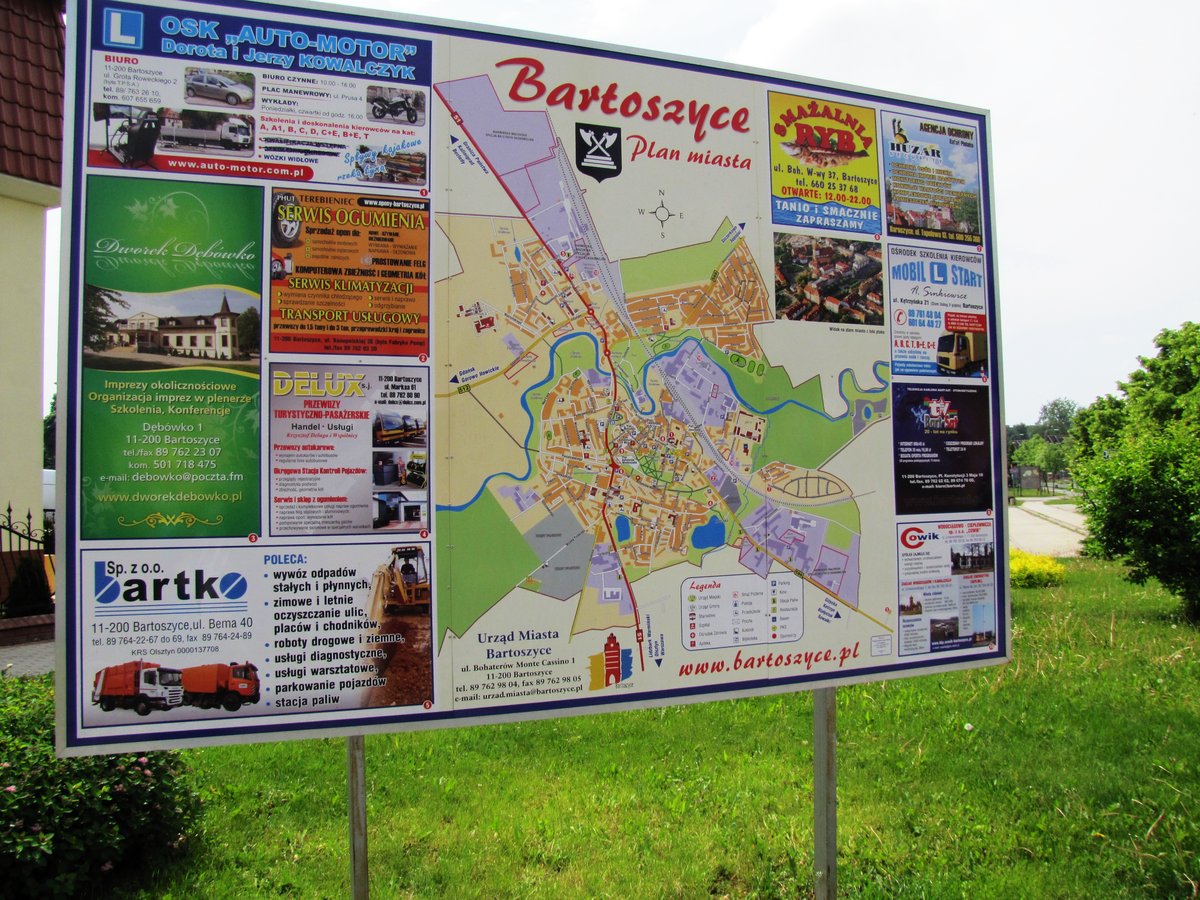
- Tourist Information Center Town center, multilingual staff, maps available
- Local Taxi Services Book by phone or at taxi stands
Summary
Bartoszyce offers a fascinating blend of historical depth, cultural diversity, and natural beauty. From its medieval roots and religious landmarks to its scenic riverside and lively festivals, the town is a rewarding destination for all travelers. With accessible transportation, diverse accommodation, and a range of attractions, Bartoszyce stands out as a must-visit town in the Warmian-Masurian Voivodeship. For the latest updates and personalized guides, download the Audiala app and consult official tourism resources.