Plan and listen to Zbigniew Ścibor-Rylski Monument In Warsaw with Audiala.
Audio guide in your pocket, itinerary in your browser. Built for the way you actually visit.
Introduction: Honoring a Hero of Resistance
The General Zbigniew Ścibor-Rylski Monument in Warsaw stands as a testament to the courage and dedication of one of Poland’s most celebrated military leaders. General Ścibor-Rylski (1917–2018), renowned for his leadership during the Warsaw Uprising of 1944 under the codename “Motyl” (Butterfly), is immortalized here as a symbol of resilience, patriotism, and intergenerational memory. Situated at sites of immense historical significance—such as the intersection of Karolkowa and Żytnia Streets in the Wola district and Marshal Edward Rydz-Śmigły Park—the monument invites both locals and visitors to engage with Warsaw's wartime history (Foto Czarnota, 2025; Wikipedia, 2025; Go2Warsaw).
This memorial not only commemorates an individual’s heroism but also anchors the collective memory of the Warsaw Uprising. It serves as a focal point for annual commemorations, educational activities, and community engagement, reflecting Warsaw’s ongoing commitment to honoring its past and fostering dialogue across generations (Walking Warsaw; Sppw1944).
- The Life and Legacy of Zbigniew Ścibor-Rylski
- The Warsaw Uprising: Context and Impact
- Monument Design, Location, and Symbolism
- Visitor Information: Hours, Tickets, Accessibility
- Getting There and Travel Tips
- Nearby Attractions
- Commemorative Practices and Community Engagement
- Recognition and Honors
- The Monument in Warsaw’s Memorial Landscape
- Educational Value
- FAQ
- Conclusion and Visitor Recommendations
- Sources
1. The Life and Legacy of Zbigniew Ścibor-Rylski
Zbigniew Ścibor-Rylski was born in 1917 into a noble Polish family and lived through the most turbulent decades of modern Polish history. He began his military career during the 1939 campaign against Nazi Germany, but his most renowned role was as a Home Army (Armia Krajowa) commander during the 1944 Warsaw Uprising. Under the codename “Motyl,” Ścibor-Rylski led units in the Wola district, notably at the intersection of Karolkowa and Żytnia Streets, where his leadership contributed to the defense against German assaults and the destruction of enemy tanks (Foto Czarnota).
For his valor, he received Poland’s highest military honors, including the Virtuti Militari Silver Cross and the Cross of Valour. After the war, he became a leading advocate for preserving the memory of the Uprising and the rights of veterans, serving as President of the Association of Warsaw Insurgents and playing a key role in founding the Warsaw Uprising Museum (Go2Warsaw).
2. The Warsaw Uprising: Context and Impact
The 1944 Warsaw Uprising was a defining moment in Polish history—a 63-day struggle by resistance fighters to liberate the capital from Nazi occupation. Despite overwhelming odds, Warsaw’s citizens and Home Army soldiers fought bravely, enduring immense losses. Over 150,000 civilians perished, and the city was left in ruins, but the Uprising became a symbol of Polish resilience and unity (Walking Warsaw).
The site of the monument, at the intersection of Karolkowa and Żytnia Streets, was the scene of intense fighting and is now a place of reflection and remembrance (Foto Czarnota).
3. Monument Design, Location, and Symbolism
Artistic Features
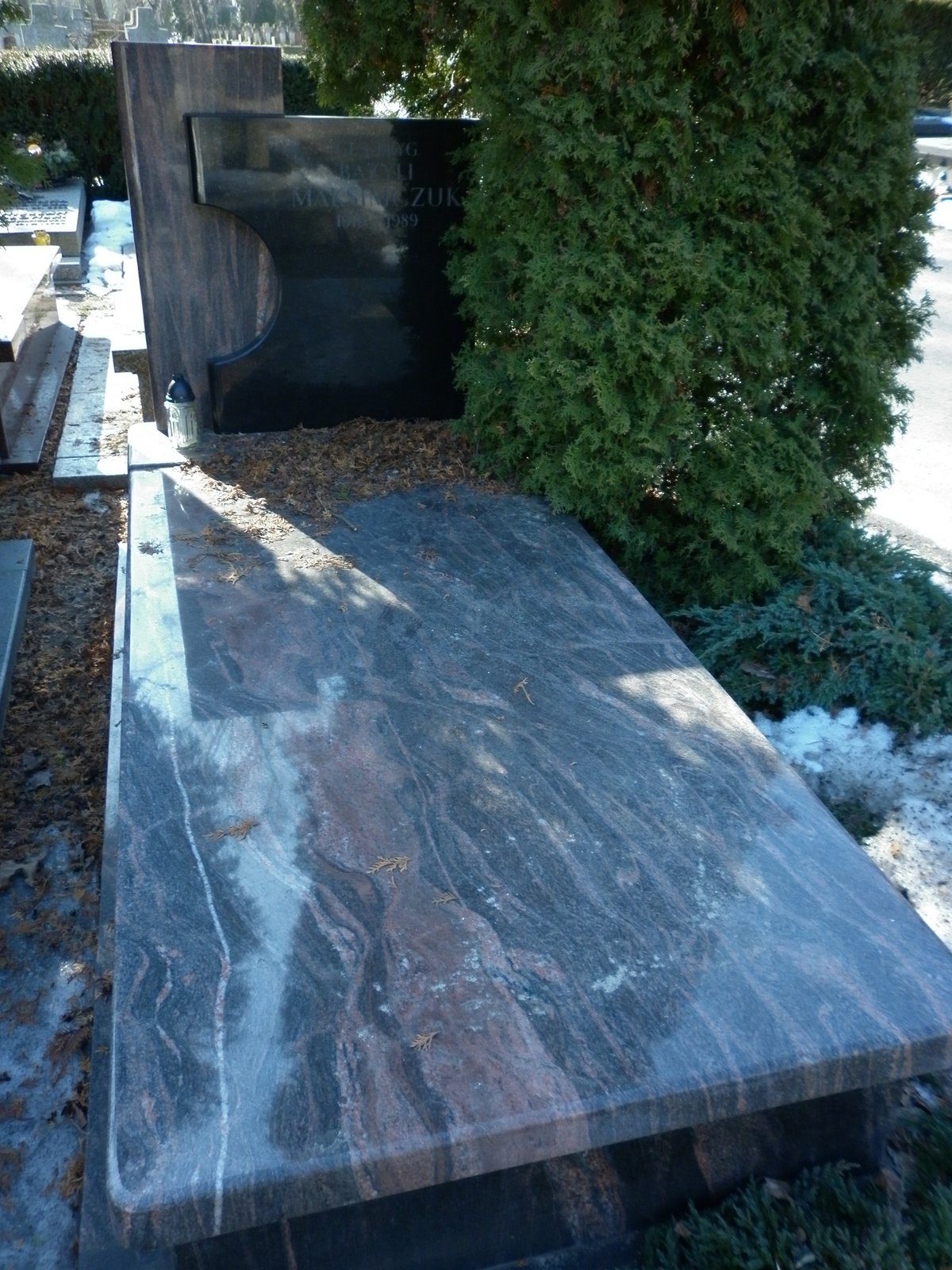
The monument, designed by Marcin Nowicki, typically features a bust or statue of General Ścibor-Rylski in military attire, atop a pedestal adorned with the Virtuti Militari cross—his highest decoration (Wikipedia). The inscription highlights his pseudonym “Motyl,” and the monument’s style is solemn and contemplative, emphasizing remembrance over triumphalism.
Symbolism
The inclusion of the “Fighting Poland” anchor and scenes from the Uprising reinforce the monument’s role as a tribute not just to General Ścibor-Rylski, but to all those who resisted (Go2Warsaw).
Locations
- Wola District: Intersection of Karolkowa & Żytnia Streets—site of fierce Uprising battles.
- Marshal Edward Rydz-Śmigły Park: A symbolic location linking the monument with the city’s commemorative landscape and ongoing community events.

4. Visitor Information: Hours, Tickets, Accessibility
- Visiting Hours: Open-air, accessible 24/7, year-round.
- Tickets: No admission fee required.
- Accessibility: The site features paved walkways and is wheelchair accessible. Information plaques are available in Polish and English.
- Best Times to Visit: Early morning or late afternoon for a quieter, more contemplative experience. Major commemorations occur on August 1st.
5. Getting There and Travel Tips
- Public Transport: Trams 10, 26 and buses 105, 155 stop near Karolkowa; the park is served by multiple tram/bus lines.
- By Foot: About 15 minutes’ walk from the Warsaw Uprising Museum.
- By Car: Limited parking nearby; public transport is recommended.
- Travel Tips: Combine your visit with other nearby historical sites for a comprehensive experience.
6. Nearby Attractions
- Warsaw Uprising Museum: A must-visit, with immersive exhibits and personal testimonies.
- Monument to the Women of the Warsaw Uprising: Honors female fighters and civilians.
- Little Insurrectionist Monument: Commemorates child participants in the Uprising.
- Pawiak Prison Museum: Former Gestapo prison, now a memorial and museum.
- POLIN Museum: Explores the history of Polish Jews.
- Monument to the Fallen and Murdered in the East: Remembers victims of Soviet repression (audiala.com).
7. Commemorative Practices and Community Engagement
The Ścibor-Rylski Monument is central to Warsaw’s culture of remembrance. Annual ceremonies on August 1st (“W Hour”) draw veterans, officials, and youth, reinforcing civic identity and historical memory. The site also hosts educational programs and is integrated into school and community history walks (Sppw1944).
8. Recognition and Honors
General Ścibor-Rylski’s legacy is celebrated with numerous honors, including the Virtuti Militari, title of Honorary Citizen of Warsaw (Warsaw City Council), and the establishment of this monument. He was also instrumental in founding the Warsaw Uprising Museum.
9. The Monument in Warsaw’s Memorial Landscape
The Ścibor-Rylski Monument is an integral part of Warsaw’s network of memorials, complementing landmarks like the Warsaw Uprising Monument and the Tomb of the Unknown Soldier. Its presence in the Wola district and Rydz-Śmigły Park embeds history within the city’s everyday life (Walking Warsaw).
10. Educational Value
Interpretive plaques, school programs, and museum collaborations make the monument an educational resource, deepening understanding of the Uprising and the complexities of Polish wartime history (Warsaw Uprising Museum).
11. Frequently Asked Questions (FAQ)
Q: What are the opening hours?
A: The monument is accessible 24/7, year-round.
Q: Is there an entrance fee?
A: No, the site is free to visit.
Q: Are guided tours available?
A: Yes, through the Warsaw Uprising Museum and local tour operators.
Q: Is the monument wheelchair accessible?
A: Yes, with paved paths and ramps.
Q: What events take place at the monument?
A: Annual commemorations, especially on August 1st, and occasional educational events.
Listen to the full story in the app
The whole Zbigniew Ścibor-Rylski Monument In Warsaw,
told well.
Audio guides for 1,100+ cities across 96 countries. History, stories, and local insight — offline ready.

Verified, and shown.
Researched and written by the Audiala editorial team from historical records, architectural archives, and local expertise.
Researched from Wikidata, Wikipedia & official sources · fact-checked · How we make our guides →