Plan and listen to Zamoyski Palace with Audiala.
Audio guide in your pocket, itinerary in your browser. Built for the way you actually visit.
Introduction
Located in the heart of Warsaw along the vibrant Nowy Świat Street, Zamoyski Palace (Pałac Zamoyskich) is a distinguished neo-Renaissance landmark that offers visitors a captivating glimpse into Poland’s aristocratic past, political struggles, and cultural heritage. Originally established in the 17th century, the palace has evolved through numerous transformations under the stewardship of several prominent noble families—most notably the Zamoyski lineage, whose legacy is deeply intertwined with the nation's history. The palace’s façade, inspired by Italian Renaissance ideals and refined through 19th-century redesigns, stands as a testament to Warsaw’s enduring architectural evolution and resilience amid historical upheavals.
While today the palace primarily serves institutional and academic purposes, its striking exterior, evocative historical associations, and lively surroundings continue to draw history enthusiasts, architecture lovers, and cultural travelers. This comprehensive guide provides essential information on Zamoyski Palace visiting hours, ticketing policies, accessibility, historical context, architectural highlights, and practical travel tips, ensuring a rewarding visit to this remarkable site.
For further details and official updates, consult resources such as the Warsaw Historical Sites Guide and The Unique Poland.


Early Origins and Architectural Evolution
The Zamoyski Palace traces its origins to 1667, when Jan Wielopolski, a Polish nobleman, purchased the plot and built the first residence (Wikipedia; tury.club). Over the ensuing centuries, the palace underwent several significant renovations. The heirs of Wielopolski rebuilt the structure between 1744 and 1745 based on plans by architect Piotr Hiż. Later, during the Polish Enlightenment, Szymon Bogumił Zug modernized the palace at the commission of Franciszek Ksawery Branicki (tury.club).
In the 19th century, Count Andrzej Zamoyski acquired the palace (1839) and tasked architect Enrico Marconi with redesigning it in the Neo-Renaissance style between 1843 and 1846. Marconi’s work drew inspiration from Rome’s Palazzo della Cancellaria, introducing a symmetrical façade, a triangular pediment with mythological bas-reliefs by Pavel Malinsky, and ornate window decorations (tury.club; theuniquepoland.com).
The Zamoyski Family and Their Influence
The Zamoyski family, one of Poland’s most influential noble lineages, became closely associated with the palace in the 19th century. Count Andrzej Zamoyski was not only a reformer and political figure but also transformed the palace into a hub of political and intellectual life. The family’s "intestines" coat of arms is still visible in details such as shutters and door handles (theuniquepoland.com). The palace regularly hosted leading politicians, artists, and reformers, reinforcing its status as a center of national life.
Political Turmoil and Historical Events
The palace has played a notable role in Poland’s turbulent history. During the January Uprising of 1863, insurgents fired at Russian Governor Count Fyodor Berg’s carriage from the palace windows. In retaliation, Russian forces ransacked the palace and nearby buildings (tury.club). The palace was subsequently confiscated and repurposed for governmental and military use, including as the seat of the Warsaw Field Court and, later, the Ministry of the Interior.
A poignant episode from this period is the destruction of a piano belonging to Frédéric Chopin’s sister, thrown from a window by Russian troops. This incident inspired Cyprian Kamil Norwid’s poem "Chopin’s Piano," turning the palace into a symbol of national perseverance (gov.pl).
Wartime Destruction and Postwar Restoration
During the 1944 Warsaw Uprising, Zamoyski Palace suffered heavy damage (tury.club). Restoration work from 1948 to 1950, led by architect Mechislav Kuzma, preserved its Neo-Renaissance style while adapting the building for new uses. Although some original features—such as the first-floor balconies—were removed or altered, the restoration ensured the palace’s architectural legacy endured.
Modern Era: Institutional Use and Preservation
After World War II, the palace was entrusted to the Association of Polish Architects and later became home to the University of Warsaw’s Institute of Journalism (tury.club; theuniquepoland.com). Notable features such as the Carrara marble staircase have been preserved. Its location on Nowy Świat Street places the palace at the heart of one of Warsaw’s most vibrant cultural and commercial areas (evendo.com).
Visiting Zamoyski Palace: Hours, Tickets, and Accessibility
Visiting Hours:
Zamoyski Palace does not operate as a traditional museum and is generally not open to regular public tours. Occasional special events and guided tours are organized, for which hours will be specified by event organizers. For up-to-date information, check the University of Warsaw’s official website or contact local tourist information.
Tickets:
There is no standard ticketing system, as the palace is primarily used for institutional purposes. Ticket prices and booking details for special exhibitions or events are provided by event organizers.
Location and Access:
Zamoyski Palace is situated at 67 Nowy Świat Street, easily accessible by public transport, including buses, trams, and the Nowy Świat-Uniwersytet metro station.
Accessibility:
The palace’s exterior and gardens are accessible to all visitors. Interior access may be limited and may not be fully wheelchair accessible; it is recommended to inquire in advance regarding accessibility accommodations.
Travel Tips and Nearby Attractions
-
Guided Tours:
Some Warsaw walking tours include Zamoyski Palace as a highlight. A guided tour can provide valuable historical context. -
Nearby Attractions:
The palace is close to several other landmarks, including the University of Warsaw main campus, Holy Cross Church, and the Royal Route. Nowy Świat Street itself is famous for its cafés, boutiques, and lively atmosphere. -
Special Events:
Watch for concerts, exhibitions, and cultural gatherings, which provide rare opportunities to explore the palace’s interiors. -
Best Photography Times:
Early mornings and late afternoons offer ideal lighting and fewer crowds for photography.
Architectural and Cultural Significance
Zamoyski Palace stands as a prime example of Warsaw’s neo-Renaissance architecture, echoing Italian Renaissance influences in its symmetry, classical detailing, and harmonious proportions. The palace has long served as a hub for artistic and intellectual life—hosting artists, writers, and reformers—and remains closely linked to national icons such as Chopin and Norwid (theuniquepoland.com; tury.club).
Frequently Asked Questions (FAQ)
Q: Can I buy tickets online for Zamoyski Palace?
A: The palace does not have regular ticket sales. For special events, check official Warsaw cultural event listings.
Q: Are there guided tours available inside the palace?
A: Guided tours or cultural events occasionally permit interior access. Check with local tour operators or event organizers.
Q: Is Zamoyski Palace wheelchair accessible?
A: The exterior and gardens are generally accessible, but interior access may be limited. Inquire in advance for accommodations.
Q: What are the best times to photograph the palace?
A: Early morning and late afternoon provide the best light and fewer crowds.
Visual Highlights
Photo of Zamoyski Palace façade at Nowy Świat Street (alt="Zamoyski Palace Warsaw façade showcasing Neo-Renaissance architecture")
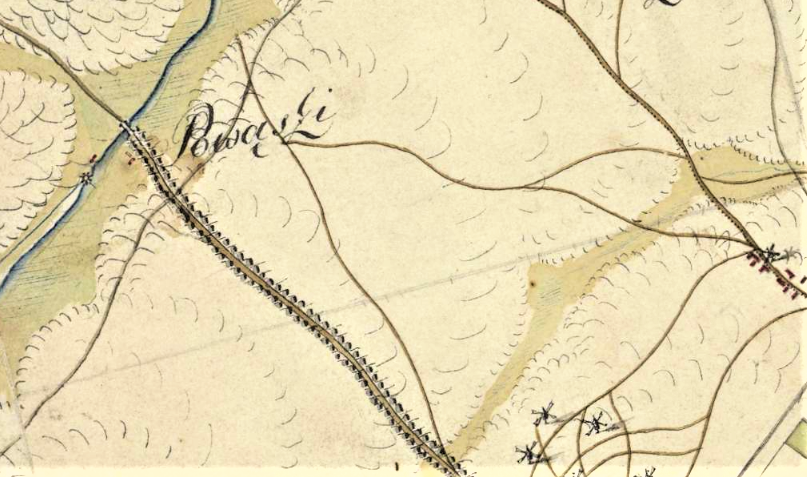
Historical map of Zamoyski Palace location (alt="Map showing Zamoyski Palace location in Warsaw")
Interior staircase with Carrara marble (alt="Zamoyski Palace interior staircase with Carrara marble")
Internal Links
- Guide to Warsaw’s Royal Route
- Top Neo-Renaissance Buildings in Warsaw
- Warsaw Cultural Events Calendar
External Links
- Official Warsaw Tourist Information
- Zamoyski Palace on tury.club
- The Unique Poland – Konstanty Zamoyski Palace
- Evendo Warsaw Attractions
Listen to the full story in the app
The whole Zamoyski Palace,
told well.
Audio guides for 1,100+ cities across 96 countries. History, stories, and local insight — offline ready.
Verified, and shown.
Researched and written by the Audiala editorial team from historical records, architectural archives, and local expertise.
Researched from Wikidata, Wikipedia & official sources · fact-checked · How we make our guides →