Plan and listen to Xth Pavilion Of The Citadel Warsaw with Audiala.
Audio guide in your pocket, itinerary in your browser. Built for the way you actually visit.
Introduction
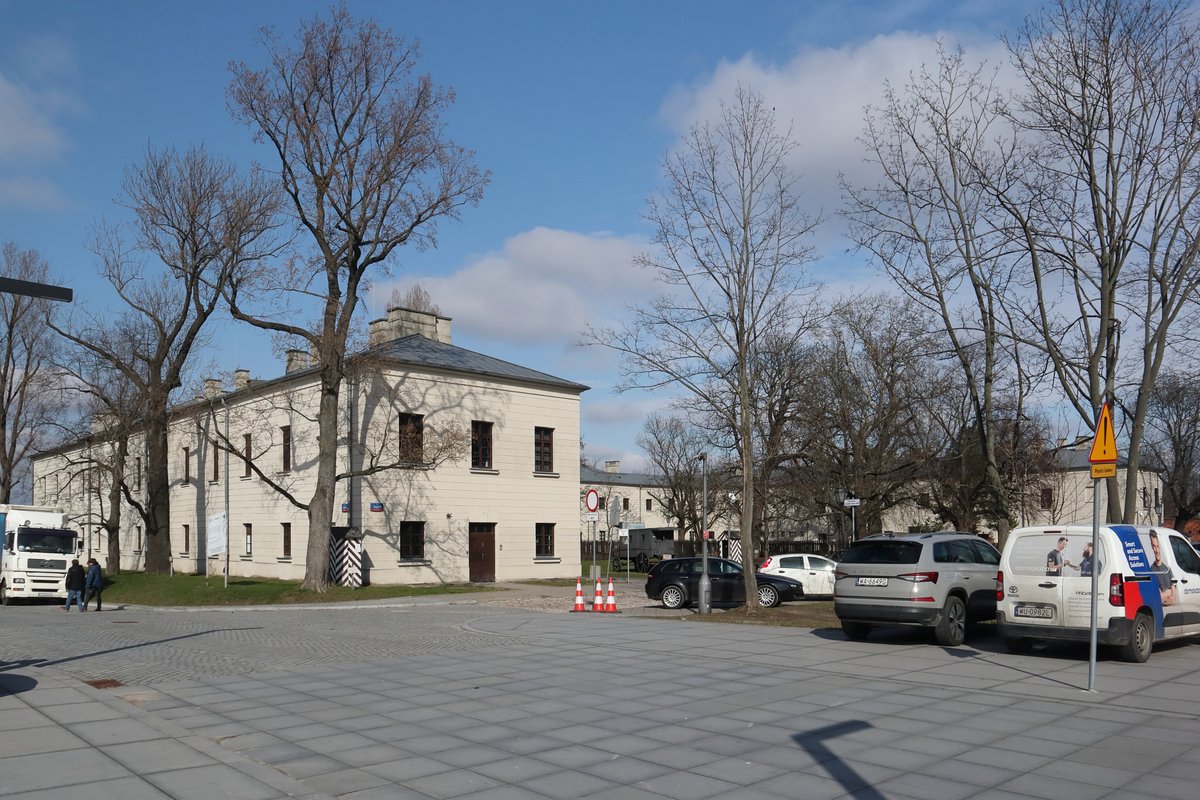
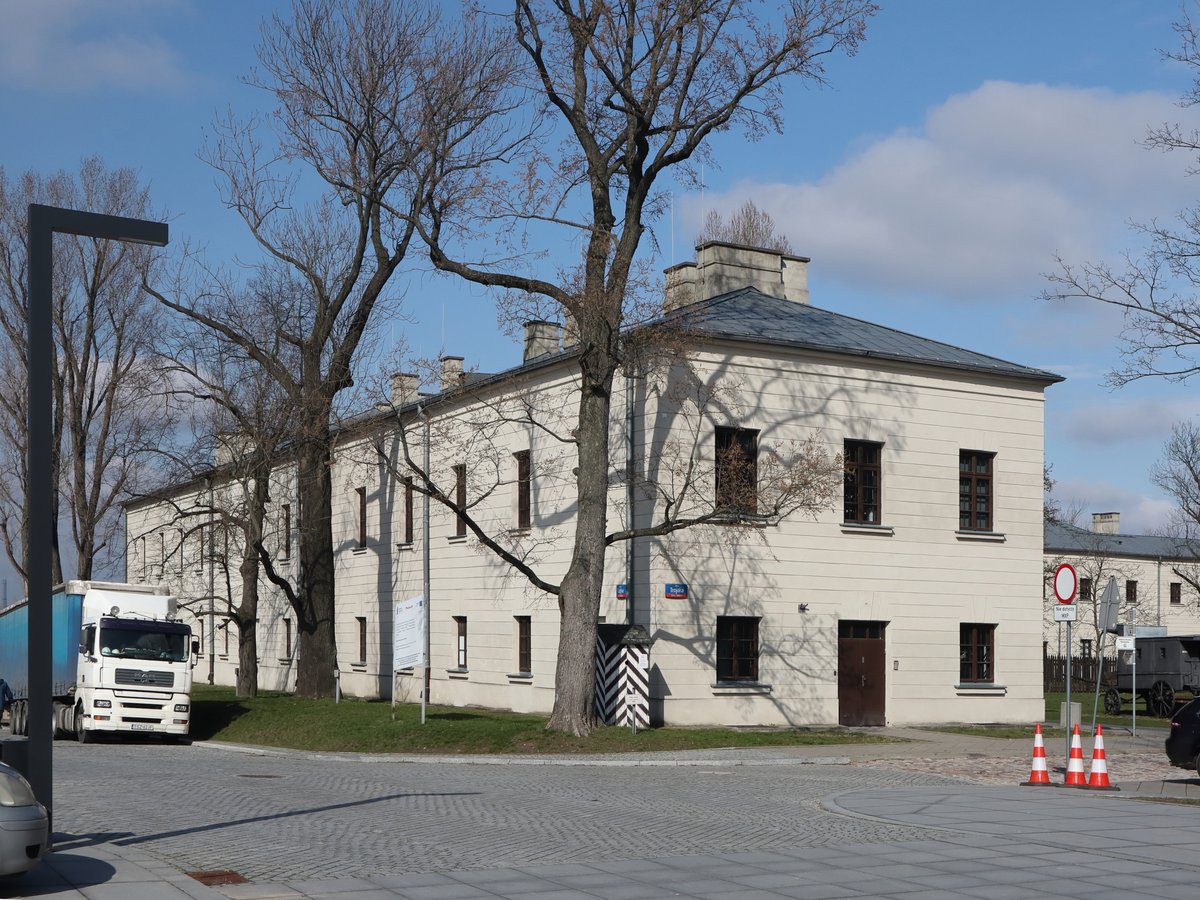
The Xth Pavilion of the Warsaw Citadel stands as a powerful symbol of Poland’s turbulent history of resistance, repression, and the enduring quest for national identity. Located within the expansive Citadel complex in Warsaw's Żoliborz district, this 19th-century fortress and its infamous 10th Pavilion once served as a political prison under Russian imperial rule. Today, it operates as a museum, commemorating the resilience and sacrifices of those who fought for Polish independence. This guide delivers detailed insights into the Pavilion’s historical significance, practical visitor information—including visiting hours, ticketing, accessibility—and travel tips to ensure a meaningful and informed visit (GoOut; Google Arts & Culture; Warszawka.eu; Muzeum Niepodległości).

Historical Background
Construction and Purpose of the Warsaw Citadel
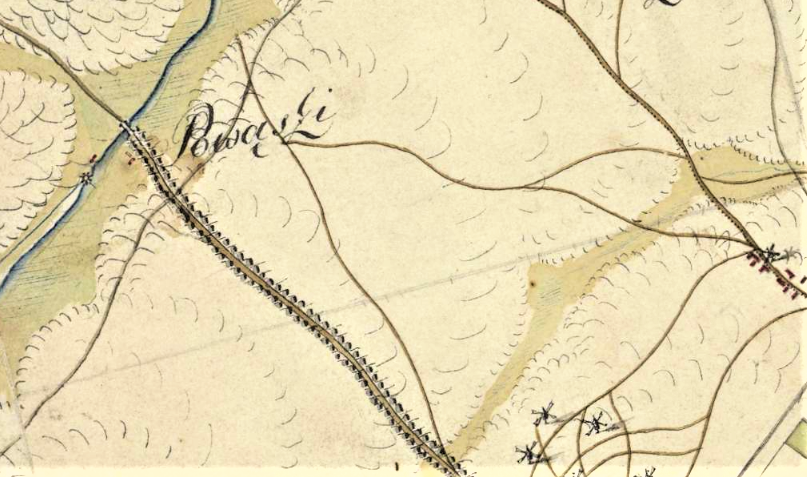
Commissioned by Tsar Nicholas I after the failed November Uprising of 1830–1831, the Warsaw Citadel was constructed between 1832 and 1836 as an instrument of political control over the Polish capital. Designed by Major General Johan Jakob von Daehn, it was strategically positioned to intimidate Warsaw’s population rather than to defend against foreign enemies. Its artillery range covered the city’s historic quarters, underlining its function as a tool of repression (Google Arts & Culture; Go2Warsaw).
The 10th Pavilion: Political Prison
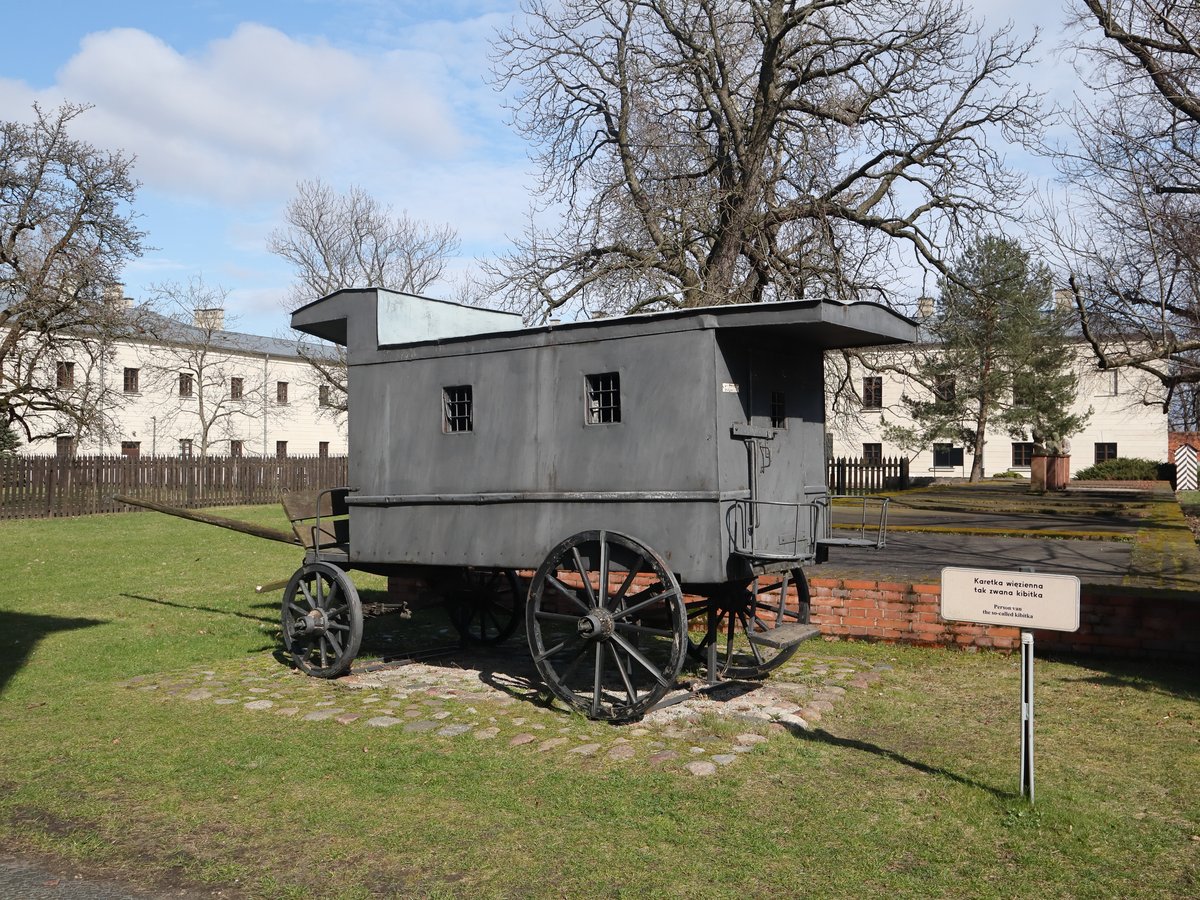
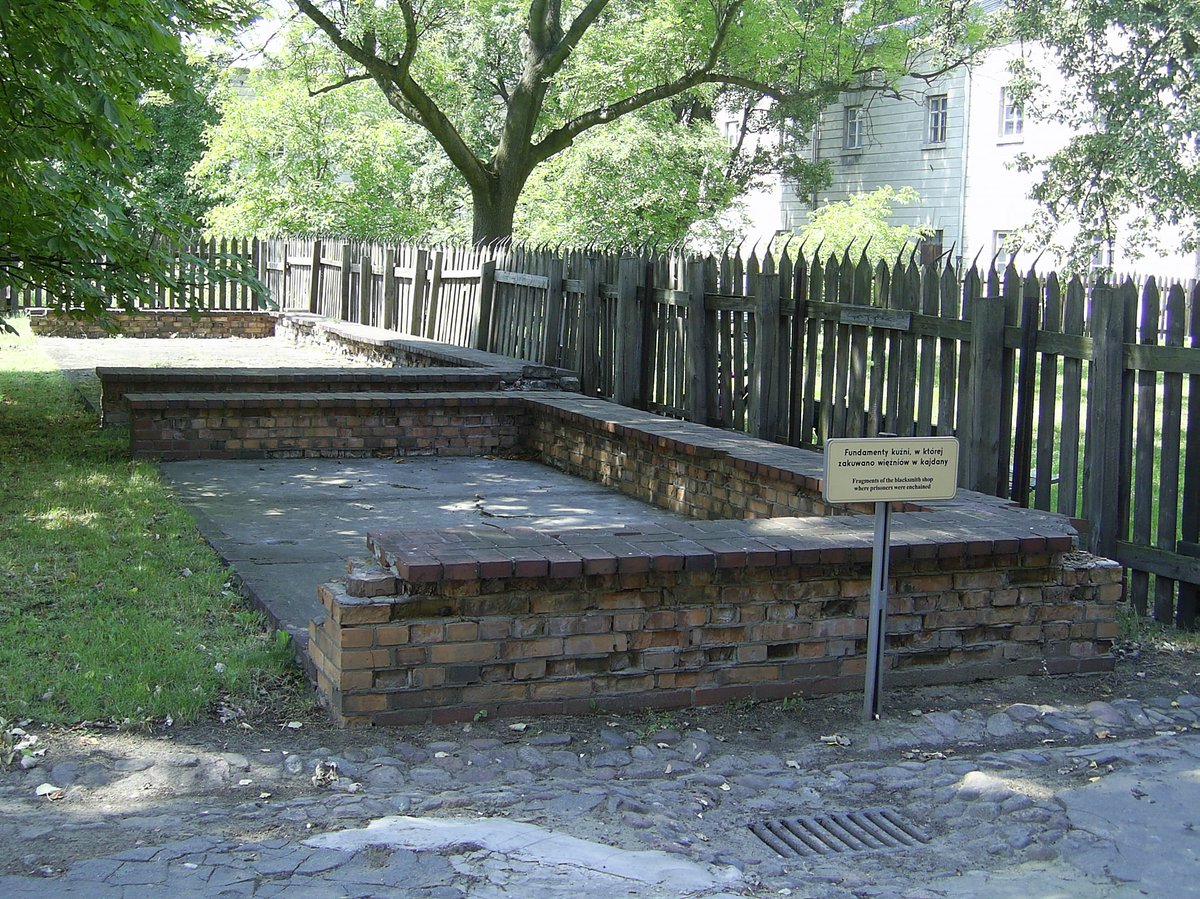
The 10th Pavilion began as a military storage facility but was converted into a political prison in 1833. Over the decades, it detained thousands of Polish patriots, intellectuals, and revolutionaries, including iconic figures such as Józef Piłsudski, Romuald Traugutt, and Roman Dmowski. Many prisoners faced execution or exile, making the Pavilion a site of national martyrdom (GoOut; Warszawka.eu).
The Pavilion’s Role in 20th-Century Poland
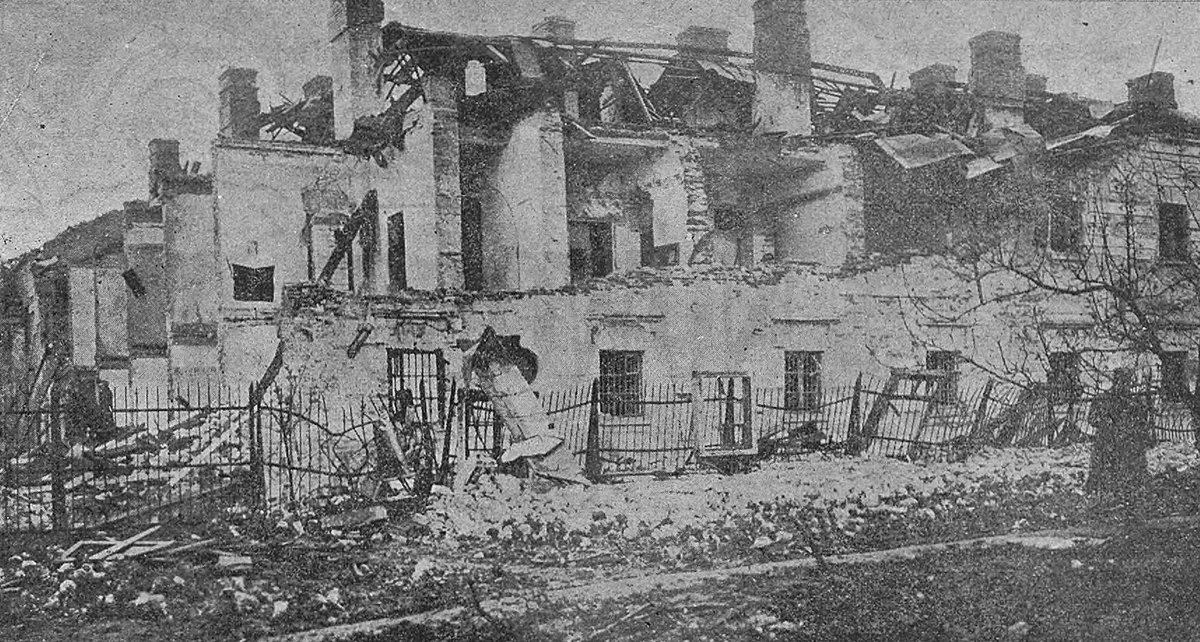
Throughout the late 19th and 20th centuries, the Citadel adapted to changing regimes. It remained a symbol of political oppression during the Tsarist era, served military functions during both World Wars, and later became a site of historical commemoration. In 1963, the 10th Pavilion was transformed into a museum to honor the struggle for Polish independence (Warszawka.eu; Google Arts & Culture).
The Museum Today
The Museum of the 10th Pavilion preserves reconstructed prison cells, courtrooms, and exhibitions on the lives of political prisoners. Displays feature personal artifacts, documents, and art created by former inmates, providing a poignant narrative of resistance and resilience (WhichMuseum; Cold War Sites).
The Citadel’s Contemporary Role
Recent revitalization has transformed the Citadel into a “park of museums,” bringing together the Polish Army Museum, the Polish History Museum, the Katyń Museum, and the 10th Pavilion Museum, creating a vibrant cultural hub (ArchDaily).
Visitor Information
Visiting Hours
- Citadel Grounds: Open daily, 9:00 AM–6:00 PM
- 10th Pavilion Museum: Tuesday–Sunday, 10:00 AM–5:00 PM; closed Mondays and public holidays (Muzeum Niepodległości)
Tickets and Admission
- Citadel Grounds: Free entry
- 10th Pavilion Museum: 15–20 PLN for adults; discounts for students, seniors, and groups; children under 7 enter free. Tickets are available onsite and, in some periods, online via the official website (Evendo).
Accessibility
- The Citadel grounds and main museum areas are wheelchair accessible. Some historic sections may have limited access.
- Ramps, elevators, and accessible restrooms are available.
Guided Tours
- Guided tours in Polish and English are available and can be booked in advance. Tours last approximately 60–90 minutes, offering deep historical context.
Travel Tips and Nearby Attractions
- Getting There: Accessible via metro (Dworzec Gdański station), tram, and bus. Limited parking is available near the entrance.
- Nearby Attractions: Polish History Museum, Katyń Museum, Warsaw Old Town, and POLIN Museum of the History of Polish Jews are within close reach.
- Best Time to Visit: Weekday mornings are quieter. Early spring and autumn offer mild weather.
Visitor Experience
Arrival and Orientation
Arriving at Skazańców 25, visitors will find a well-signposted entrance and bilingual (Polish/English) staff. The main entrance is accessible, and orientation materials are provided.
Museum Layout and Exhibits
The museum spans two floors:
- Ground Floor: Ticket office, gift shop, and introductory exhibits on the Citadel’s construction and historical context.
- Upper Floor: Permanent exhibitions, reconstructed prison cells, and interactive multimedia displays.
Highlights and Special Events
- Prison Cells: Authentic cells of iconic prisoners such as Romuald Traugutt and Józef Piłsudski, with personal artifacts and bilingual panels.
- Interactive Displays: Touchscreens and multimedia content on the Citadel’s history (Culture.pl).
- Temporary Exhibitions: Rotating themes related to resistance, independence, and Polish history. Special events are often held on national anniversaries.
Amenities and Accessibility
- Restrooms: Accessible and clean facilities on the ground floor.
- Café: Offers Polish snacks and beverages.
- Gift Shop: Sells books and unique souvenirs.
- Cloakroom: For coats and small bags.
Further Exploration
- Citadel Grounds: Pleasant walking paths, benches, and scenic views over Warsaw.
- Żoliborz District: Nearby cafés and parks for post-visit relaxation (WarsawTour).
Frequently Asked Questions (FAQ)
Q: What are the Xth Pavilion Warsaw Citadel visiting hours?
A: Tuesday–Sunday, 10:00 AM–5:00 PM; closed Mondays and public holidays.
Q: How much do tickets cost?
A: 15–20 PLN for adults, with discounts for students, seniors, and groups. Children under 7 free.
Q: Is the museum wheelchair accessible?
A: Yes, with ramps, elevators, and accessible restrooms.
Q: Are guided tours offered?
A: Yes, in Polish and English. Advance booking recommended.
Q: Can I take photos inside?
A: Non-flash photography is allowed in most areas; restrictions may apply to temporary exhibits.
Q: Where can I buy tickets?
A: At the museum ticket office and occasionally online via the official website.
Q: What other attractions are nearby?
A: Polish History Museum, Katyń Museum, POLIN Museum, and Warsaw Old Town.
Listen to the full story in the app
The whole Xth Pavilion Of The Citadel Warsaw,
told well.
Audio guides for 1,100+ cities across 96 countries. History, stories, and local insight — offline ready.
Verified, and shown.
Researched and written by the Audiala editorial team from historical records, architectural archives, and local expertise.
Researched from Wikidata, Wikipedia & official sources · fact-checked · How we make our guides →