Plan and listen to Warsaw Zoo with Audiala.
Audio guide in your pocket, itinerary in your browser. Built for the way you actually visit.
Introduction
Nestled along the Vistula River in the heart of Warsaw’s Praga Północ district, the Warsaw Zoo (Municipal Zoological Garden in Warsaw) is a vibrant destination that seamlessly blends natural beauty, rich history, and modern conservation. Since its founding in 1928 by biologist Jan Żabiński, the zoo has evolved from a modest collection of 500 animals to a leading institution with over 11,000 animals representing more than 500 species. Today, the Warsaw Zoo stands as a testament to the city’s resilience and commitment to wildlife preservation, offering visitors not just animal exhibits, but a meaningful connection to Poland’s historical and cultural legacy — notably through the heroic actions of Jan and Antonina Żabiński during World War II, immortalized in "The Zookeeper’s Wife."
This guide covers everything you need to know for a rewarding visit: from seasonal visiting hours and ticket prices, to must-see exhibits, accessibility features, nearby attractions, and practical tips. For up-to-date details and planning resources, consult the official Warsaw Zoo website, as well as trusted travel sources (Wikipedia, The Tourist Checklist).

Visiting Hours and Tickets
Seasonal Hours
- April to September: 9:00 AM – 7:00 PM
- October to March: 9:00 AM – 4:00 PM
- Closed: December 24th and 25th
Always verify the current schedule on the official Warsaw Zoo website as hours may vary seasonally or on holidays.
Ticket Prices
- Adults: 40 PLN
- Children (3-16 years): 25 PLN
- Seniors (65+): 30 PLN
- Family Ticket (2 adults + 2 children): 110 PLN
Tickets are available at the entrance and online via the official website. Online purchase is recommended during peak seasons.
Accessibility
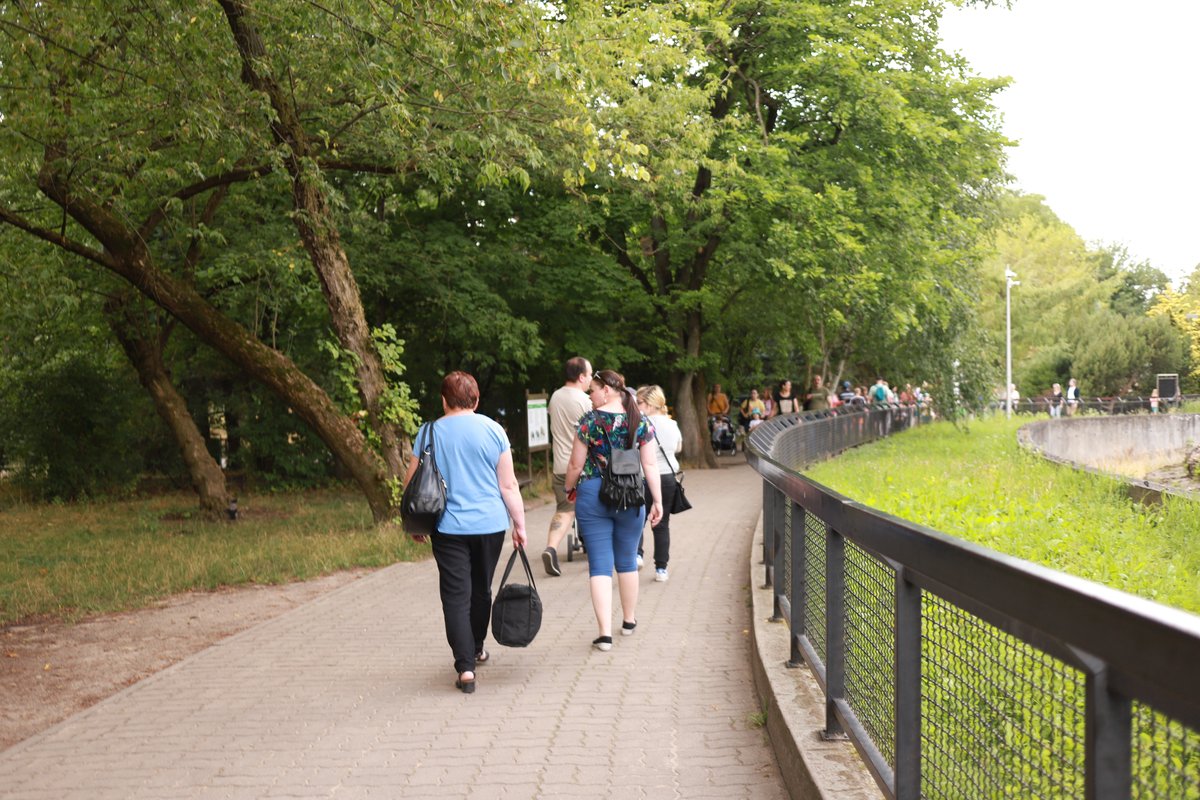
The zoo is fully accessible, with wheelchair ramps, wide paths, accessible restrooms, and baby-changing facilities. Assistance for visitors with disabilities can be arranged upon request.
Travel Tips
- Best to visit on weekday mornings for fewer crowds.
- Parking is available but limited.
- Tram lines 4, 10, and 26, as well as several bus routes, stop nearby.
Founding and Early Development (1928–1939)
The Warsaw Zoo opened on March 11, 1928, quickly becoming a leading attraction with 500 animals and over 70 species. Jan Żabiński, its first director, envisioned the zoo as a center for both recreation and scientific advancement.
World War II and the Żabiński Legacy
During WWII, the zoo suffered heavy damage, but Jan and Antonina Żabiński used the grounds and their villa to shelter hundreds of Jewish refugees, risking their lives in the process. Their actions earned them the title “Righteous Among the Nations” in 1965 (Dirk de Klein). This remarkable history is commemorated at the zoo and in the film "The Zookeeper’s Wife."
Postwar Reconstruction and Growth (1945–1990)
After the war, the zoo underwent extensive rebuilding. New enclosures and educational initiatives restored its status as a vital cultural and recreational space, although some mid-century structures are now being modernized.
Modernization and Conservation (1990–Present)
The zoo has focused on animal welfare, conservation, and education. Recent developments include new habitats for elephants, big cats, and primates, as well as participation in international breeding programs.
Layout and Facilities
Spanning 40 hectares, the zoo is organized into thematic zones:
- Western Section: Large mammals (elephants, hippos, polar bears)
- Eastern Section: Primates, big cats, aviaries, and walk-through free-flight aviary
- Aquarium Complex: Poland’s largest shark tank
- Children’s Zoo: Interactive area for young visitors
Amenities include playgrounds, rest areas, food kiosks, picnic spots, and clear bilingual signage (Warsaw Zoo Official Site). Wide, accessible paths make the zoo easy to navigate for all visitors.
Animal Collection and Conservation
The Warsaw Zoo is home to approximately 3,000 animals across 500 species, including:
- Elephant House: Modern, spacious habitats for African elephants
- Great Ape Pavilion: Gorillas, chimpanzees, and orangutans
- Hippo House & Aquarium: Hippos and diverse aquatic species, including sharks
- Polar Bear Enclosure: Cold-water pools and rocky terrain
- Big Cat Enclosures: Lions, tigers, leopards
- Primate Section: Monkeys and lemurs
- Birdhouse & Aviaries: With walk-through experience
- Native Polish Species: European bison, lynx, and other local fauna
The zoo is active in the European Endangered Species Programme (EEP) and other international conservation efforts (Wikipedia).
Educational and Interactive Opportunities
Education is central to the zoo’s mission. Visitors can:
- Attend regular feeding demonstrations and zookeeper talks
- Join volunteer-led walks (registration required)
- Participate in seasonal workshops and themed night tours
These programs enhance awareness of conservation challenges and animal behavior (The Tourist Checklist).
Visitor Experience
Cleanliness and Maintenance
Facilities are well-maintained, with modern enclosures and healthy animals. Some older structures are being upgraded.
Family-Friendly Features
- Playgrounds and interactive exhibits
- Seasonal events and children’s programs
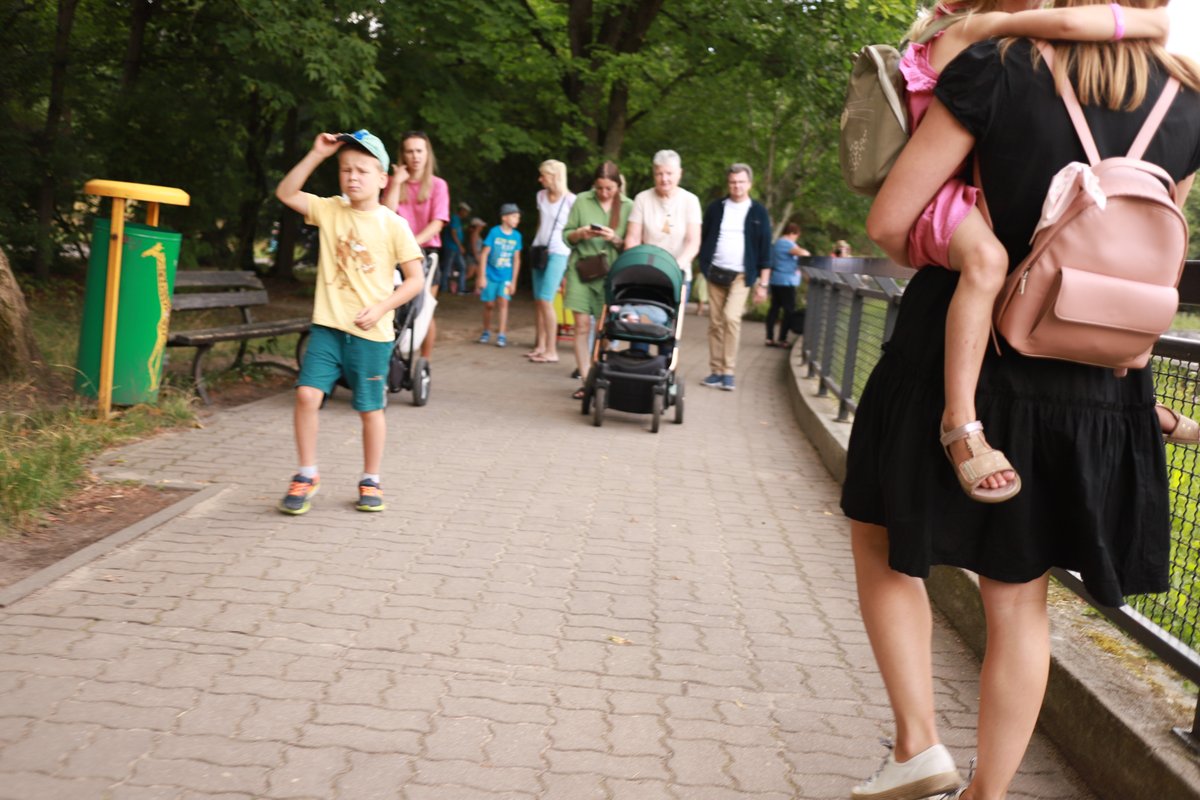
- Wide, stroller-friendly pathways
Crowds and Atmosphere
Expect more visitors on weekends and holidays. For a quieter experience, visit early or on weekdays.
Practical Information and Travel Tips
- Location: Ratuszowa 1/3, Praga Północ, Warsaw
- Public Transport: Easily accessible by tram, bus, and train stations nearby
- Dining: Cafés and snack bars on-site; picnics allowed in designated areas
- Shopping: Gift shops at entrances and throughout the grounds
Tip: Allow at least 3–4 hours to explore; dress for the weather, and use the zoo map to plan your route.
Special Events and Guided Tours
The zoo offers:
- Guided tours by staff or volunteers (some require registration)
- Seasonal events and animal feeding times
- Themed night walks and educational workshops
Check the official website for current schedules.
Nearby Attractions and Cultural Sites
Combine your zoo trip with other Warsaw highlights:
- Royal Łazienki Park
- Warsaw Uprising Museum
- Praski Park
- Old Town and Multimedia Fountain Park
These sites are easily accessible and enrich your cultural experience (The Tourist Checklist).
Frequently Asked Questions (FAQ)
Are pets allowed in the zoo?
No, pets are not permitted for safety reasons.
Is the zoo stroller- and wheelchair-friendly?
Yes, all main paths and facilities are accessible.
Are there dining options inside?
Yes, cafés, snack bars, and picnic areas are available.
Can I buy tickets on-site?
Yes, but online purchase is recommended to avoid queues.
Are guided tours available?
Yes, both regular and themed tours are offered; some require advance booking.
Is the zoo open year-round?
Yes, with seasonal hours; check the official website for current times.
Visuals and Media
Explore high-quality images, maps, and virtual tours on the official Warsaw Zoo website. These resources help you plan your visit and navigate the grounds.
Discover More
Ready to discover the Warsaw Zoo? Visit the official website to check the latest visiting hours, buy tickets, and view event schedules. Download the Audiala app for a digital guide, and follow the zoo’s social media for updates. Make the Warsaw Zoo a highlight of your Warsaw adventure!
Key Milestones and Visitor Numbers
- 1928: Zoo opens with 500 animals; 24,000 visitors in first weeks
- 1939–1945: WWII damage; Żabiński family shelters Jewish refugees
- 1950s–1960s: Reconstruction and expansion
- 2000s: First cheetah cubs born in Poland
- 2023–2025: Major modernization and new exhibits
The Warsaw Zoo’s journey from a modest interwar project to a modern conservation leader is a reflection of the city’s resilience and cultural richness.
Summary and Final Tips
The Warsaw Zoo offers a unique blend of wildlife, history, and family-friendly amenities in a picturesque urban setting. Plan ahead by checking hours, buying tickets online, and exploring guided tours or seasonal events for a richer experience. Its central location makes it a perfect addition to a broader Warsaw itinerary.
For more tips and updates, download the Audiala app and follow the zoo’s channels.
Listen to the full story in the app
The whole Warsaw Zoo,
told well.
Audio guides for 1,100+ cities across 96 countries. History, stories, and local insight — offline ready.
Verified, and shown.
Researched and written by the Audiala editorial team from historical records, architectural archives, and local expertise.
Researched from Wikidata, Wikipedia & official sources · fact-checked · How we make our guides →