Plan and listen to Warsaw University Astronomical Observatory with Audiala.
Audio guide in your pocket, itinerary in your browser. Built for the way you actually visit.
Introduction
The Warsaw University Astronomical Observatory is one of Poland’s most significant scientific and cultural institutions. Founded in the early 19th century and located within the lush University of Warsaw Botanical Garden at Aleje Ujazdowskie 4, the observatory blends neoclassical architecture, pioneering astronomical research, and a commitment to public engagement. Over its nearly two centuries of existence, it has survived war, witnessed scientific milestones, and played a key role in advancing both Polish and international astronomy (Wikipedia). Today, the observatory offers visitors a unique experience in the heart of Warsaw, combining history, scientific innovation, and educational outreach.

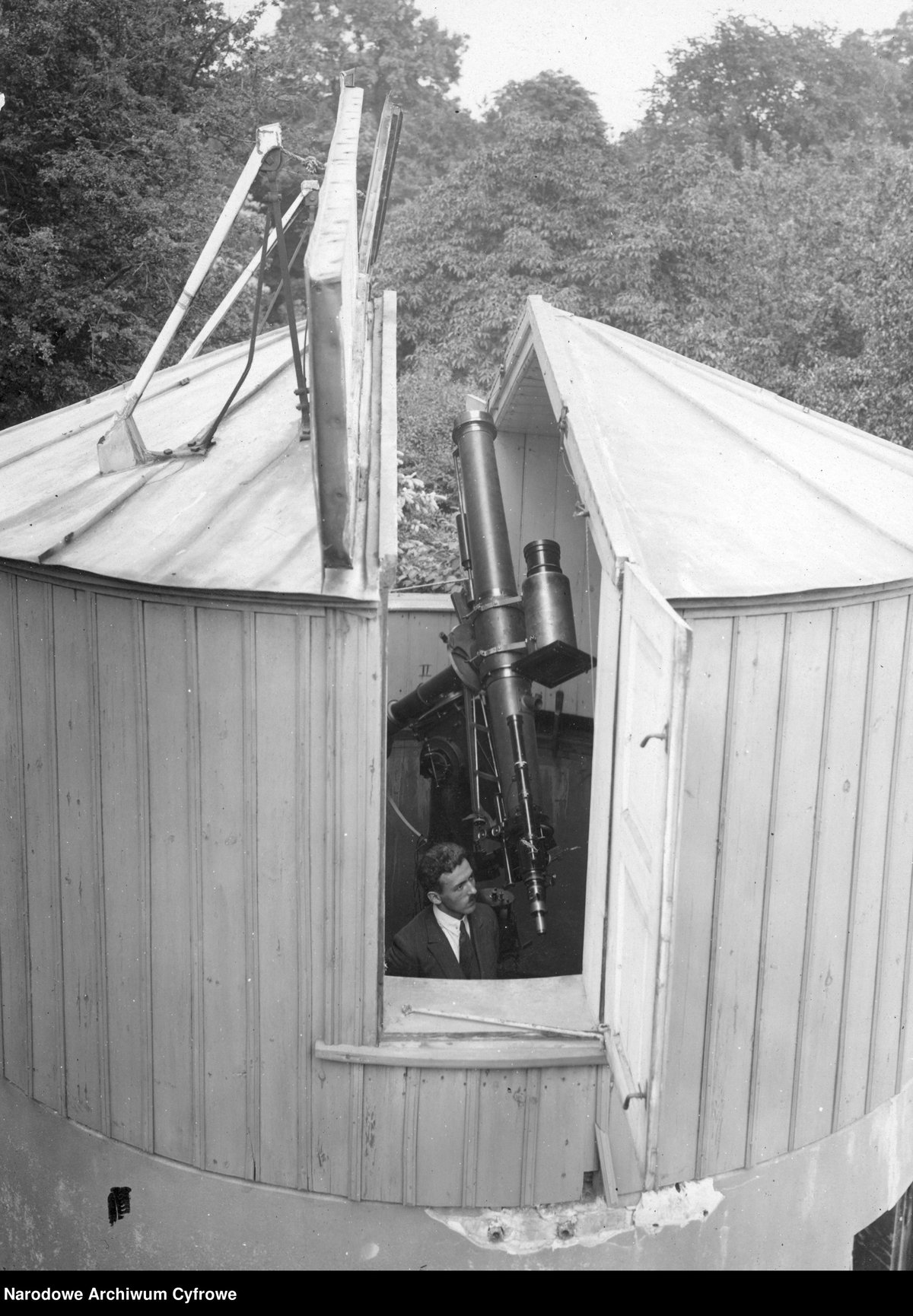
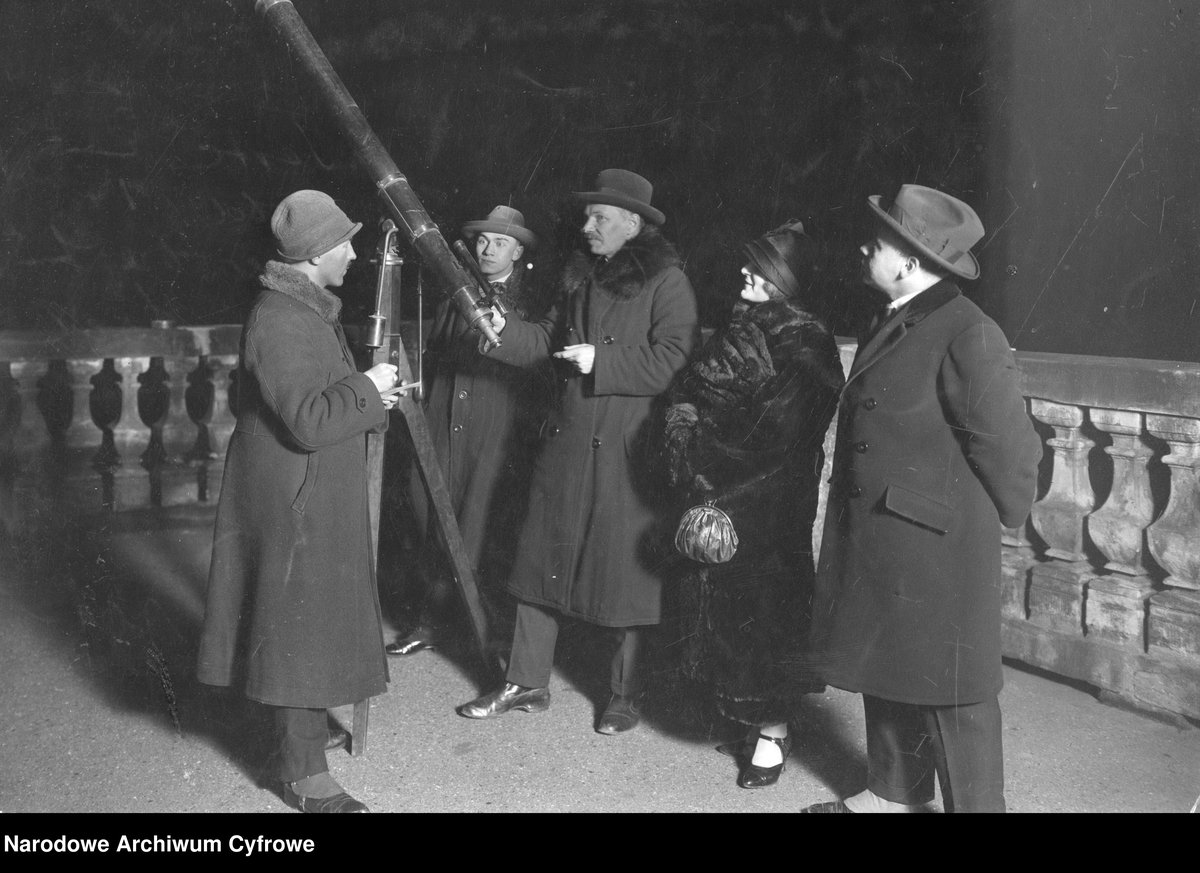
History and Cultural Significance
Founding and Early Development (1820–1914)
The observatory was established in the early 19th century, with construction beginning in 1820 under the guidance of Franciszek Armiński. Completed in 1825, the facility quickly became one of Europe’s most advanced astronomical centers, equipped with modern instruments and multiple domes (Wikipedia). From its inception, the observatory elevated Poland’s scientific reputation and played a central role in astronomical education and research (MexicoHistorico).
Interwar Expansion and World War II
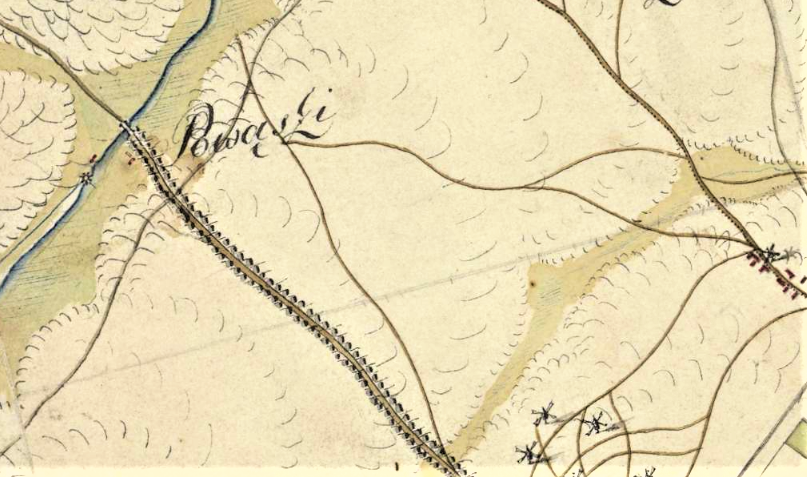
In the interwar period, the observatory expanded its reach by establishing remote observing stations, notably in Pop Iwan (now in Ukraine), to combat growing urban light pollution. The outbreak of World War II disrupted these efforts, resulting in the loss or relocation of valuable instruments and severe damage to the main Warsaw facility during the 1944 Warsaw Uprising, including the destruction of historic domes and rare library collections (Wikipedia).
Postwar Reconstruction and Modern Achievements
Reconstruction efforts after the war restored the observatory’s neoclassical structure. By the late 20th century, the observatory had reestablished itself as a leader in astronomical research, giving rise to the internationally recognized "Warsaw School of Astronomy." Notably, the Optical Gravitational Lensing Experiment (OGLE), launched in 1992 using the dedicated "Warsaw Telescope" in Chile, has led to groundbreaking discoveries in microlensing and exoplanet detection (ESO Messenger). The observatory continues to collaborate on international projects such as the All Sky Automated Survey (ASAS) and the Polish Fireball Network (University of Warsaw).
Visiting the Observatory
Opening Hours and Tickets
Public Access:
The observatory primarily serves research and education. General public access to the interior is limited to special events such as the annual “Night of Museums,” Warsaw Science Festival, and other outreach activities (Astronomical Observatory UW).
- Botanical Garden (where the observatory stands): Open April to October, typically 10:00–18:00. Entry is by ticket.
- Special Events: Entry to the observatory for public events is usually free, but advance registration may be required due to limited capacity.
Admission Fees:
- Botanical Garden: Standard adult tickets are 15–20 PLN; discounts for students, children, and seniors apply.
- Observatory Events: Free during public science events, with possible registration (ogrod.uw.edu.pl).
Guided Tours:
Guided tours are offered to school groups, students, and—on special occasions—the general public. These tours cover the observatory’s history, instruments, and ongoing research. Advance booking is essential (Astronomical Observatory UW).
Location, Accessibility, and Facilities
Address: Al. Ujazdowskie 4, 00-478 Warsaw, Poland
Setting: Within the University of Warsaw Botanical Garden, adjacent to Łazienki Park and close to key city landmarks (standyou.com).
Transport:
- Tram/Bus: Multiple lines stop at “Plac Na Rozdrożu” or “Agrykola” on Ujazdowskie Avenue.
- Metro: “Centrum” station is a 20-minute walk away.
- Parking: Limited street parking; public transport is recommended.
Accessibility:
The Botanical Garden is generally wheelchair accessible, but some areas of the historic observatory building may be challenging for those with mobility impairments. Contact the administration for details or assistance (ogrod.uw.edu.pl).
Facilities:
Restrooms are available in the Botanical Garden. Occasional cafés and kiosks operate during peak seasons and events.
What to See and Do
- Exterior Architecture: Admire the neoclassical observatory, a protected monument, set against the lush Botanical Garden (whitemad.pl).
- Historic Scientific Instruments: During guided tours or events, view 19th- and 20th-century telescopes and timekeeping devices (Wikipedia).
- Modern Research: Learn about OGLE, ASAS, and international collaborations involving Chilean telescopes and the Ostrowik station (ESO Messenger).
- Public Science Events: Participate in lectures, stargazing nights, and educational workshops during festivals or special open days (Astronomical Observatory UW).
- Photography: The observatory’s exterior and garden are ideal for photography; professional shoots require permission.
Travel Tips and Nearby Attractions
- Combine Experiences: Plan a full day by visiting Łazienki Park, the Royal Route, or the Copernicus Science Centre (warsawvisit.com).
- Best Visiting Time: Spring and early summer offer vibrant gardens and mild weather.
- Language: English is commonly spoken during public events, but some signage and materials are in Polish.
- Event Schedules: Check the official observatory website for up-to-date event calendars (astrouw.edu.pl).
- Weather Preparedness: Bring rain gear if visiting in spring or autumn.
Frequently Asked Questions (FAQ)
Q: When can the public visit the Warsaw University Astronomical Observatory?
A: The interior is open to the public mainly during special events (e.g., “Night of Museums”). The surrounding Botanical Garden is generally open April to October, 10:00–18:00.
Q: Do I need a ticket to visit?
A: Entry to the Botanical Garden is ticketed (15–20 PLN for adults). Public observatory events are usually free but may require registration.
Q: Are guided tours available?
A: Yes, tours are available for groups by prior arrangement and during public science events.
Q: Is the site accessible for visitors with disabilities?
A: The Botanical Garden is largely wheelchair accessible; some observatory areas may have limitations.
Q: How do I get there by public transport?
A: Tram and bus lines stop near Ujazdowskie Avenue; the “Centrum” metro station is a 20-minute walk away.
Q: Can I take photos?
A: Yes, for personal use. Professional or commercial photography requires permission.
Listen to the full story in the app
The whole Warsaw University Astronomical Observatory,
told well.
Audio guides for 1,100+ cities across 96 countries. History, stories, and local insight — offline ready.
Verified, and shown.
Researched and written by the Audiala editorial team from historical records, architectural archives, and local expertise.
Researched from Wikidata, Wikipedia & official sources · fact-checked · How we make our guides →