Plan and listen to Warsaw Citadel with Audiala.
Audio guide in your pocket, itinerary in your browser. Built for the way you actually visit.
Introduction
The Warsaw Citadel (Polish: Cytadela Warszawska) stands as one of Poland’s most compelling historical sites, embodying the nation’s long-standing struggles for independence, resistance to oppression, and cultural resilience. Erected in the wake of the November Uprising of 1830–1831 by the order of Tsar Nicholas I, the Citadel was intended as a powerful symbol of Russian imperial dominance. Over nearly two centuries, it evolved from a formidable military fortress and political prison to a vibrant heritage site, hosting major museums and memorials. Today, the Citadel is not only an architectural landmark but also a living testament to Poland’s turbulent past and enduring spirit, attracting visitors eager to delve into its multifaceted history (Spotting History, Museum of the Tenth Pavilion).

Origins and Construction
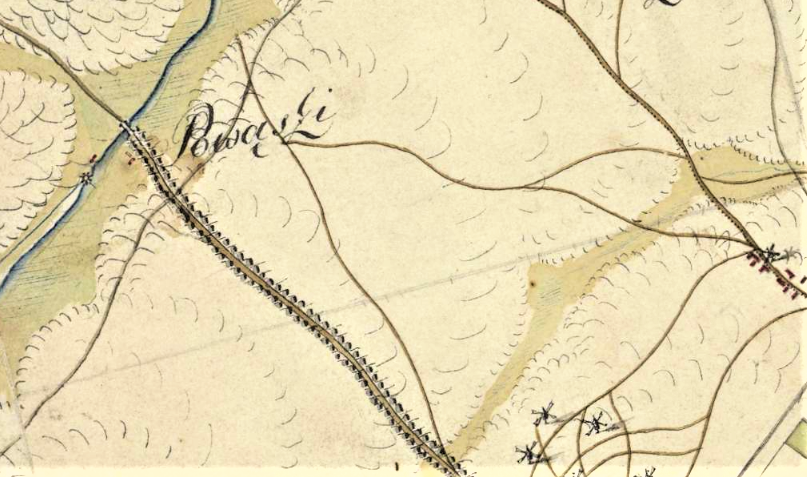
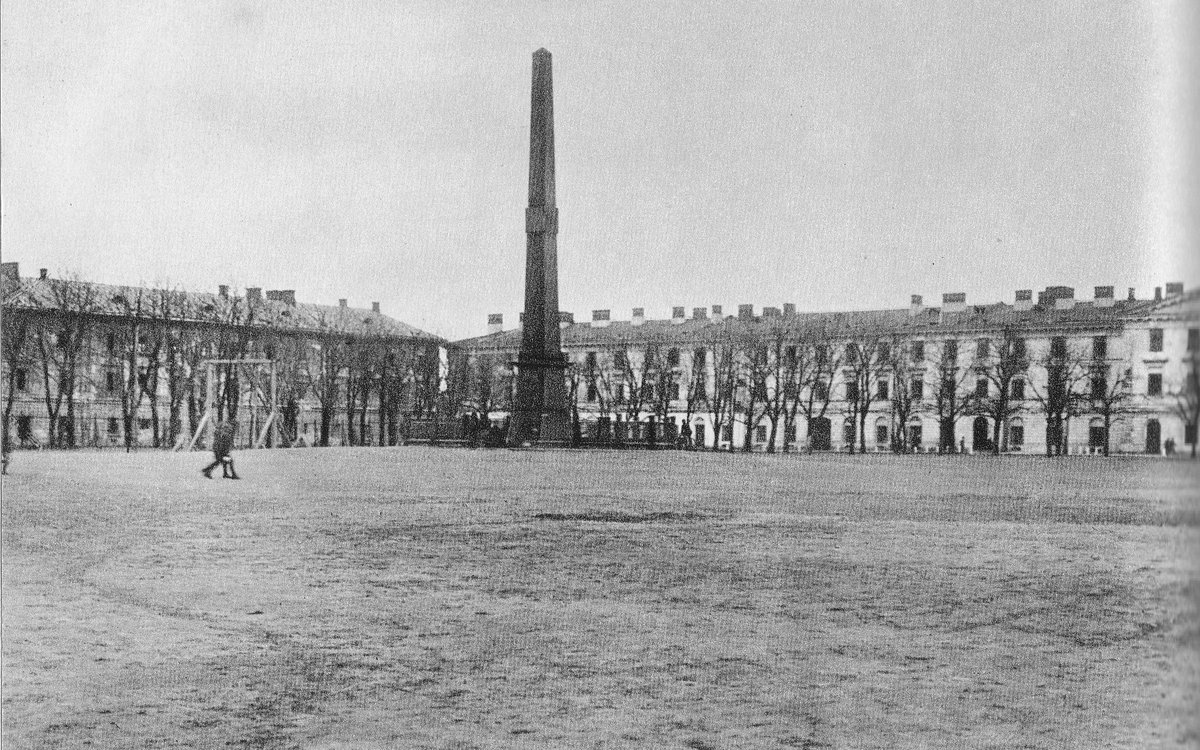
Commissioned in 1832 on the ruins of a monastery and the Fawory estate, the Warsaw Citadel was designed by Major General Johan Jakob von Daehn, inspired by the now-demolished Antwerp Citadel. Its pentagonal brick structure, covering approximately 36 hectares, dramatically altered Warsaw’s landscape, displacing thousands of residents and reshaping the city’s northern edge. Though officially completed in 1834, the Citadel was not fully finished until 1874, reflecting its massive scale and strategic importance (Spotting History).
Political Repression and the 10th Pavilion
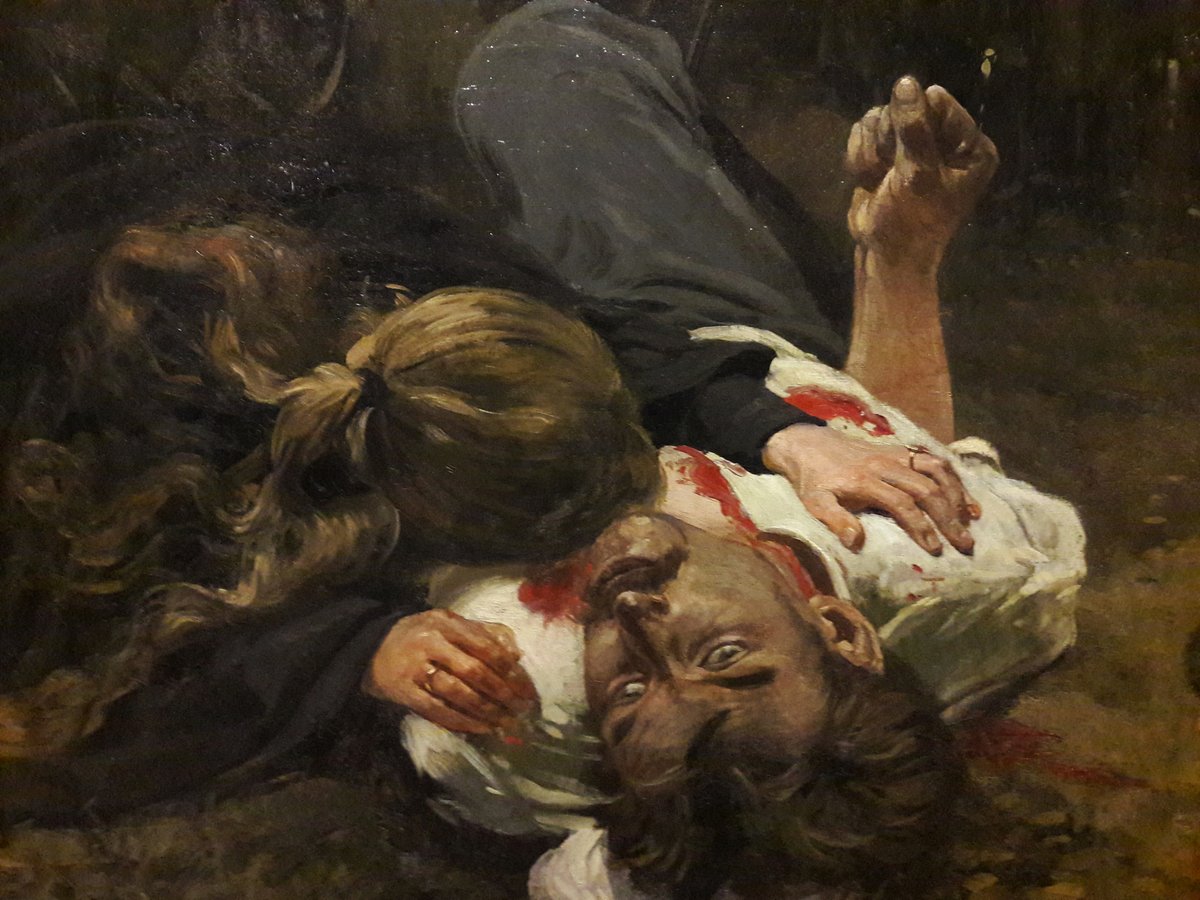
The Citadel’s role extended far beyond military defense. It became infamous as a center of political repression, particularly through the 10th Pavilion—a prison notorious for holding Polish patriots, intellectuals, and revolutionaries. From 1833 onward, the Pavilion served as the main investigative prison for political detainees under Russian rule, with the Investigation Commission prosecuting those accused of anti-imperial activities. Many prominent figures—including Apollo Korzeniowski, Romuald Traugutt, and Józef Piłsudski—were imprisoned or executed here, making the Citadel a symbol of both suffering and resistance (Museum of the Tenth Pavilion).
Military Role, Decline, and Twentieth-Century History
While originally considered a state-of-the-art fortress, the Citadel’s military relevance declined by the early 20th century due to advances in artillery. Plans for its demolition in 1913 were interrupted by World War I, during which it was abandoned by Russian forces and subsequently occupied by the Germans. The fortress saw further violence, including mass executions in 1916. After Poland regained independence in 1918, the Citadel was taken over by the Polish Army, serving as a garrison and training center. It played a strategic role during the 1944 Warsaw Uprising, and despite wartime damage, it remained an important military and historical site (Spotting History, Facts.net).
Architectural and Urban Significance
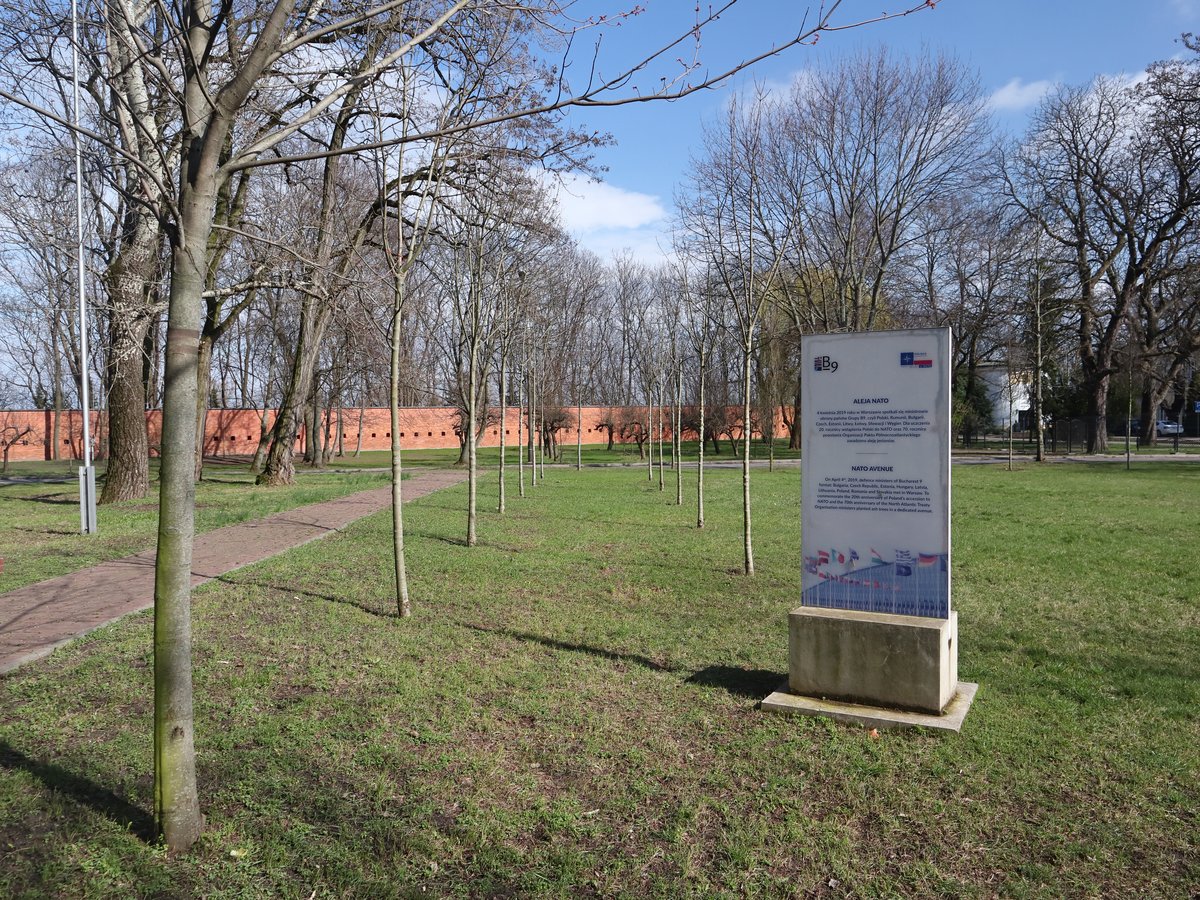
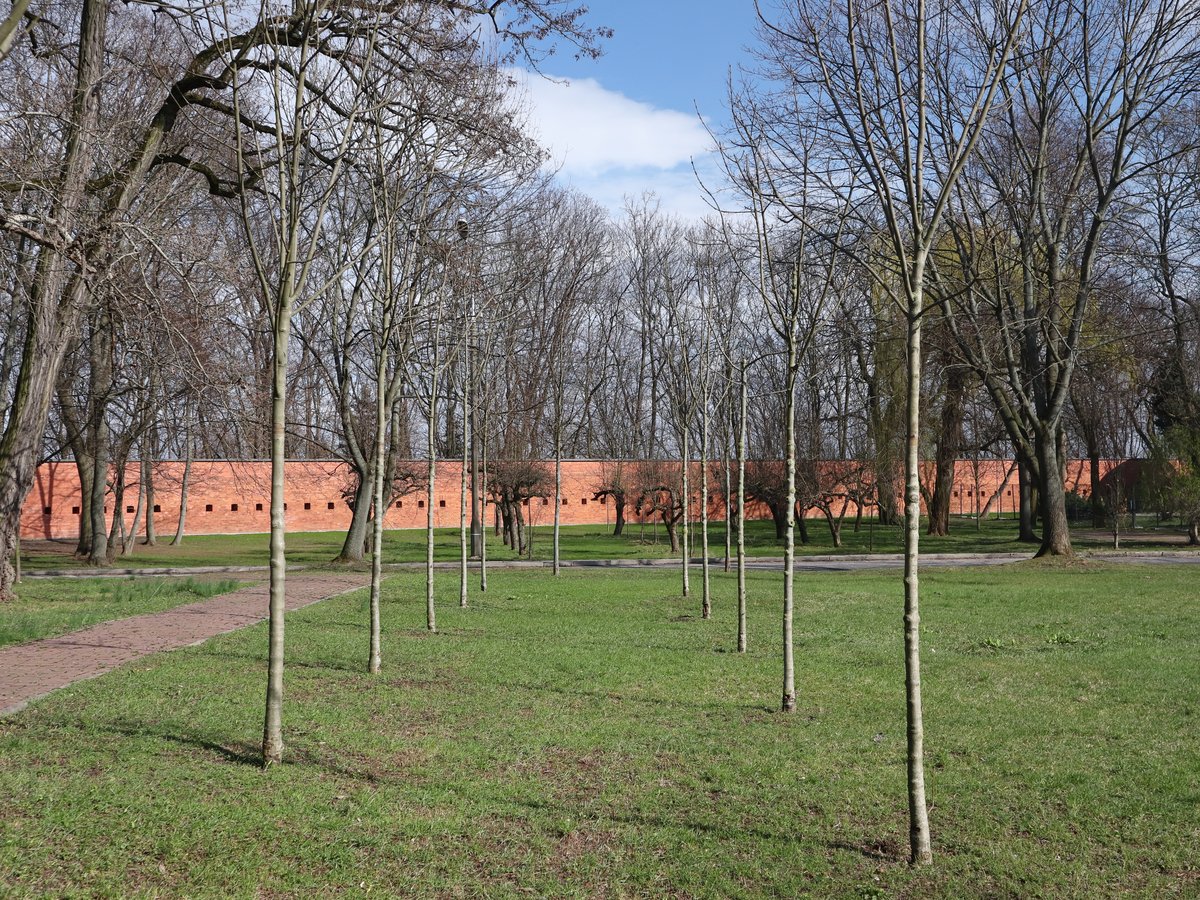
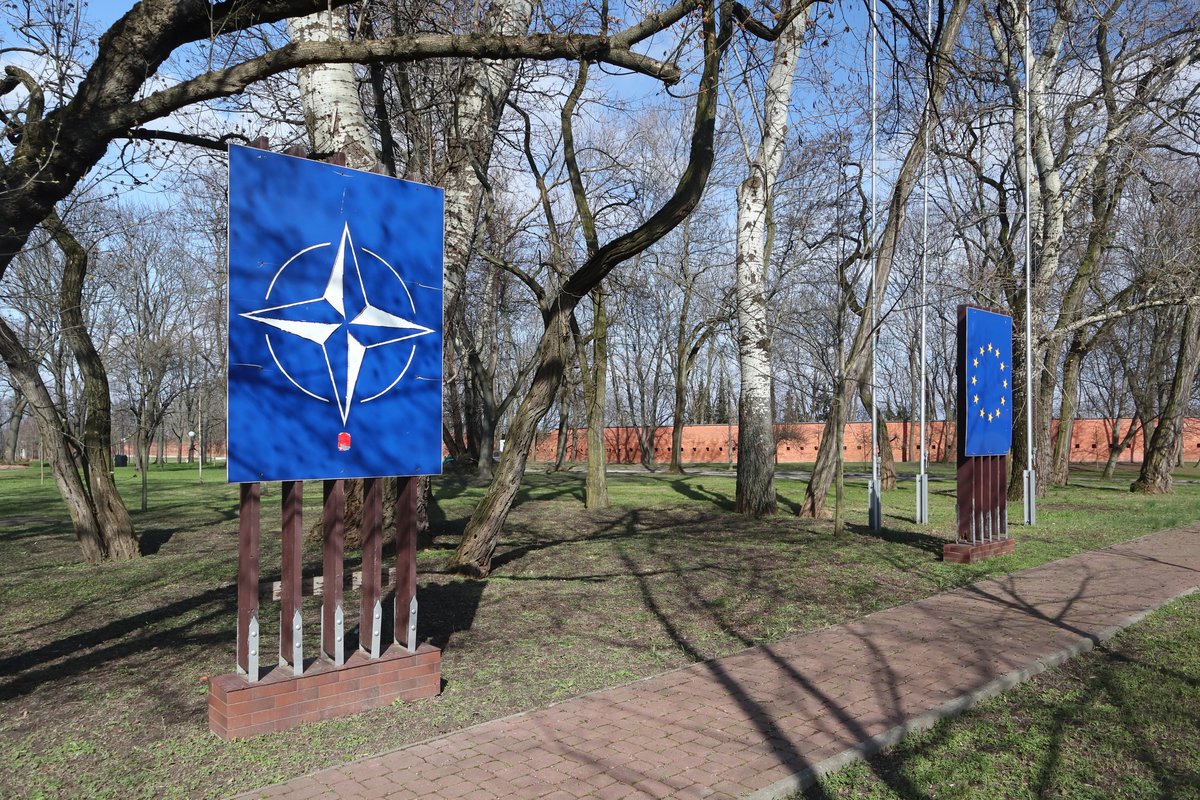
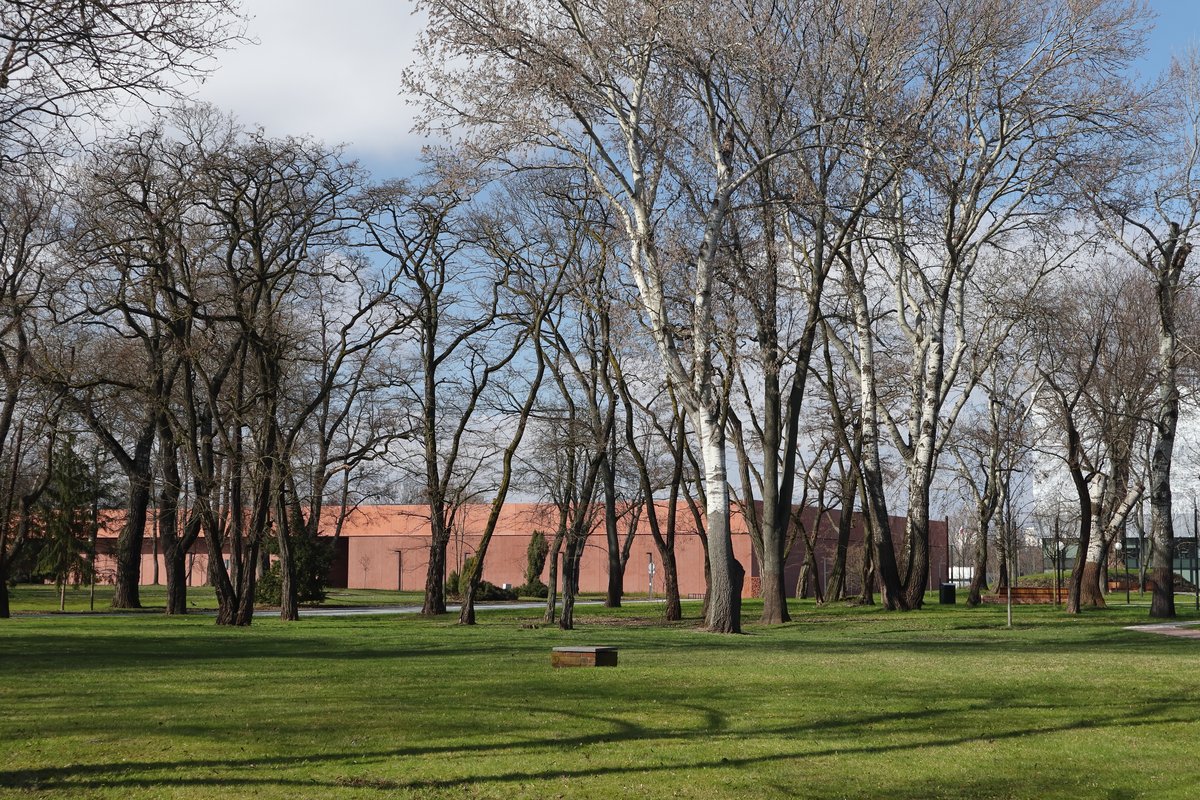
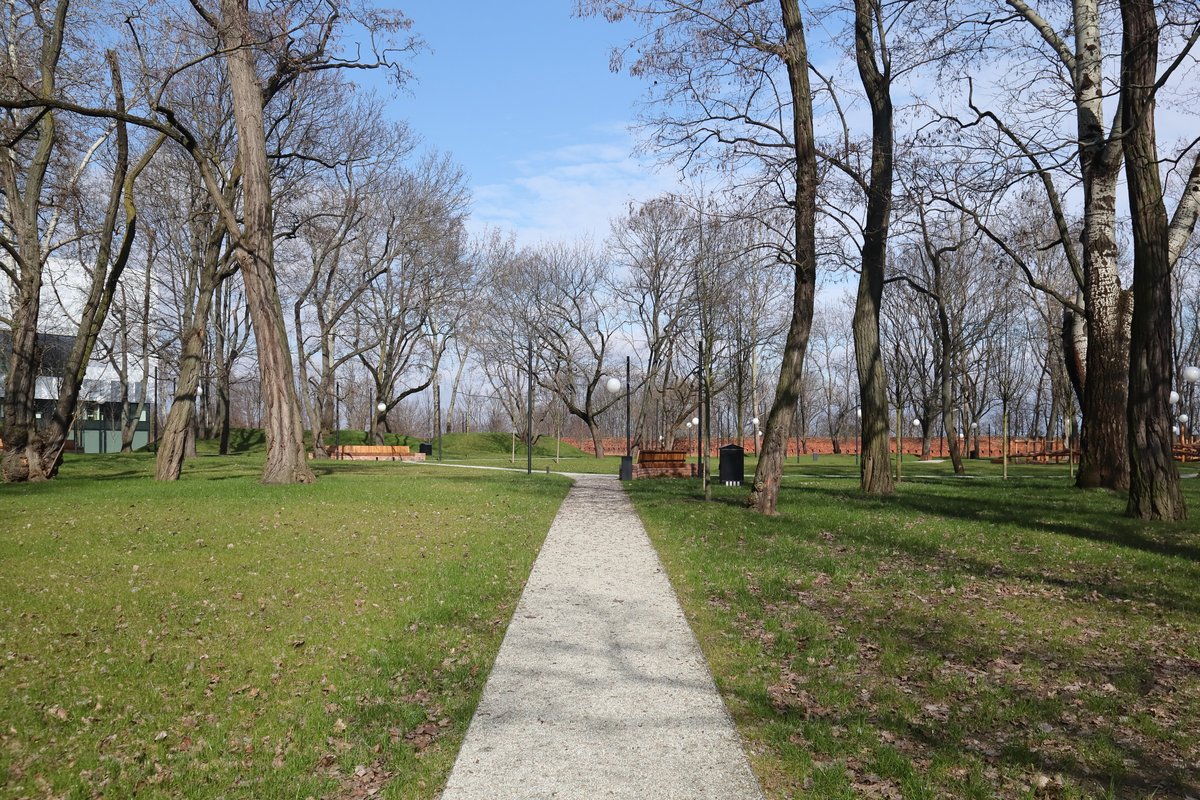
The Warsaw Citadel is among the largest surviving 19th-century fortresses in Europe and is uniquely situated near Warsaw’s city center. Its imposing brick walls, underground tunnels, and extensive green spaces create a distinctive urban landscape that invites exploration. Recently, redevelopment projects have aimed to reintegrate the Citadel into city life, transforming it into a "park of museums" and a cultural hub (archdaily.com).
Museums and Memorials
The Citadel hosts several major museums:
- Polish Army Museum: Showcases Poland’s military history through rich collections of uniforms, weapons, and interactive exhibits (Polish Army Museum).
- Museum of the 10th Pavilion: Focuses on the stories of political prisoners and the Citadel’s grim role in Polish history (Museum of the Tenth Pavilion).
- Katyń Museum: Dedicated to the victims of the 1940 Katyń Massacre, with moving displays of personal effects and historical documents.
- Polish History Museum: Features multimedia exhibits spanning ten centuries of Polish history (Travel-Mates).
These institutions offer immersive educational experiences and serve as vital centers for remembrance and cultural reflection.
Visiting the Warsaw Citadel: Hours, Tickets, and Practical Information
Opening Hours
- Citadel Grounds: Open daily from dawn to dusk.
- Polish Army Museum: Wednesday–Sunday, 10:00 AM–4:00 PM (last admission at 3:20 PM). Closed Monday and Tuesday (Polish Army Museum).
- Polish History Museum: Wednesday–Sunday; check the museum’s website for detailed times (Travel-Mates).
- Museum of the 10th Pavilion: Thursday, 10:00 AM–5:00 PM (Warsaw Now).
Always verify current hours on official museum websites before visiting, as they may change seasonally or for special events.
Tickets and Free Days
- Citadel Grounds: Free entry.
- Polish Army Museum: Free admission; some special exhibitions may require a ticket.
- Polish History Museum: Regular ticket PLN 10; reduced ticket PLN 5; family ticket (up to 6 people) PLN 15; students up to 26 years PLN 1; children under 7 free. Free admission every Friday and on public holidays (Travel-Mates).
- Museum of the 10th Pavilion: Free admission on Thursdays.
Tickets can be purchased on-site or through official online portals (Polish Army Museum, Travel-Mates).
Guided Tours and Audio Guides
- Guided Tours: Offered in multiple languages; booking ahead is recommended, especially for groups.
- Audio Guides: Available via a dedicated app for self-guided exploration (Polish Army Museum).
Accessibility
- Disability Access: Main museums and public areas are wheelchair accessible, with ramps, elevators, and adapted restrooms. Some historic interiors may have limited access.
- Family Facilities: Stroller-friendly paths, family tickets, and educational programs make the Citadel suitable for visitors with children (Travel-Mates).
Getting There and Facilities
Location
- Address: 1 Gwardii Street, Żoliborz district, north of Warsaw’s city center (Travel-Mates).
Public Transport
- Metro: Dworzec Gdański (Metro Line 1), followed by a 10–15 minute walk.
- Tram: Lines 1, 3, 4, 6, 15, 28, 78.
- Bus: Lines 116, 157, 178, 503.
- From Chopin Airport: Bus 188 to Politechnika, then Metro Line 1 to Dworzec Gdański (Polish Presidency).
Parking
- Underground Parking: Available at the Polish History Museum (PLN 6/hour) (Warszawa Bilety).
- Public Parking: Near Brama Żoliborska and on Dymińska and Krajewskiego Streets.
- Accessible Parking: Reserved spaces for visitors with disabilities (Go2Warsaw).
Facilities
- Restrooms: Available in all main museums.
- Cafés and Shops: Onsite options for refreshments and souvenirs.
- Lockers: Cloakrooms for bag and coat storage.
Key Attractions and Experiences
- Historic Fortifications: Explore original fortress walls, bastions, and underground tunnels.
- Museum Exhibits: Engage with multimedia displays and interactive exhibits in each museum.
- 10th Pavilion Prison Cells: Visit preserved cells and learn about the fates of political prisoners.
- Katyń Museum: Experience poignant memorials and personal stories of the Katyń Massacre.
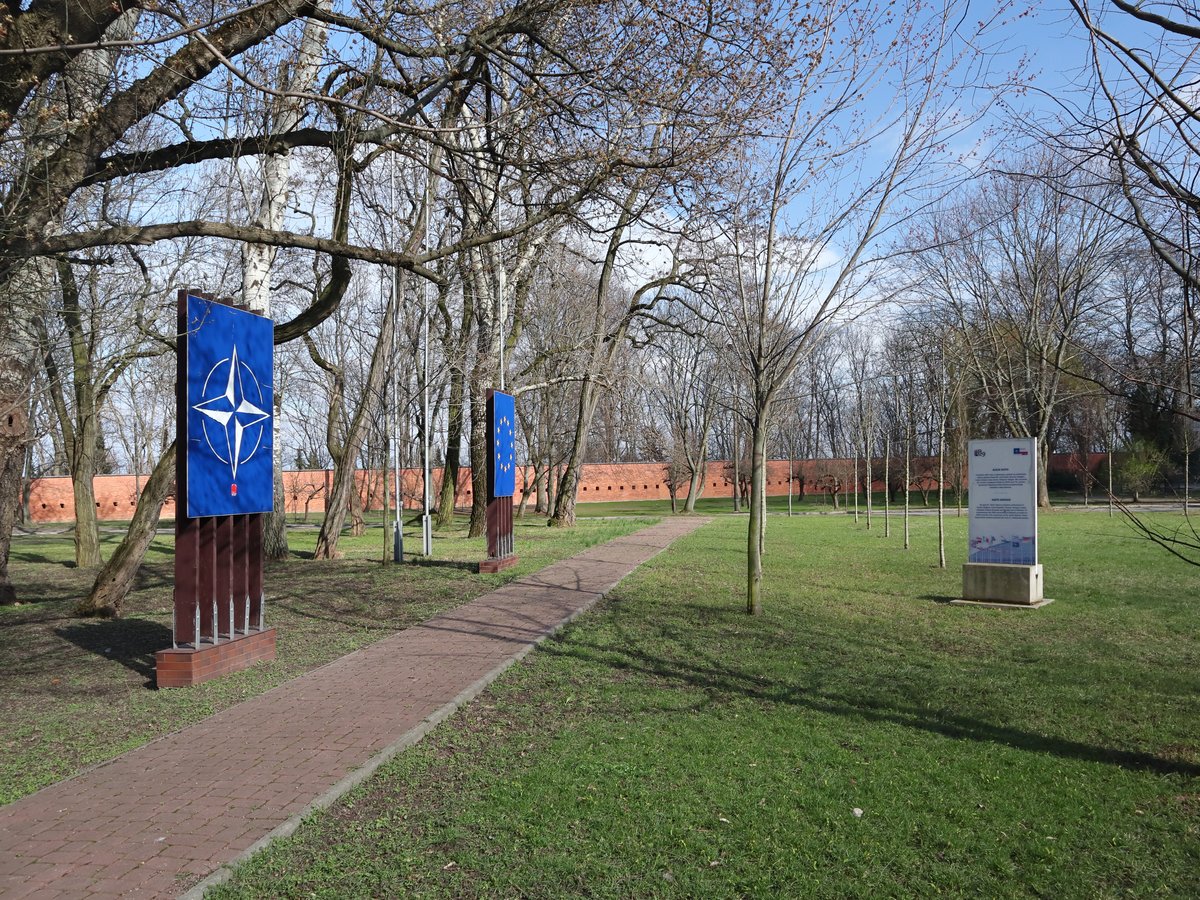
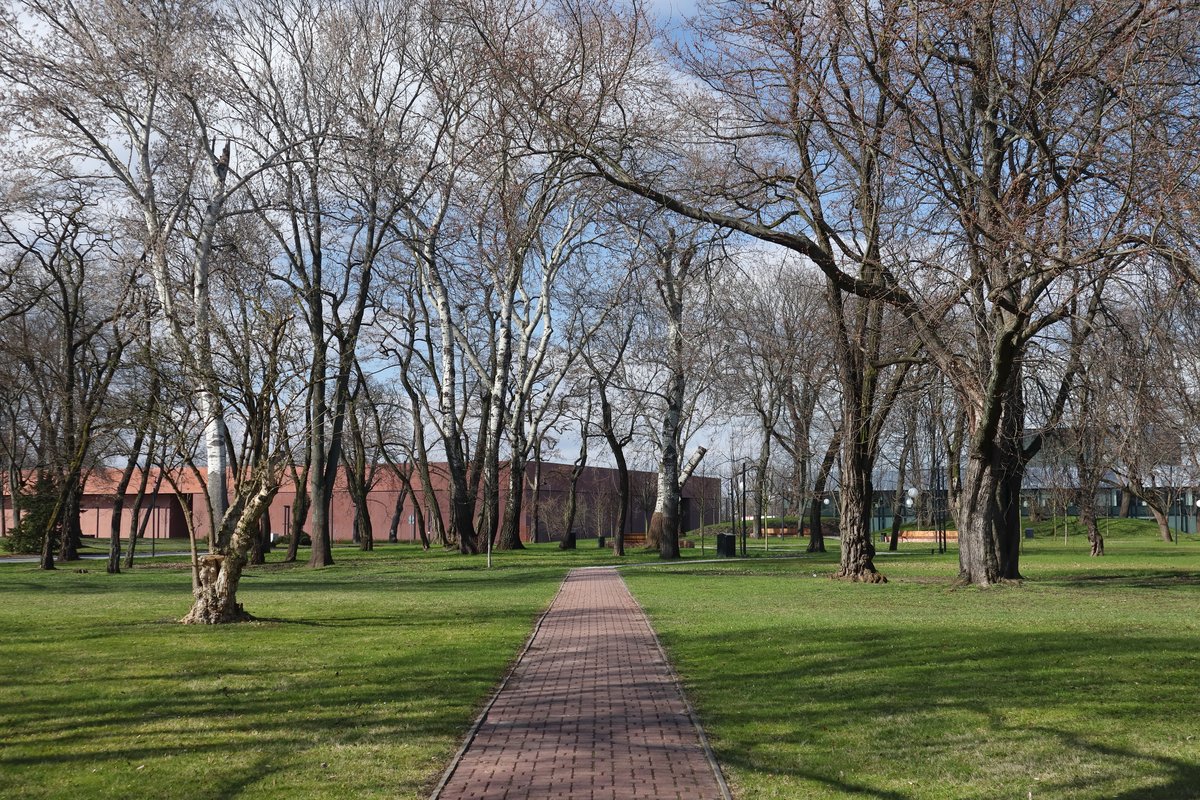
- Citadel Grounds: Enjoy panoramic views of the Vistula River and Warsaw skyline, tree-lined paths, and extensive green areas (TripJive).
Special Events and Educational Programs
The Citadel regularly hosts reenactments, open-air concerts, workshops, and commemorative ceremonies on Polish national holidays. Temporary exhibitions and cultural events enrich the visitor experience (archdaily.com).
Practical Tips
- Best Times to Visit: Weekdays, especially Thursday or Friday, for fewer crowds and free/discounted entry.
- Advance Tickets: Recommended during peak season or for special events.
- Photography: Allowed in most public areas; restrictions may apply to sensitive exhibits.
- Language: Most signage and staff are bilingual (Polish/English).
Nearby Attractions
- Żoliborz District: Known for modernist architecture, cafés, and green spaces.
- Old Town and Warsaw Uprising Museum: Easily accessible by public transport for a full day of historic exploration (Away to the City).
Frequently Asked Questions (FAQ)
Q: What are the Warsaw Citadel visiting hours?
A: The grounds are open daily from dawn to dusk. Main museums operate Wednesday–Sunday (usually from 10:00 AM), with specific closing hours and free days depending on the museum.
Q: How do I buy Warsaw Citadel tickets?
A: Tickets can be purchased onsite or online via official museum websites. Free entry is available on certain days.
Q: Are guided tours available?
A: Yes, guided tours and audio guides are offered. Advance booking is advised for groups.
Q: Is the Citadel accessible for people with disabilities?
A: Yes, most main areas are accessible, with ramps, elevators, and accessible restrooms.
Q: Are there family or group discounts?
A: Yes, family and group tickets are available, and children under 7 often enter free.
Listen to the full story in the app
The whole Warsaw Citadel,
told well.
Audio guides for 1,100+ cities across 96 countries. History, stories, and local insight — offline ready.
Verified, and shown.
Researched and written by the Audiala editorial team from historical records, architectural archives, and local expertise.
Researched from Wikidata, Wikipedia & official sources · fact-checked · How we make our guides →