Plan and listen to Umschlagplatz Monument with Audiala.
Audio guide in your pocket, itinerary in your browser. Built for the way you actually visit.
Introduction
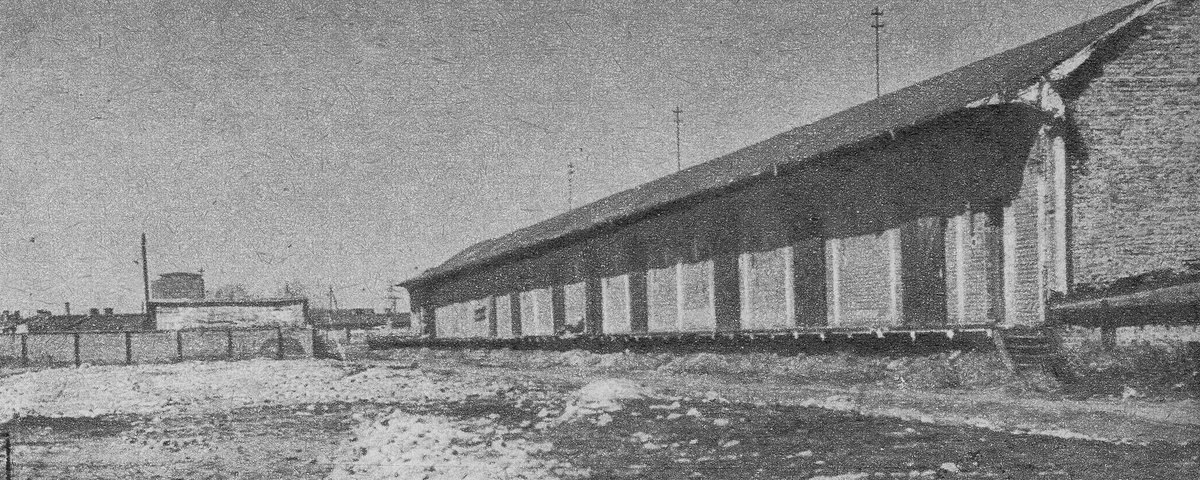
The Umschlagplatz Monument in Warsaw stands as a poignant reminder of the Holocaust's tragic impact. Located at the former railway freight yard, it marks the spot where over 300,000 Jews from the Warsaw Ghetto were deported to extermination camps like Treblinka during World War II. "Umschlagplatz," meaning "transfer point" in German, has become synonymous with suffering and deportation. This guide offers comprehensive information for visitors, including historical context, visiting hours, accessibility, nearby attractions, and practical tips for a meaningful experience.

Historical Context
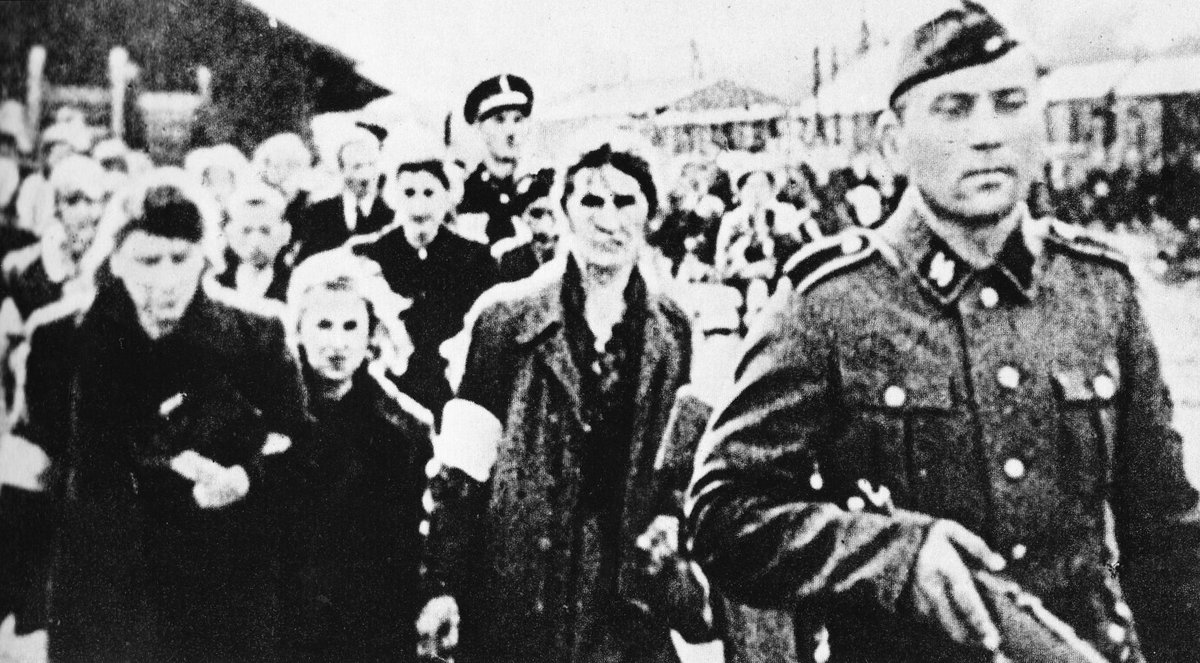
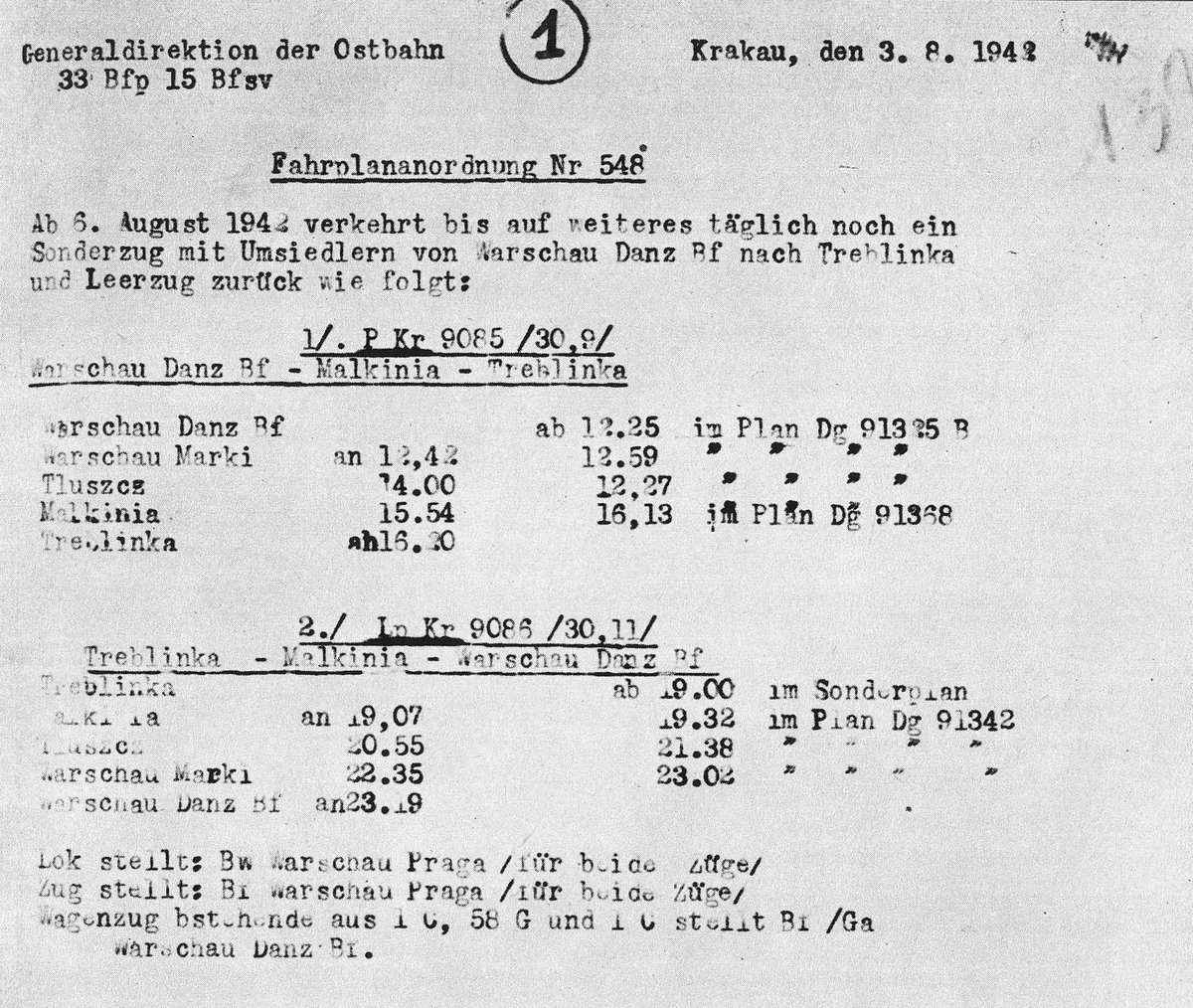
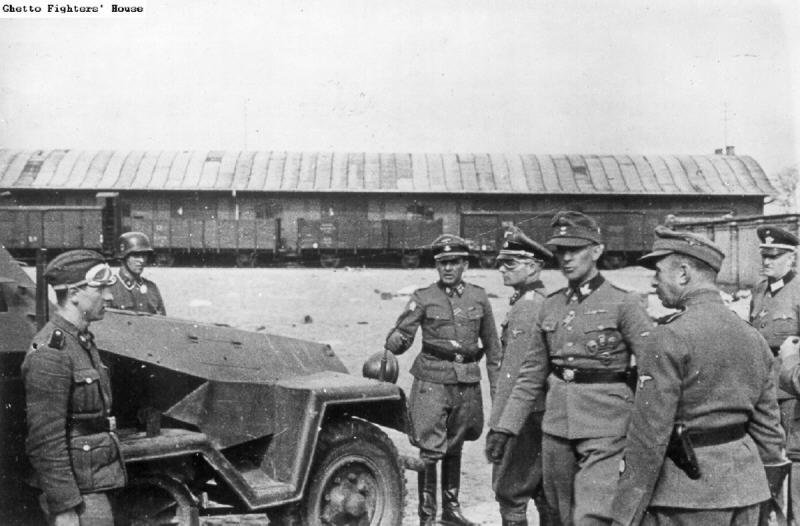
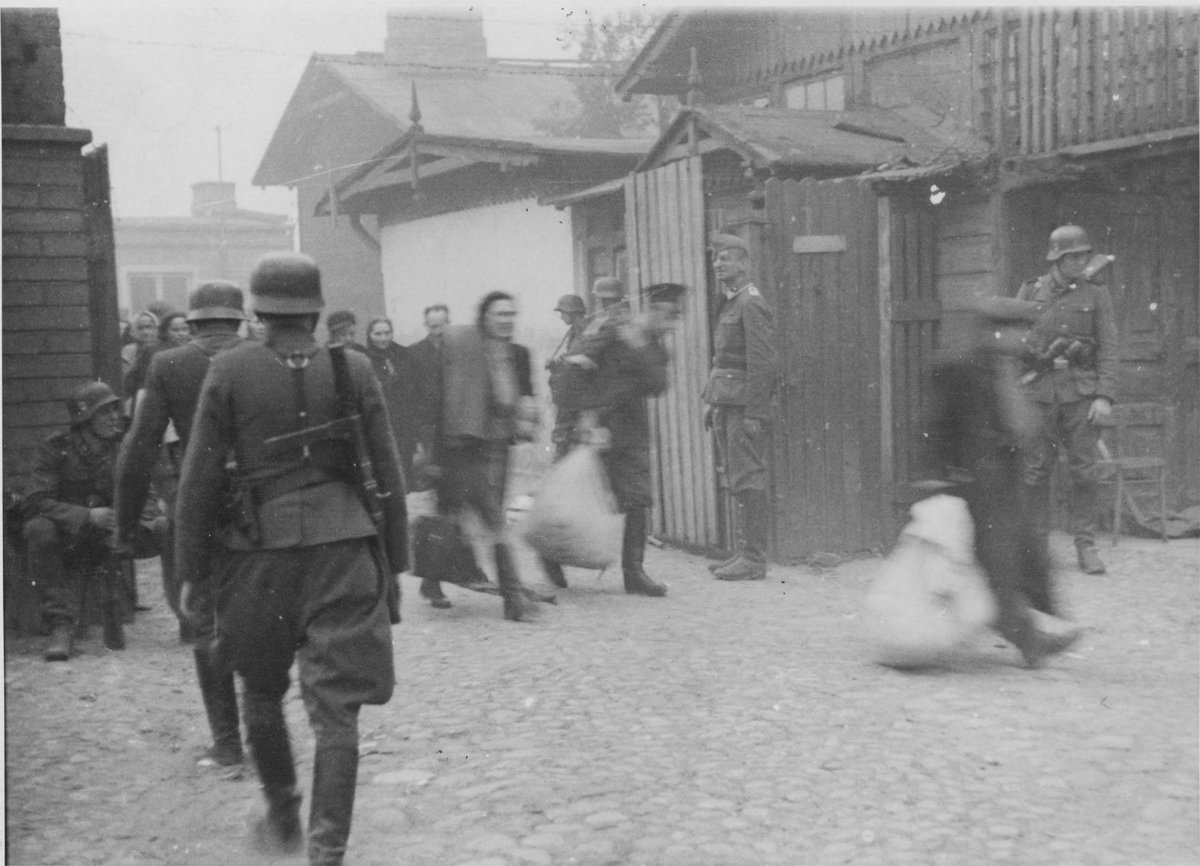
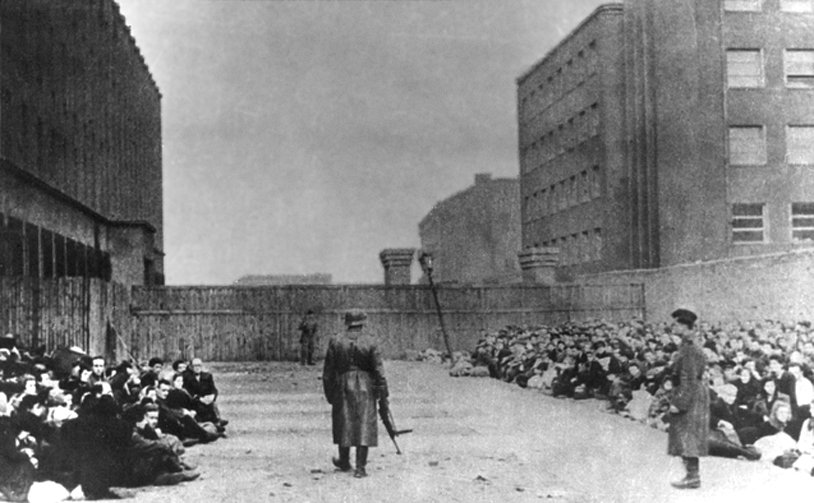
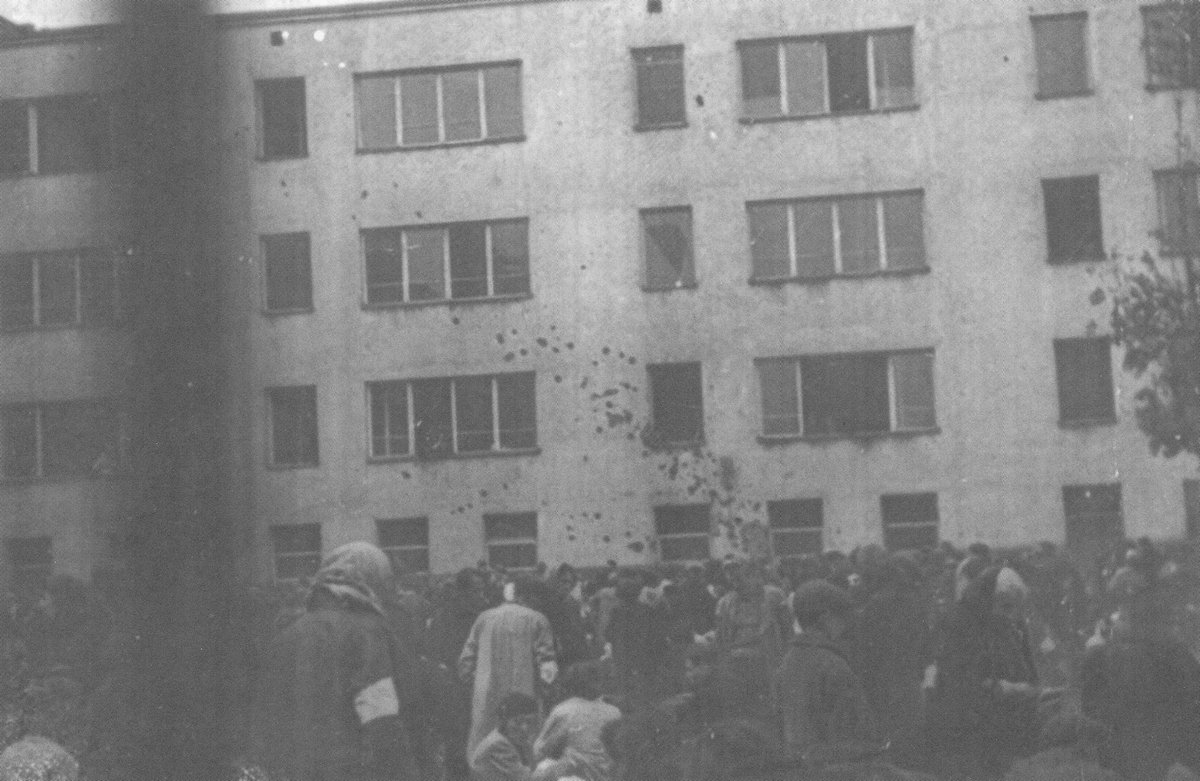
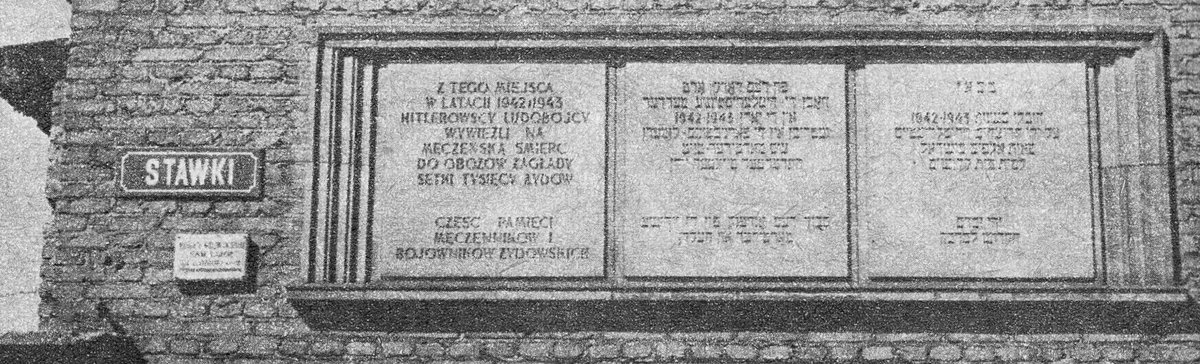
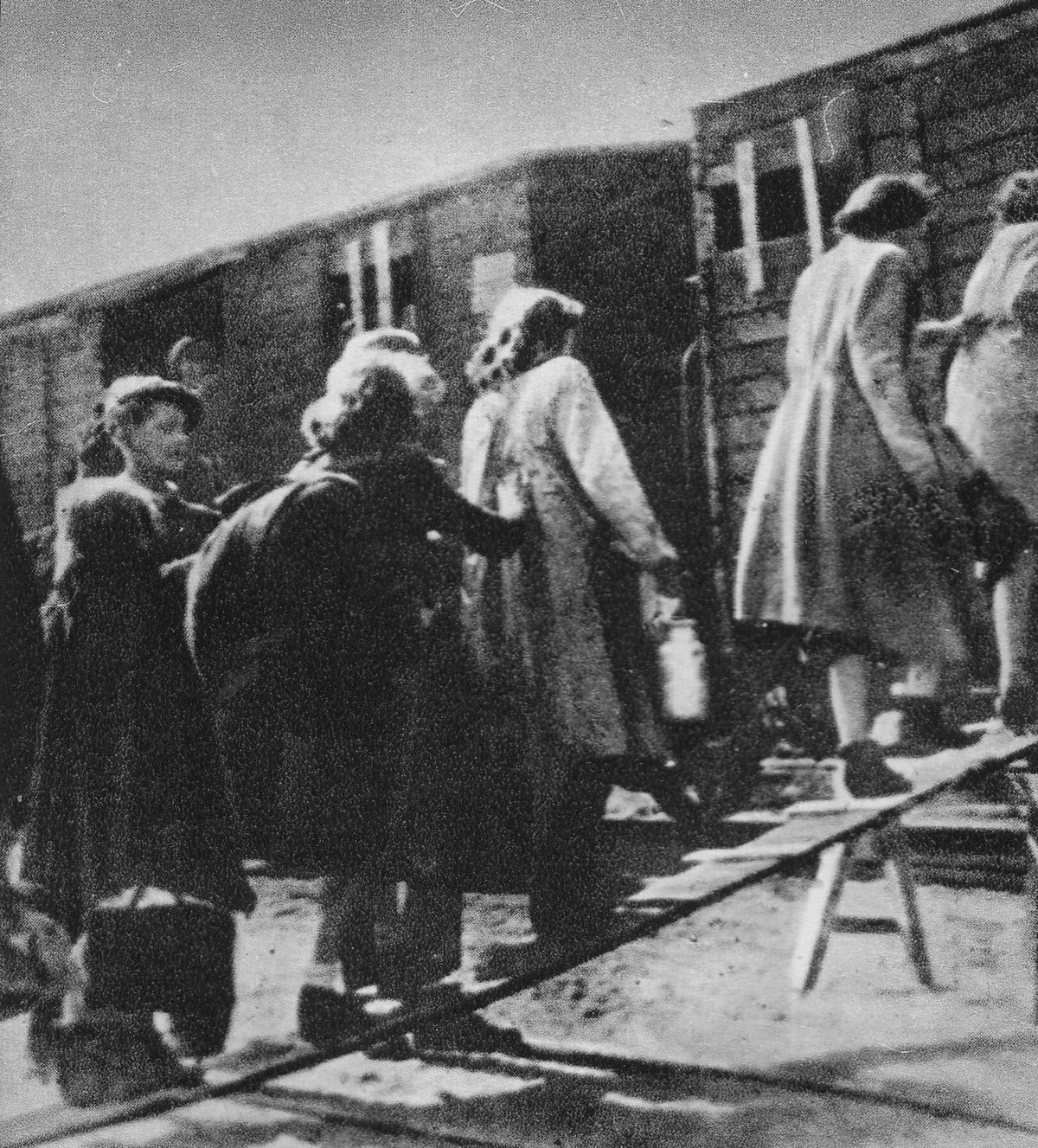
Between 1942 and 1943, the Umschlagplatz served as the central deportation point for Jews from the Warsaw Ghetto. Families were torn apart, forced onto trains, and sent to their deaths. The site's history is crucial for understanding the Holocaust's devastating impact on Warsaw and its Jewish community. (war-documentary.info)
Monument Design and Symbolism
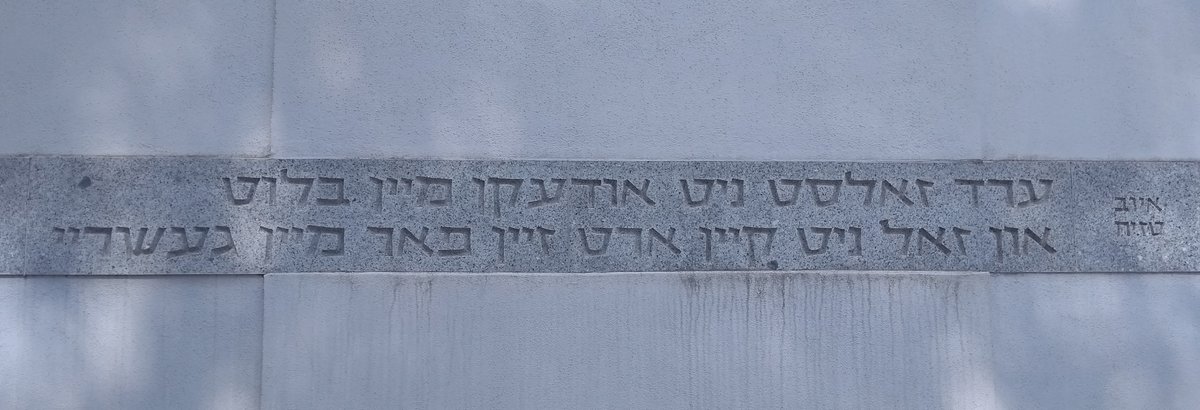
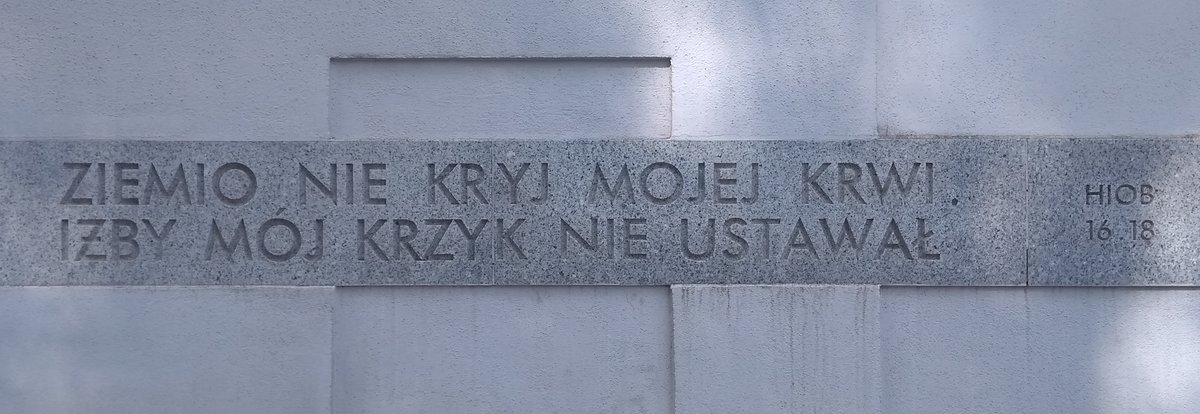
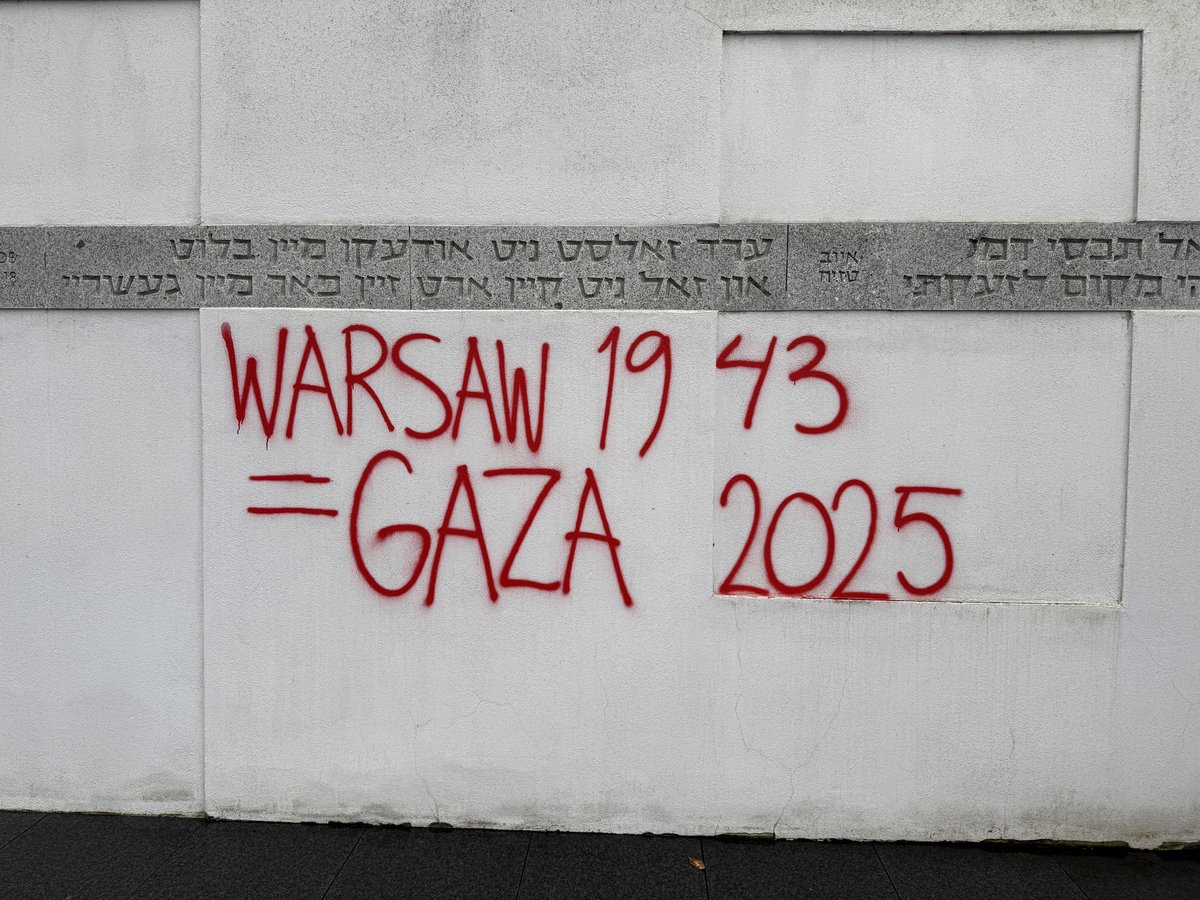
The monument's design evokes the suffering and resilience of the victims. A white stone wall, reminiscent of the Ghetto walls, encloses a rectangular space symbolizing an open railway car. A black horizontal stripe across the wall represents a Jewish prayer shawl (tallit), a symbol of mourning. Inside, 400 common first names are engraved, each representing approximately 1,000 victims. (ITS Poland) A shattered forest relief at the entrance symbolizes lives cut short, while a living tree visible through a smaller gate represents hope and continuity. (beentheredonethattrips.com)
Visiting Information
- Visiting Hours: The Umschlagplatz Monument is an open-air site accessible 24/7.
- Tickets: Admission is free.
- Accessibility: The site is wheelchair accessible with paved pathways.
Getting There and Nearby Attractions
The Umschlagplatz is easily accessible by public transport. Nearby attractions related to Warsaw's Jewish history and the Holocaust include:
- POLIN Museum of the History of Polish Jews: A comprehensive museum showcasing the 1,000-year history of Polish Jews. (museumstudiesabroad.org)
- Monument to the Ghetto Heroes: Commemorates the Warsaw Ghetto Uprising. (audiala.com)
- Fragments of the Warsaw Ghetto Wall: Remnants of the wall that enclosed the Ghetto.
- Mila 18: Site of the command bunker during the Warsaw Ghetto Uprising. (inyourpocket.com)
These sites, collectively part of the Memorial Route of Jewish Martyrdom and Struggle, offer a deeper understanding of this historical period. (GPSmyCity)
Guided Tours
Guided tours focusing on the Warsaw Ghetto and Holocaust history are available through local organizations and the POLIN Museum. These tours provide valuable context and insights from expert guides.
Tips for a Meaningful Visit
- Dress respectfully: Choose modest attire.
- Allow ample time: Plan sufficient time to reflect and explore the site and nearby memorials.
- Photography: Photography is permitted but should be done respectfully. Consider the solemnity of the location.
- Learn some basic Polish, Yiddish, or Hebrew: While many inscriptions are in English, knowing a few key phrases can enhance your understanding. (museumstudiesabroad.org)
- Check for special events: Commemorative ceremonies and events are held throughout the year. (audiala.com)
Listen to the full story in the app
The whole Umschlagplatz Monument,
told well.
Audio guides for 1,100+ cities across 96 countries. History, stories, and local insight — offline ready.
Verified, and shown.
Researched and written by the Audiala editorial team from historical records, architectural archives, and local expertise.
Researched from Wikidata, Wikipedia & official sources · fact-checked · How we make our guides →