Plan and listen to Umschlagplatz In Warsaw Ghetto with Audiala.
Audio guide in your pocket, itinerary in your browser. Built for the way you actually visit.
Introduction
The Umschlagplatz Memorial in Warsaw stands as a somber witness to the horrors of the Holocaust and the tragic fate of Warsaw's Jewish population during World War II. Located at the intersection of Stawki and Karmelicka Streets in the Muranów district, it is a central site for remembrance, education, and reflection, drawing visitors from around the world. This comprehensive guide provides essential information on the Umschlagplatz's history, visiting hours, admission policies, accessibility, guided tours, nearby attractions, and practical travel tips. Whether you are visiting independently or as part of a guided tour, this resource will help you engage with the site respectfully and meaningfully.
For further historical background and official visitor details, see Wikipedia, History Hit, and the Warsaw Tourism Official Site.

History and Significance
Origins and Wartime Function
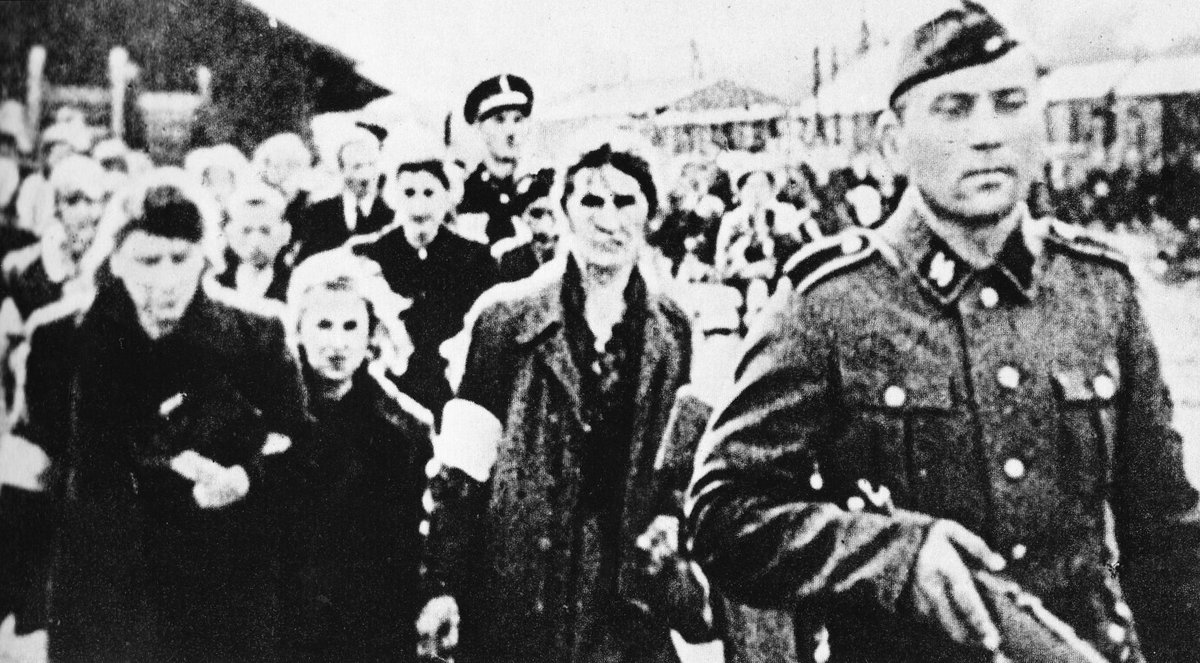
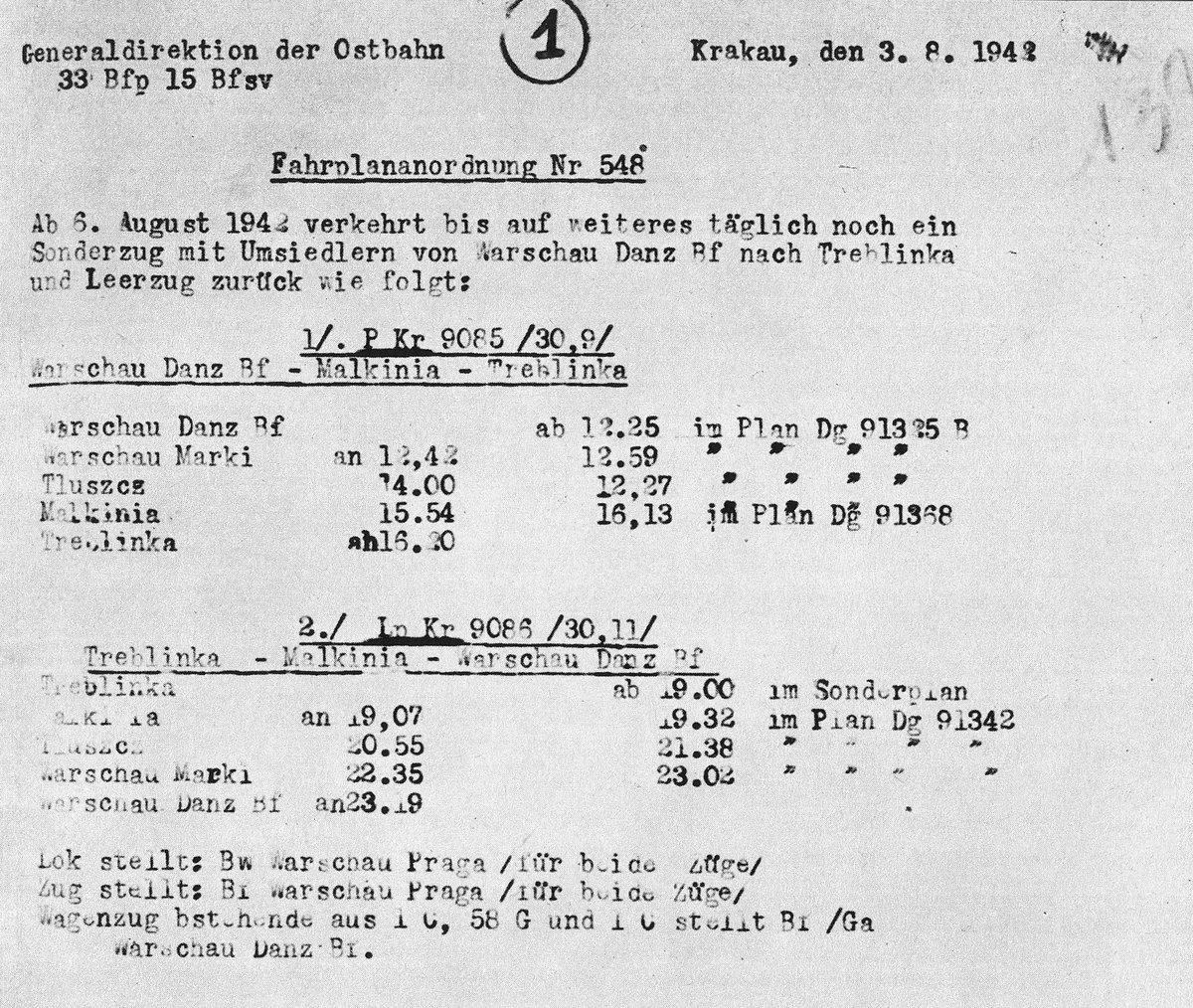
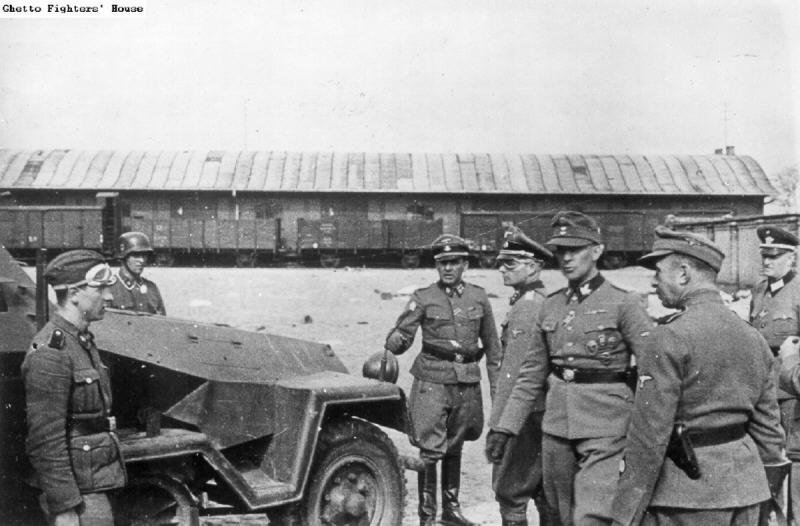
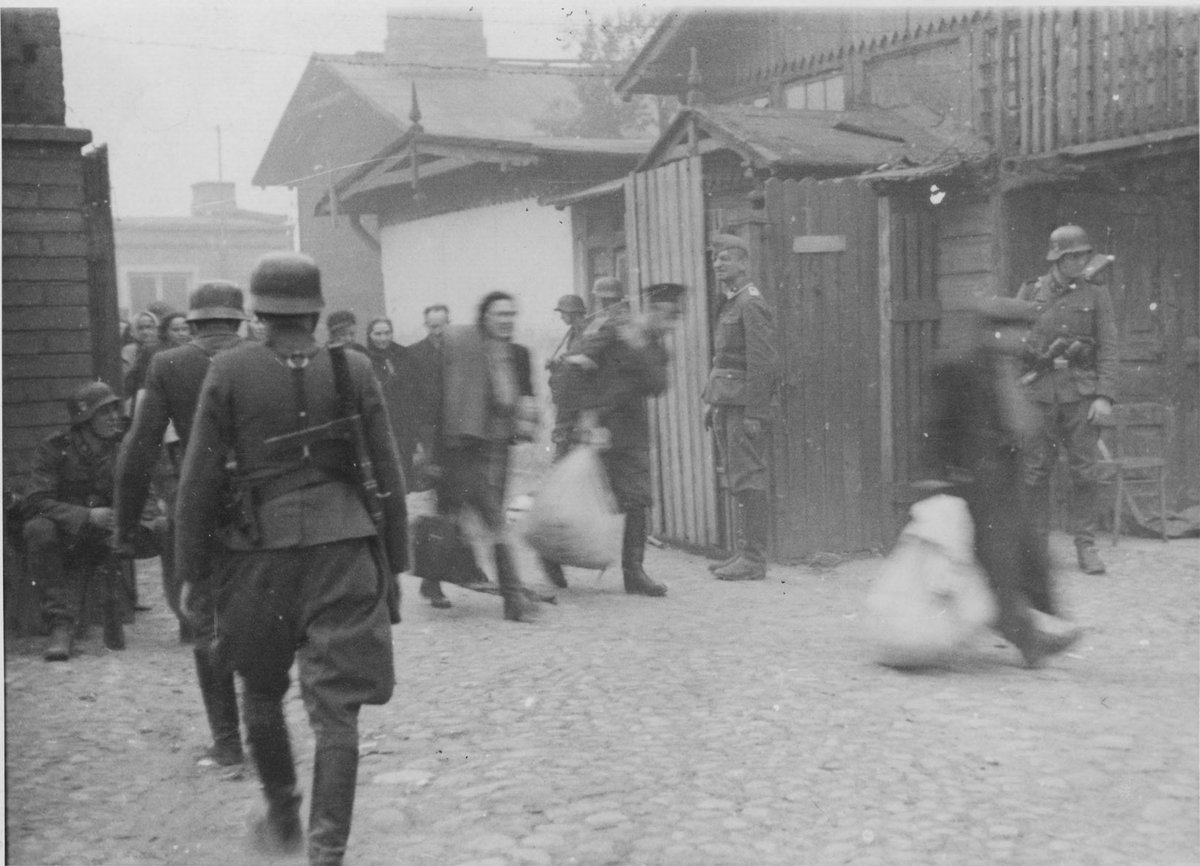
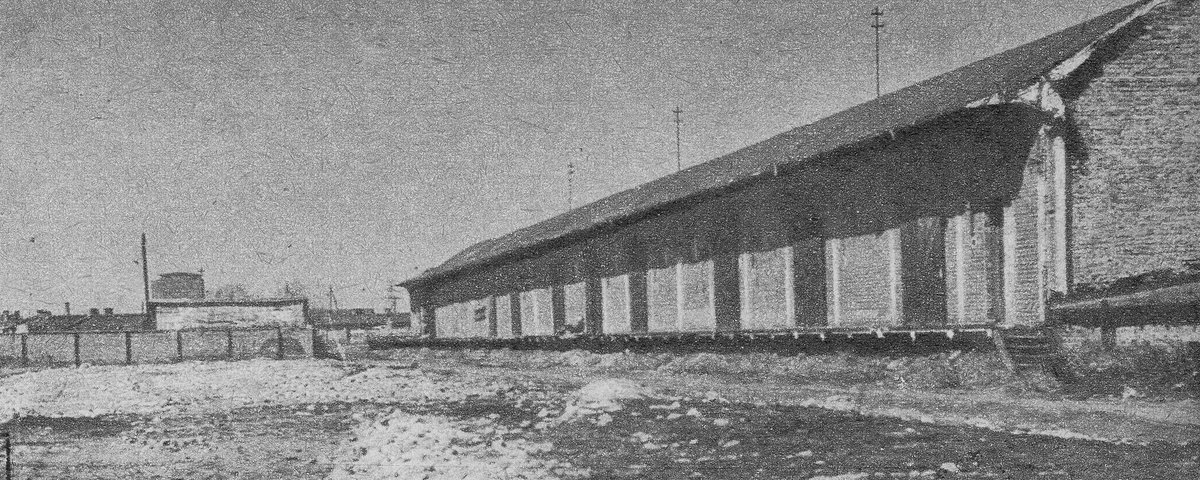
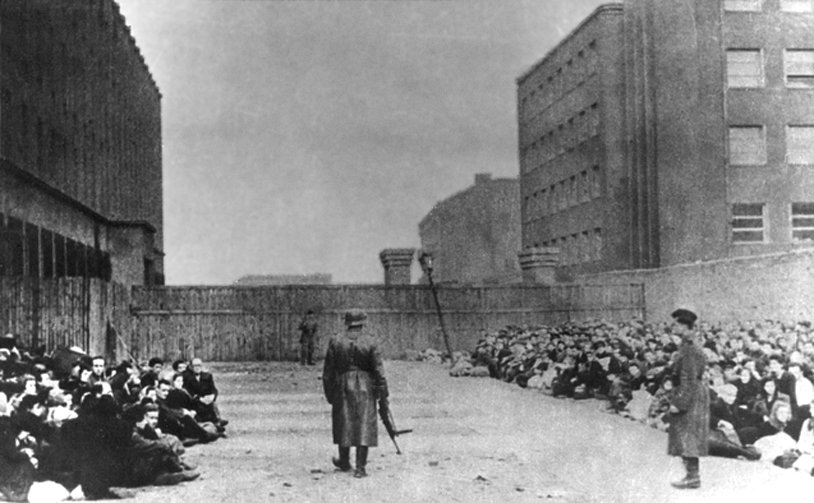
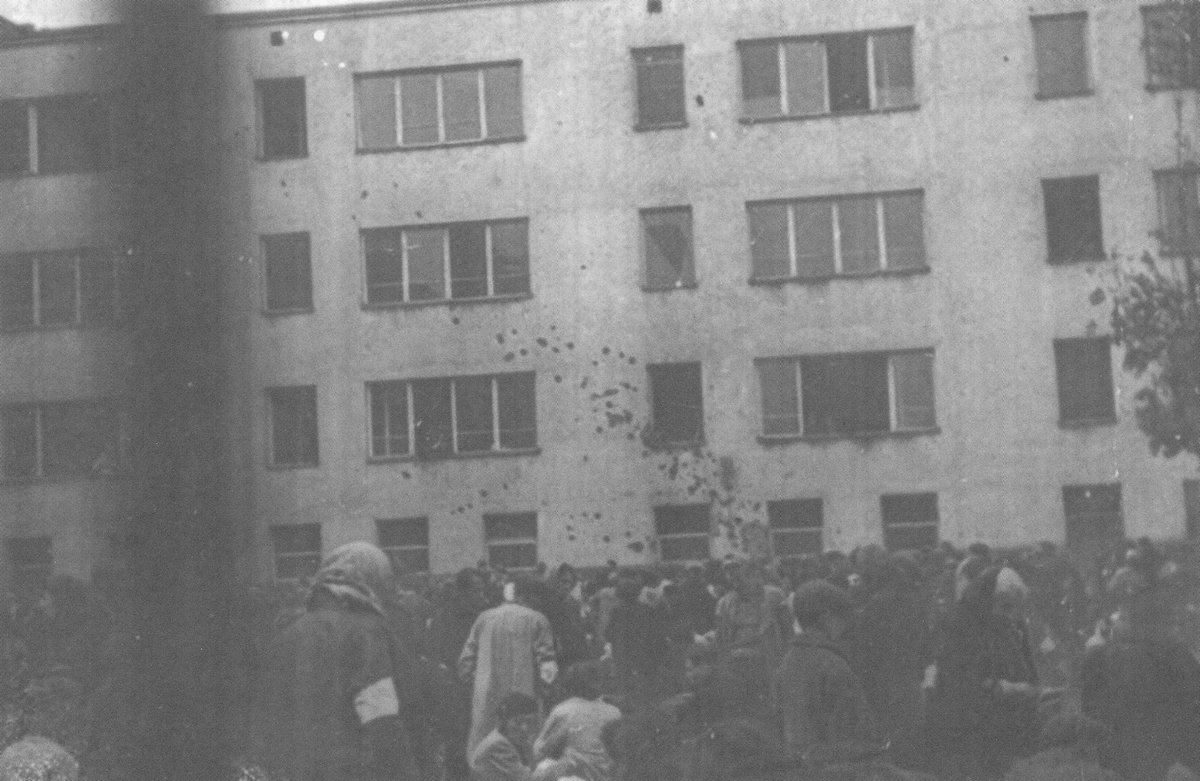
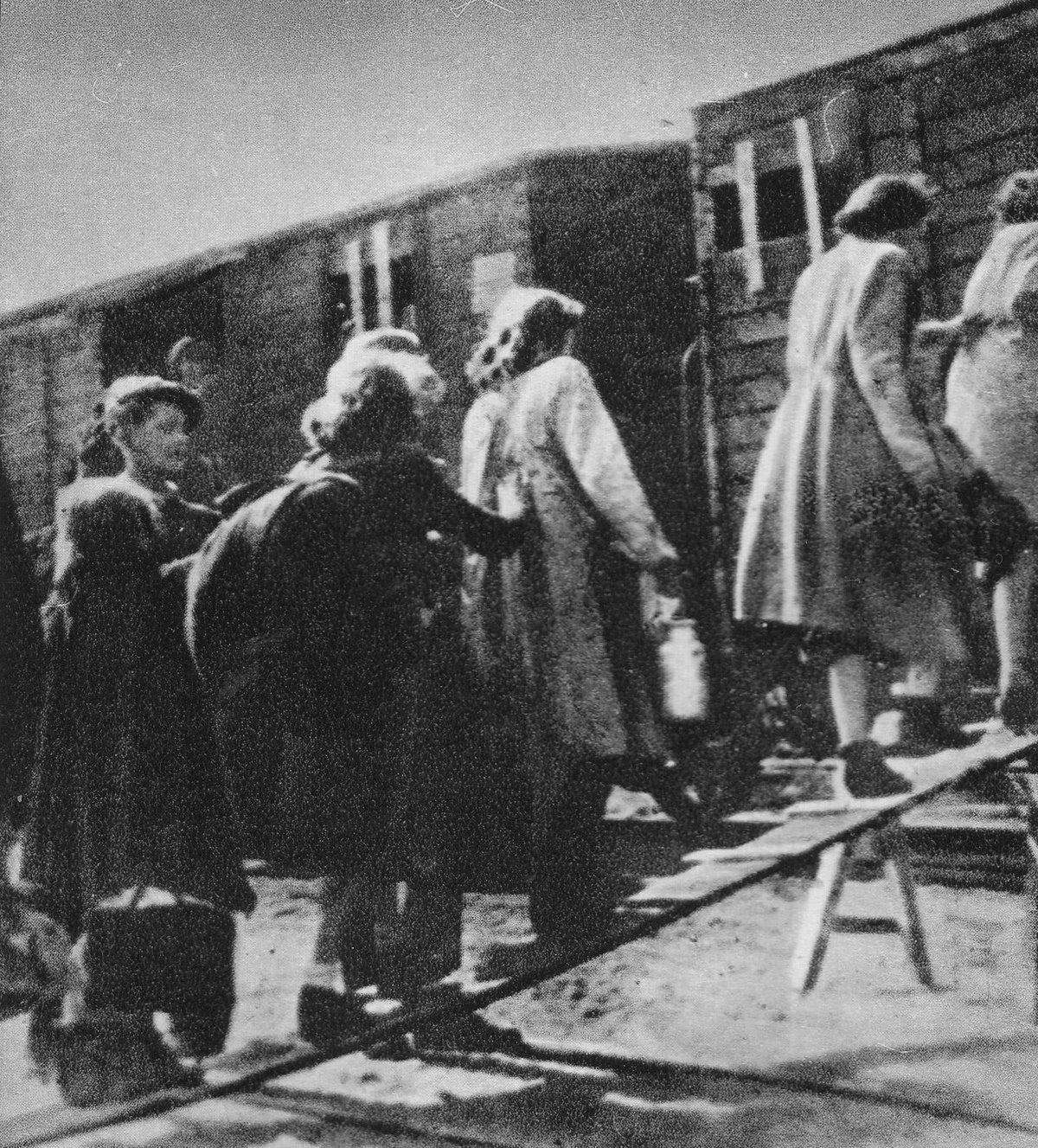
Originally constructed as a freight yard in 1876, the Umschlagplatz was repurposed during the Nazi occupation as the main assembly and deportation point for Jews from the Warsaw Ghetto, primarily to Treblinka extermination camp (Wikipedia). Between July 1942 and September 1942, and again in 1943, approximately 300,000 Jews were forcibly gathered here before deportation. The chilling term “Umschlagplatz,” meaning “collection point” or “reloading point” in German, was used by the Nazis to mask the systematic deportations.
Symbolism and Memorialization
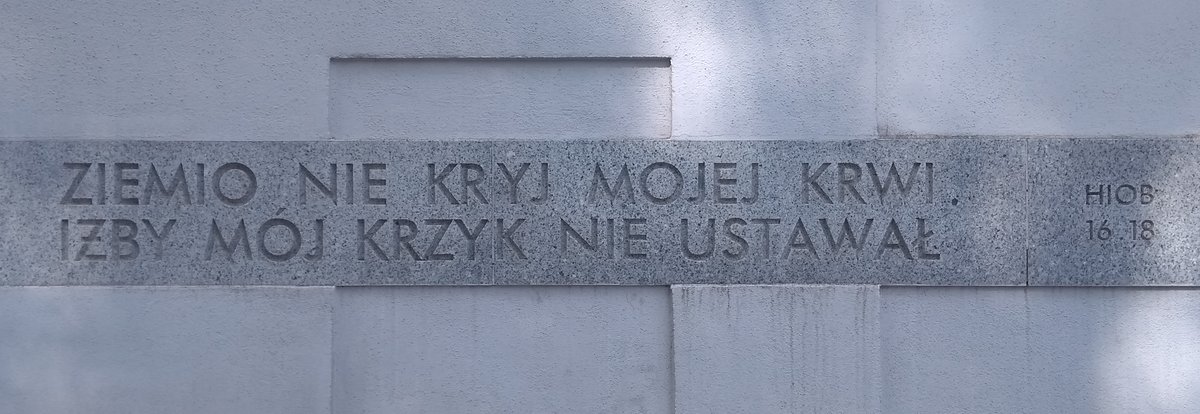
The Umschlagplatz today is a powerful Holocaust memorial. Its minimalist design—white marble walls inscribed with over 400 common Jewish surnames from the Warsaw Ghetto and a black granite gate—symbolizes both the anonymity and the scale of the tragedy. The memorial serves as both a site of mourning and a center for Holocaust education, hosting commemorative events, especially on Holocaust Remembrance Day (History Hit).
Visiting the Umschlagplatz
Hours and Admission
- Open-Air Memorial: The Umschlagplatz is accessible 24 hours a day, year-round. There are no gates or restricted visiting hours (trek.zone).
- Admission: Entry is free. There are no tickets required for individual or group visits.
Accessibility
- Wheelchair Friendly: The memorial is fully accessible, with paved and level pathways suitable for wheelchairs and strollers.
- Public Transport: Multiple tram and bus lines stop nearby. The closest metro station is Dworzec Gdański, about a 10–15 minute walk from the site (trek.zone).
- Car: Limited street parking is available, but public transport is recommended due to the central location.
Getting There
- Address: Intersection of ul. Stawki and ul. Dzika, Muranów district, Warsaw.
- Directions: Well-signposted in the city, and the white marble structure is easily visible.
Travel Tips
- Best Times to Visit: Early mornings and weekdays are quieter. Annual events, such as the March of Remembrance in July, provide especially poignant experiences (audiala.com).
- What to Bring: Comfortable shoes, weather-appropriate clothing, water, and a respectful attitude. There are no restrooms or visitor facilities on-site.
- Photography: Permitted, but please be discreet and respectful.
- Conduct: Maintain quiet and reverence; avoid eating, loud conversations, or inappropriate behavior at the memorial.
Guided Tours and Educational Opportunities
- Guided Walking Tours: Many tour operators include the Umschlagplatz in Holocaust and WWII history tours, often led by experts or descendants of survivors (polandatwartours.com).
- Tour Content: Tours cover the history of the Warsaw Ghetto, mass deportations, the 1943 Warsaw Ghetto Uprising, and the memorial’s significance. Private tours can be booked, and many offer extensions to the POLIN Museum or other related sites.
- Languages: Tours are widely available in English, Polish, and other languages.
Nearby Attractions
Combine your visit to the Umschlagplatz with these key Warsaw historical sites:
- POLIN Museum of the History of Polish Jews: World-class exhibitions on Jewish heritage in Poland (POLIN Museum).
- Monument to the Ghetto Heroes: Commemorates the 1943 Ghetto Uprising; an 8-minute walk away.
- Pawiak Prison Museum: Details the history of the Nazi-era prison.
- Warsaw Ghetto Wall Fragments: Preserved sections of the original wall.
- Warsaw Ghetto Footbridge Monument (Kładka Pamięci): Symbolizes the link between the large and small ghettos (audiala.com).
Tip: Use an interactive map or mobile app like Audiala for self-guided tours.
On-Site Experience and Conduct
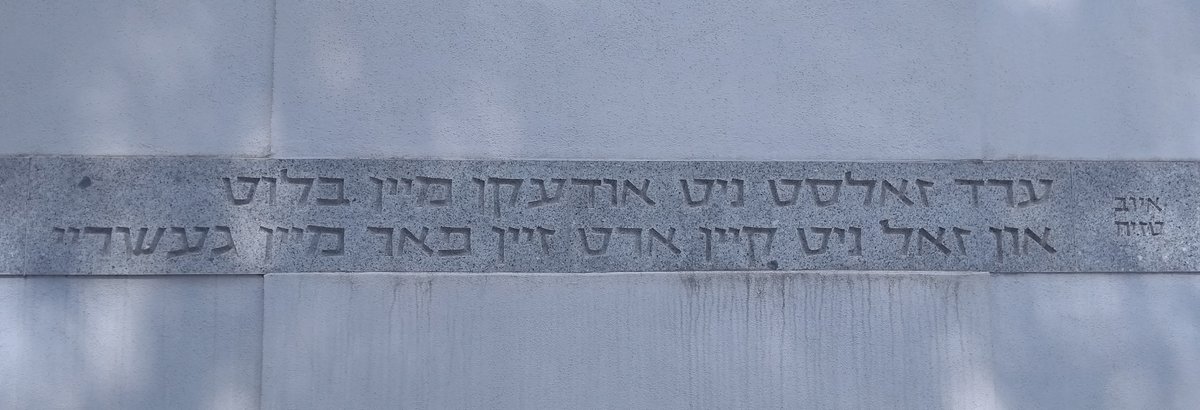
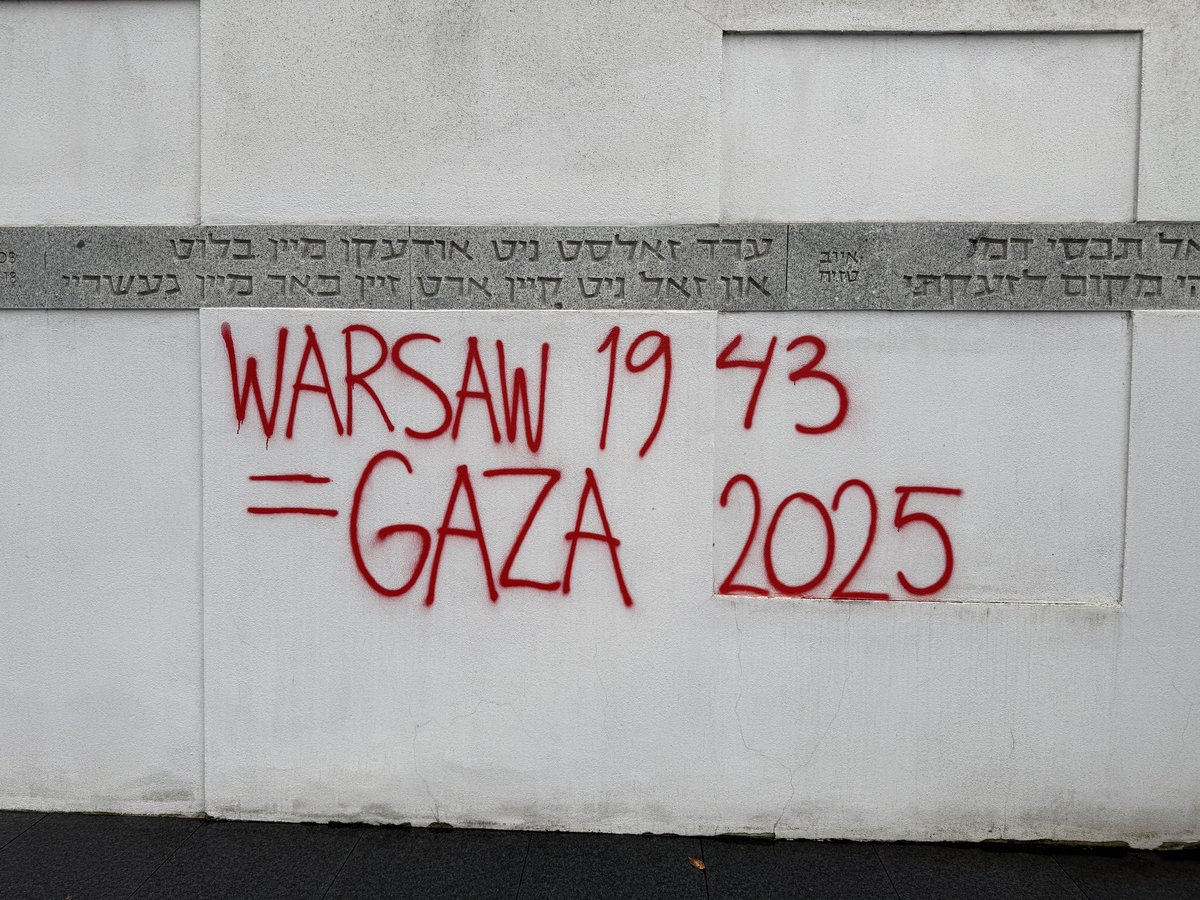
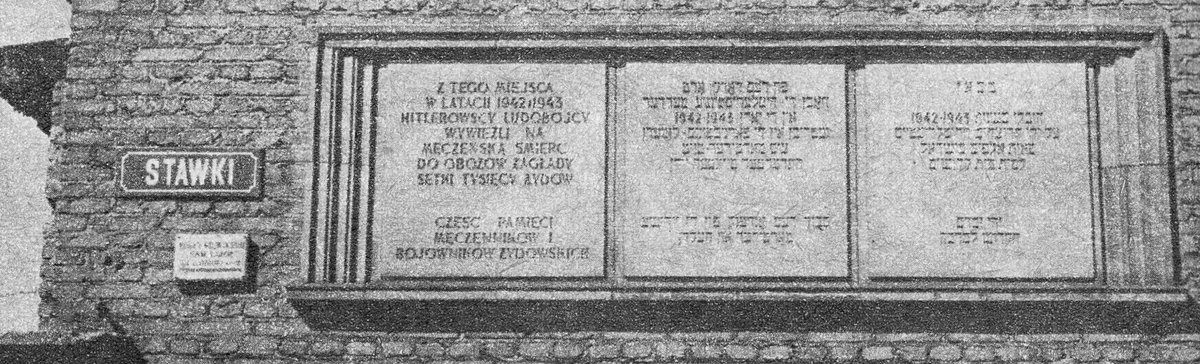
- Memorial Features: The site’s white marble walls are inscribed with Jewish surnames, and a trilingual plaque (Polish, Yiddish, Hebrew) honors the victims (trek.zone).
- Traditions: Visitors often leave stones or flowers on the monument, following Jewish custom.
- Facilities: There are no restrooms, cafés, or a visitor center at the memorial.
Frequently Asked Questions (FAQ)
Q: What are the Umschlagplatz visiting hours?
A: The site is open 24/7, all year round.
(trek.zone)
Q: Is there an entrance fee or do I need a ticket?
A: No, the Umschlagplatz is free and open to the public.
(Warsaw Tourism Official)
Q: Are guided tours available?
A: Yes, multiple operators provide tours in various languages.
(polandatwartours.com)
Q: Is the site accessible for wheelchair users?
A: The memorial is accessible and suitable for visitors with mobility challenges.
Q: Can I take photos at Umschlagplatz?
A: Yes, but please be discreet and respectful.
Discover More
Visiting the Umschlagplatz Memorial is a powerful way to connect with Warsaw’s Jewish history and honor the memory of Holocaust victims. The site’s open access, central location, and proximity to other important landmarks make it a must-see for anyone interested in World War II history. Enhance your visit with expert-led tours or self-guided resources like the Audiala app, and combine your trip with nearby monuments and museums for a comprehensive educational experience.
Plan your visit to the Umschlagplatz Memorial today. Download the Audiala app for interactive guides, book expert-led tours, and follow us on social media for the latest updates and historical insights.
Listen to the full story in the app
The whole Umschlagplatz In Warsaw Ghetto,
told well.
Audio guides for 1,100+ cities across 96 countries. History, stories, and local insight — offline ready.
Verified, and shown.
Researched and written by the Audiala editorial team from historical records, architectural archives, and local expertise.
Researched from Wikidata, Wikipedia & official sources · fact-checked · How we make our guides →