Plan and listen to Temple Of Divine Providence with Audiala.
Audio guide in your pocket, itinerary in your browser. Built for the way you actually visit.
Introduction
The Temple of Divine Providence (Polish: Świątynia Opatrzności Bożej) in Warsaw stands as a powerful testament to Poland’s historical journey, Catholic faith, and architectural ambition. Realized after more than two centuries of national aspiration, this monumental sanctuary in the Wilanów district is both a place of worship and a modern symbol of Poland’s resilience. Its striking design, commemorative spaces, and cultural offerings make it essential for anyone exploring Warsaw’s historical sites.
This comprehensive guide details the Temple’s history, cultural significance, visiting hours, ticketing, accessibility, nearby attractions, and practical travel tips to ensure you make the most of your visit. For the latest updates and enriched experiences, resources such as the Audiala app provide convenient access to guided tours and event information. (everything.explained.today, ITS Poland, Lonely Planet)



Historical Background and Significance
Origins and National Symbolism
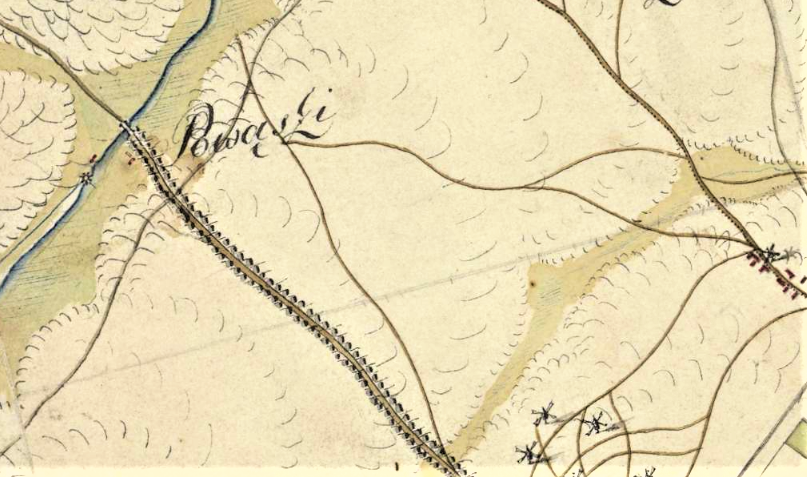
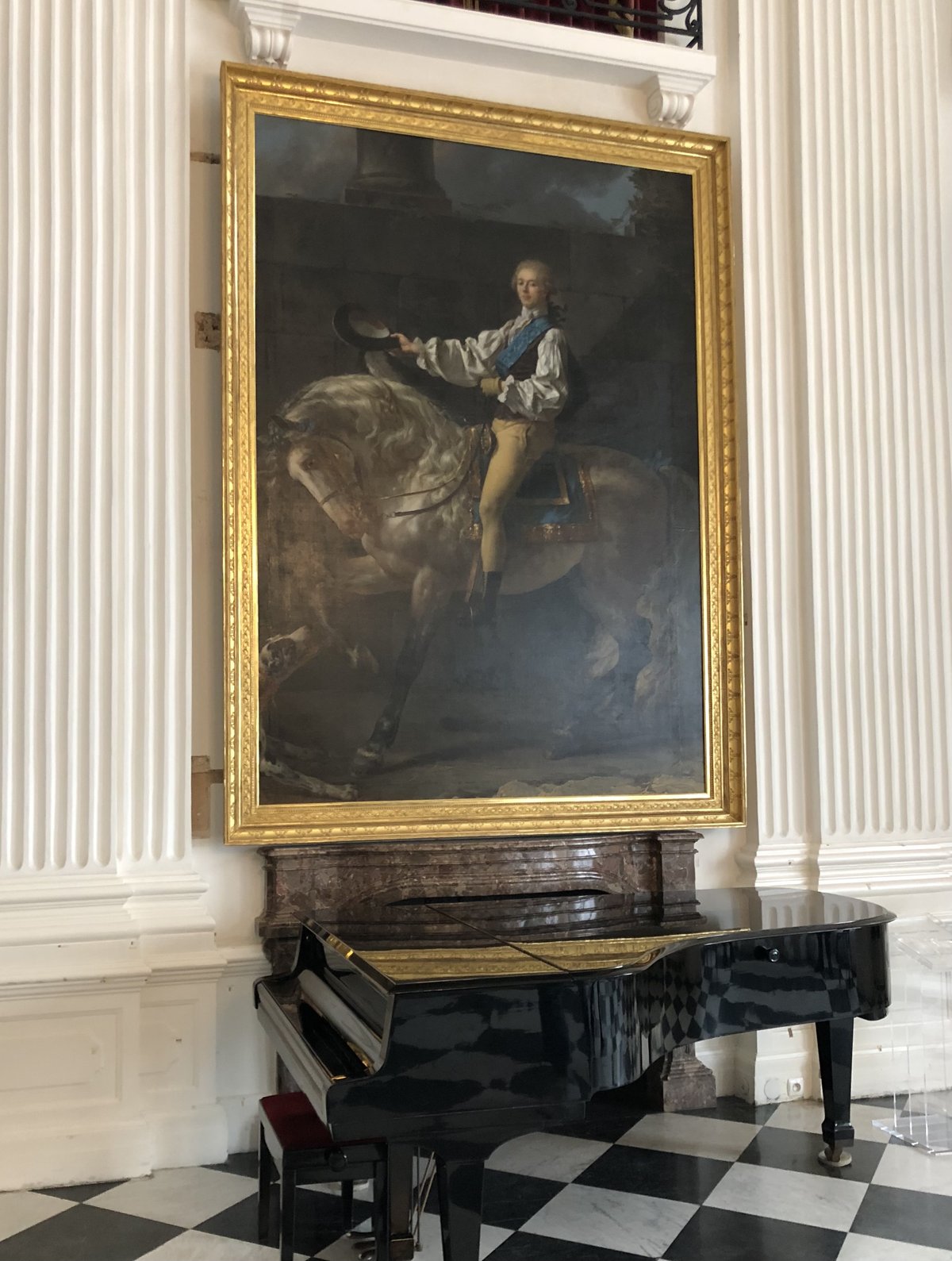
The idea for the Temple of Divine Providence originated in 1791, when King Stanisław August Poniatowski and the Sejm pledged to commemorate the adoption of the May 3 Constitution—the first modern European constitution—with a church dedicated to divine providence. The cornerstone was laid in Warsaw’s Ujazdów district, but construction was disrupted by the partitions of Poland and the subsequent loss of independence. This delay embedded the Temple as a symbol of Poland's centuries-long struggle for sovereignty and its enduring Catholic identity. (everything.explained.today)
The Temple now stands as a memorial to pivotal national moments, such as the rebirth of Polish independence in 1918, the "Miracle at the Vistula" in 1920, the Solidarity movement, the restoration of independence in 1989, and the influences of leaders like Cardinal Stefan Wyszyński and Pope John Paul II.
Interrupted Construction and Realization
Efforts to revive the project in the interwar period faltered due to political and financial challenges, and communist rule in the 20th century further inhibited progress. With the fall of communism, construction was revived in the Wilanów district, culminating in the Temple’s consecration in 2016, more than two centuries after its original conception. (everything.explained.today)
Visiting the Temple of Divine Providence
Visiting Hours
- General Hours: Daily, 9:00 AM – 6:00 PM (may be extended during major religious celebrations and special events)
- Museum Hours: Typically 10:00 AM – 6:00 PM
Note: Hours may vary during religious holidays or special events. Always consult the official website for current information.
Tickets and Admission
- Main Church: Free admission for all visitors
- Pantheon of Great Poles & Museum: Modest ticket required; discounts available for students, seniors, and groups
Tickets can be purchased on-site or online. Booking in advance is recommended during peak seasons.
Guided Tours
- Languages: Polish, English, and other languages on request
- Booking: Recommended in advance, especially for groups
Guided tours provide valuable context on the Temple’s history, architecture, and symbolism.
Accessibility
The Temple is fully accessible, offering barrier-free entryways, ramps, elevators, and accessible restrooms. Assistance is available upon request.
Main Attractions Within the Temple Complex
The Pantheon of Great Poles
Located beneath the main sanctuary, the Pantheon serves as a national mausoleum, commemorating distinguished Poles—including notable presidents in exile and religious leaders. This solemn space reinforces the Temple’s role in celebrating Polish achievement and sacrifice.
Museum of John Paul II and Cardinal Wyszyński
This modern, multimedia museum chronicles the lives of two of Poland’s most influential Catholic figures. Exhibits include personal artifacts, interactive displays, and multimedia presentations that highlight their impact on Poland’s spiritual and national life.
Architectural and Cultural Significance
The Temple’s modernist design features a massive cube supporting a ribbed dome, symbolizing the universality and eternity of divine providence. The cube represents stability, while the dome signifies heaven and spiritual ascent. Vertical concrete ribs on the façade evoke the "caring arms of Providence," visually embracing all visitors. (Lonely Planet, Pontecorboli PDF, p. 63)
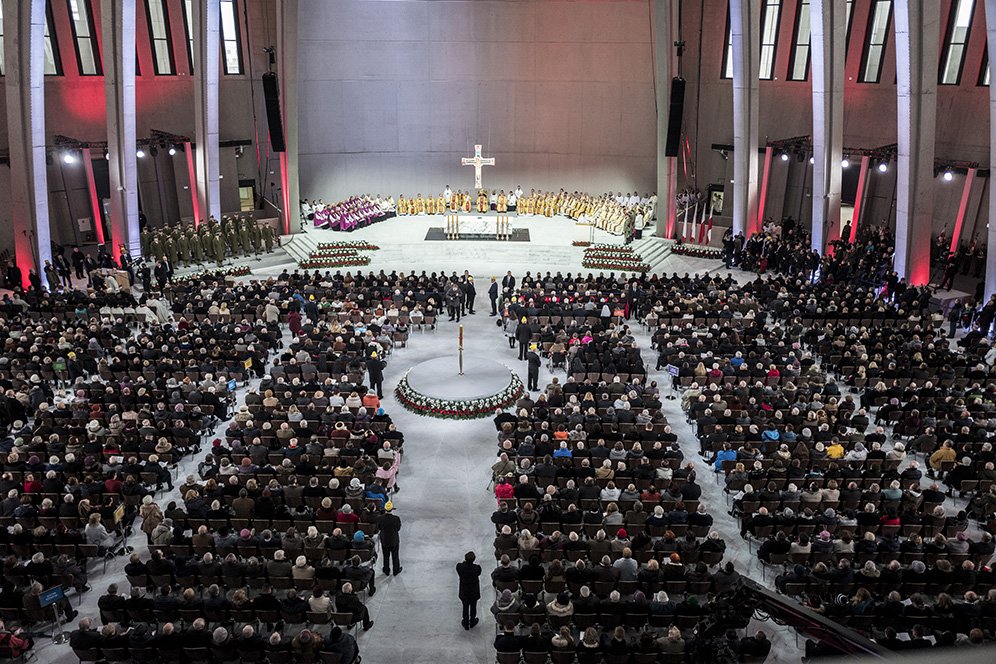
Inside, a skylight at the dome’s apex bathes the circular nave in natural light, creating a serene atmosphere. The minimalist design underscores the monumental scale and spiritual focus. The use of reinforced concrete and glass showcases contemporary engineering, while ongoing work on stained-glass windows promises to further enrich the space. (BBC)
National Celebrations and Community Role
The Temple is the focal point for Poland’s annual National Thanksgiving Day, established by Cardinal Kazimierz Nycz. Celebrated on the first Sunday of June, this event draws thousands of faithful and is broadcast nationwide, reinforcing the Temple’s significance as a spiritual heart for the nation. The Temple also hosts regular Mass, religious ceremonies, concerts, and cultural events, fostering community engagement and interfaith dialogue. (ITS Poland)
Location, Travel Tips, and Nearby Attractions
Location and Access
- Address: 1 Księdza Prymasa Augusta Hlonda Street, Wilanów, Warsaw
- Public Transport: Easily accessible by city buses (stop: Świątynia Opatrzności Bożej); nearest metro: Wilanowska (M1), with bus transfer (Trek Zone)
- Car: Ample parking available on-site and nearby, but may be limited during major events
- Walking/Cycling: Pedestrian and cycling paths connect the Temple to Wilanów Palace and surrounding areas
Nearby Attractions
- Wilanów Palace: A baroque royal residence and major historical site, just a short walk away
- Poster Museum: Located within the Wilanów Palace complex
- Natolin Park: Historic park and nature reserve
- Beit Warszawa Synagogue: Liberal Jewish synagogue nearby
Visitor Tips
- Dress Code: Modest attire and respectful behavior are appreciated
- Photography: Allowed in most areas, but restrictions may apply during services
- Best Visiting Times: Weekdays for fewer crowds; religious holidays for vibrant cultural experiences
- Facilities: Visitor center, restrooms, gift shop, on-site café
Frequently Asked Questions (FAQ)
Q: What are the Temple of Divine Providence visiting hours?
A: The Temple is generally open daily from 9:00 AM to 6:00 PM; the museum operates 10:00 AM to 6:00 PM. Check the official website for updates.
Q: Is there an entrance fee?
A: Entry to the main church is free; museum and Pantheon require a modest ticket.
Q: Are guided tours available?
A: Yes, in multiple languages. Advance booking is recommended.
Q: Is the Temple accessible for people with disabilities?
A: Yes, the complex is fully accessible.
Q: Can I take photographs inside?
A: Yes, except during services or in designated sacred spaces.
Listen to the full story in the app
The whole Temple Of Divine Providence,
told well.
Audio guides for 1,100+ cities across 96 countries. History, stories, and local insight — offline ready.
Verified, and shown.
Researched and written by the Audiala editorial team from historical records, architectural archives, and local expertise.
Researched from Wikidata, Wikipedia & official sources · fact-checked · How we make our guides →