Plan and listen to Staszic Palace with Audiala.
Audio guide in your pocket, itinerary in your browser. Built for the way you actually visit.
Introduction
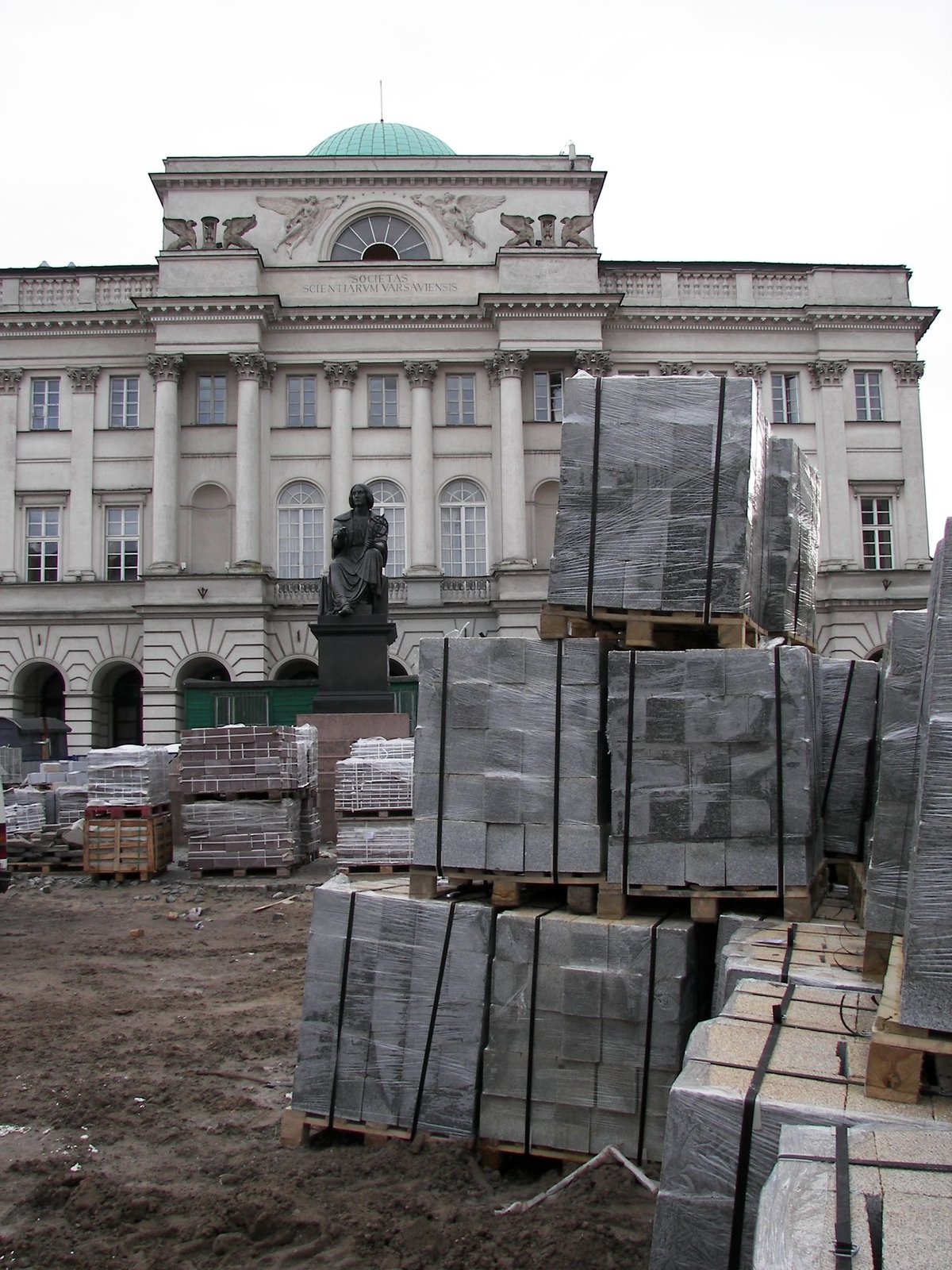
Nestled in the vibrant heart of Warsaw, Staszic Palace (Pałac Staszica) is a symbol of Poland’s rich intellectual heritage and neoclassical architectural grandeur. Designed by Italian architect Antonio Corazzi and constructed between 1820 and 1823, the palace was commissioned by the prominent philosopher and reformer Stanisław Staszic to serve as headquarters for the Society of Friends of Science—the nation’s first scientific society. Over the centuries, the palace has mirrored Poland’s resilience through war, political change, and cultural transformation. Today, it continues its legacy as the seat of the Polish Academy of Sciences, welcoming visitors to explore its historic halls, the iconic Nicolaus Copernicus Monument, and its role in shaping Polish scientific and cultural identity (Polish Academy of Sciences Official Website, Warsaw Guide, Trek.zone).
This guide provides all the essential information you need for your visit, including opening hours, ticketing, accessibility, historical context, and recommendations for nearby attractions—making it ideal whether you’re a history enthusiast, architecture lover, or a curious traveler.

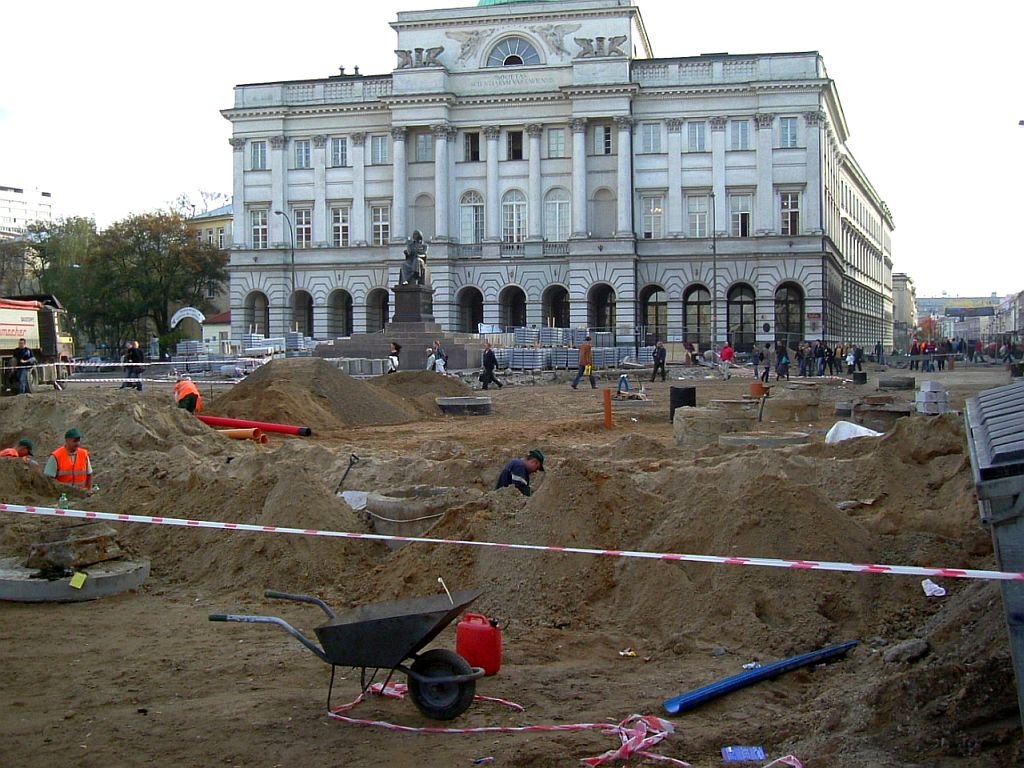
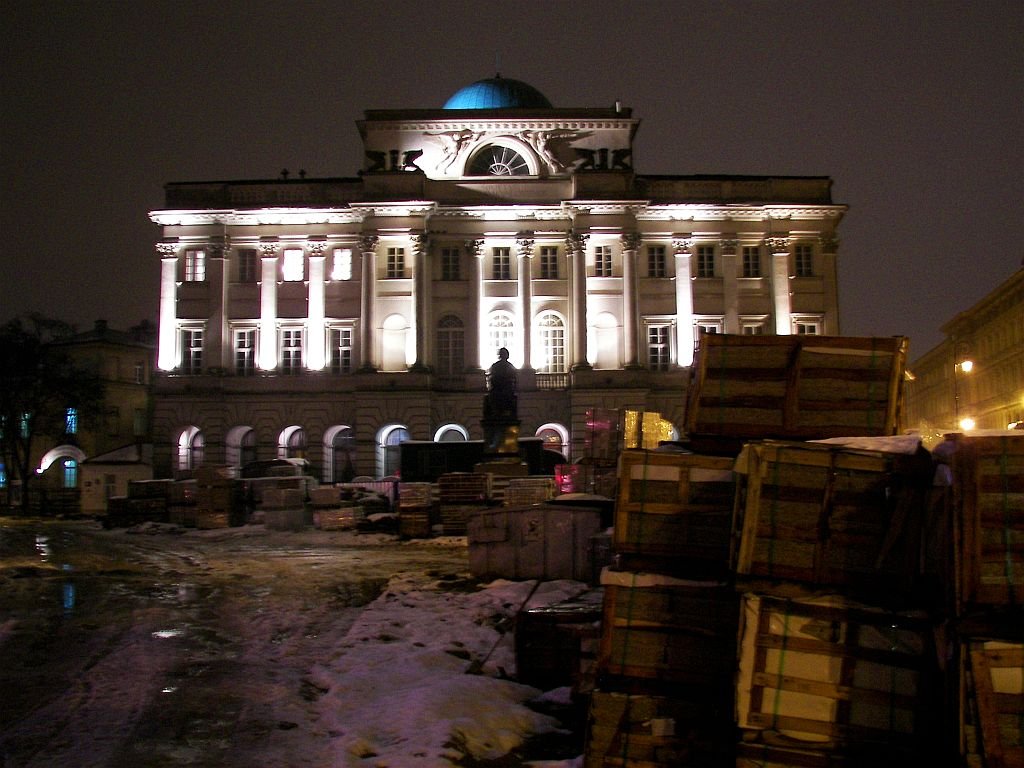
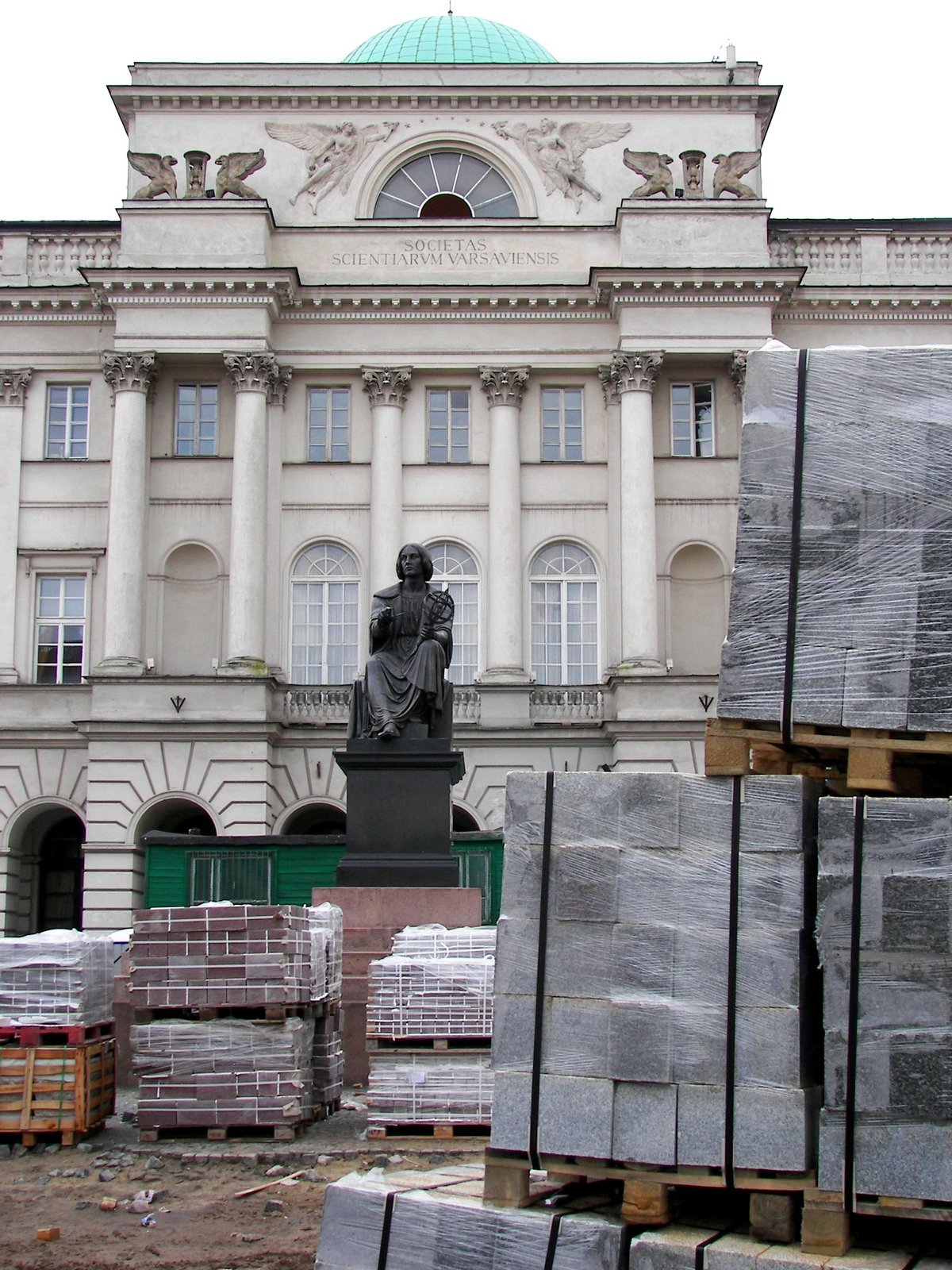
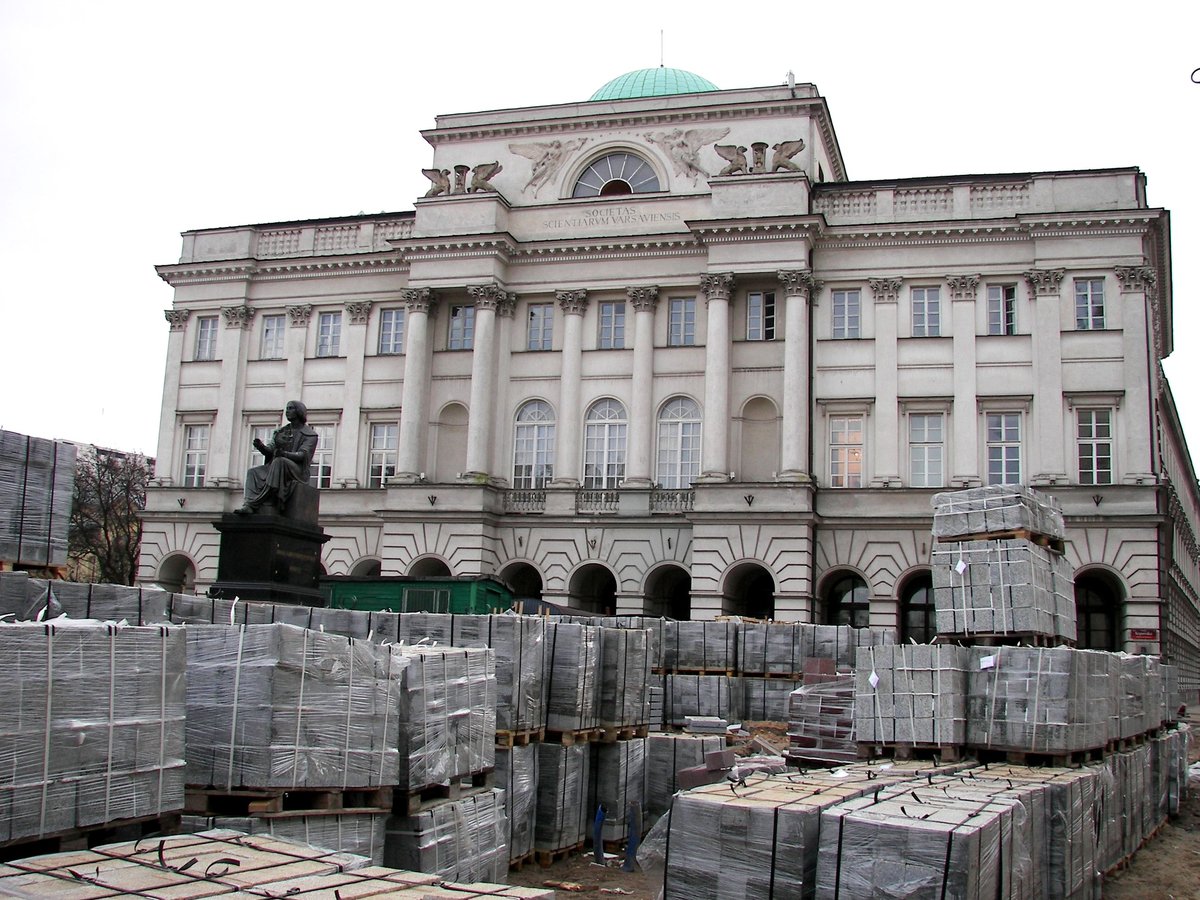

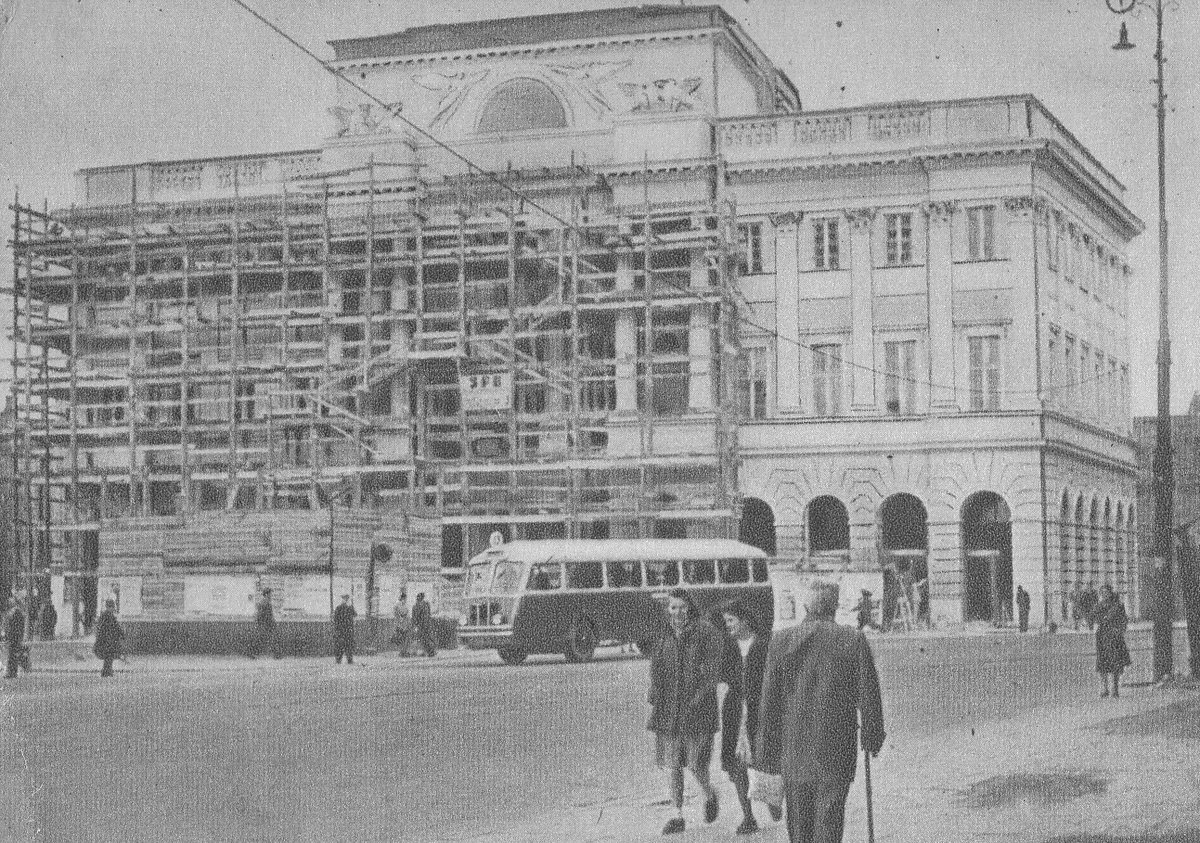

Welcome to Staszic Palace: A Must-Visit Historical Site in Warsaw
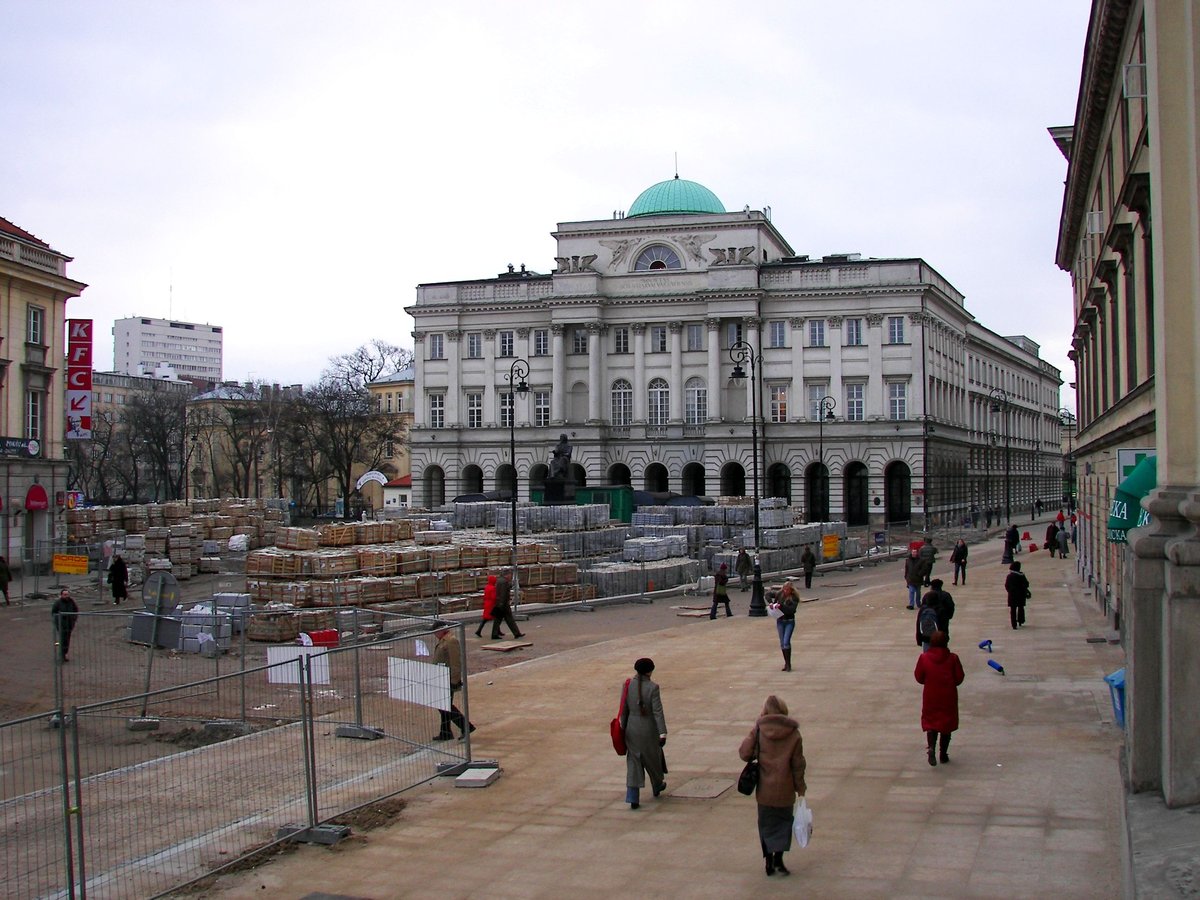
Located on Nowy Świat 72, Staszic Palace is a neoclassical landmark at the core of Warsaw’s intellectual and cultural life. Its striking facade and the famed Copernicus Monument have made it a central point on the city’s Royal Route, drawing visitors interested in Poland’s scientific and architectural achievements.
Visiting Staszic Palace: Hours, Tickets, and Accessibility
Visiting Hours:
- The palace’s exterior and the Copernicus Monument are accessible at any time.
- Access to interior spaces is typically available during special events, exhibitions, or academic conferences.
- Standard interior visiting hours are generally Monday to Friday, 9:00 AM – 5:00 PM, but may vary; always check the official website for updates.
Tickets:
- Viewing the exterior and the Copernicus Monument is free.
- Entry to interior events may require tickets or prior registration, depending on the occasion.
- Guided tours, when available, may require appointment and a ticket.
Accessibility:
- The palace and surrounding square are wheelchair accessible, with ramps and elevators inside.
- Accessible restrooms and assistance for visitors with disabilities are provided.
Getting There and Nearby Attractions
Location:
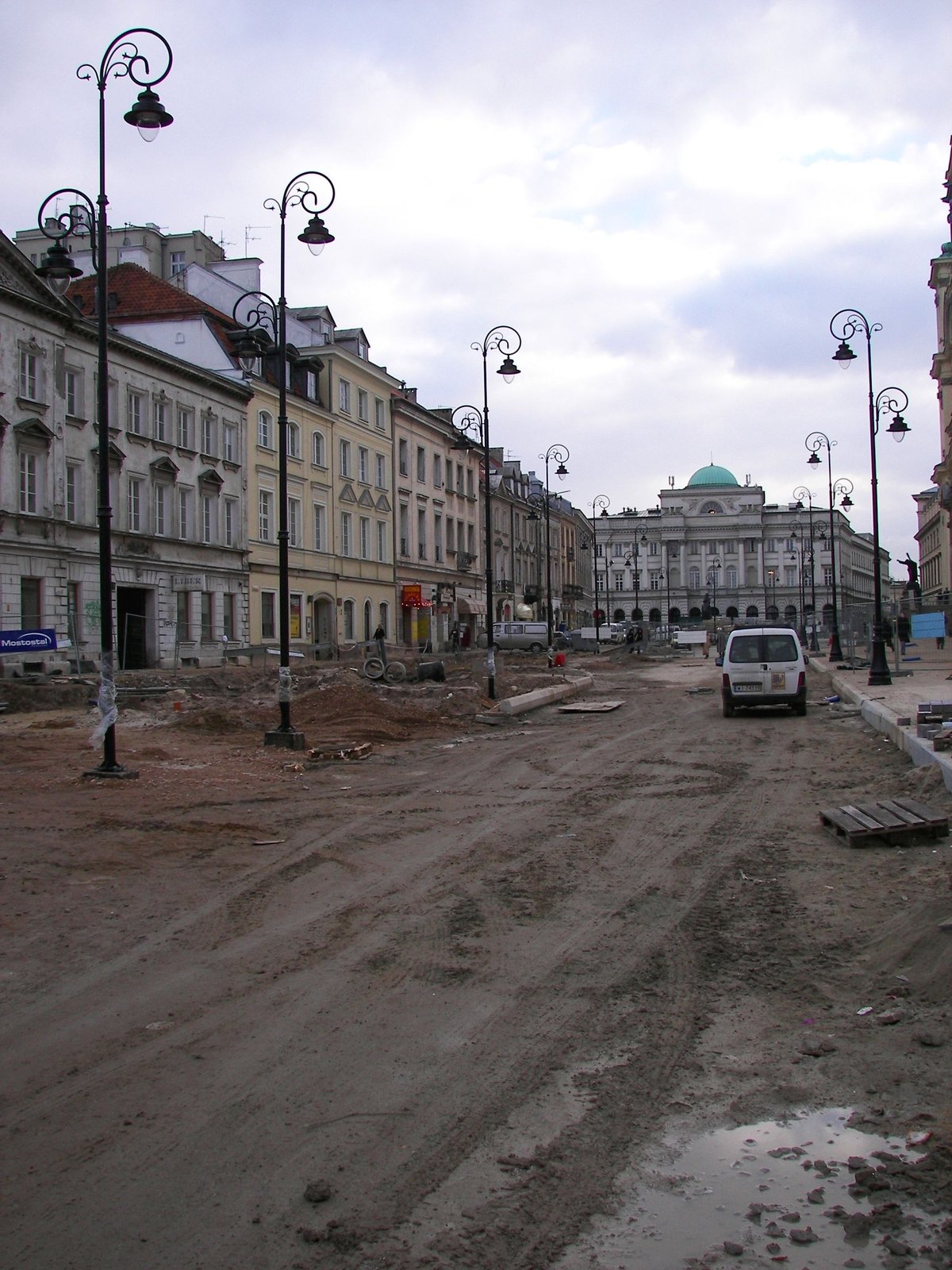
Staszic Palace is centrally located along Nowy Świat, part of the historic Royal Route, within walking distance of the Old Town and other key Warsaw attractions.
Getting There:
- Metro: Nowy Świat-Uniwersytet station (5-minute walk).
- Tram/Bus: Multiple lines stop along Nowy Świat and Krakowskie Przedmieście.
- Car: Paid public parking is available nearby; public transit is recommended.
Nearby Attractions:
- Nicolaus Copernicus Monument (in front of the palace)
- University of Warsaw
- Holy Cross Church (home to Chopin’s heart)
- Presidential Palace
- Royal Castle
- Cafés and shops along Nowy Świat
Origins and Early History
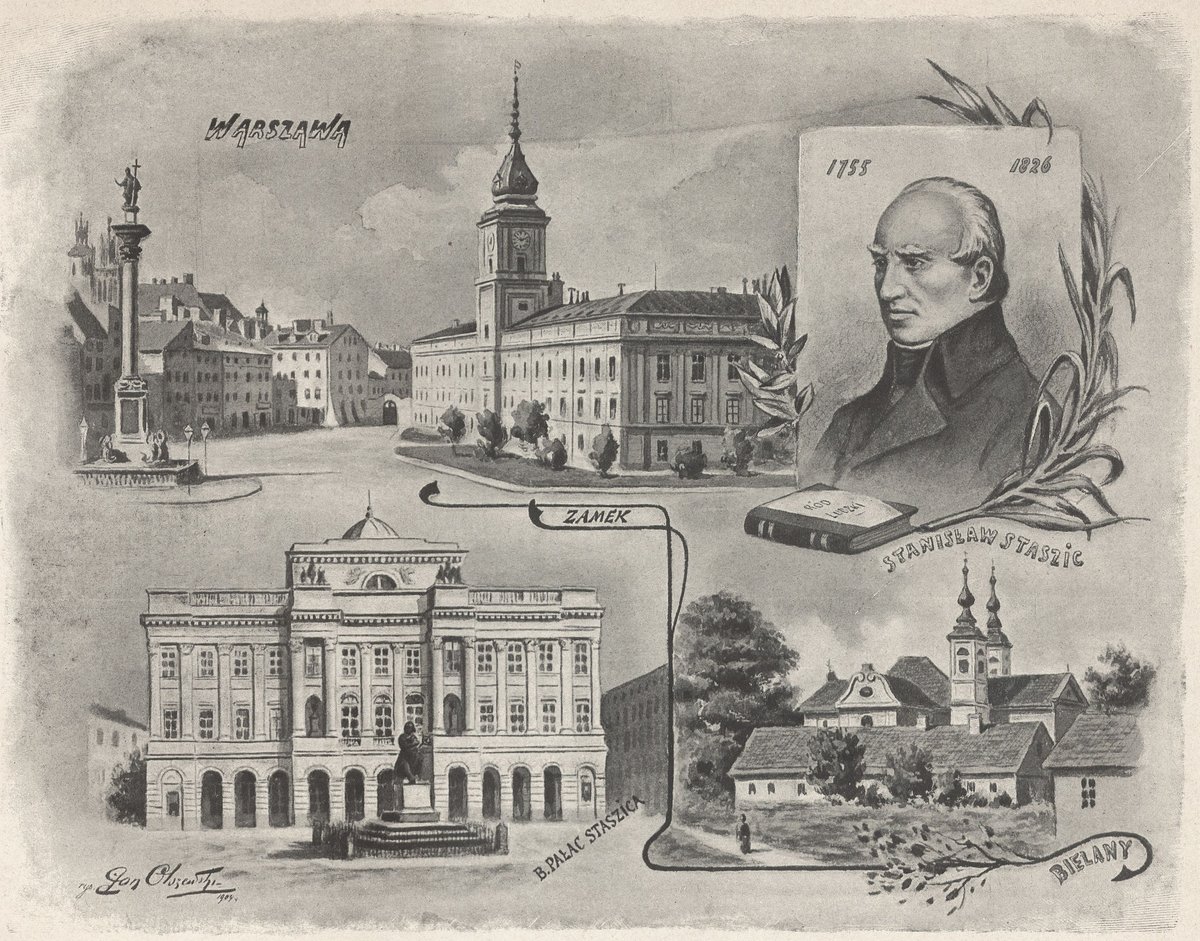
The site’s history dates back to 1620, originally as an Eastern Orthodox chapel built by King Sigismund III Vasa. The current palace was constructed from 1820–1823, designed by Antonio Corazzi, and spearheaded by Stanisław Staszic for the Society of Friends of Science (Towarzystwo Przyjaciół Nauk, TPN). The palace quickly became a hub for intellectual and scientific life during the Enlightenment and period of foreign partitions.
Transformations Through the Centuries
During the Russian partition, the palace was converted to a Russian Orthodox church, reflecting the turbulent political climate. After Poland’s independence in 1918, Marian Lalewicz restored its neoclassical form (1924–1926). The palace suffered severe destruction in World War II but was rebuilt (1946–1950) under Piotr Biegański, restoring its grandeur.
Modern Role
Today, Staszic Palace is the seat of the Polish Academy of Sciences (Polska Akademia Nauk, PAN) and the Warsaw Scientific Society. It hosts scientific conferences, cultural events, and public exhibitions, continuing its tradition as a center for academic and cultural exchange (Peter Lang, Warsaw Historical Sites).
Architectural Style and Features
Staszic Palace is a prime example of neoclassical architecture.
- Facade: Features a grand portico with six Ionic columns and a triangular pediment.
- Symmetry & Harmony: The building’s proportions and classical motifs reflect Enlightenment ideals.
- Interiors: Elegant halls, a sweeping stone staircase, and classical detailing.
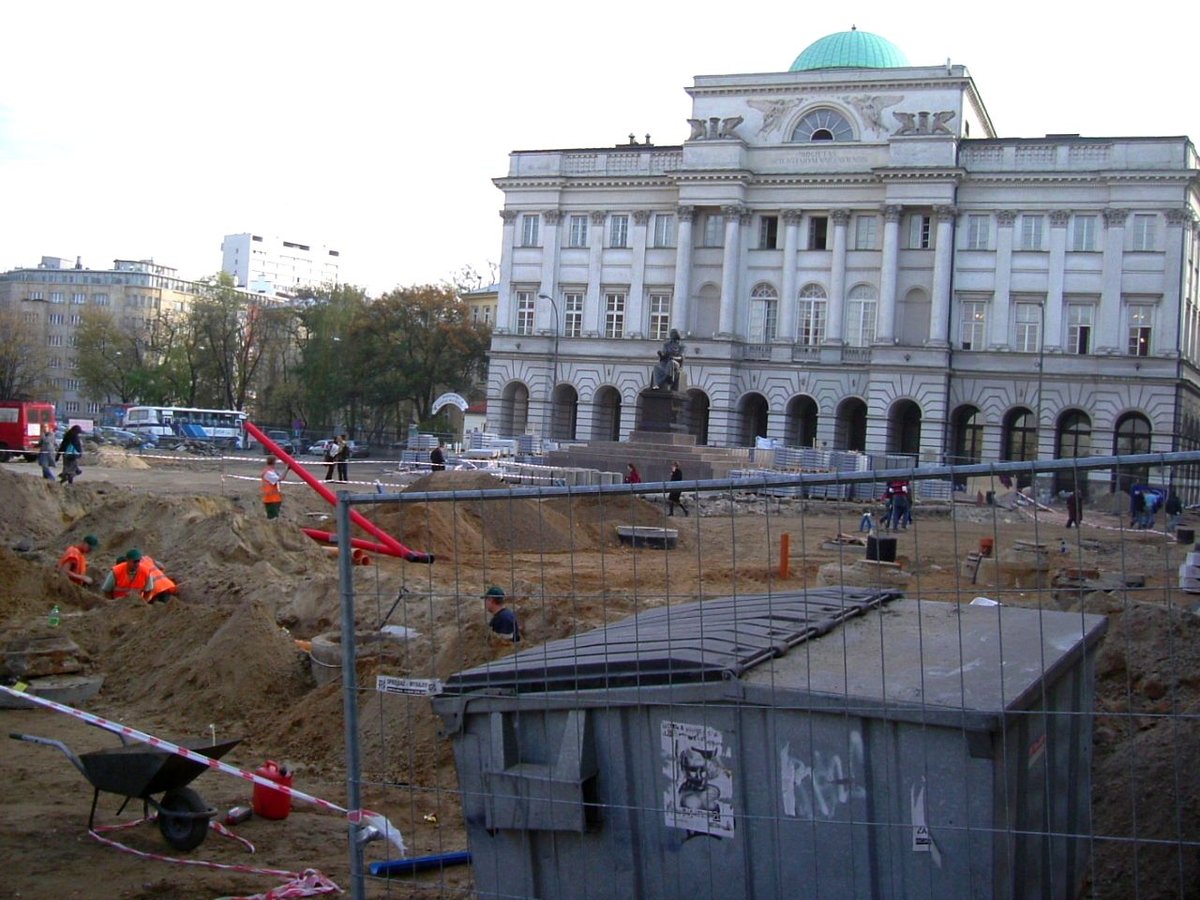
- Courtyard: The paved square with the Copernicus Monument, designed by Bertel Thorvaldsen and unveiled in 1830, includes a Solar System map embedded in the pavement.
After WWII, the palace’s restoration also incorporated elements from Warsaw’s heritage, such as the Mikulski building’s reconstructed facade (trek.zone, Warsaw Guide).
Cultural and Scientific Significance
Initially home to the Society of Friends of Science, Staszic Palace played a crucial role in nurturing Polish scholarship during the partitions. It safeguarded museum collections, hosted scientific meetings, and fostered national identity. As headquarters of the Polish Academy of Sciences, it remains at the forefront of research, education, and public engagement (Peter Lang, Polish Academy of Sciences Official Website).
The palace’s public square, anchored by the Copernicus Monument, continues to be a symbolic space for intellectual gatherings and national remembrance.
Practical Visitor Information
- Accessibility: Wheelchair accessible, with ramps, elevators, and accessible restrooms.
- Photography: Allowed in exterior and public square; interior photography may be restricted during events.
- Amenities: Cafés, restaurants, and shops are abundant on Nowy Świat and nearby streets.
- Best Time to Visit: Spring and autumn for pleasant weather and fewer crowds. Summer is lively but can be busy; winter offers a festive atmosphere.
Frequently Asked Questions (FAQ)
Q: What are the Staszic Palace visiting hours?
A: The exterior and Copernicus Monument are always accessible. Interior access depends on scheduled events; check the official website for updates.
Q: Are tickets required?
A: No tickets are needed for exterior viewing. Interior events may require tickets or registration.
Q: Is the palace accessible for visitors with disabilities?
A: Yes, ramps and elevators are available.
Q: Are guided tours offered?
A: Regular guided tours are not standard, but the palace is included in some private Warsaw walking tours. Check with local tour providers for more information.
Q: What nearby attractions complement a visit to Staszic Palace?
A: The University of Warsaw, Holy Cross Church, Presidential Palace, and numerous cultural sites along the Royal Route.
Visuals and Media Recommendations
For an enhanced experience, explore virtual tours and galleries available on the official Polish Academy of Sciences website. Suggested images include:
- The palace’s neoclassical facade with the Copernicus Monument
- The elegant main hall or lecture space (when accessible)
- Maps showing the palace’s location on the Royal Route
Explore More Warsaw Historical Sites
Expand your exploration of Warsaw’s history by visiting:
Plan Your Visit Today!
Experience the architectural beauty and scientific legacy of Staszic Palace. For the latest visiting hours, ticketing, and event information, consult the official website. Download the Audiala app for expert audio guides and interactive maps to enrich your visit. Stay up to date on cultural events by following official social media channels.
Summary
Staszic Palace is a cornerstone of Warsaw’s scientific, cultural, and architectural heritage. Its neoclassical grandeur, central location, and role as a hub for Polish academia and culture make it a must-visit site on Warsaw’s Royal Route. With easy accessibility, free exterior viewing, and a wealth of nearby attractions, it offers an enriching experience for all visitors. Make the most of your journey with guided tours, multimedia resources, and by exploring the vibrant neighborhood that surrounds this historic landmark.
Listen to the full story in the app
The whole Staszic Palace,
told well.
Audio guides for 1,100+ cities across 96 countries. History, stories, and local insight — offline ready.
Verified, and shown.
Researched and written by the Audiala editorial team from historical records, architectural archives, and local expertise.
Researched from Wikidata, Wikipedia & official sources · fact-checked · How we make our guides →