Plan and listen to St. John'S Archcathedral with Audiala.
Audio guide in your pocket, itinerary in your browser. Built for the way you actually visit.
Introduction: History and Significance
St. John’s Archcathedral in Warsaw is a towering testament to Poland’s rich history, religious tradition, and cultural resilience. Nestled in the heart of Warsaw’s UNESCO-listed Old Town, this Gothic masterpiece, dating back to the late 14th century, has witnessed momentous events such as royal coronations, national ceremonies, and the devastation of World War II. Its architecture, blending Gothic foundations with later Baroque and Neoclassical influences, encapsulates the evolving artistic landscape of Poland. After its near-complete destruction during the 1944 Warsaw Uprising, the cathedral’s meticulous post-war restoration became a powerful symbol of Warsaw’s determination and renewal.
Today, the cathedral draws visitors from across the globe, eager to experience its soaring interiors, intricate stained glass, and the crypts of Poland’s notable figures like King Stanisław August Poniatowski and Nobel laureate Henryk Sienkiewicz. St. John’s Archcathedral remains an active house of worship and a center for cultural events, including the renowned International Organ Festival, making it an essential stop for history, architecture, and music enthusiasts alike.
This guide offers comprehensive information on St. John’s Archcathedral’s visiting hours, ticketing, accessibility, architectural highlights, and top travel tips to ensure you make the most of your visit. For further details and updates, consult official resources such as the Kurby Blog, UNESCO World Heritage Site, and Warsaw Tourism.

Origins and Early History
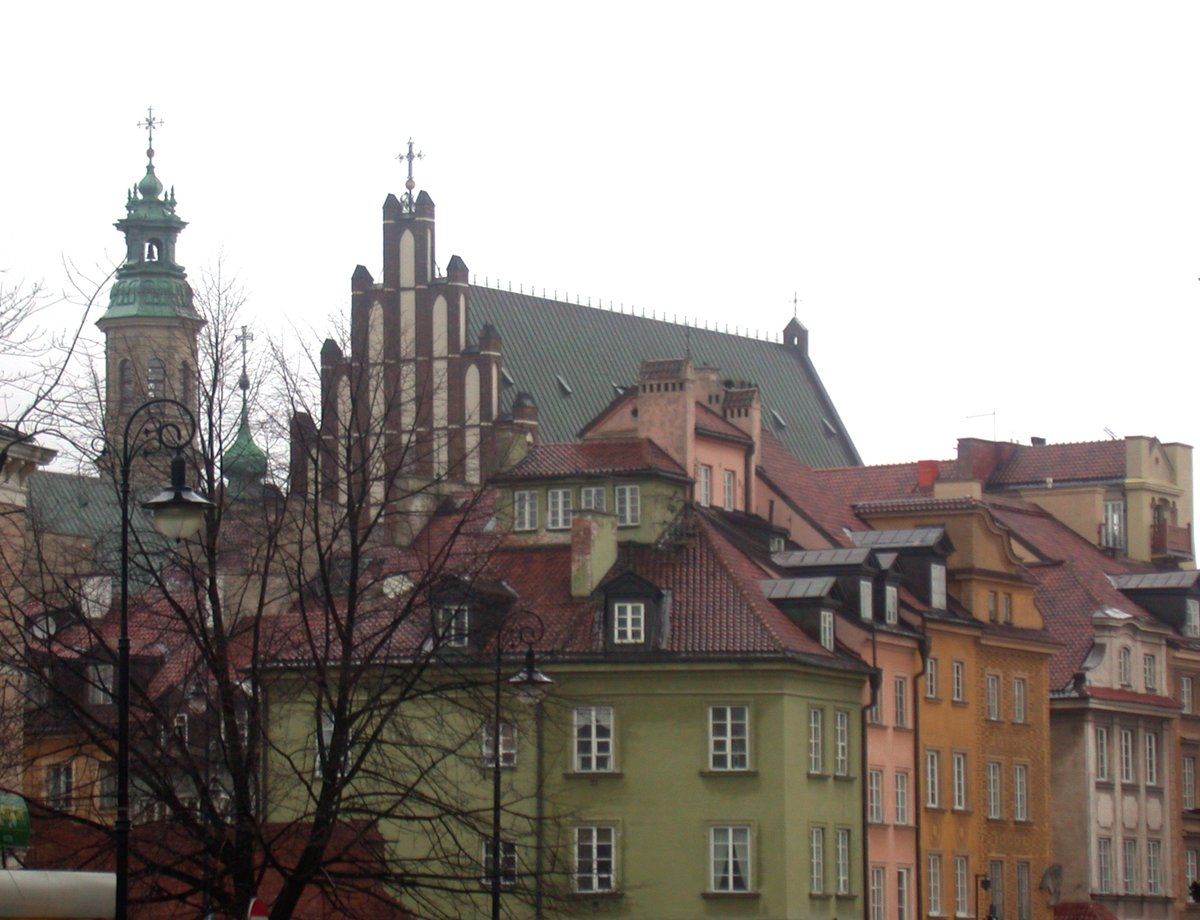
Constructed in the late 14th century as a parish church for the Duchy of Mazovia, St. John’s Archcathedral was soon elevated to collegiate status. Its original design, marked by pointed arches and ribbed vaults, exemplifies the Mazovian Gothic style (Kurby Blog). Over the centuries, the church evolved into a central venue for spiritual and civic life.
Architectural Evolution
- Gothic Foundations: The cathedral’s single nave, polygonal chancel, and vaulted ceilings showcase classic Mazovian Gothic elements, constructed primarily from brick due to the local shortage of stone.
- Baroque and Neoclassical Additions: Over subsequent centuries, Baroque altars and chapels, as well as Neoclassical interior updates, were incorporated, reflecting changing liturgical and artistic trends.
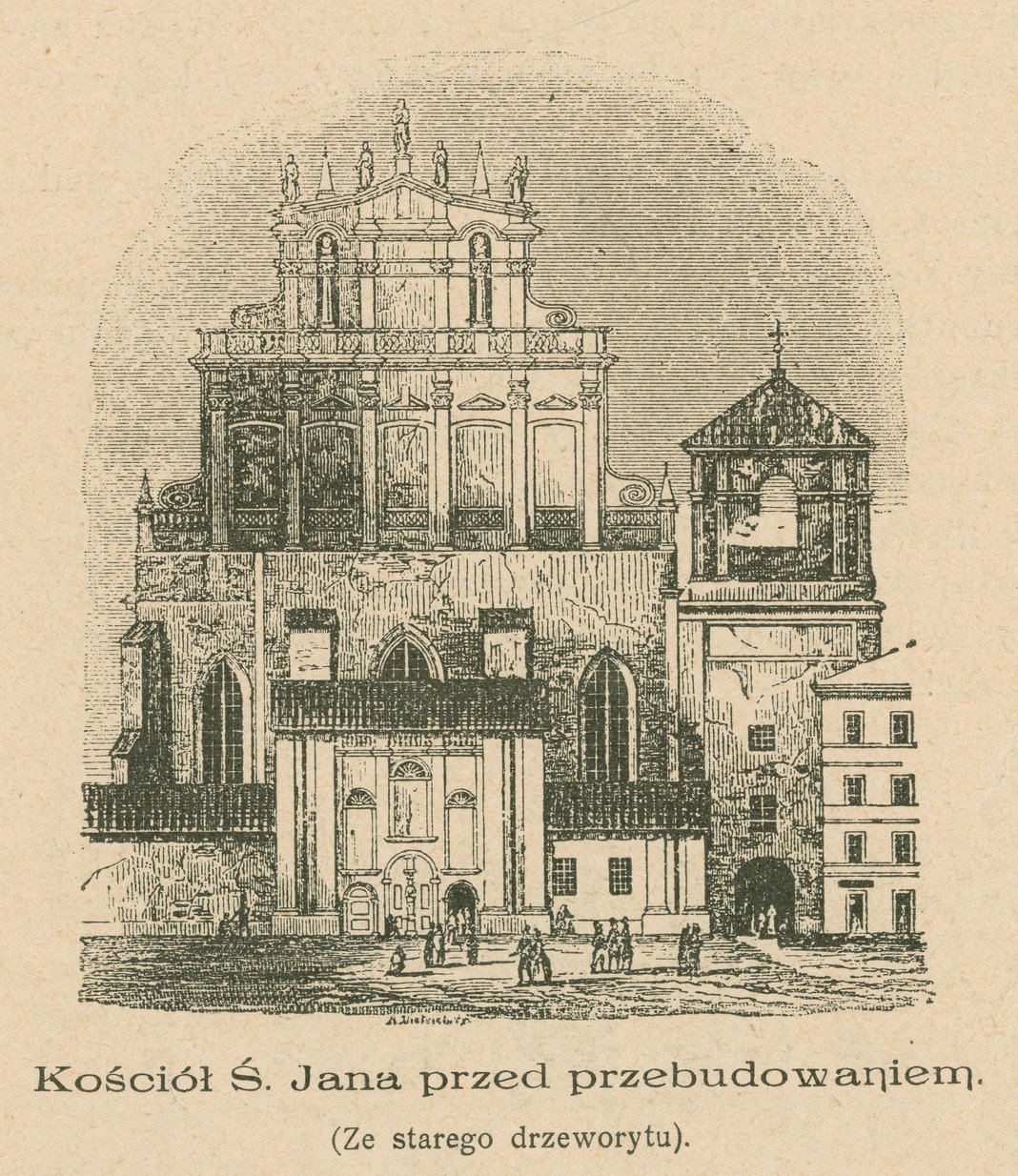
- World War II Destruction and Reconstruction: The cathedral was reduced to rubble during the 1944 Warsaw Uprising. Reconstruction, completed by 1956, faithfully restored its medieval appearance, guided by historic engravings (UNESCO World Heritage Site).
Cultural and Religious Significance
St. John’s Archcathedral has historically served as the spiritual heart of Warsaw, hosting royal coronations, weddings, funerals, and state events during the Polish-Lithuanian Commonwealth. The cathedral’s crypts house the remains of kings, writers, and statesmen, making it a national pantheon (Warsaw Tourism). As the mother church of the Archdiocese of Warsaw, it is a focal point for major religious ceremonies and a destination for pilgrims, especially during significant Catholic holidays.
Beyond its religious role, the cathedral is a symbol of Polish resilience, notably commemorating the signing of the Constitution of May 3, 1791, and standing as a monument to Warsaw’s post-war recovery (Travelling Camera).
Planning Your Visit: Hours, Tickets, Accessibility
Visiting Hours
- Monday to Saturday: 10:00 AM – 6:00 PM
- Sunday: 12:00 PM – 6:00 PM
Holidays and special liturgical events may affect opening times. Always check the official website or call +48 22 831 02 89 for the latest updates.
Tickets & Guided Tours
- Admission: Free. Donations are welcome to support restoration and maintenance.
- Guided Tours: Available in multiple languages. Book online, at the entrance, or via local operators. Some special exhibitions or events may have a separate fee.
Accessibility
- Wheelchair Access: Ramps are available, and assistance can be arranged on request.
- Restrooms: Public facilities are located nearby in the Old Town.
- Mobility: The surrounding cobblestone streets may be challenging; advance notice is recommended for visitors needing special assistance.
Getting There & Nearby Attractions
St. John’s Archcathedral is located at Świętojańska 8, 00-278 Warszawa, Poland, easily reached from Castle Square and within walking distance of the Royal Castle, Market Square, and the Warsaw Barbican (Safarway). Old Town is pedestrian-friendly and well-served by public transport.
Architectural Features & Highlights
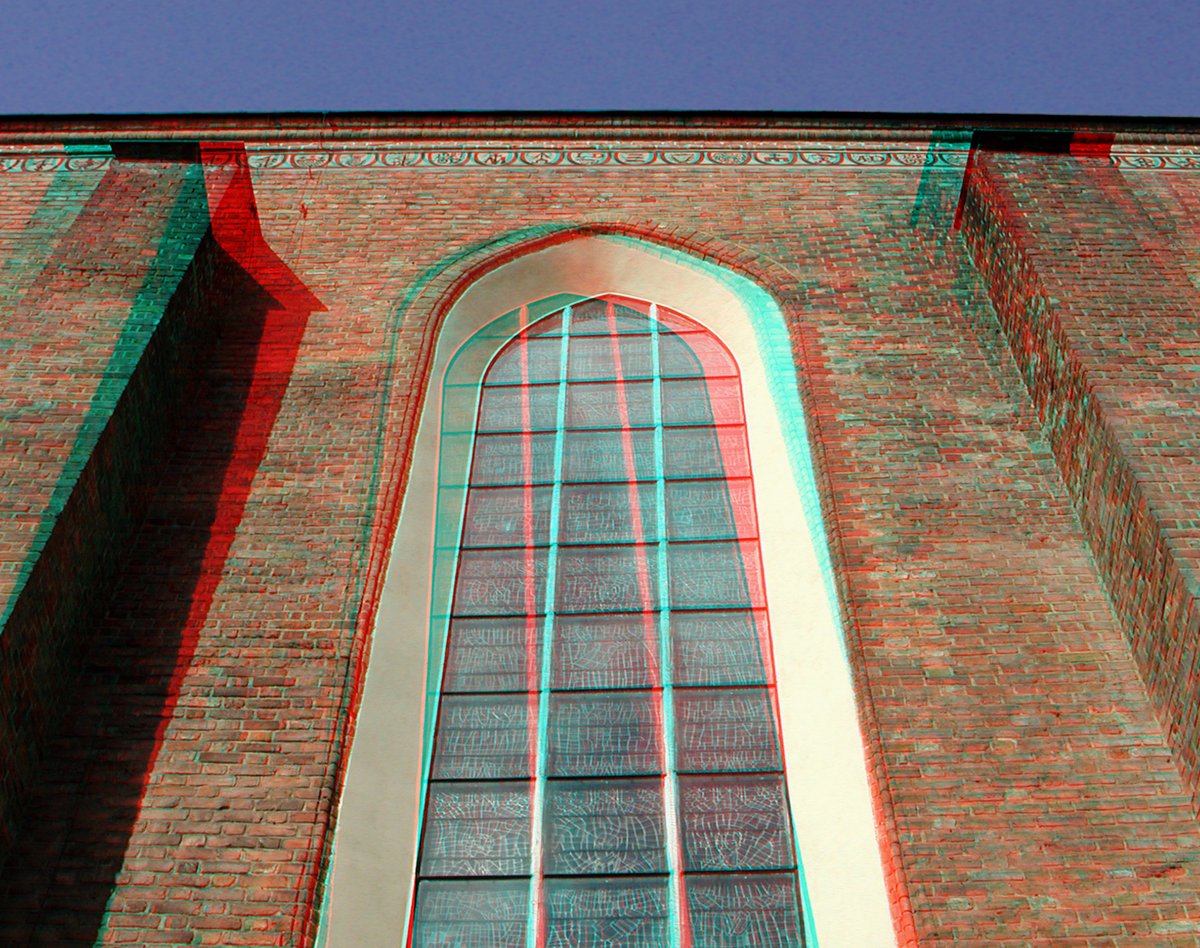
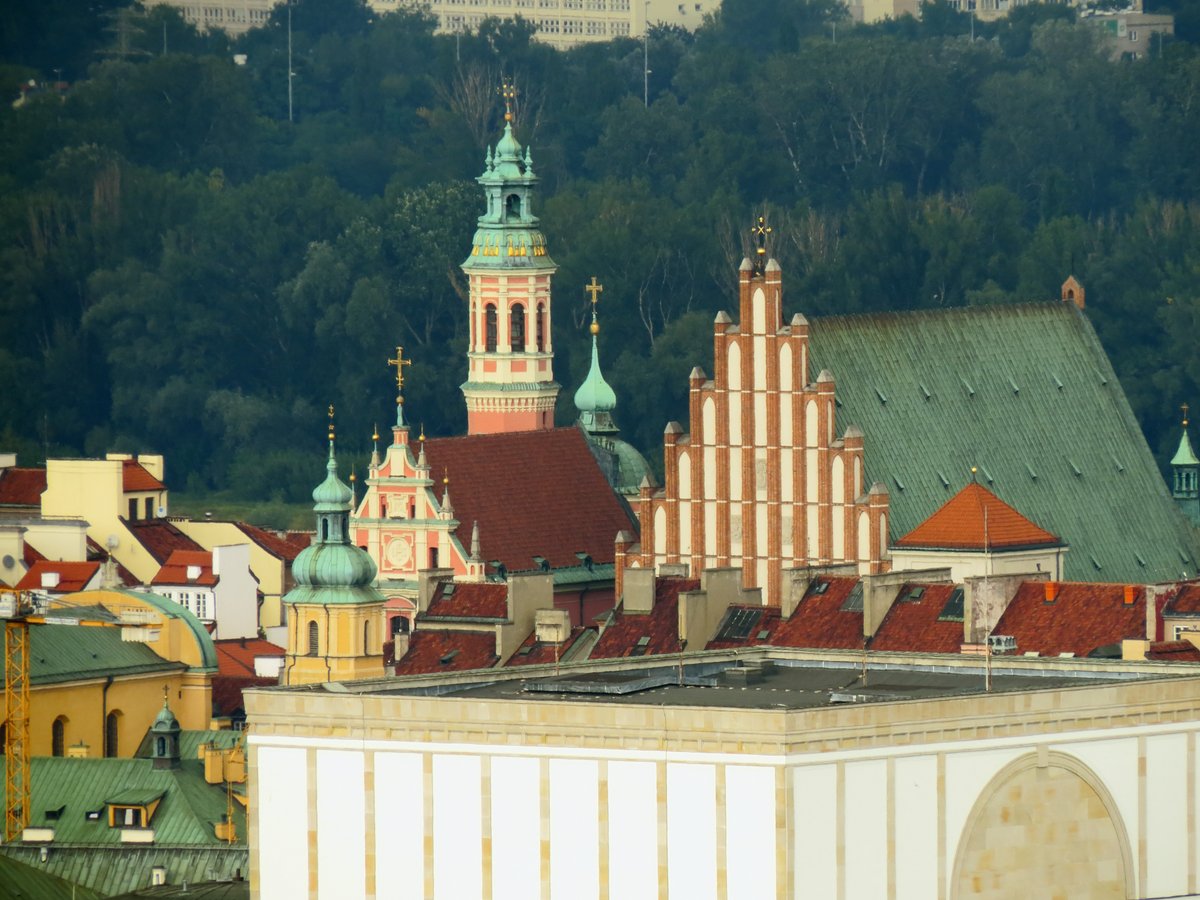
- Gothic Facade and Structure: The exterior features pointed Gothic arches, tall windows, and a stepped gable, all reconstructed to mirror the original medieval design (Wikipedia).
- Vaulted Interiors and Stained Glass: Inside, the soaring nave, ribbed vaults, and colorful stained glass windows create a luminous, contemplative atmosphere (Explore Warsaw).
- Artistic Details: The cathedral boasts neo-Gothic altars, Baroque chapels, and numerous sculptures and paintings.
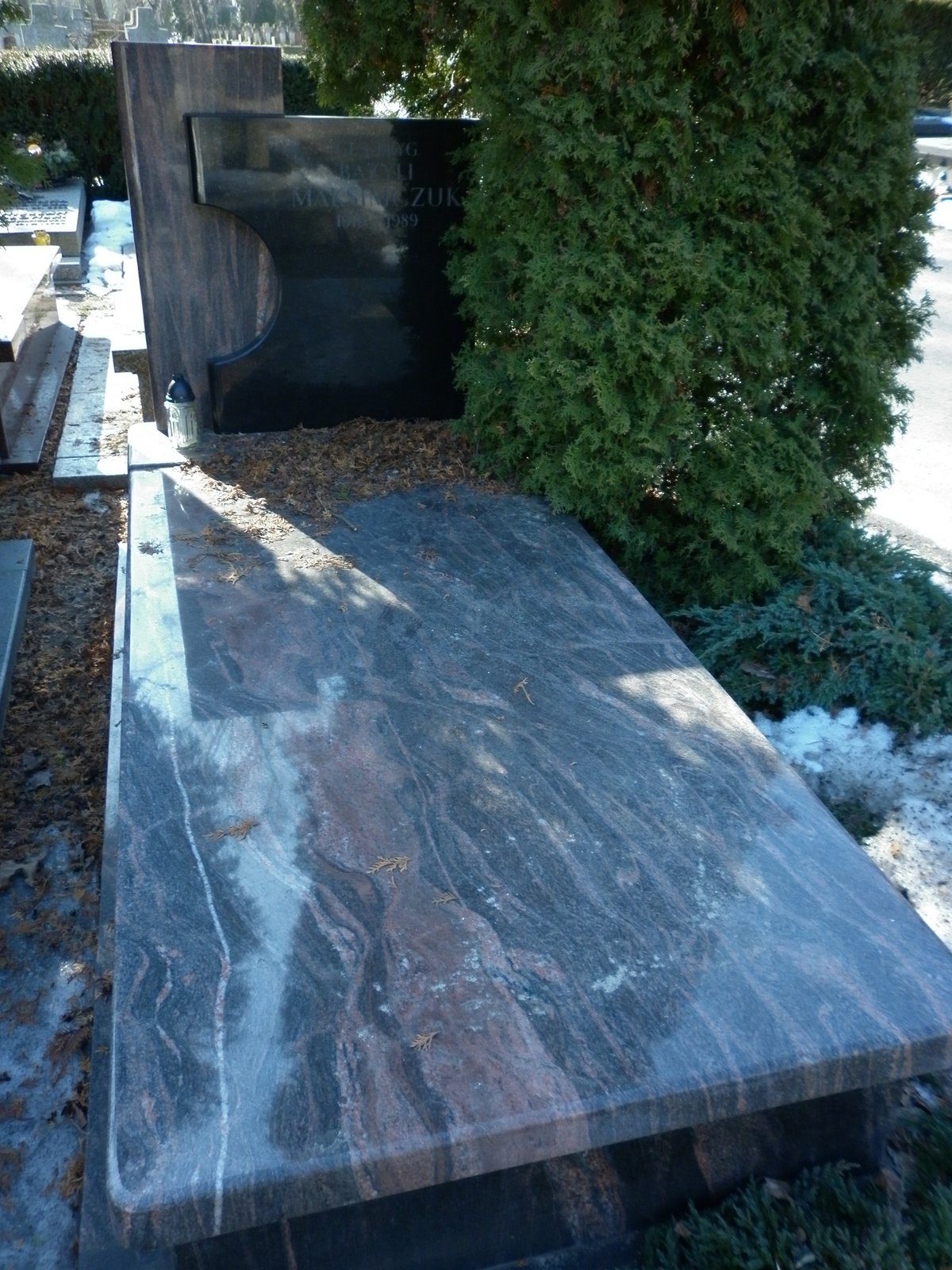
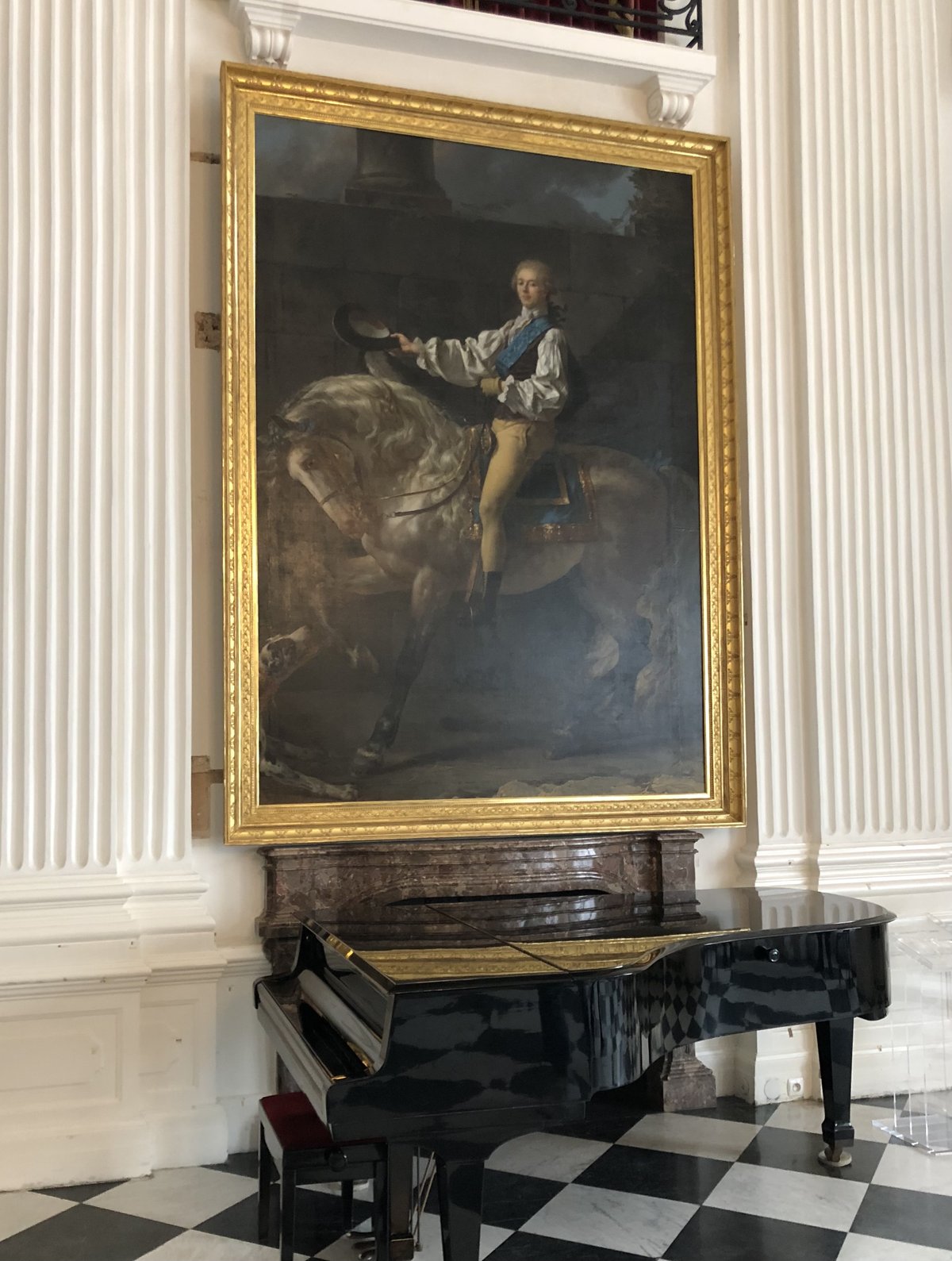
- Crypts: Notable tombs include those of King Stanisław August Poniatowski, Nobel laureate Henryk Sienkiewicz, and other national figures (Go2Warsaw).
- Elevated Corridor: An 80-meter corridor connects the cathedral to the Royal Castle, built for royal security in the 16th century (Spotting History).
- Bell Tower: The reconstructed tower offers views of Old Town and stands as a symbol of Warsaw’s resilience.
- Organ and Music: The grand pipe organ is central to liturgical and concert life, highlighted during the summer International Organ Festival (Go2Warsaw).
Notable Historical Events
- Warsaw Uprising (1944): The cathedral was a key site during the resistance, suffering near-total destruction.
- Post-War Reconstruction: Rebuilt using historical drawings and engravings, restoration was completed by 1960.
- Modern Ceremonies: The site continues to host papal visits, state funerals, and national celebrations.
Frequently Asked Questions (FAQ)
Q: Is there an entrance fee for St. John’s Archcathedral?
A: General admission is free; some special tours or exhibitions may require a ticket.
Q: Are guided tours available?
A: Yes, in several languages. Book online, onsite, or via local tour providers.
Q: Is the cathedral accessible for wheelchair users?
A: Yes, with ramps and available assistance.
Q: Can I take photographs inside?
A: Photography is allowed for personal use (no flash/tripods). Restrictions apply during services.
Q: What are the best times to visit?
A: Weekday mornings are quieter; avoid weekends and holidays for the least crowds.
Q: What should I wear?
A: Modest attire—shoulders and knees covered—is required, especially during religious services.
Q: What are nearby attractions?
A: The Royal Castle, Market Square, Jesuit Church, and Warsaw Barbican are within easy walking distance.
Visitor Tips
- Arrive Early: For a peaceful visit and better photo opportunities, come early in the day.
- Combine Visits: Explore the cathedral alongside the Royal Castle and Old Town attractions for a full historical experience (The Crazy Tourist).
- Travel Prepared: Old Town is largely pedestrian and atmospheric, but cobblestones may challenge those with limited mobility.
- Respect the Space: Maintain silence and decorum, as the cathedral is an active place of worship.
- Events: Check for concerts and festivals such as the International Organ Festival for a unique cultural dimension.
Listen to the full story in the app
The whole St. John'S Archcathedral,
told well.
Audio guides for 1,100+ cities across 96 countries. History, stories, and local insight — offline ready.
Verified, and shown.
Researched and written by the Audiala editorial team from historical records, architectural archives, and local expertise.
John’s Archcathedral: A Jewel Among Warsaw Historical Sites, 2023, Kurby Blog
John’s Archcathedral, Warsaw.net
John’s Archcathedral in Warsaw, Go2Warsaw
John’s Archcathedral, UNESCO World Heritage Site
John’s Archcathedral, Wikipedia
John’s Archcathedral, Explore Warsaw
John’s Archcathedral Visiting Hours, Tickets & Guide, Safarway
John’s Archcathedral, Spotting History
Researched from Wikidata, Wikipedia & official sources · fact-checked · How we make our guides →