Plan and listen to St. Hyacinth'S Church with Audiala.
Audio guide in your pocket, itinerary in your browser. Built for the way you actually visit.
Introduction
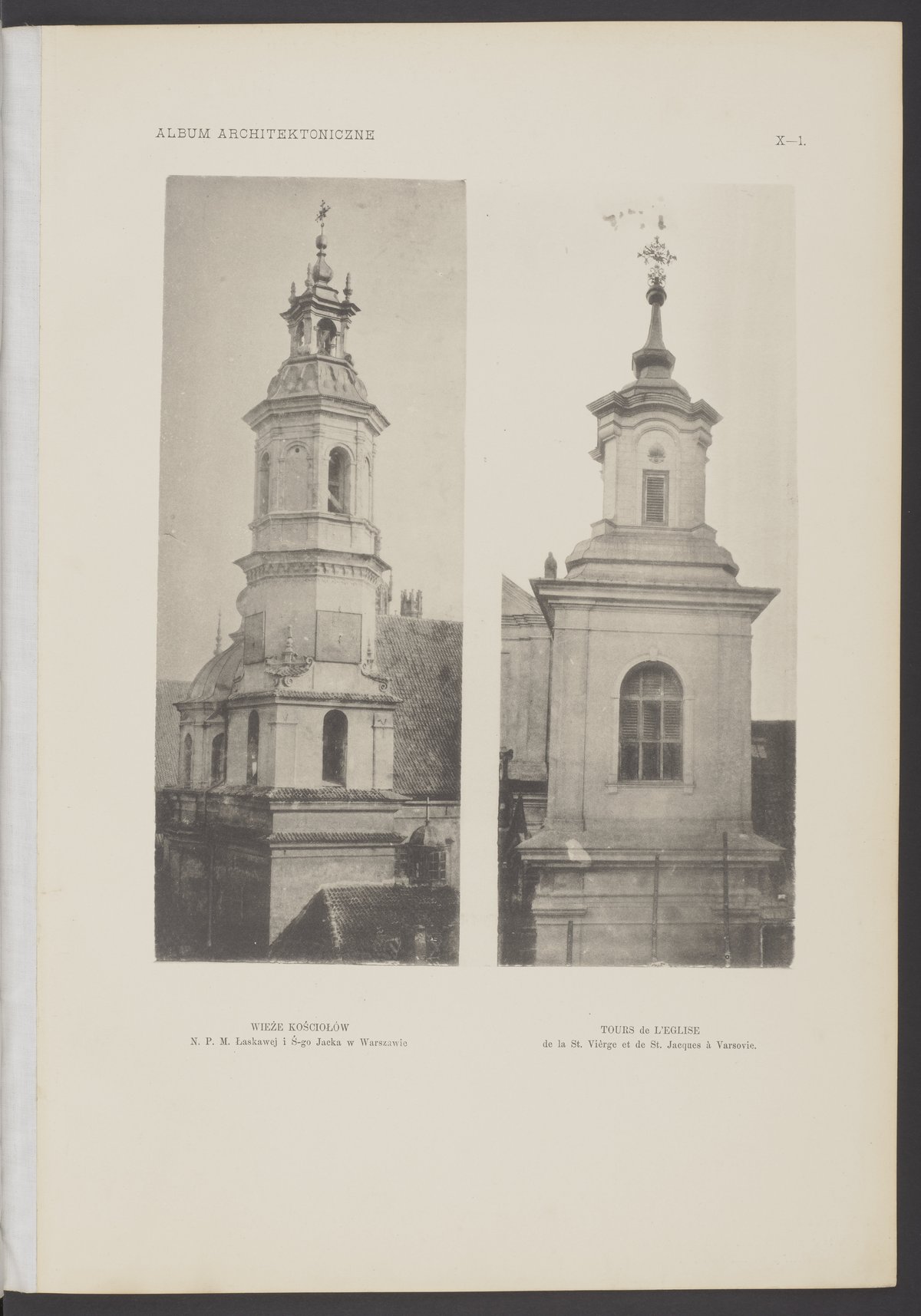
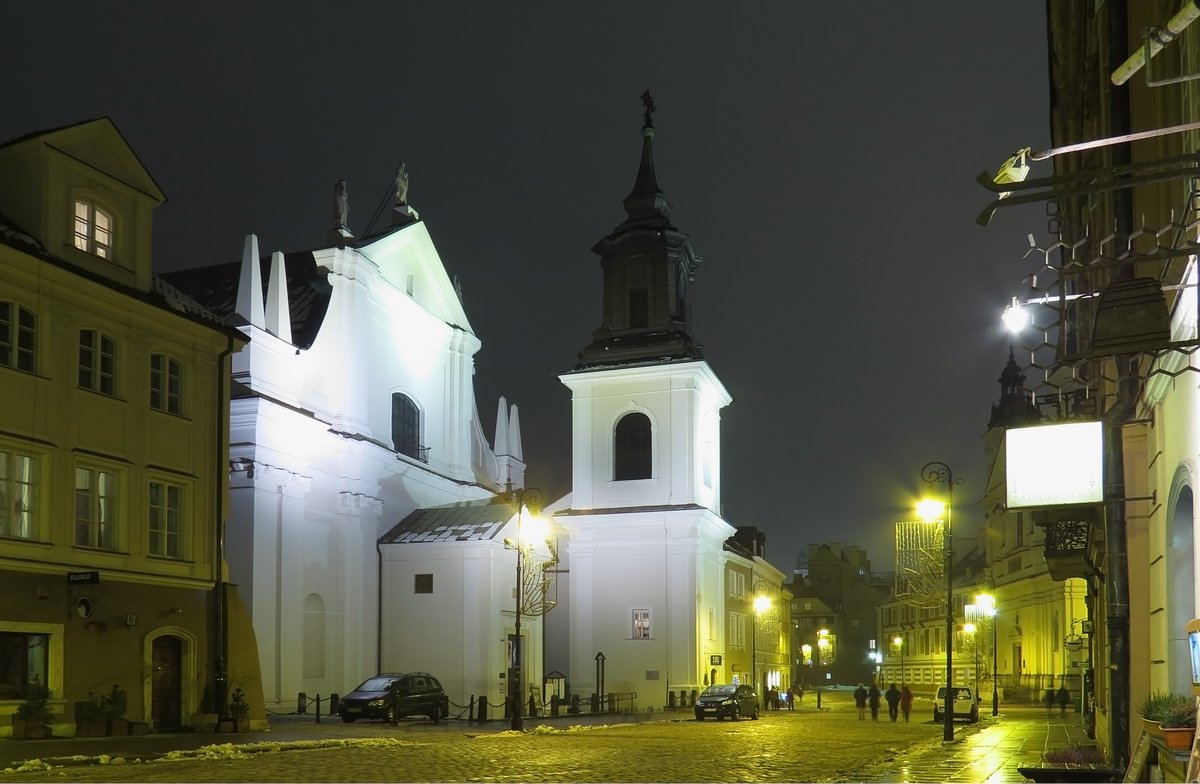
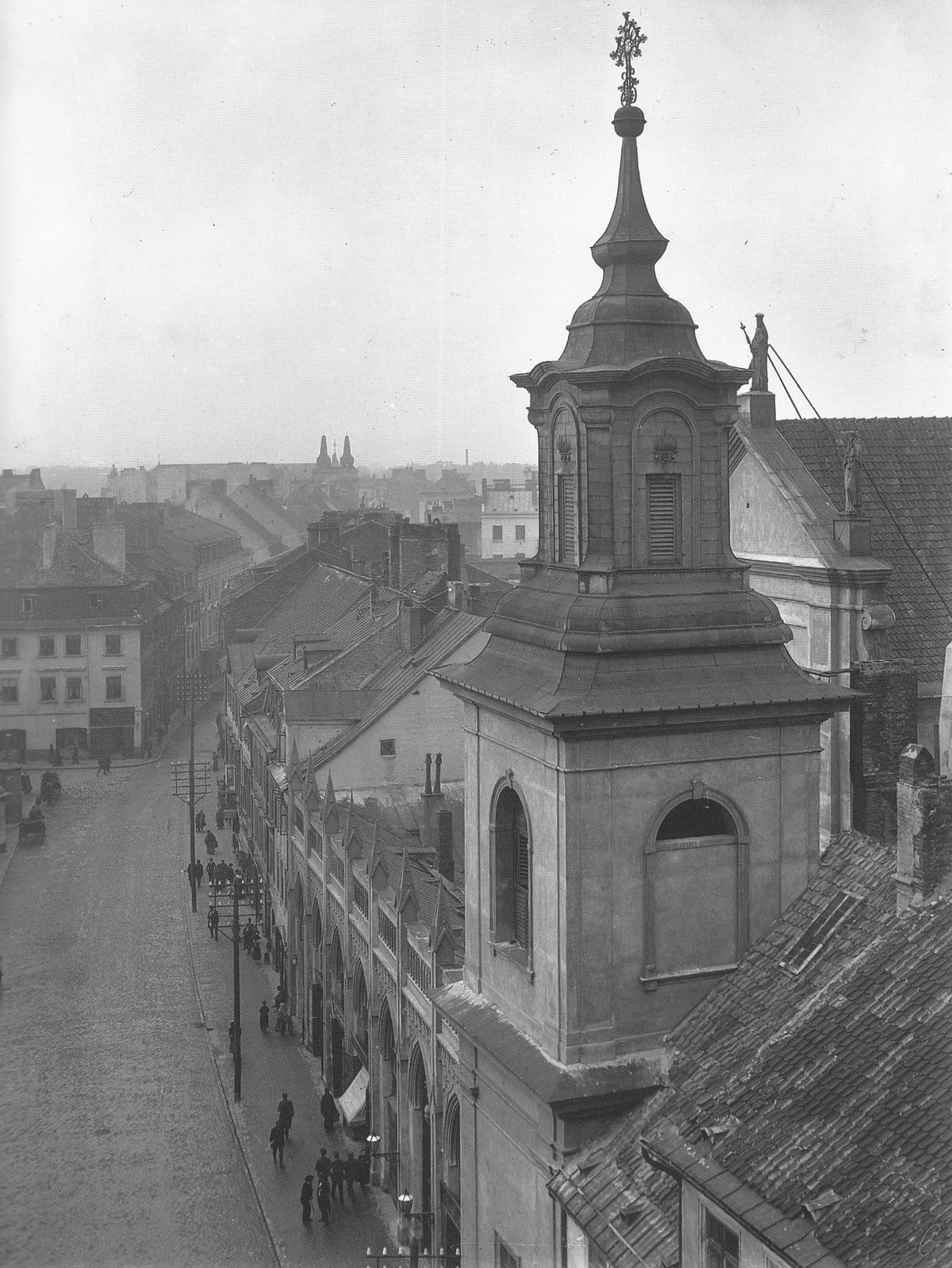
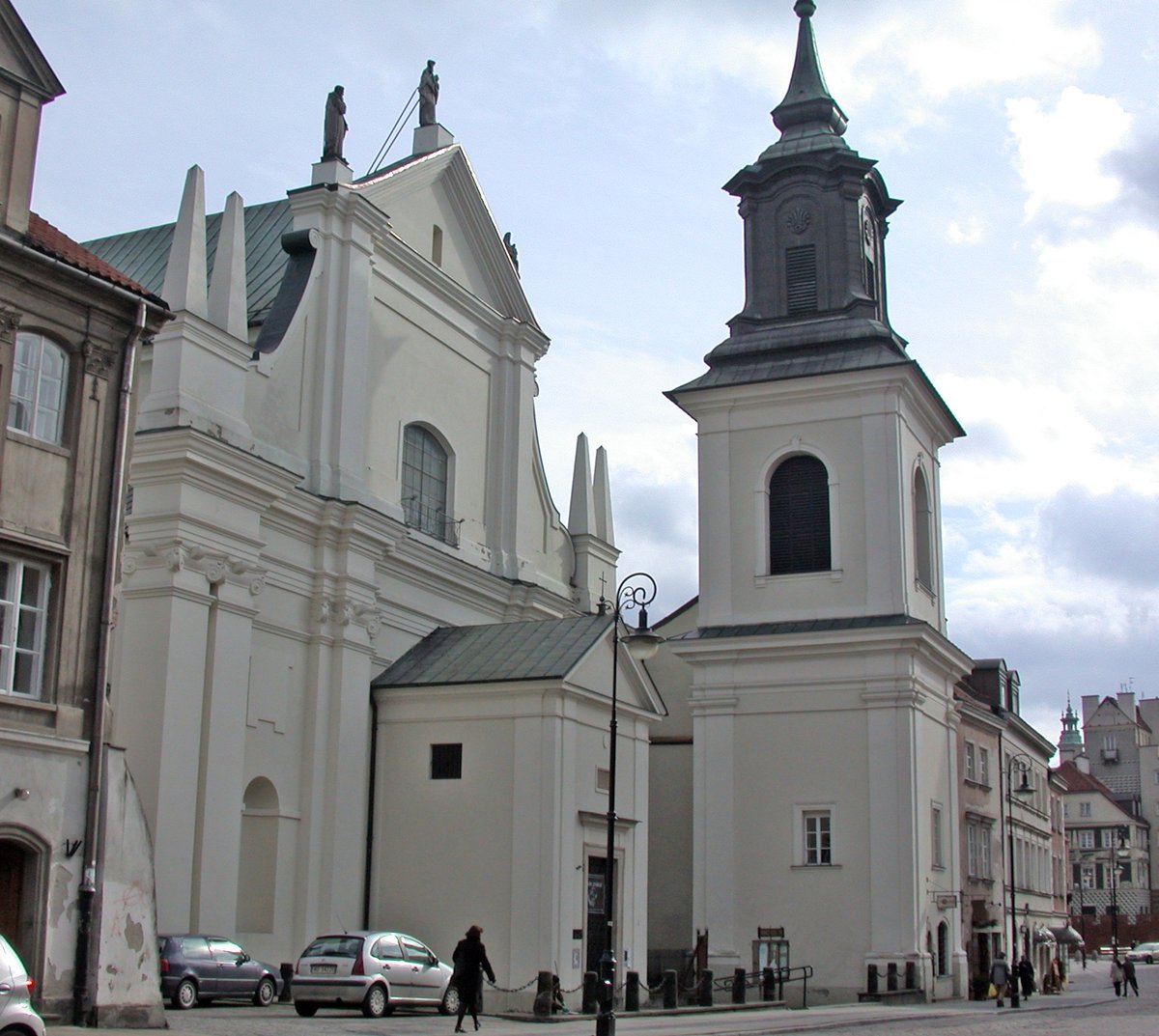
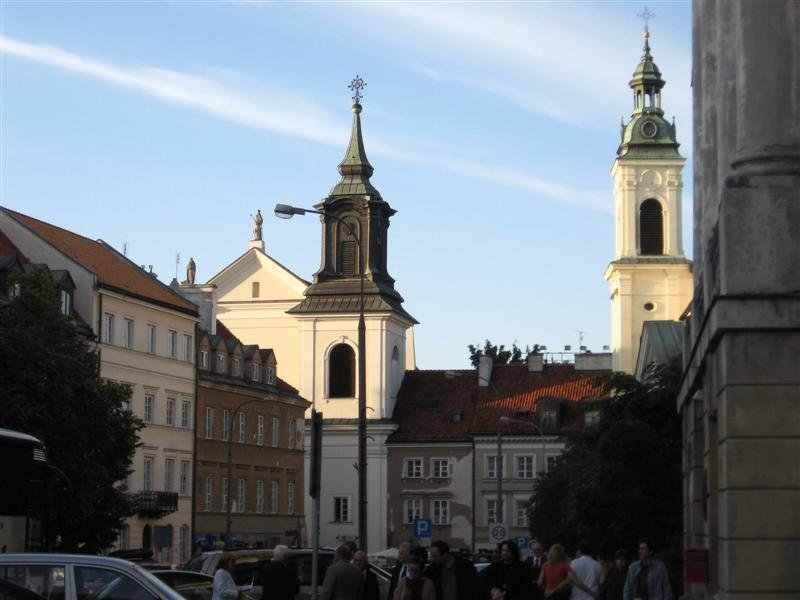
St. Hyacinth’s Church (Kościół św. Jacka) stands as a spiritual and architectural landmark in Warsaw’s New Town. Founded by the Dominican Order in the early 17th century, it is one of the city’s oldest Baroque churches, bearing witness to Poland’s religious devotion, artistic heritage, and historical resilience. This detailed guide provides practical information for visitors, including opening hours, admission policies, accessibility, travel tips, and highlights of the church’s cultural and historical significance. For further details, consult the official parish website, Warsaw Tourism Board, or explore virtual resources (publ.actual-art.org; Wikipedia; Everything Explained).



Foundation and Development
St. Hyacinth’s Church was established by the Dominican Order, who arrived in Warsaw in the early 1600s. Construction began in 1603, with the foundation stone laid in 1605, and was completed by 1638 (publ.actual-art.org). The church is dedicated to St. Hyacinth (Św. Jacek Odrowąż), a Polish Dominican canonized in 1594, reflecting the Dominicans’ mission during the Counter-Reformation to strengthen Catholic faith in the region.
Architectural Evolution
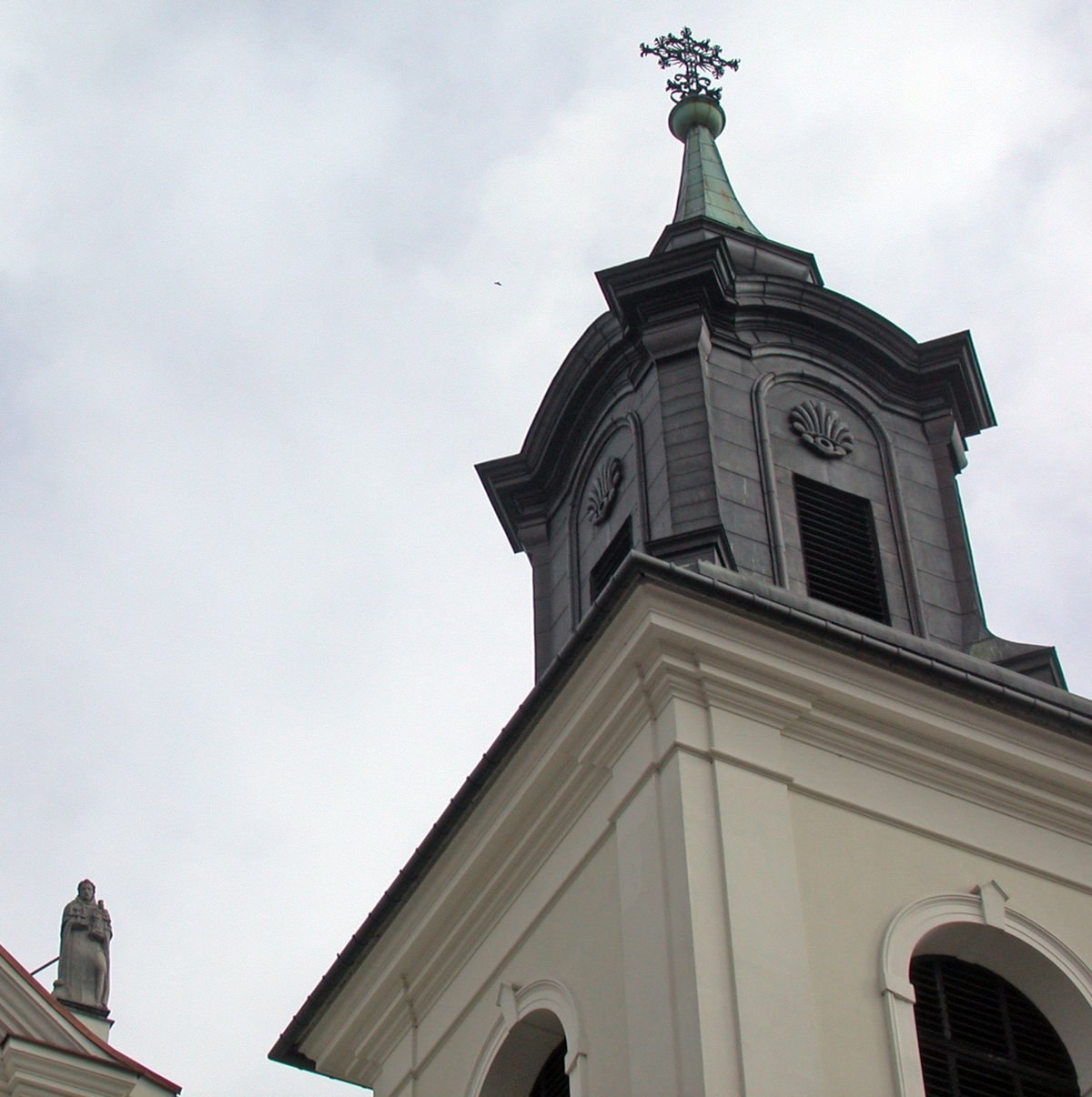
Although primarily Baroque, the church integrates post-Gothic elements, such as pointed arches and ribbed vaults, referencing the Dominican Order’s medieval roots (publ.actual-art.org). Baroque influences, especially from the 17th and 18th centuries, are visible in the ornate interiors and chapels. Notably, the St. Dominic Chapel, designed by Tylman van Gameren in 1690, features elaborate stucco and marble altar pieces (Wikipedia).
The church suffered substantial damage during the Swedish Deluge in the 17th century and World War II, particularly after the 1944 Warsaw Uprising when it served as a hospital and shelter. Postwar reconstruction in the 1950s restored its historical appearance (Warsaw Uprising Museum).
Cultural and Religious Role
St. Hyacinth’s Church has long been a center for preaching, education, and community events. It houses tombs and epitaphs of notable Warsaw residents, including rare 17th-century Armenian inscriptions, reflecting the city’s diverse social fabric (Everything Explained). The church remains a focal point for annual commemorations, especially honoring those who perished during the Warsaw Uprising.
Artistic Heritage and Interior Features
- Main Altar: Dedicated to St. Hyacinth, this Baroque altar is the focal point, adorned with a prominent painting and intricate gilding.
- St. Dominic Chapel: Renowned for its black marble altar, wooden Ecce Homo statue by Antoni Osiński, and sophisticated stucco work (Everything Explained).
- Historic Tombs and Epitaphs: Includes the tomb of Katarzyna Ossolińska (1607), Anna Tarnowska’s marble tomb (c. 1616), and Armenian-language epitaphs for Jakub Minasowicz and his wife (Wikipedia).
- Memorials: Plaques and the crypt commemorate WWII victims and the 1944 massacre (Warsaw Uprising Museum).
- Interior Design: Post-war restoration features serene white walls, brightening the nave and chapels while preserving the church’s tranquil ambiance.
Visiting Information
Opening Hours
- General Hours:
- Monday to Saturday: 9:00 AM – 6:00 PM
- Sunday: 7:30 AM – 7:00 PM
- Seasonal Variations: Hours may change for holidays or special liturgies. Always confirm via the official website or Warsaw Tourism Board.
Admission and Tickets
- Entry: Free for all visitors and worshippers.
- Donations: Appreciated to support church maintenance and restoration.
- Guided Tours: Available by prior arrangement via the parish or local tourism offices. Fees may apply for group tours.
Accessibility
- Wheelchair Access: The main entrance is step-free and suitable for wheelchairs and strollers, though the church sits slightly below street level (InTravel).
- Assistance: Staff are available to help visitors with special needs; advance notice is recommended.
Tours and Events
- Guided Tours: Often included in Warsaw walking tours. Private or thematic tours can be arranged (The Thorough Tripper).
- Religious Services: Daily Mass, confession, and special ceremonies, especially on St. Hyacinth’s feast day (August 17).
- Concerts and Exhibitions: The church periodically hosts sacred music performances and art exhibitions.
Directions and Nearby Attractions
- Address: ul. Freta 8/10, Warsaw, Poland
- Public Transport: Buses 116 and 180 stop nearby; Ratusz Arsenał Metro Station is a 15-minute walk (Warsaw Public Transport).
- Parking: Limited street parking; public garages are recommended.
- Nearby Sites:
- Warsaw Barbican
- Old Town Market Square
- St. John’s Archcathedral
- Royal Castle
- Marie Skłodowska-Curie Museum
- Museum of Warsaw
- Museum of Illusions (Lonely Planet)
Visitor Etiquette
- Dress Code: Modest attire required—shoulders and knees covered, hats removed.
- Conduct: Silence is expected during services and in prayer spaces.
- Photography: Permitted without flash, except during Mass or special events.
- Groups: Parties of 10+ should notify the parish in advance, especially for tours.
Frequently Asked Questions (FAQ)
Q: What are the visiting hours of St. Hyacinth’s Church?
A: Monday to Saturday 9:00 AM–6:00 PM, Sunday 7:30 AM–7:00 PM (confirm for holidays).
Q: Is there an entrance fee?
A: No, entry is free. Donations are appreciated.
Q: Are guided tours available?
A: Yes, by prior appointment or as part of local walking tours.
Q: Is the church accessible for visitors with disabilities?
A: Yes, the main entrance is step-free and staff can assist.
Q: Can I take photographs inside?
A: Yes, but without flash and not during services.
Q: What’s the best way to reach the church?
A: Use public transit or walk from the Old Town; limited street parking is available.
Listen to the full story in the app
The whole St. Hyacinth'S Church,
told well.
Audio guides for 1,100+ cities across 96 countries. History, stories, and local insight — offline ready.
Verified, and shown.
Researched and written by the Audiala editorial team from historical records, architectural archives, and local expertise.
Hyacinth’s Church in Warsaw: History, Tickets, and Tips, 2024, Actual Art Journal
Hyacinth’s Church Warsaw: Visiting Hours, Tickets & Architectural Highlights, 2024, Wikipedia & Lonely Planet , ,
Hyacinth’s Church in Warsaw: History, Hours, Tickets, and More, 2024, Warsaw Uprising Museum & Dominican Order Poland , ,
Hyacinth’s Church in Warsaw, 2024, The Thorough Tripper & InTravel ,
Researched from Wikidata, Wikipedia & official sources · fact-checked · How we make our guides →