Plan and listen to Soviet Military Cemetery with Audiala.
Audio guide in your pocket, itinerary in your browser. Built for the way you actually visit.
Introduction
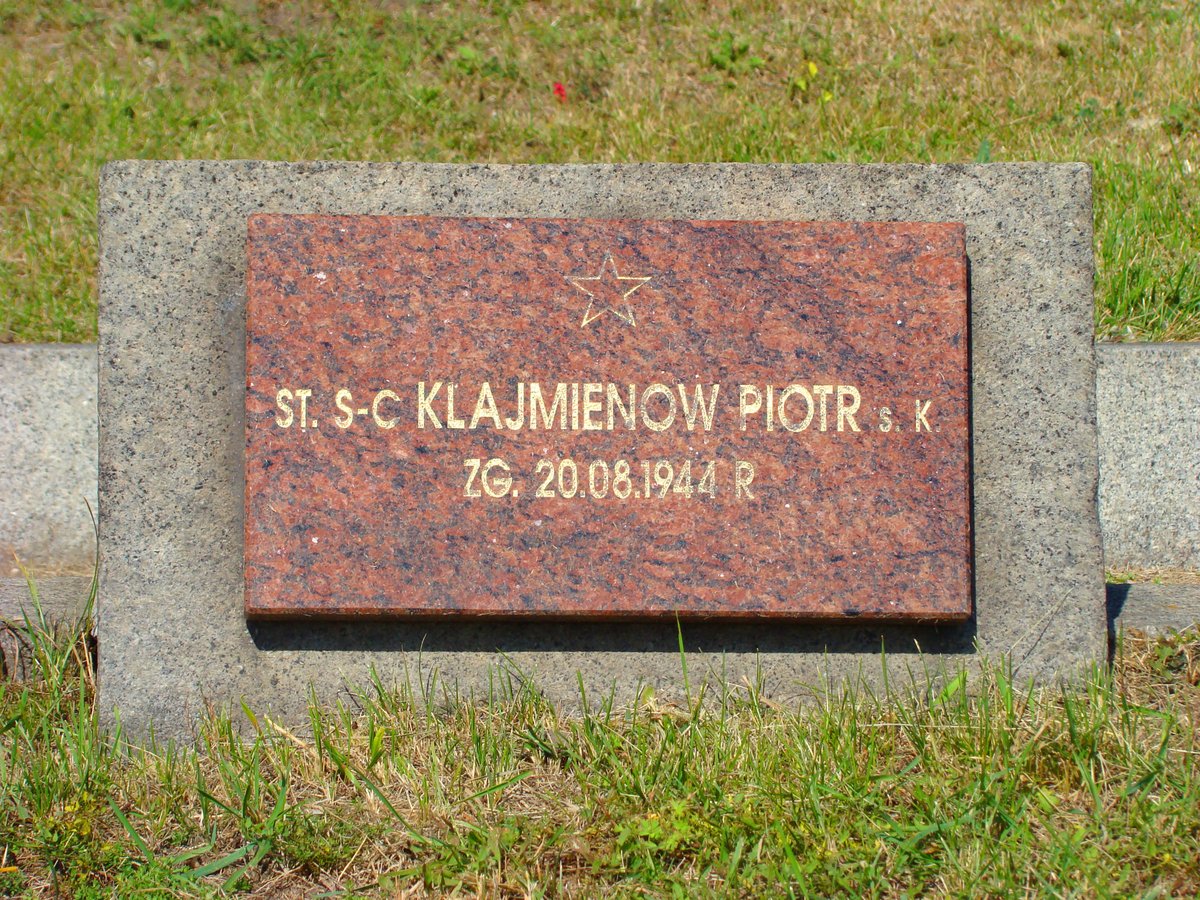
The Soviet Military Cemetery in Warsaw, officially known as the Mausoleum Cemetery of the Soviet Soldiers (Polish: Cmentarz Mauzoleum Żołnierzy Radzieckich), is one of Poland's largest and most significant war cemeteries. Located on Żwirki i Wigury Street in the Mokotów district, the cemetery commemorates over 21,000 Soviet soldiers who perished during the liberation of Warsaw in 1944–1945. Established between 1949 and 1950, it not only memorializes the Red Army’s sacrifices but also reflects the complex and sometimes contentious historical and political relationship between Poland and the Soviet Union (ScienceDirect; IPN Poland).

Origins and Construction
The cemetery was constructed in the early years of the Polish People’s Republic and is the final resting place for soldiers from the Red Army’s 1st Belorussian Front, who played a pivotal role in liberating Warsaw from Nazi occupation (IPN Poland). Its establishment served both a commemorative function and a propagandistic purpose, reinforcing Soviet influence in postwar Poland (ScienceDirect; Politika.io).
Political and Social Context
The cemetery is a symbol of both gratitude for the Red Army’s role in ending Nazi rule and the subsequent imposition of Soviet political dominance. For decades, it hosted official ceremonies and was integral to the communist-era narrative of liberation (Warsaw Institute; Davis Center). After 1989, its meaning became more contested as Poland reassessed its history and relationship with the Soviet Union (Wikipedia).
Architectural Features and Symbolism
The cemetery is a striking example of Soviet monumental architecture and socialist realist landscape design. Its symmetrical layout features broad ceremonial avenues, three terraces, and a towering 35-meter granite obelisk crowned by a red star (TracesOfWar; Wikipedia). Reliefs and sculptures at the entrance, created by Jerzy Jarnuszkiewicz and Stanisław Lisowski, depict Red Army soldiers and scenes of liberation. The site includes 834 graves—294 individual and 540 mass graves—emphasizing collective sacrifice (ScienceDirect).
Surrounding the cemetery, landscape architect Władysław Niemirski designed a tranquil park-like setting with diverse trees and greenery, preserved even against proposed developments, maintaining the cemetery’s solemn atmosphere.
Visiting Information
Hours and Entry
- Opening Hours: Daily from 8:00 AM until dusk (approximately 6:00 PM in winter; later in summer).
- Tickets: Entry is free; no ticket is required (InYourPocket).
- Best Times to Visit: Spring and early summer offer pleasant weather and vibrant landscapes.
Accessibility
- Wheelchair Access: Main paths are paved and suitable for wheelchairs. Some terraces may have steps, so full access may require assistance.
- Restrooms: No public toilets onsite; nearby cafes and parks offer facilities.
- Travel Tips: Dress for weather, wear comfortable shoes, and bring water, as there are no refreshments available within the grounds.
Getting There
- Public Transport: The cemetery is accessible by tram and bus lines serving Żwirki i Wigury Street and the Mokotów district (Warsaw public transport).
- By Car: Limited street parking is available, but public transport is recommended due to city traffic and parking restrictions.
Nearby Attractions
- Łazienki Park
- Warsaw Uprising Museum (Warsaw Uprising Museum)
- Pole Mokotowskie Park
- Powązki Military Cemetery
These sites allow visitors to deepen their understanding of Warsaw’s WWII history and postwar legacy.
Photography and Conduct
- Photography: Personal photography is permitted. Commercial or drone photography requires city permission.
- Etiquette: Maintain respectful behavior, speak quietly, and avoid climbing on monuments or headstones. Refrain from eating, drinking, or bringing pets (except service animals).
Legal Protection and Preservation
The cemetery is protected under Polish law and international agreements, obligating the state to maintain the site respectfully (IPN Poland). Despite political changes and ongoing debates, it remains preserved as a historical monument.
Controversy and Memory Politics
The cemetery occupies a unique place in Poland’s landscape of remembrance. While some see it as a place of honor, others view it as a symbol of Soviet domination. Periodic incidents—such as protests on Victory Day or acts of vandalism—underscore the ongoing sensitivity surrounding its legacy (Meduza; Politika.io). Nonetheless, its preservation is required by international agreements, and city authorities stress respectful conduct.
Environmental and Community Considerations
The cemetery is a green urban oasis with mature trees and seasonal flowers. Visitors should remain on marked paths to protect the landscaping. Smoking is prohibited, and littering is strongly discouraged.
Frequently Asked Questions (FAQ)
Q: What are the Soviet Military Cemetery visiting hours?
A: The cemetery is open daily from 8:00 AM until dusk.
Q: Is there an entrance fee or ticket required?
A: No, entry is free for all visitors.
Q: Is the cemetery accessible to people with disabilities?
A: Yes, main pathways are wheelchair accessible, but some areas involve steps.
Q: Are guided tours available?
A: No official tours onsite, but local operators offer WWII-themed tours that include the cemetery.
Q: Can I take photographs?
A: Yes, personal photography is allowed. For commercial photography or drones, permission is required.
Q: How do I get there using public transport?
A: Multiple tram and bus lines serve the Mokotów district and Żwirki i Wigury Street (Warsaw public transport).
Final Tips for Visitors
- Combine your visit with nearby historical sites for a broader perspective on Warsaw’s wartime and postwar experiences.
- Dress modestly and wear comfortable shoes, as the grounds are extensive.
- Be aware of official ceremonies or closures, especially around May 9th (Victory Day) and November 1st (All Saints’ Day).
- Use translation apps as English signage is limited.
- Approach the site with respect, acknowledging its complex history.
Listen to the full story in the app
The whole Soviet Military Cemetery,
told well.
Audio guides for 1,100+ cities across 96 countries. History, stories, and local insight — offline ready.
Verified, and shown.
Researched and written by the Audiala editorial team from historical records, architectural archives, and local expertise.
Researched from Wikidata, Wikipedia & official sources · fact-checked · How we make our guides →