Plan and listen to Służew Cemetery with Audiala.
Audio guide in your pocket, itinerary in your browser. Built for the way you actually visit.
Introduction to Służew Cemetery
Located between the Mokotów and Ursynów districts of Warsaw, Służew Cemetery stands as a tranquil testament to the city’s layered history, cultural richness, and evolving social fabric. Established in the early 20th century to serve Warsaw’s growing population, this Roman Catholic cemetery is more than a place of rest—it is a living chronicle of the capital’s urban development and community life. For visitors interested in history, genealogy, or unique cultural experiences, Służew Cemetery offers a peaceful setting adorned with architectural artistry and poignant memorials that reflect Warsaw’s tumultuous 20th-century history and enduring traditions.
The cemetery’s park-like landscape—characterized by mature trees, shaded paths, and an array of traditional and modern funerary art—embodies the modern “multiuse cemetery paradigm,” serving as both a cultural landmark and a green urban oasis (ScienceDirect). Easily accessible by public transport, with free admission and basic facilities, Służew Cemetery is also in proximity to landmarks such as St. Catherine’s Church and Służew Park. For genealogists, the cemetery’s archival records are invaluable for tracing the history of Warsaw’s families (Find a Grave, My Polish Ancestors).
This guide covers Służew Cemetery’s history, architectural highlights, visiting hours, travel tips, cultural etiquette, and resources for genealogical research, ensuring a meaningful and well-prepared visit.
Służew Cemetery, sometimes referred to as "Nowy cmentarz na Służewie," was established in 1900 as Warsaw expanded beyond its historical center (Find a Grave). Its creation was part of a broader trend in Polish cities, aligning with new urban planning ideals that prioritized organized, multi-functional necropolises. Over the decades, the Służew district transformed from rural outskirts to an integral part of the capital, with the cemetery marking this shift.

Origins and Development
Founded at the turn of the 20th century, Służew Cemetery responded to the need for new burial grounds as Warsaw’s population grew. The district’s integration into the city’s urban pattern reflected modernization and the emergence of new residential neighborhoods. The cemetery thus stands as a marker of Warsaw’s transformation and the region’s social evolution (Find a Grave).
Architectural and Artistic Features
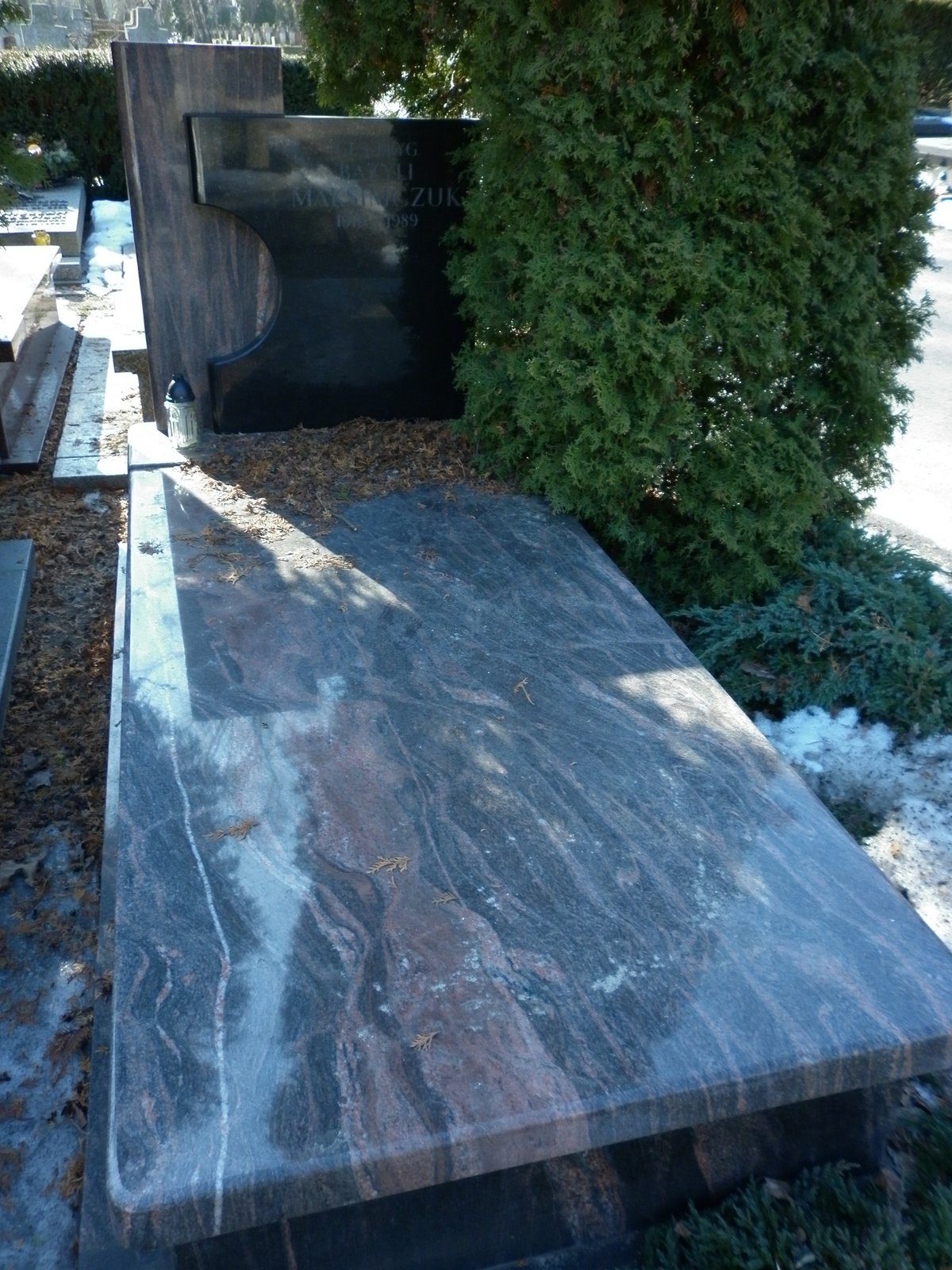
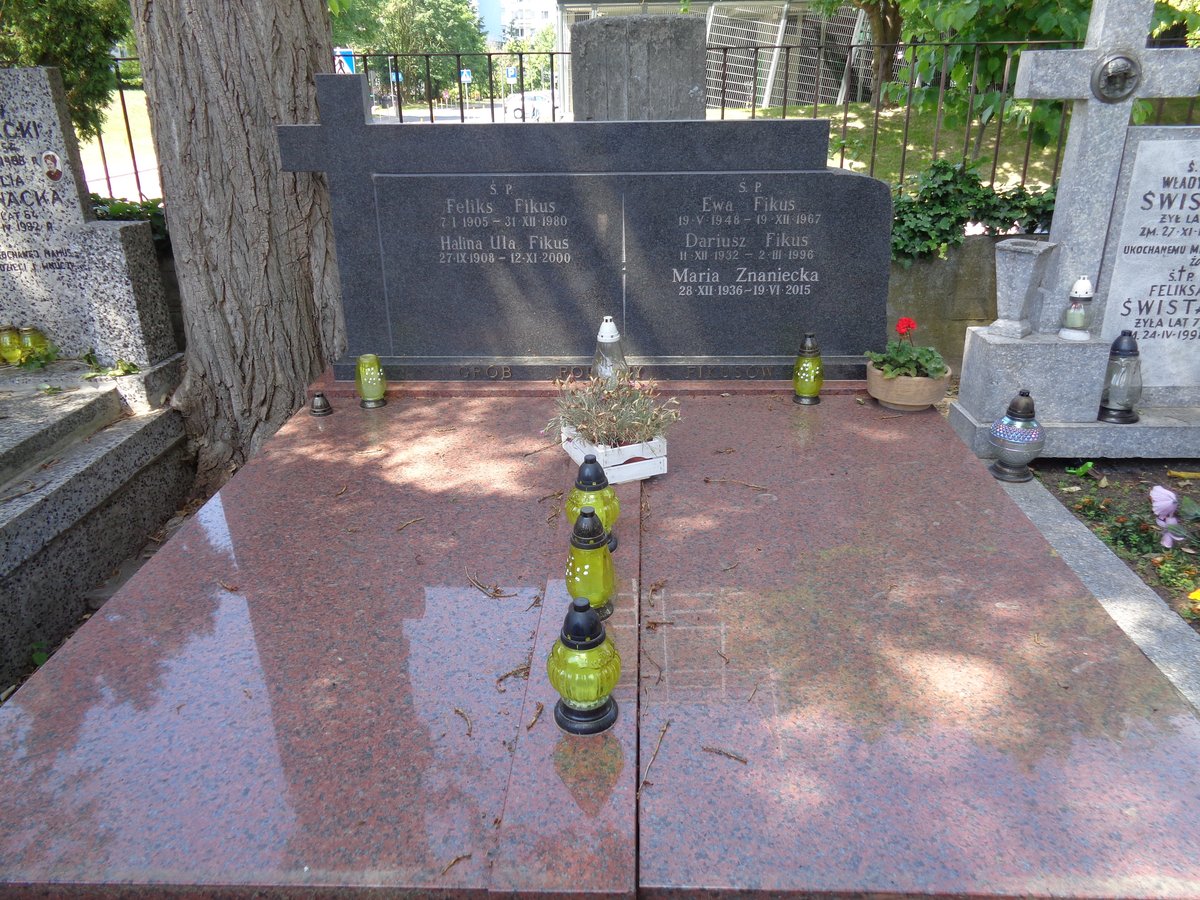
Though less grand than Warsaw’s famous Powązki Cemetery, Służew features orderly rows of graves, tree-lined lanes, and a harmonious blend of traditional Polish and modern funerary art (ScienceDirect). Visitors can observe:
- Traditional Headstones: Crosses, angels, and religious motifs.
- Modern Memorials: Minimalist styles using contemporary materials.
- Family Mausoleums: Small chapels, often adorned with stained glass and wrought ironwork.
These features create a reflective, park-like atmosphere ideal for contemplative walks.
Social and Urban Significance
Służew Cemetery is a chronicle of Warsaw’s 20th-century upheavals and transformations, bearing witness to world wars, political changes, and the city’s reconstruction. Unlike cemeteries for national heroes, Służew remembers ordinary citizens, local clergy, educators, veterans, and families whose lives shaped the southern districts (Webot.org).
Visiting Hours, Tickets, and Accessibility
- Opening Hours: Daily, 8:00 AM to 6:00 PM; extended hours may apply during All Saints’ Day (1 November) and major holidays.
- Entrance Fee: Free of charge; no ticket required.
- Accessibility: The cemetery is reachable by multiple bus and tram lines. Most paths are flat and accessible, but some older sections may be uneven.
For up-to-date information, consult Warsaw Tourist Information.
Travel Tips and Visitor Recommendations
- Best Time to Visit: Early morning or late afternoon for quiet ambiance and optimal lighting for photography.
- Nearby Attractions: St. Catherine’s Church, Służew Park, and local eateries.
- Special Events: All Saints’ Day transforms the cemetery with thousands of candles and visitors (ITS Poland).
Travelers should use public transportation to avoid limited parking near the site, especially during holidays.
Cemetery as Urban Green Space
Służew Cemetery exemplifies the “multiuse cemetery paradigm,” serving as a green urban oasis, historical site, and cultural venue (ScienceDirect). Its lush landscaping and biodiversity make it a valuable refuge within Warsaw’s cityscape.
Notable Burials
Służew Cemetery is the final resting place for a range of community figures:
- Academics, Artists, and Writers: Local educators and cultural contributors.
- War Veterans and Resistance Fighters: Especially from WWII and the Warsaw Uprising.
- Clergy and Religious Leaders: Important to Służew’s parish community.
Family plots and generational burials are common, reflecting Polish traditions of grave renewal and maintenance (Polish Genealogist).
Preservation and Visitor Experience
Managed by the Roman Catholic Church with community support, the cemetery is well maintained and preserved. Photography is allowed for personal use—discreet and respectful conduct is expected. The tranquility of the grounds makes it a retreat from the city (Find a Grave).
Służew Cemetery in Warsaw’s Necropolis Network
Though less internationally known than Powązki or Bródno, Służew Cemetery is a vital chapter in Warsaw’s network of necropolises, connecting personal and collective histories (In Your Pocket).
Cultural Etiquette and Traditions
- Behavior: Quiet, respectful conduct is essential; avoid loud conversation or disruptive actions.
- Dress: Modest attire is encouraged, particularly during holidays or funerals.
- Offerings: Bringing flowers or candles is traditional, especially on All Saints’ Day (Over Your Place).
- Photography: Allowed for personal use—do not photograph mourners or ceremonies without permission.
- Funerals: Maintain distance and remove hats as a sign of respect.
- Language: Polish is the primary language; simple greetings (“Dzień dobry,” “Dziękuję”) are appreciated (Key to Poland).
Genealogical Research Guide
Służew Cemetery is a valuable resource for family historians:
- Parish Sacramental Registers: Baptism, marriage, and burial records are maintained by the parish (My Polish Ancestors).
- Civil Registration Offices: Provide birth, marriage, and death certificates (Five to Europe).
- Digital Databases: Use GROBONET, Find A Grave, and Polish State Archives.
- Assistance: Local genealogy societies and professional researchers offer guidance (Guide Poland).
- Tips: Prepare names, dates, and parish information; expect records in Polish, Latin, or Russian—translation services are available.
Frequently Asked Questions (FAQ)
Q: What are the opening hours?
A: 8:00 AM to 6:00 PM daily; hours may be extended during holidays.
Q: Is there an entrance fee?
A: No, entry is free.
Q: Are guided tours available?
A: Occasionally, through local organizations or historical societies; inquire in advance.
Q: How do I find a specific grave?
A: Use GROBONET, Find A Grave, or consult the cemetery/parish office.
Q: Is the cemetery wheelchair accessible?
A: Main paths are accessible; some areas may be uneven.
Q: Can I visit during All Saints’ Day?
A: Yes, but expect crowds and extended hours.
Q: Is personal photography allowed?
A: Yes, if done respectfully.
Summary and Visitor Recommendations
Służew Cemetery offers a unique window into Warsaw’s history, religious traditions, and communal memory. Its well-kept grounds, cultural significance, and genealogical resources make it an essential destination for those interested in Polish heritage. Visitors benefit from free admission, easy access, and a peaceful environment. Special events like All Saints’ Day highlight the cemetery’s living traditions and vibrant community role (ITS Poland, Over Your Place).
Plan your visit to experience the stories, art, and serenity that Służew Cemetery offers. For guided tours and updates, download the Audiala app and follow Warsaw’s cultural heritage channels online.
Listen to the full story in the app
The whole Służew Cemetery,
told well.
Audio guides for 1,100+ cities across 96 countries. History, stories, and local insight — offline ready.
Verified, and shown.
Researched and written by the Audiala editorial team from historical records, architectural archives, and local expertise.
Researched from Wikidata, Wikipedia & official sources · fact-checked · How we make our guides →