Plan and listen to Śląsko-Dąbrowski Bridge with Audiala.
Audio guide in your pocket, itinerary in your browser. Built for the way you actually visit.
Introduction to Warsaw’s Historical Sites
Warsaw, the dynamic capital of Poland, is a city defined by its profound history, cultural wealth, and remarkable resilience. From its humble beginnings as a riverside settlement to its evolution as a political and cultural powerhouse, Warsaw’s heritage is visible at every turn (en.um.warszawa.pl). The city’s medieval roots, periods of grandeur, and survival through adversity—from foreign occupations to near-total destruction during World War II—have shaped a metropolis where history and modernity coexist harmoniously (culture.pl; staypoland.com).
Today, Warsaw invites visitors to explore its UNESCO-listed Old Town, iconic royal landmarks, poignant museums, and vibrant neighborhoods. This comprehensive guide covers everything you need to plan your visit: historical context, practical visitor information, travel tips, accessibility details, and recommendations for enriching your experience. Whether you’re a history enthusiast or a casual traveler, Warsaw offers a unique journey through centuries of transformation and resilience (thetraveltinker.com; makemytrip.com).


Medieval Origins and Early Development
Warsaw’s history begins in the 12th and 13th centuries as a small fishing village along the Vistula River (en.um.warszawa.pl). Its strategic location led to gradual growth and fortification, setting the stage for future prominence. A pivotal moment came in 1596 when King Sigismund III Vasa moved the Polish capital from Kraków to Warsaw, leveraging its central position within the Polish-Lithuanian Commonwealth (staypoland.com).
The Golden Age: Flourishing Arts and Sciences
The 17th and 18th centuries marked Warsaw’s cultural and intellectual “Golden Age.” Architectural masterpieces arose, the arts flourished, and Warsaw became a hub for scientific and artistic innovation, attracting figures such as Nicolaus Copernicus and Frédéric Chopin (staypoland.com). The Royal Castle and the ceremonial Royal Route exemplify this era’s grandeur (makemytrip.com).
Times of Turmoil: Partitions and Foreign Rule
The late 18th-century partitions of Poland brought turmoil, dividing the country among Russia, Prussia, and Austria. Warsaw endured shifting allegiances, repression, and uprisings—including the November (1830–1831) and January (1863–1864) uprisings—yet remained a bastion of Polish identity and cultural life (staypoland.com).
World Wars and the Interwar Period
World War I introduced further hardship, but Poland’s independence in 1918 saw Warsaw restored as the national capital. The interwar years brought modernization, population growth, and a thriving multicultural atmosphere (staypoland.com).
World War II: Destruction and Resistance
World War II devastated Warsaw. Nearly 90% of the city was destroyed, and the Warsaw Ghetto became the scene of immense tragedy and heroic resistance, culminating in the 1943 Ghetto Uprising (culture.pl; infobus.eu). The 1944 Warsaw Uprising was a bold attempt to reclaim the city, but brutal suppression led to enormous loss of life and further destruction (chandlerstravel.com).
Postwar Reconstruction and the Socialist Era
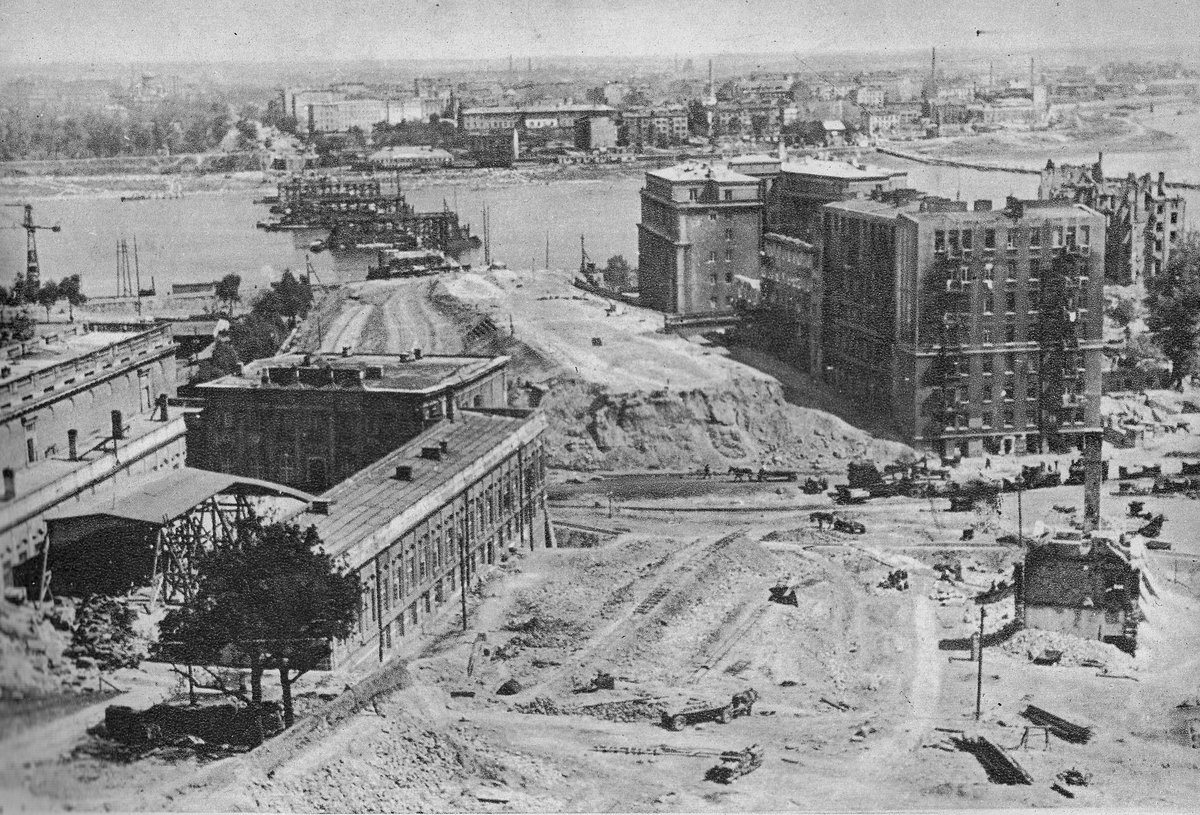
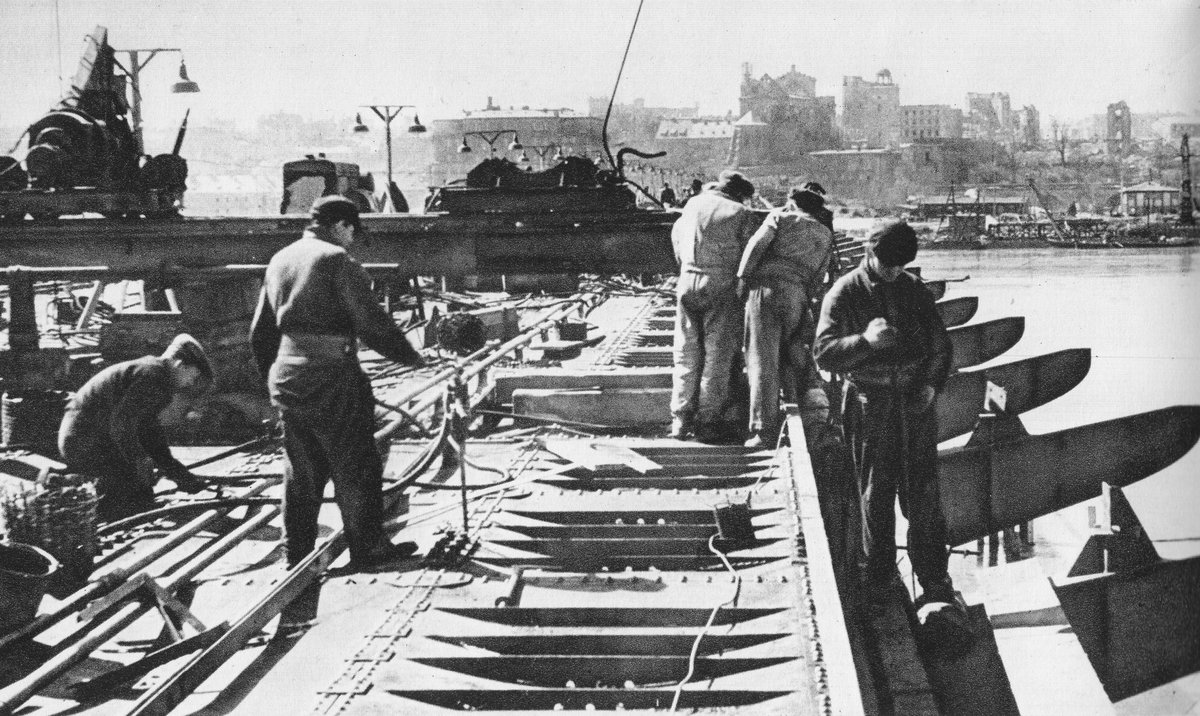
After 1945, Warsaw’s population returned to rebuild their city. The Old Town was meticulously reconstructed using original plans and artwork, earning UNESCO World Heritage status in 1980 (en.um.warszawa.pl). Much of the rest of the city was rebuilt in socialist realist style, notably the Palace of Culture and Science (en.um.warszawa.pl). The city was also the site of the pivotal 1989 Round Table Talks, leading to Poland’s peaceful transition from communism to democracy.
Contemporary Warsaw: Renewal and Modern Identity
Modern Warsaw dazzles with a blend of restored historical landmarks and contemporary architecture (thebrokebackpacker.com). The city is a center for education, culture, and commerce, with a vibrant arts scene and diverse culinary offerings (infobus.eu; thetraveltinker.com). Resilience and renewal are woven into the city’s identity—visible in its museums, public spaces, and daily life.
Key Historical Landmarks: Visiting Hours and Ticket Information
Old Town (Stare Miasto)
- Overview: Faithfully reconstructed post-WWII; UNESCO World Heritage Site (thebrokebackpacker.com)
- Visiting Hours: Open 24/7 (public spaces)
- Tickets: Free; museums may charge entry
Royal Castle
- Overview: Symbol of Polish statehood; reconstructed in the 1980s (makemytrip.com)
- Visiting Hours: Tuesday–Sunday, 10:00 AM–6:00 PM; closed Mondays
- Tickets: ~30 PLN; discounts for students/seniors. Book online at Royal Castle Official Site
Palace of Culture and Science
- Overview: Icon of the socialist era, completed in 1955
- Visiting Hours: Daily, 8:00 AM–8:00 PM
- Tickets: Observation deck ~20 PLN
Warsaw Uprising Museum
- Overview: Immersive exhibits on the 1944 uprising (thetraveltinker.com)
- Visiting Hours: Tuesday–Sunday, 10:00 AM–6:00 PM; closed Mondays
- Tickets: ~25 PLN
POLIN Museum of the History of Polish Jews
- Overview: Chronicles 1,000 years of Jewish life in Poland (thetraveltinker.com)
- Visiting Hours: Tuesday–Sunday, 10:00 AM–6:00 PM; closed Mondays
- Tickets: ~30 PLN
Łazienki Park and Palace
- Park: Open daily, 6:00 AM until dusk; free entrance
- Palace: Tuesday–Sunday, 10:00 AM–6:00 PM; ticketed entry (~25 PLN)
- Official site: Lazienki Park
Wilanów Palace
- Visiting Hours: Tuesday–Sunday, 9:00 AM–6:00 PM
- Tickets: ~35 PLN
- Official site: Wilanów Palace
National Museum
- Visiting Hours: Tuesday–Sunday, 10:00 AM–6:00 PM
- Tickets: 30 PLN
- Official site: National Museum Warsaw
Chopin Museum
- Visiting Hours: Tuesday–Sunday, 10:00 AM–6:00 PM
- Tickets: 25 PLN
- Official site: Chopin Museum
Warsaw Barbican and City Walls
- Visiting Hours: Open year-round; free
Travel Tips and Accessibility
- Accessibility: Major museums and sites provide wheelchair access; check individual sites for details. Some Old Town cobblestones may be challenging.
- Guided Tours: Available at most landmarks in multiple languages; online booking advised.
- Best Time to Visit: Spring (April–June) and early autumn (September–October) for mild weather and fewer crowds.
- Photography: Early morning or sunset is best for capturing key monuments and vibrant facades.
Nearby Attractions and Guided Tours
- Wilanów Palace: Baroque royal residence
- Łazienki Park: Gardens, palaces, and outdoor Chopin concerts (May–September)
- Vistula Boulevards: Riverside walks and cycling
- Praga District: Bohemian art, galleries, and nightlife
- Walking and bike tours: Themed tours available, including Jewish heritage and WWII history
Frequently Asked Questions (FAQ)
Q: What are the typical opening hours for Warsaw’s historical sites?
A: Most museums and palaces open from 10:00 AM to 6:00 PM, closed Mondays. Outdoor sites like Old Town are open 24/7.
Q: How much do tickets cost?
A: Entry fees range from 20–35 PLN for major sites; outdoor areas are free.
Q: Are sites accessible for wheelchair users?
A: Many attractions are accessible; Old Town streets may have cobblestones.
Q: When is the best season to visit?
A: Spring and early autumn offer pleasant weather and thinner crowds.
Q: Are guided tours available in English?
A: Yes, most major sites and tour operators offer English-language guides.
Practical Tips for Visiting the Royal Castle and Historical Monuments
- Tickets: Buy online in advance to avoid queues (Royal Castle Official Site).
- Guided Tours: Enhance your visit with expert insights; tours available in multiple languages.
- Photo Opportunities: Castle Square, the Royal Route, and Łazienki Park offer iconic views.
- Getting Around: Metro (Ratusz Arsenał station), trams, and buses serve Old Town and most landmarks.
- Visitor Facilities: Restrooms and cafés are available at major monuments.
- Tourist Passes: The Warsaw Tourist Card includes museum access and public transport benefits.
- Safety: Warsaw is generally safe; exercise standard precautions in crowded areas.
- Weather: Pack comfortable shoes and dress for the season.
Summary: Key Points for a Memorable Visit
Warsaw’s historical sites—from the UNESCO-listed Old Town and Royal Castle to the Warsaw Uprising Museum and POLIN—offer profound encounters with the city’s resilient spirit (en.um.warszawa.pl; thetraveltinker.com). Prepare by checking opening hours, booking tickets online, and planning guided tours for deeper understanding. Take time to explore nearby attractions, enjoy local cuisine, and attend seasonal festivals. For up-to-date information and digital tools, download the Audiala app and consult official tourism resources (staypoland.com; makemytrip.com).
Discover More
Ready to explore Warsaw’s rich history? Download the Audiala app for guided audio tours, live event updates, and exclusive tips. Follow us on social media and discover more guides on Warsaw’s monuments, museums, and hidden gems. Make your Warsaw experience truly unforgettable!
Listen to the full story in the app
The whole Śląsko-Dąbrowski Bridge,
told well.
Audio guides for 1,100+ cities across 96 countries. History, stories, and local insight — offline ready.
Verified, and shown.
Researched and written by the Audiala editorial team from historical records, architectural archives, and local expertise.
Researched from Wikidata, Wikipedia & official sources · fact-checked · How we make our guides →