Plan and listen to Sejm And Senate Complex Of Poland with Audiala.
Audio guide in your pocket, itinerary in your browser. Built for the way you actually visit.
Introduction: Why Visit the Sejm and Senate Complex?
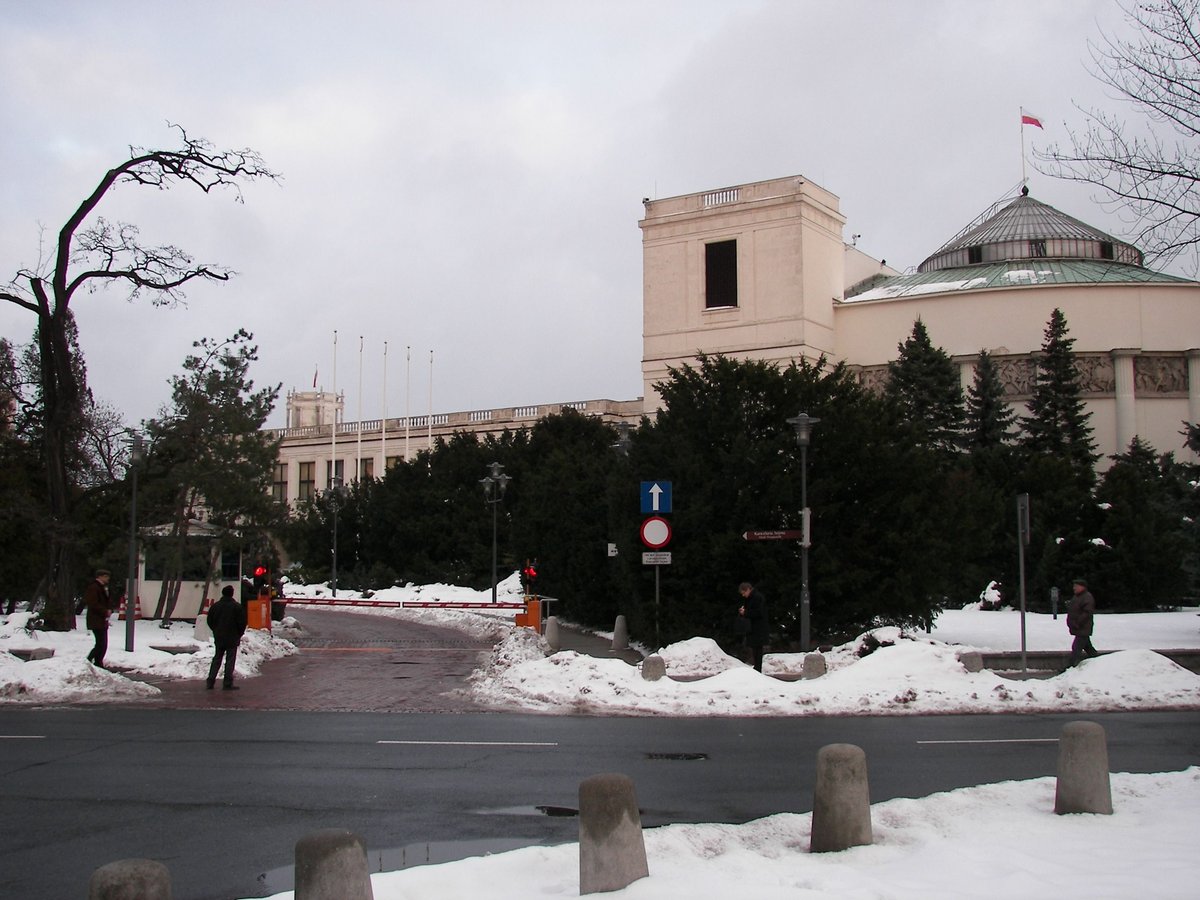
The Sejm and Senate Complex is the epicenter of Polish political life and a testament to the nation’s enduring democratic values. Located at ul. Wiejska 4/6/8 in Warsaw, this historic complex is not just the home of Poland's bicameral parliament—it is a living chronicle of the country’s turbulent history and resilient spirit. Visitors can explore striking architectural features, learn about centuries of legislative tradition, and witness the very halls where landmark decisions shaping modern Poland have been made.
Whether you are a history buff, a student of political science, or a curious traveler, this guide provides everything you need to know about planning a visit, including historical context, architectural highlights, visitor logistics, and practical travel advice. The Sejm and Senate Complex welcomes guests eager to delve into Poland’s governmental heart and experience its heritage firsthand (Wikipedia; whitemad.pl).

Historical Overview
The parliamentary tradition in Poland traces its roots to the medieval era, with the first assemblies (wiece) as early as the 12th century. The term "Sejm" itself comes from the Proto-Lechitic word for "gathering." By the 15th century, the Sejm had evolved into one of Europe’s earliest and most influential legislative bodies, eventually forming a bicameral system with the Chamber of Deputies and the Senate. The Polish–Lithuanian Commonwealth (1569–1795) further cemented the Sejm and Senate as the cornerstone of constitutional monarchy.
After Poland regained independence in 1918, the complex was adapted for parliamentary use, and its institutions resumed their central roles. The communist era saw the temporary abolition of the Senate (1946–1989), but bicameralism was restored with democratic reforms. Today, both chambers function according to the 1997 Constitution: the Sejm comprises 460 deputies, and the Senate 100 senators, together shaping the laws and future of Poland (Wikipedia; polskakultura.com).
Location and Architectural Significance
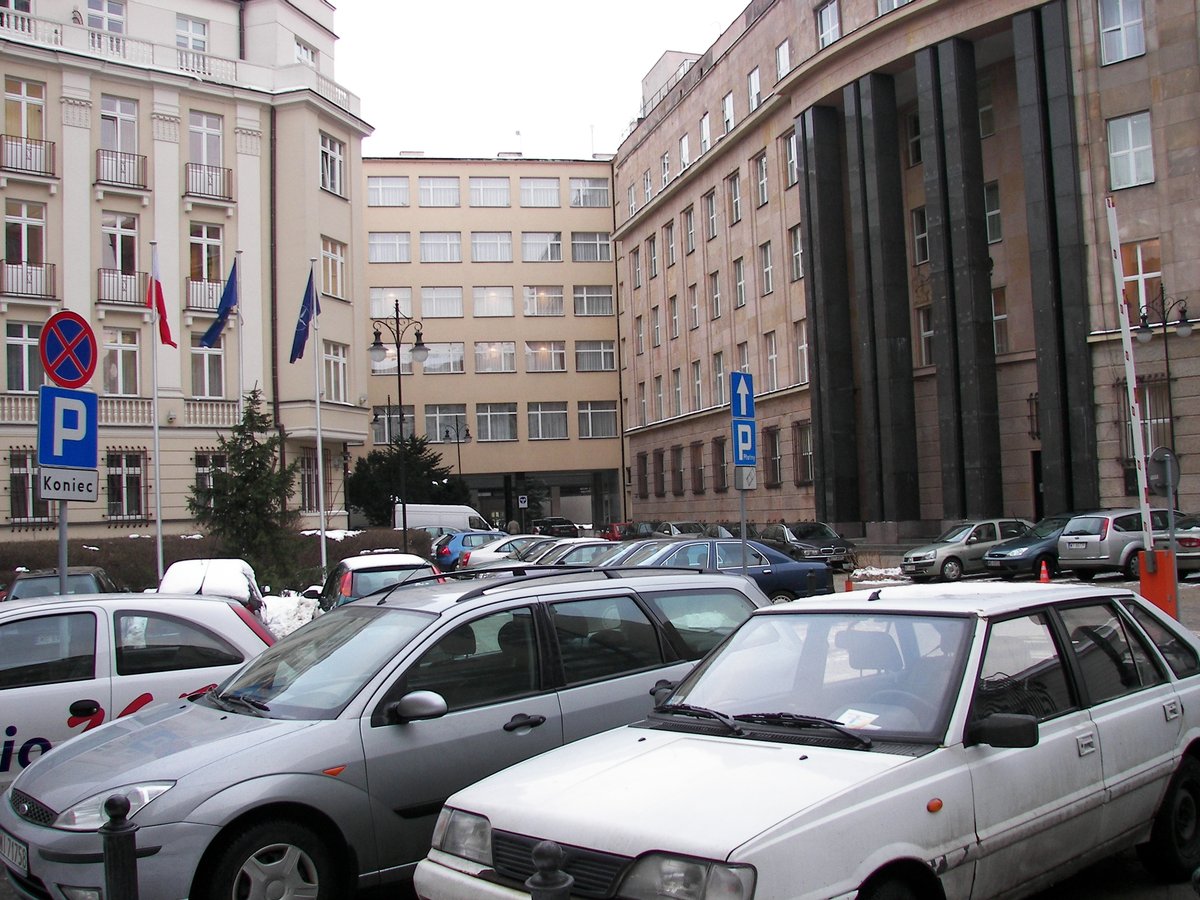
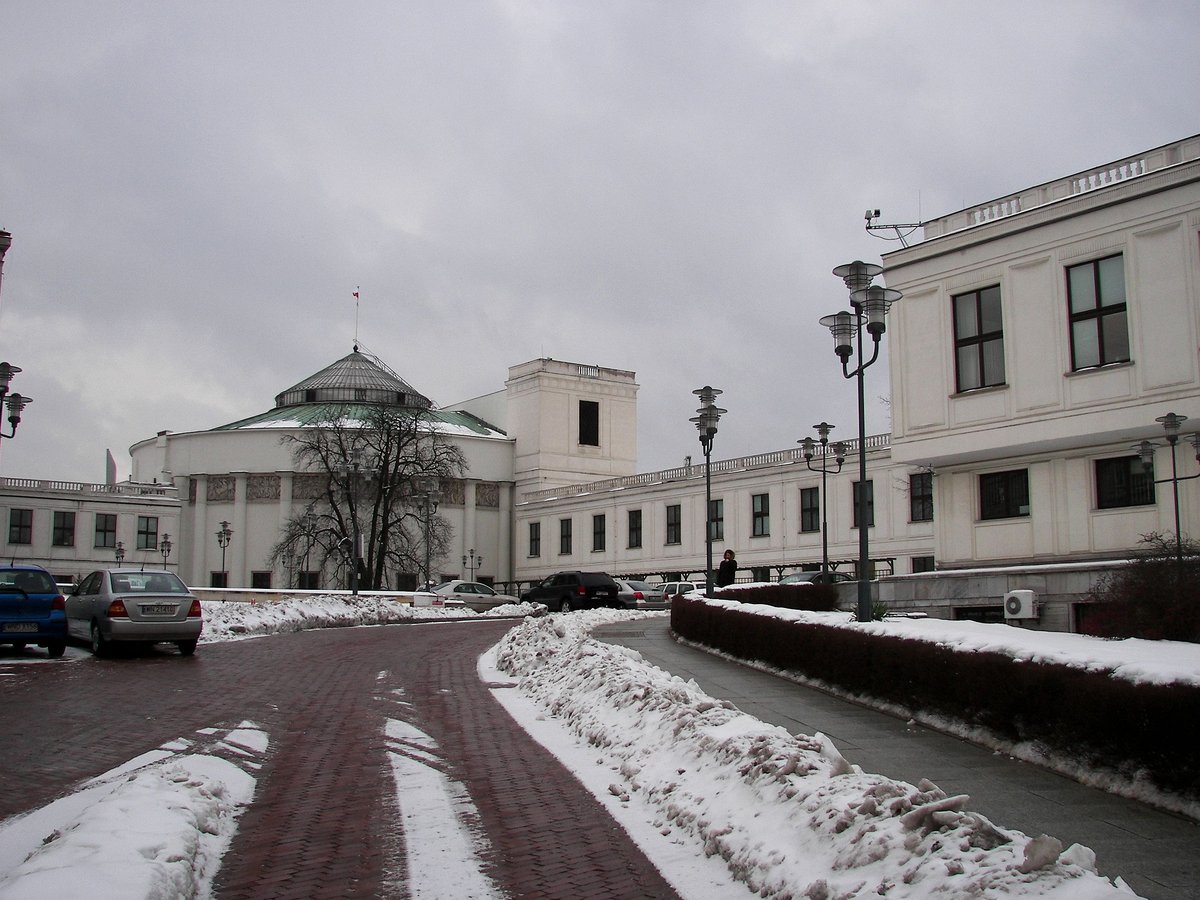
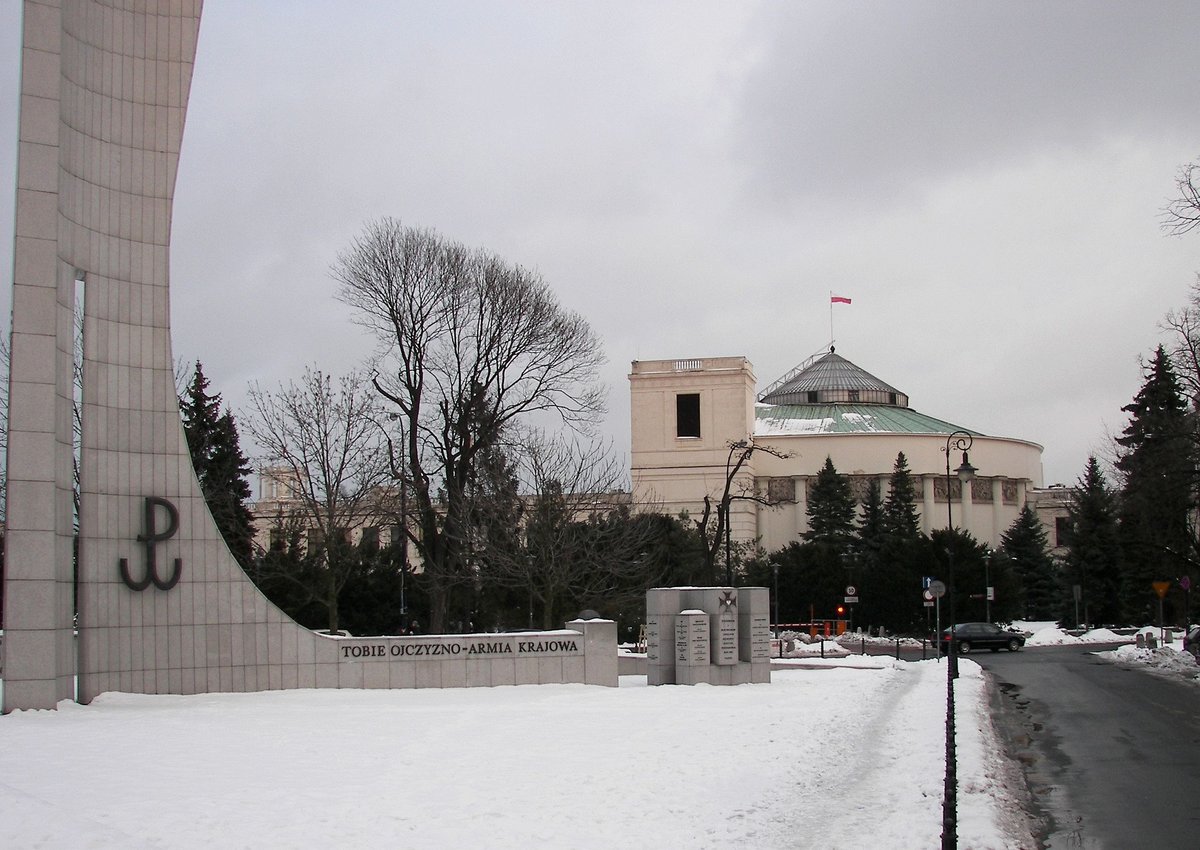
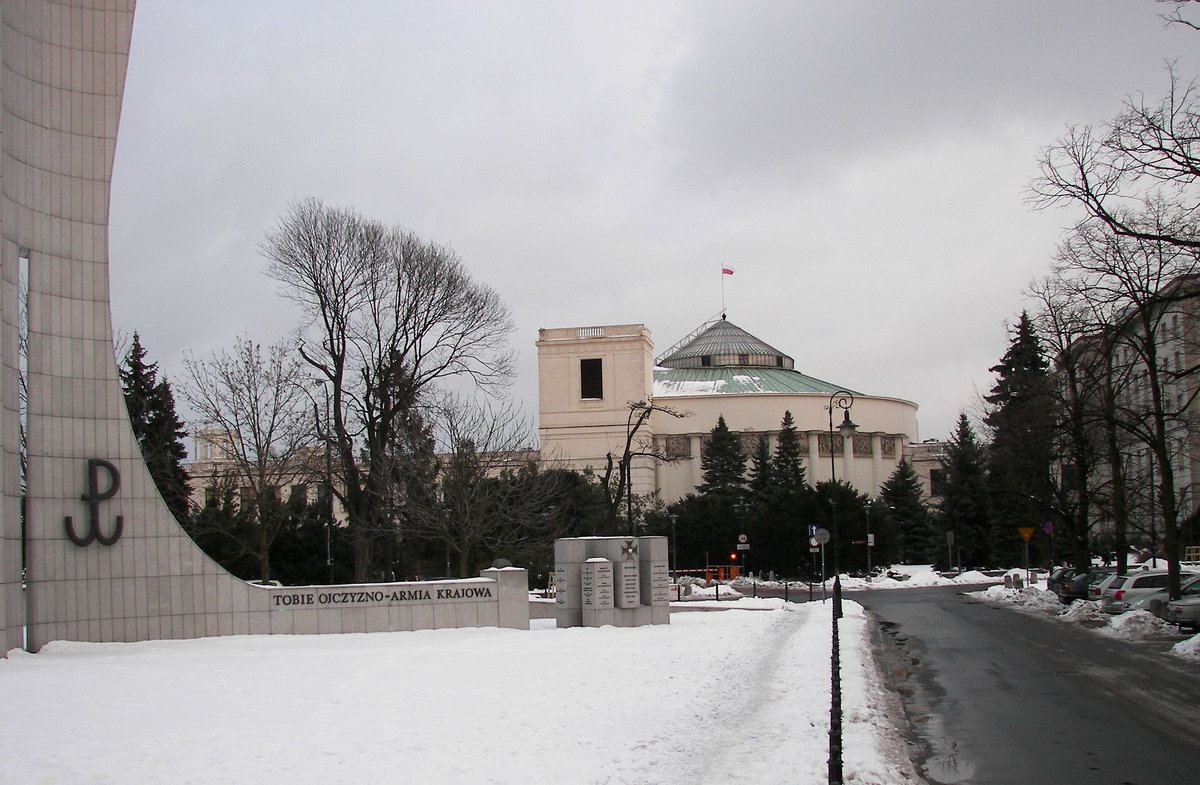
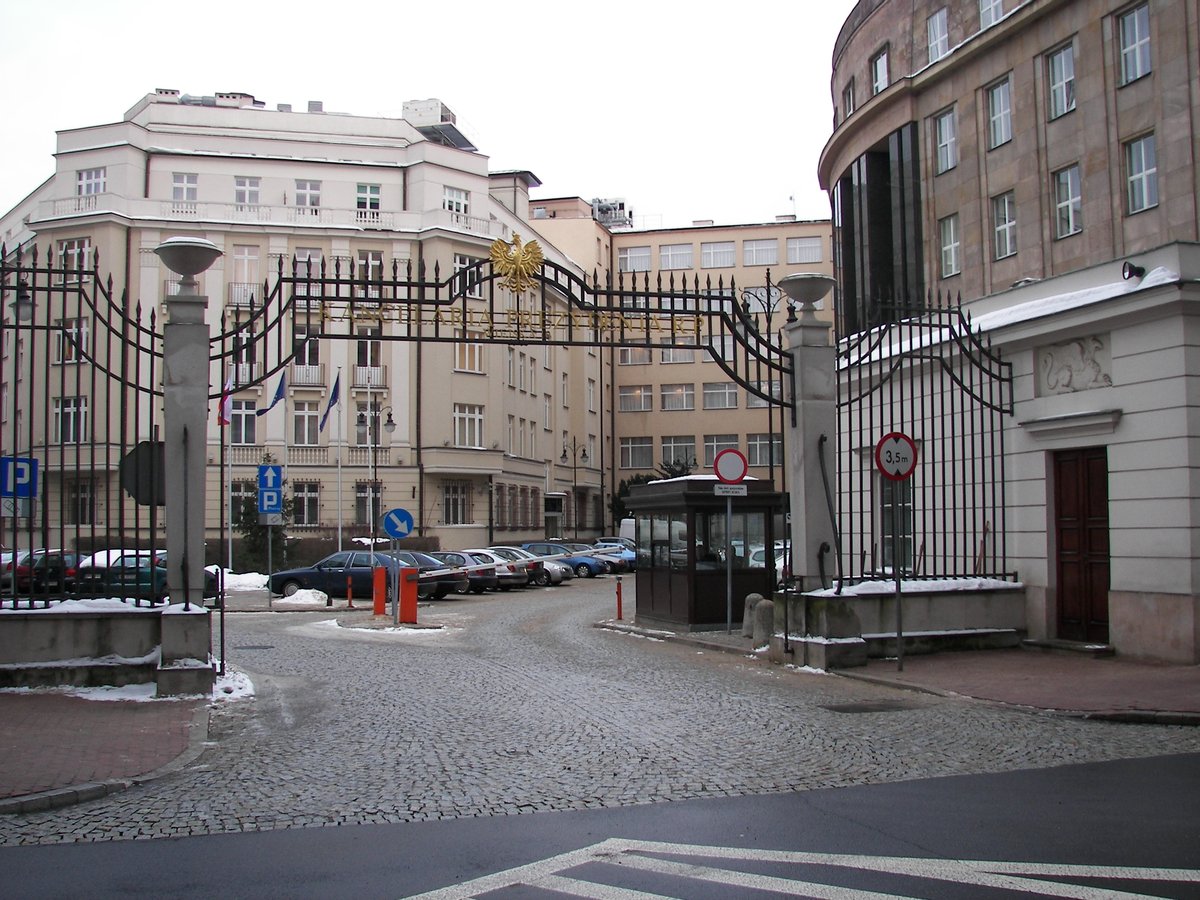
Situated centrally in Warsaw, the complex is a blend of neoclassical and modernist styles, reflecting the nation’s layered history. The main building, distinguished by its rotunda and dome, is adorned with national symbols and houses the key parliamentary chambers. The complex also includes interconnected buildings, historic corridors, commemorative plaques, and art, such as the famous spiral staircase in the Senate entrance (whitemad.pl; Wikipedia: Senate of Poland).
Visiting Hours and Tickets
- Standard Opening: Monday to Friday, 9:00 AM–4:00 PM (subject to parliamentary sessions and official events).
- Guided Tours: Offered in Polish, English, and other languages. Advance online booking is required, as individual entry without a tour is generally not permitted due to security.
- Admission: Free for individual visitors and groups, but prior registration is mandatory.
- Check for Updates: Visiting hours may change on public holidays or during state events; always confirm via the official Sejm visitor site or Warsaw Tourist Information.
Guided Tours and Visitor Experience
Guided tours last approximately 60–90 minutes, covering the Sejm Meeting Hall, Senate Chamber, Main Hall, Column Hall, Marshal Corridor, and commemorative elements. Knowledgeable guides explain the intricacies of Polish parliamentary procedures, significant historical events, and the symbolism behind the building’s art and architecture. Audio guides and multilingual materials are available, and interactive resources such as the Audiala app enrich the experience.
Accessibility
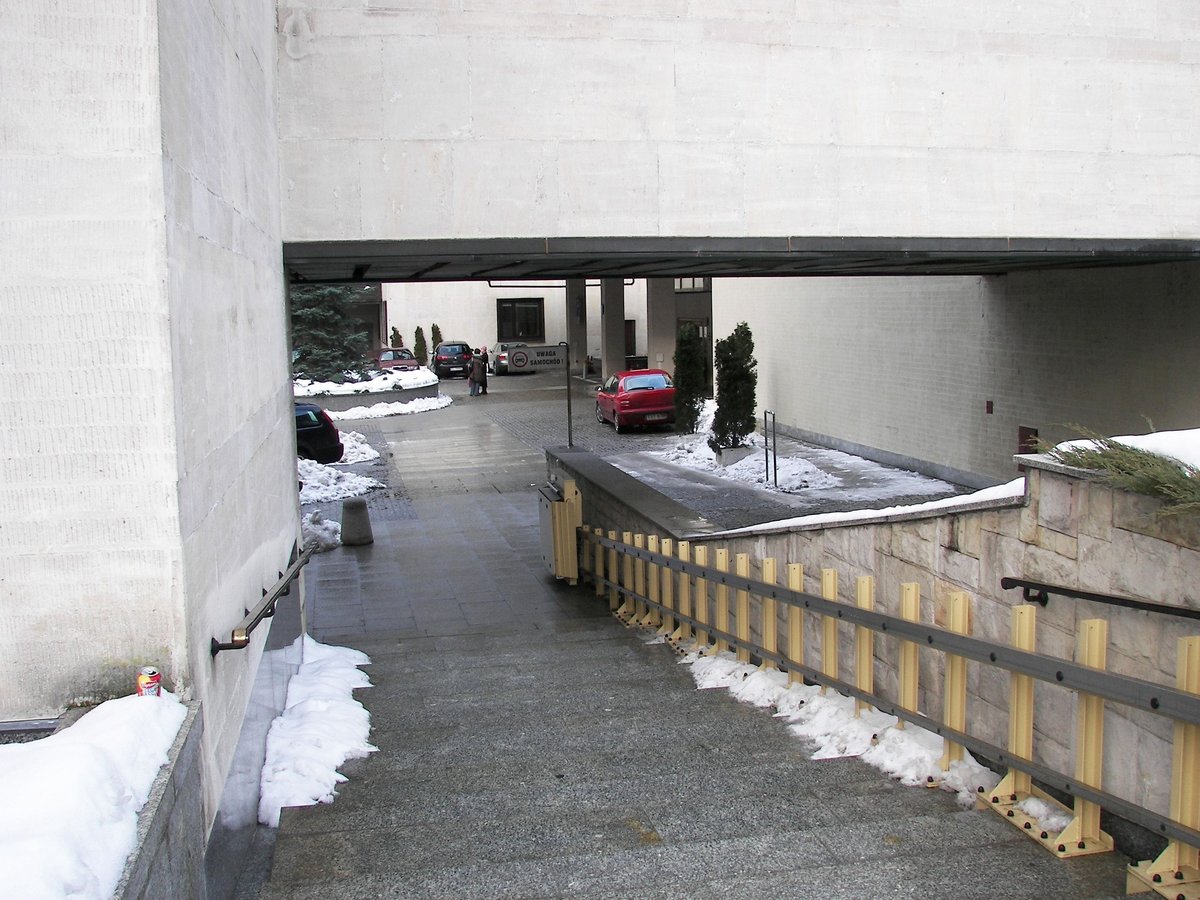
The complex is fully wheelchair accessible, with ramps, elevators, and accessible restrooms. Visitors with disabilities should notify the visitor services when booking tours to ensure appropriate accommodations (Warsaw City Tours).
Special Events and Educational Programs
Throughout the year, the Sejm and Senate Complex hosts lectures, open days, and cultural programs celebrating Poland’s democracy. Check official communication channels for schedules and details about special exhibitions, national ceremonies, and educational activities.
Travel Tips
- Arrive Early: Allow time for mandatory security and cloakroom procedures.
- Bring Identification: A valid ID or passport is required for entry.
- Dress Code: Smart casual attire is recommended.
- Photography: Permitted in designated areas without flash or tripods.
- Transport: Use public transit—buses and trams stop near Three Crosses Square. Limited street parking.
- Combine Visits: Plan to see nearby landmarks like the Royal Castle and Łazienki Park.
Architectural Evolution and Highlights
Key Phases
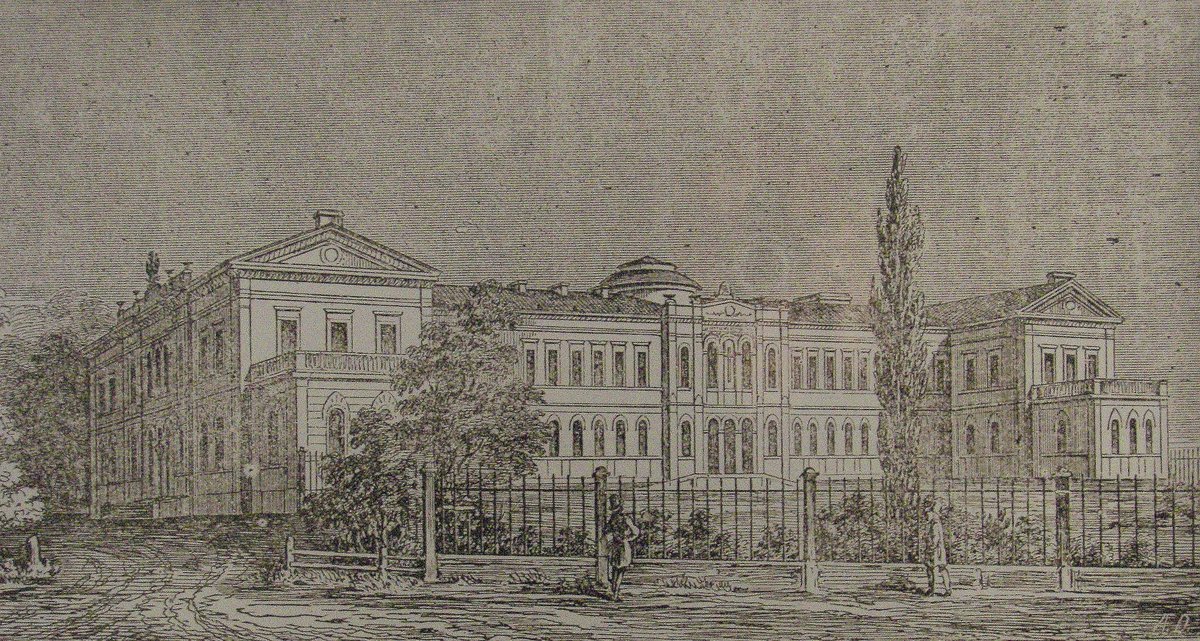
- Early 20th Century: Adaptation of the Alexandria-Mary Institute for the Legislative Sejm after 1918.
- Interwar Construction: Main building (1925–1928) by Kazimierz Skórewicz, notable for its dome and marble interiors.
- Post-War Reconstruction: Modernist expansions by Bohdan Pniewski after WWII, blending with the surrounding park.
- Recent Updates: Ongoing adaptations since 2014 to meet contemporary legislative needs (polskakultura.com).
Interior Highlights
- Sejm Meeting Hall: Amphitheater layout with a symbolic dome, bas-reliefs depicting national values, and the stage for major parliamentary events.
- Main Hall: Tri-colored marble floors, grey columns, and a grand staircase with an ornate balustrade shaped like a brass snake—a symbol of wisdom.
- Column Hall: Large, elegant space with crystal candelabras, used for committee meetings and public hearings.
- Senate Chamber: Features the iconic spiral staircase and marble plaques with the Senate’s emblem.
- Commemorative Elements: War memorial plaques, a model of the complex, and a ceramic clock by Władysław Zych.
- Chapel: Dedicated to the Virgin Mary, with religious art and the chair used by Pope John Paul II in 1999.
Practical Visitor Information
- Entry: Only via booked guided tours.
- Group Size: Tours limited to approx. 35 participants.
- Accessibility: Ramps, elevators, and accessible restrooms throughout.
- Tour Languages: Polish, English, German, French, Spanish.
- Booking: Use the official Sejm visitor portal, Warsaw City Tours, or Warsaw Tourist Information.
Political and Cultural Importance
- National Assembly: The Sejm and Senate together make up Poland’s National Assembly, shaping the laws and destinies of the country (Wikipedia).
- Historic Events: Site of constitutional adoptions, major reforms, presidential oaths, and public debates.
- Symbol of Democracy: A focal point for civic engagement, protests, and celebrations.
Nearby Attractions
The Sejm and Senate Complex is centrally located, making it easy to combine your visit with other Warsaw highlights:
- Royal Castle
- Łazienki Park
- Ujazdów Castle
- Monument to the Home Army
- National Museum
For more ideas, see trek.zone.
Visitor Access and Security
- Security Checks: Expect airport-style screening and mandatory cloakroom use.
- Identification: Required for all adult visitors.
- Rules: No large bags, and follow all posted conduct guidelines.
Frequently Asked Questions (FAQ)
Q: Do I need to buy tickets?
A: Entry is free, but advance registration for guided tours is required.
Q: Are guided tours available in English?
A: Yes, as well as in several other languages.
Q: Is the complex wheelchair accessible?
A: Yes, with comprehensive facilities.
Q: Can I take photographs?
A: Allowed in designated areas, without flash or tripods.
Q: How do I get there?
A: Use public transport to Three Crosses Square or nearby stops; taxis and rideshares are also convenient.
Tips for a Memorable Visit
- Book your tour in advance to guarantee your spot.
- Bring a valid ID for security.
- Check the official website for schedule changes due to parliamentary sessions or holidays.
- Engage with your guide—ask questions about Poland’s democratic journey and parliamentary customs.
- Use interactive apps like Audiala for self-guided tours and additional context.
Listen to the full story in the app
The whole Sejm And Senate Complex Of Poland,
told well.
Audio guides for 1,100+ cities across 96 countries. History, stories, and local insight — offline ready.
Verified, and shown.
Researched and written by the Audiala editorial team from historical records, architectural archives, and local expertise.
Researched from Wikidata, Wikipedia & official sources · fact-checked · How we make our guides →