Plan and listen to Sapieha Palace, Warsaw with Audiala.
Audio guide in your pocket, itinerary in your browser. Built for the way you actually visit.
Introduction
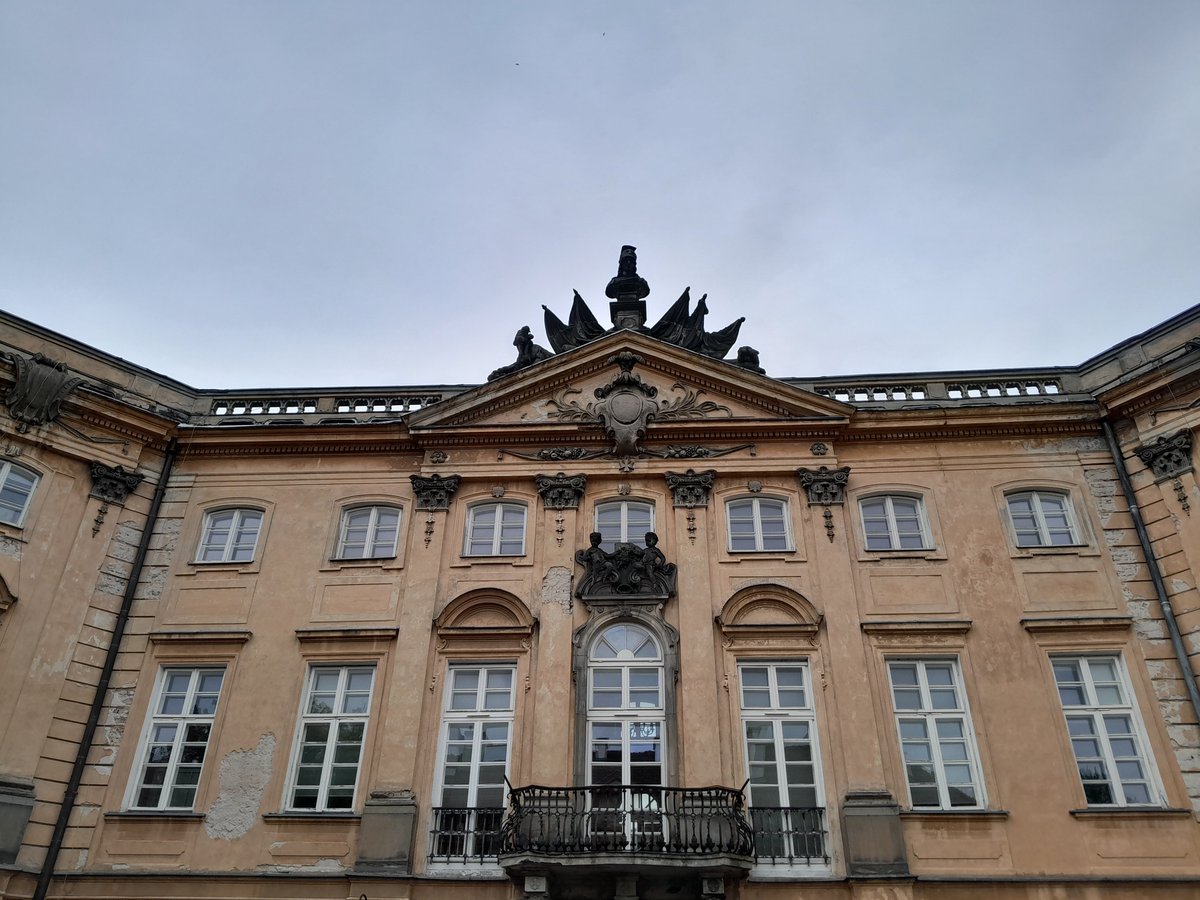
Set in Warsaw’s historic New Town district, Sapieha Palace (Pałac Sapiehów) is a striking symbol of Poland’s aristocratic heritage and Baroque-Rococo architecture. Commissioned by Jan Fryderyk Sapieha, Chancellor of the Grand Duchy of Lithuania, and constructed between 1731 and 1746, this palace reflects the opulence and influence of the Sapieha family—one of the most significant noble lineages of the Polish–Lithuanian Commonwealth. Today, while the palace mainly serves as an educational institution, its beautifully restored façade and grounds remain a highlight for visitors. This guide details the palace’s history, architecture, visitor information, accessibility, and nearby attractions, ensuring you make the most of your experience in Warsaw.
For the latest updates, consult the Official Warsaw Tourism Website and the Warsaw Tourist Information portal.

Early Origins and Construction
Sapieha Palace is a prime example of Rococo palatial design in 18th-century Poland. Designed by Johann Sigmund Deybel (Jan Zygmunt Deybel), its French-inspired layout featured a grand five-axis main building and two outbuildings, later joined by added wings to accommodate the expanding needs of the Sapieha family. The palace’s original function was as a city residence and a venue for noble gatherings, reflecting the social and political standing of its owners. (warsawtour.pl)
The Sapieha Family and Their Influence
The Sapieha family was a major force in the politics and culture of the Polish–Lithuanian Commonwealth. Their Warsaw residence signified both their wealth and their pivotal role in shaping the city’s elite circles. The palace served as a backdrop for social events and political meetings, illustrating the influence wielded by the family during the 18th century. (warsawheritage.pl)
Transformations Through the 19th and 20th Centuries
Throughout the 19th century, the palace saw multiple uses, including as a military hospital and later an ophthalmology clinic. While these practical adaptations altered some interiors, the building’s Baroque exterior remained largely intact. The devastation of World War II inflicted severe damage; however, postwar restoration (1950–1955), led by Maria Zachwatowiczowa, meticulously restored the palace based on historic plans, preserving its architectural integrity. Today, it houses the Environmental Protection School Complex, balancing heritage with educational functions. (warsawmuseum.pl, theuniquepoland.com)
Architectural Features and Restoration
Sapieha Palace’s hallmark features include:
- Symmetrical Baroque-Rococo façade with ornate stucco and sculptural details.
- Grand staircases and vaulted ceilings (interior access limited).
- Large windows that illuminate the interiors.
- Formal gardens that historically complemented the palace’s grandeur, though modified over time.
Postwar restorations have preserved these key elements, enabling the palace to continue as a landmark of Polish Baroque urban design. (historicpoland.org)
Visiting Sapieha Palace: Hours, Tickets & Tips
Visiting Hours
- Palace grounds and park: Open daily during daylight hours, year-round.
- Palace interior: Generally closed to the public due to its educational function. Interior access is occasionally available during special events, such as Warsaw’s “Night of Museums.”
Tickets and Tours
- Exterior and park: Free entry.
- Special events/guided tours: Ticket prices typically range from 10–30 PLN, with discounts for students, seniors, and children. Advance booking is recommended for guided tours, which may be offered during select cultural events.
- For updated information, consult the Warsaw Tourist Information portal.
Accessibility
- Location: 53/55 Zakroczymska Street, Warsaw New Town.
- Transport: Served by tram lines 4, 15, 18, 35 and bus lines 116, 178, 503 (stop: Konwiktorska). Street parking is available but limited.
- Grounds: Mostly wheelchair- and stroller-accessible.
- Interior: Main entrance includes stairs; interior spaces may not be fully accessible. Contact the palace administration in advance for special accommodations.
Travel Tips
- Visit during daylight for the best views of the façade and gardens.
- Combine your trip with nearby attractions in New Town and Old Town.
- Facilities such as restrooms and cafés are not available on-site; nearby Nowe Miasto offers various options.
- Photography is permitted on the grounds; indoor photography is restricted except during special events.
Events and Cultural Activities
Sapieha Palace occasionally opens its doors for concerts, art exhibitions, workshops, and guided tours in collaboration with local cultural organizations. These events provide rare opportunities to explore the palace’s interiors and learn about its history. Stay updated through the Warsaw city events calendar and official social media channels.
Nearby Attractions in Warsaw’s New Town
- New Town Market Square: Historic square with cafés and artisan shops.
- Warsaw Barbican: Remnants of Warsaw’s medieval defenses.
- Royal Castle: Baroque-Mannerist residence of Polish monarchs.
- Krasinski Garden: Expansive, landscaped public park.
- St. Hyacinth’s Church and Raczynski Palace: Notable landmarks enriching the area’s aristocratic heritage.
These sites are within walking distance, making Sapieha Palace an excellent starting point for exploring Warsaw’s layered history. (warsawguide.com)
FAQ: Visitor Questions
Q: What are the visiting hours for Sapieha Palace?
A: The grounds and park are open daily during daylight hours. Interior access is limited to special events.
Q: Is there an entry fee?
A: No fee for the grounds. Tickets may be required for special events or interior tours.
Q: Are guided tours available?
A: Yes, occasionally during festivals or cultural events. Tours last 45–90 minutes; booking in advance is recommended.
Q: Is the palace wheelchair accessible?
A: The park is mostly accessible, but interior access is limited due to stairs and lack of elevators.
Q: How do I purchase tickets for events or tours?
A: Through the Warsaw Tourist Information portal or at event venues.
Listen to the full story in the app
The whole Sapieha Palace, Warsaw,
told well.
Audio guides for 1,100+ cities across 96 countries. History, stories, and local insight — offline ready.
Verified, and shown.
Researched and written by the Audiala editorial team from historical records, architectural archives, and local expertise.
Researched from Wikidata, Wikipedia & official sources · fact-checked · How we make our guides →