Plan and listen to Przebendowski Palace with Audiala.
Audio guide in your pocket, itinerary in your browser. Built for the way you actually visit.
Introduction
Przebendowski Palace stands as one of Warsaw’s most remarkable historical landmarks, representing centuries of Polish history, architectural evolution, and cultural resilience. Built in the early 18th century for Jan Jerzy Przebendowski, Grand Treasurer of the Crown, this late Baroque palace is noted for its Viennese-inspired design and innovative spatial solutions, such as its distinctive oval staircase. Over time, the palace has survived political upheaval, partitions, wars, and significant destruction, ultimately becoming a symbol of national identity and perseverance.
Today, the palace is home to the Museum of Independence, which presents interactive exhibitions and historical collections chronicling Poland’s pursuit of sovereignty. Its central location makes it easily accessible and an ideal starting point for exploring Warsaw’s historic core. This guide provides all essential information for planning your visit, including opening hours, ticketing details, travel tips, accessibility, and recommendations for nearby attractions.
For the latest updates and details, visit the official Museum of Independence website and the Warsaw tourism portal.

Historical Background
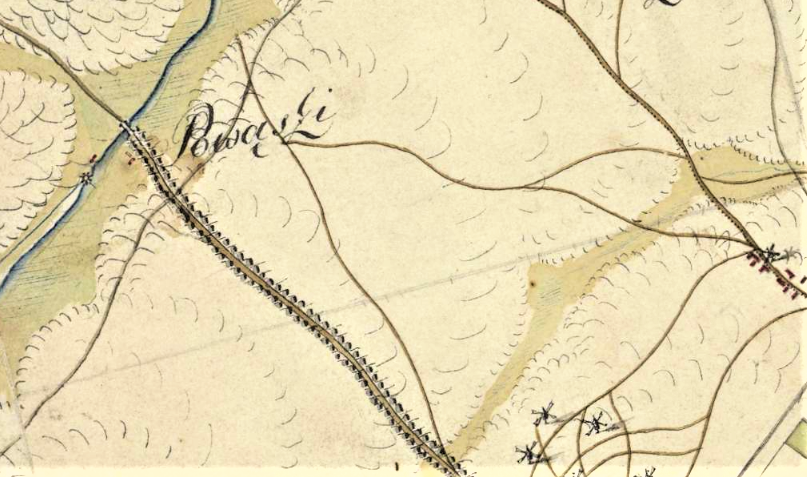
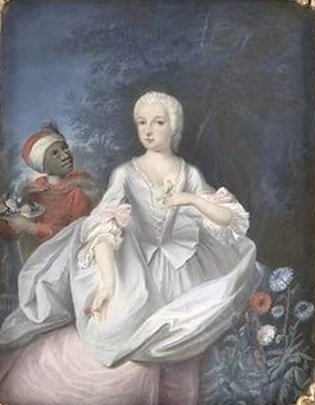
Constructed between 1728 and 1730 for Jan Jerzy Przebendowski, the palace was designed by Jan Zygmunt Deybel, reflecting the late Baroque style with pronounced Viennese influence (Wikipedia). Following Przebendowski’s death, the property changed hands multiple times, hosting important figures and even legendary masked balls under Spanish diplomat Pedro Pablo de Bolea (Wikipedia). Through the 19th century, the palace’s fortunes waned, and it was repurposed for various uses, including as a wax museum, restaurant, and tribunals (pl.wikipedia).
During World War II, the palace suffered extensive damage, losing about 70% of its structure during the Warsaw Uprising in 1944. Restoration in the late 1940s under Brunon Zborowski focused on rebuilding the main structure, while the original side wings and outbuildings were not reconstructed (Wikipedia). In the communist era, the palace housed the Central Museum to Lenin. Since 1990, it has served as the seat of the Museum of Independence, dedicated to preserving and communicating Poland's struggle for freedom (walkingwarsaw.com).
Architectural Features
Przebendowski Palace is a three-story, eleven-axis structure, distinguished by its four rounded corner alcoves and harmonious proportions (pl.wikipedia). Its most notable feature is the oval projection on the main axis, housing the grand staircase—a hallmark of Viennese Baroque design. The palace’s sand-colored façade, restored in 2019, and copper roof evoke its historical character. The garden-side terrace, once adorned with sculptures symbolizing the four seasons, now features replicas and decorative vases.
Inside, while original Baroque decorations have largely been lost due to war and later renovations, restoration efforts have revived elements of the palace’s former splendor. The cellars, cleared and renovated, now house multimedia and conference facilities. The representative hall, with garden access, is frequently used for exhibitions and events (pl.wikipedia).
Museum of Independence: Exhibitions and Significance
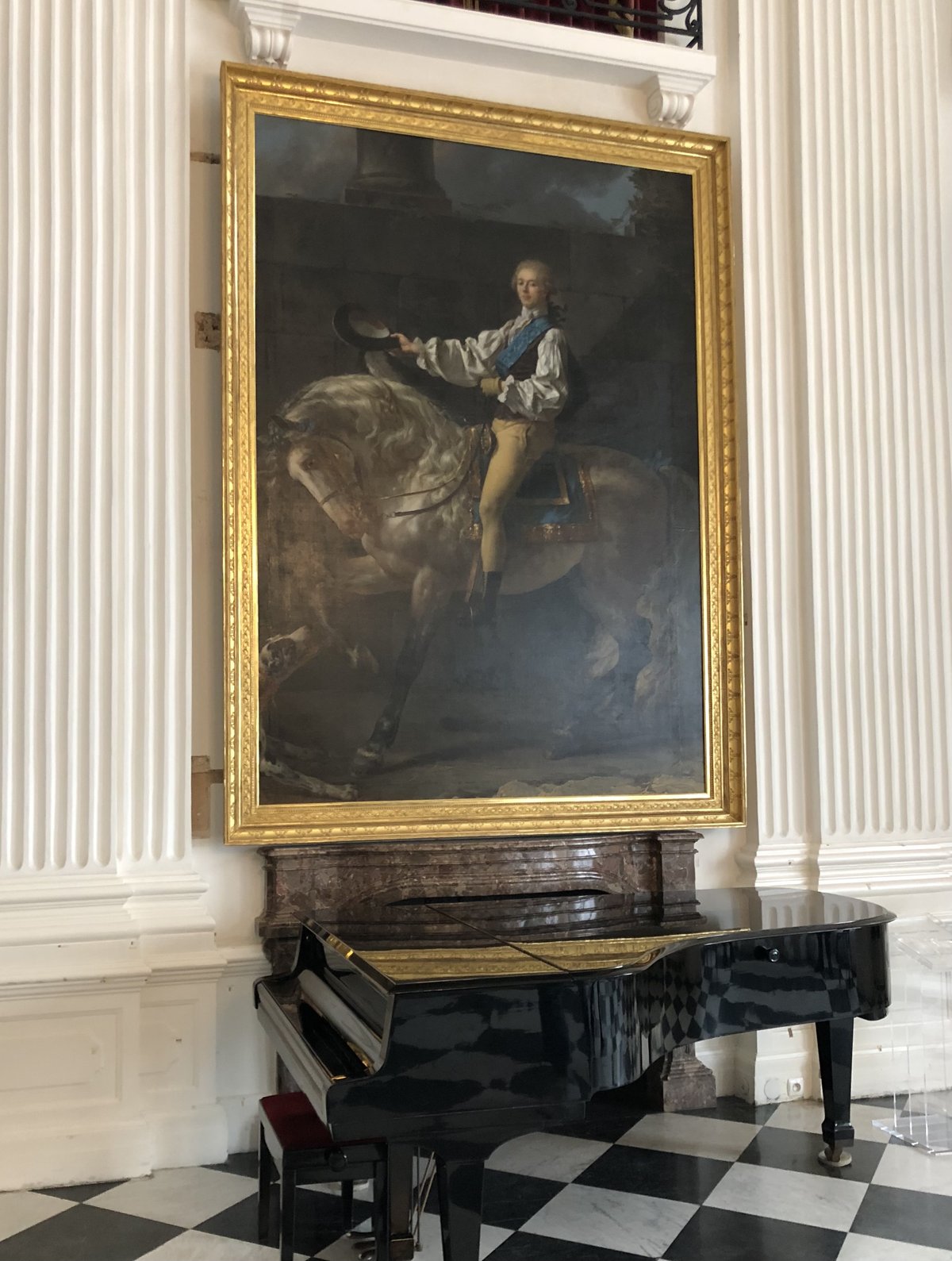
As the Museum of Independence, Przebendowski Palace narrates Poland’s path to sovereignty through immersive exhibitions and extensive historical collections (evendo.com). The museum covers pivotal periods: the partitions, national uprisings, World War II, and the postwar fight for freedom (evendo.com). Notable displays include artifacts from the Warsaw Uprising, original artworks, and multimedia presentations. There is also a dedicated exhibition on the palace’s own history, featuring portraits, maps, and rare photographs (goout.net).
The museum serves as a venue for commemorative events, educational programs, and scholarly gatherings, strengthening its role as a center for national memory and dialogue.
Visiting Information
Visiting Hours
- Monday to Friday: 9:00 AM – 4:00 PM
- Closed on weekends and public holidays
- Hours may change for special events or exhibitions; always verify on the official museum website.
Tickets and Admission
- Adults: 15–20 PLN
- Discounts: Available for students, seniors, and groups
- Children under 12: Free admission
- How to Buy: Tickets are available onsite and online via the museum’s website
- Guided Tours: Offered on select days; advance booking is recommended
Guided Tours and Special Events
- Guided tours provide in-depth insights into the palace’s architecture and exhibitions. Advance registration is advised, particularly for English-language tours.
- The museum regularly hosts temporary exhibitions and cultural events. Event schedules are posted on the official site.
Accessibility
- The palace is fully accessible, with elevators and ramps installed during recent renovations.
- Facilities include accessible restrooms and information materials in several languages.
Best Photographic Spots
- The palace’s restored façade and copper roof are ideal for exterior photography.
- The garden terrace and allegorical statues provide scenic backdrops.
- Interior spaces, such as the representative hall and multimedia rooms, are photogenic—please confirm photography policies with museum staff.
How to Get There
- By Public Transport:
- Bus: Line 175 stops at “Muzeum Niepodległości”
- Tram: Lines 10 or 26 stop at “Muzeum Narodowe,” a 10-minute walk away
- Metro: From Central Station, take M1 to “Rondo ONZ,” then tram 22 to “Muzeum Niepodległości,” followed by a brief walk
- By Car: Street parking available nearby; observe local regulations
Nearby Attractions
- Jewish Historical Institute: Located opposite the palace, delving into Warsaw’s multicultural past (walkingwarsaw.com)
- Warsaw Old Town: A UNESCO World Heritage site within walking distance, including the Royal Castle, Market Square, and historic churches (nomadicmatt.com)
- Other Palaces: Explore the nearby Presidential Palace, Krasiński Palace, and Jabłonowski Palace for a broader architectural tour (trek.zone)
Visitor Experience and Recommendations
- Allocate 1–2 hours to fully explore the palace and museum.
- Engage with staff for detailed historical context.
- Combine your visit with other central Warsaw sites for a rich cultural experience.
- Check the museum’s website for current exhibitions, events, and visitor tips.
Frequently Asked Questions (FAQ)
Q: What are the Przebendowski Palace visiting hours?
A: Monday to Friday, 9:00 AM to 4:00 PM. Closed weekends and public holidays.
Q: How can I purchase tickets?
A: Tickets are available onsite and online through the museum’s official website.
Q: Are guided tours available?
A: Yes, on select days and by advance reservation.
Q: Is the palace wheelchair accessible?
A: Yes, the building is fully accessible.
Q: Can I take photographs inside?
A: Generally yes, but check for restrictions in some exhibition areas.
Q: What other attractions are nearby?
A: The Royal Castle, POLIN Museum of the History of Polish Jews, Łazienki Park, and Warsaw Old Town are all close by.
Listen to the full story in the app
The whole Przebendowski Palace,
told well.
Audio guides for 1,100+ cities across 96 countries. History, stories, and local insight — offline ready.
Verified, and shown.
Researched and written by the Audiala editorial team from historical records, architectural archives, and local expertise.
Researched from Wikidata, Wikipedia & official sources · fact-checked · How we make our guides →