Plan and listen to Powązki Tatar Cemetery with Audiala.
Audio guide in your pocket, itinerary in your browser. Built for the way you actually visit.
Introduction
The Powązki Tatar Cemetery in Warsaw is a rare and significant testament to the enduring legacy of Poland’s Lipka Tatar Muslim community. Established in 1867, this burial ground stands as a symbol of religious tolerance and multiculturalism, reflecting the integration and contributions of Tatars in Polish society. Located adjacent to the famed Powązki Cemetery, the Tatar cemetery is characterized by its unique blend of Islamic funerary traditions and Polish artistic influences, featuring gravestones oriented towards Mecca and inscriptions in Polish, Arabic, and sometimes Russian. This guide provides a comprehensive overview of the cemetery’s history, architecture, key figures, and practical visitor information, including hours, accessibility, and travel tips (Culture.pl, Brill, Warsaw City Guide).
Origins and Establishment
The Powązki Tatar Cemetery (Cmentarz Tatarski na Powązkach) was established in 1867 to serve Warsaw’s Muslim Tatar community, which had roots in the Polish-Lithuanian Commonwealth dating back to the 14th century (Culture.pl). The land was allocated by Russian authorities in response to Warsaw’s urban expansion and the needs of the Tatar minority. Situated on Powązkowska Street, the cemetery covers approximately 0.36 hectares and remains Warsaw’s only active Muslim burial ground (Warsaw City Guide).
Historical Context: The Lipka Tatars
The Lipka Tatars were originally Turkic-Mongol people who settled in the Grand Duchy of Lithuania and the Polish-Lithuanian Commonwealth from the 14th century. Granted religious freedom and land in exchange for military service, they integrated into Polish society while maintaining Islamic faith and customs (Polish Tatars: A Short History). By the 19th century, Warsaw’s Tatar community, though small, had established a distinct presence—culminating in the creation of the Powązki Tatar Cemetery.
Architectural Features and Layout
The cemetery’s entrance is marked by a simple gate and brick wall. Graves are oriented toward Mecca, adhering to Islamic tradition. Tombstones, or mizars, frequently display Islamic motifs such as crescent moons and Arabic script, alongside Polish and sometimes Russian inscriptions (Virtual Shtetl). The oldest graves date from the cemetery’s inception, and a small on-site prayer house (musalla) accommodates funeral rituals.
Distinctive features include:
- Modest gravestones made of granite, sandstone, or marble
- Bilingual inscriptions
- Artistic elements like crescents, geometric patterns, and traditional Tatar symbols
- Occasional mausoleums or fenced family plots
Notable Burials and Monuments
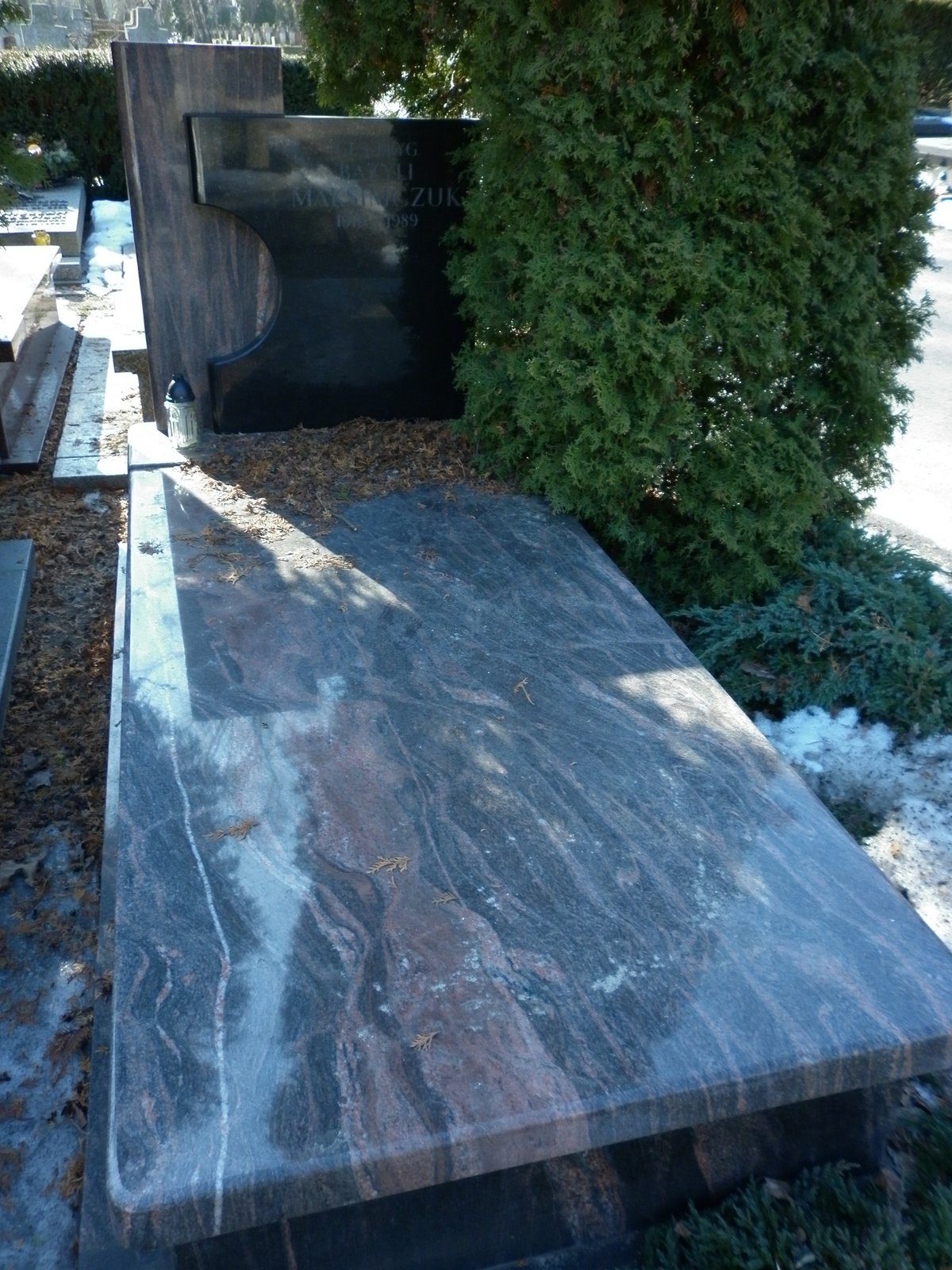
The cemetery is the final resting place of prominent Tatar-Polish families such as Kryczyński, Bajraszewski, and Mucharski. Notably, Aleksander Sulkiewicz (1867–1916), a Tatar-Polish activist and co-founder of the Polish Socialist Party, is buried here. Other graves commemorate imams, soldiers, and community leaders, with markers featuring both Islamic and Polish symbols (Polish Tatars: A Short History).
Visiting Information
Hours & Admission
- Open daily: 8:00 AM – 6:00 PM (may be extended during All Saints’ Day and major holidays)
- Admission: Free (donations welcomed for maintenance and preservation)
Accessibility
- The main pathways are mostly level and navigable; however, some older sections may be uneven or overgrown.
- Basic wheelchair access is available in central areas.
- Visitors with disabilities may contact the Muslim Religious Union in Poland for assistance (Muslim Religious Union in Poland).
Directions & Transport
- Address: Powązkowska 14, Powązki, Warsaw, Poland
- Public Transport: Tram lines 10 or 17 (stop: “Powązki”), bus lines 102 and 105; a short walk from central Warsaw.
- Parking: Limited near the entrance; public transport is recommended during busy periods.
Visitor Etiquette
- Maintain respectful, quiet conduct.
- Dress modestly, especially during religious events.
- Photography is permitted but should be discreet; avoid photographing ceremonies or mourners without permission.
Guided Tours & Events
- Occasional guided tours are organized by the Muslim Religious Union or local cultural groups, particularly during commemorations and major Islamic holidays.
- For tour availability, consult Warsaw tourism portals or inquire at the main entrance.
Preservation & Modern Role
Restoration efforts since the 1990s have focused on repairing walls, conserving tombstones, and documenting burial records (National Heritage Board of Poland). The cemetery was registered as a historic monument in 2012, and since 2014, it has been protected as a Monument of History (Brill). Today, it serves not only as an active burial ground for the Tatar and broader Muslim community but also as a venue for annual commemorations and interfaith events, underscoring Poland’s tradition of religious pluralism (Culture.pl).
Frequently Asked Questions (FAQ)
Q: What are the visiting hours?
A: Daily from 8:00 AM to 6:00 PM; check local listings for seasonal changes.
Q: Is there an entry fee?
A: No, admission is free, but donations are appreciated.
Q: Are guided tours available?
A: Yes, occasionally—especially during cultural or religious events.
Q: Is the cemetery wheelchair accessible?
A: Main pathways are accessible; some sections may be uneven.
Q: How do I get there by public transport?
A: Tram lines 10 and 17 or buses 102 and 105 to “Powązki” stop.
Discover More
The Powązki Tatar Cemetery is a vital part of Warsaw’s multicultural heritage—a living monument to religious tolerance and the history of the Lipka Tatars in Poland. Its blend of Islamic and Polish funerary art, preserved traditions, and active community gatherings make it a unique destination for those seeking to understand Warsaw’s pluralistic identity. Plan your visit to experience this peaceful site, and consider downloading the Audiala app for guided tours and updates on Warsaw’s cultural landmarks. Follow us on social media for the latest news and travel inspiration (Culture.pl, Brill, Warsaw Tourism Official Site).
Listen to the full story in the app
The whole Powązki Tatar Cemetery,
told well.
Audio guides for 1,100+ cities across 96 countries. History, stories, and local insight — offline ready.

Verified, and shown.
Researched and written by the Audiala editorial team from historical records, architectural archives, and local expertise.
Researched from Wikidata, Wikipedia & official sources · fact-checked · How we make our guides →