Plan and listen to Potocki Palace with Audiala.
Audio guide in your pocket, itinerary in your browser. Built for the way you actually visit.
Introduction
Set along Warsaw’s esteemed Krakowskie Przedmieście, Potocki Palace is a testament to Poland’s aristocratic traditions, shifting political landscapes, and architectural brilliance. Commissioned in the late 18th century by Ludwik Tyszkiewicz and later owned by the influential Potocki family, the palace embodies the city’s endurance through partitions, wars, and rebirths. Today, it stands not only as a monument of neoclassical design but as a living hub for culture and academia, housing the University of Warsaw Museum (wintersonnenwende.com; freewalkingtour.com; muzeum.uw.edu.pl).
This comprehensive guide explores the palace’s captivating history, architectural highlights, visitor information, and insider tips for making the most of your visit.

Origins and Early Development
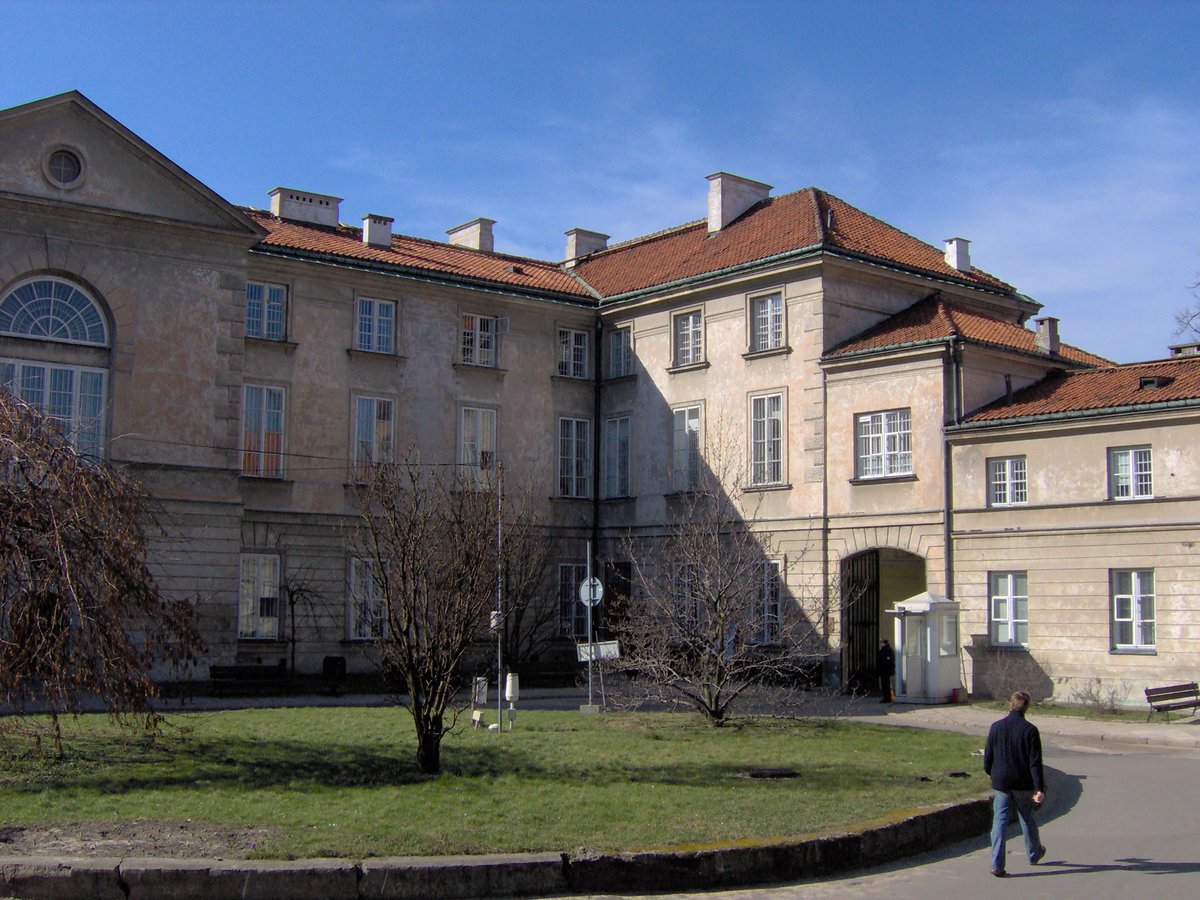
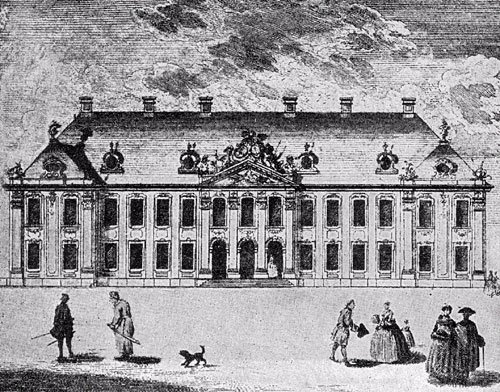
Potocki Palace was originally commissioned in the late 18th century by Ludwik Tyszkiewicz, Grand Hetman of Lithuania. Construction, designed by Jan Chrystian Kamsetzer, began in 1785 and was completed in 1792, reflecting the Enlightenment’s neoclassical ideals during King Stanisław August Poniatowski's reign (wintersonnenwende.com). Its prime location on the Royal Route mirrored the Tyszkiewicz family’s social prominence.
Architectural Significance
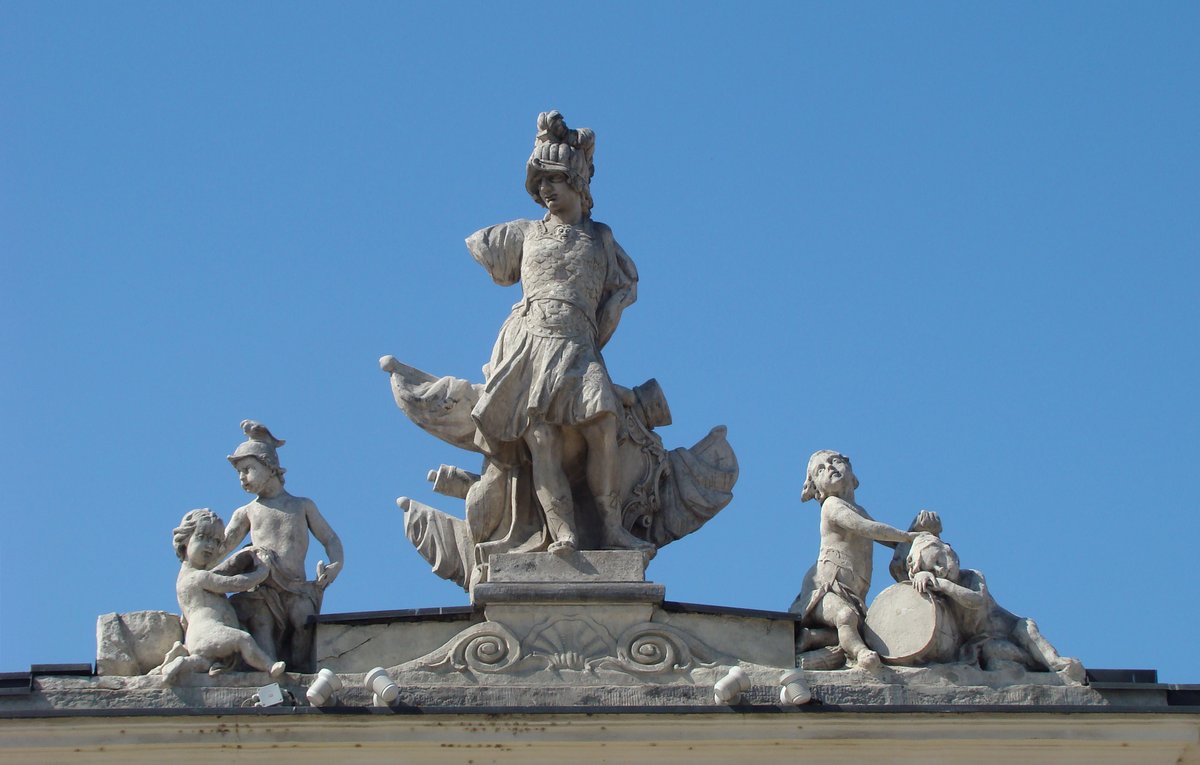
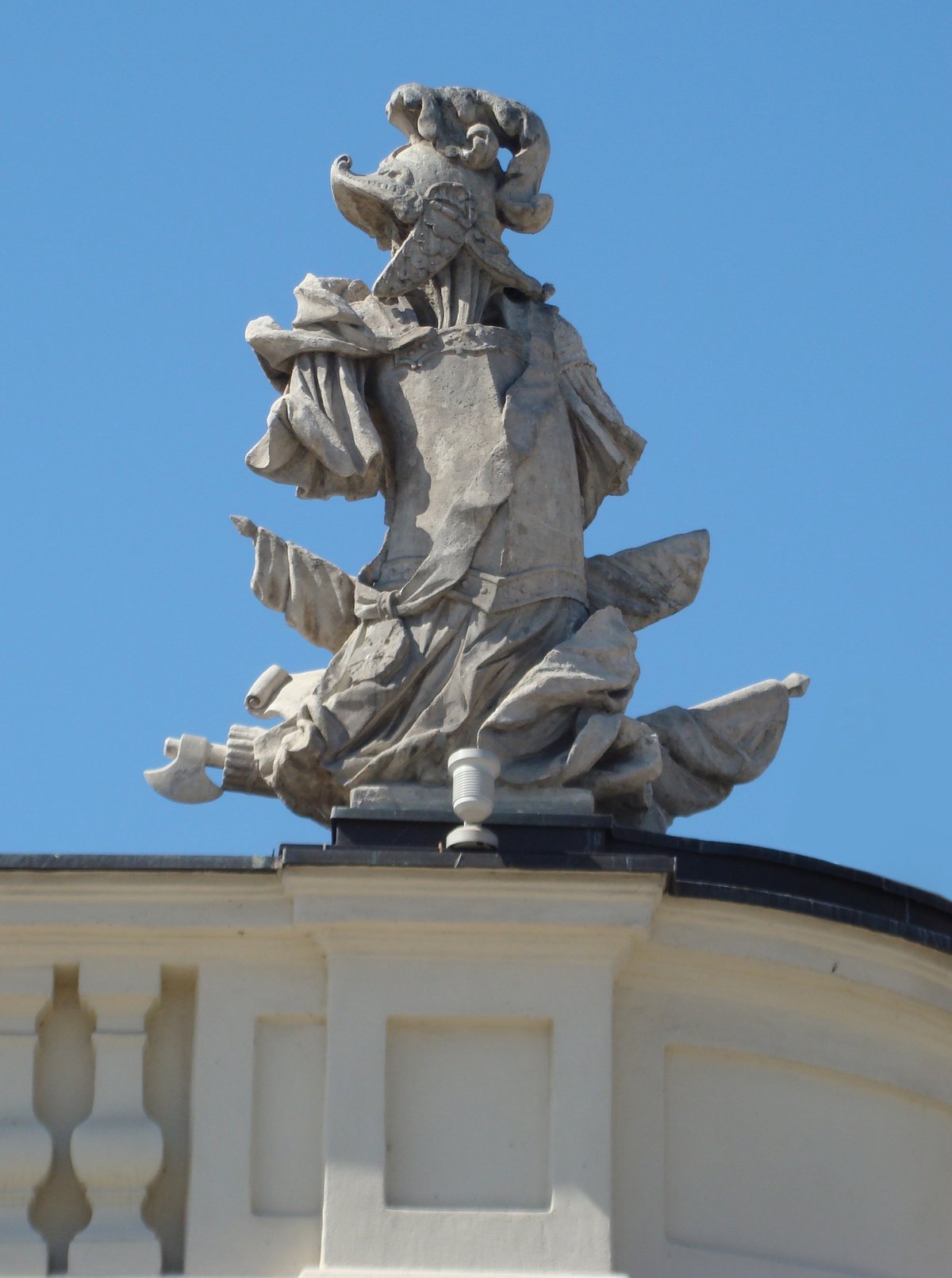
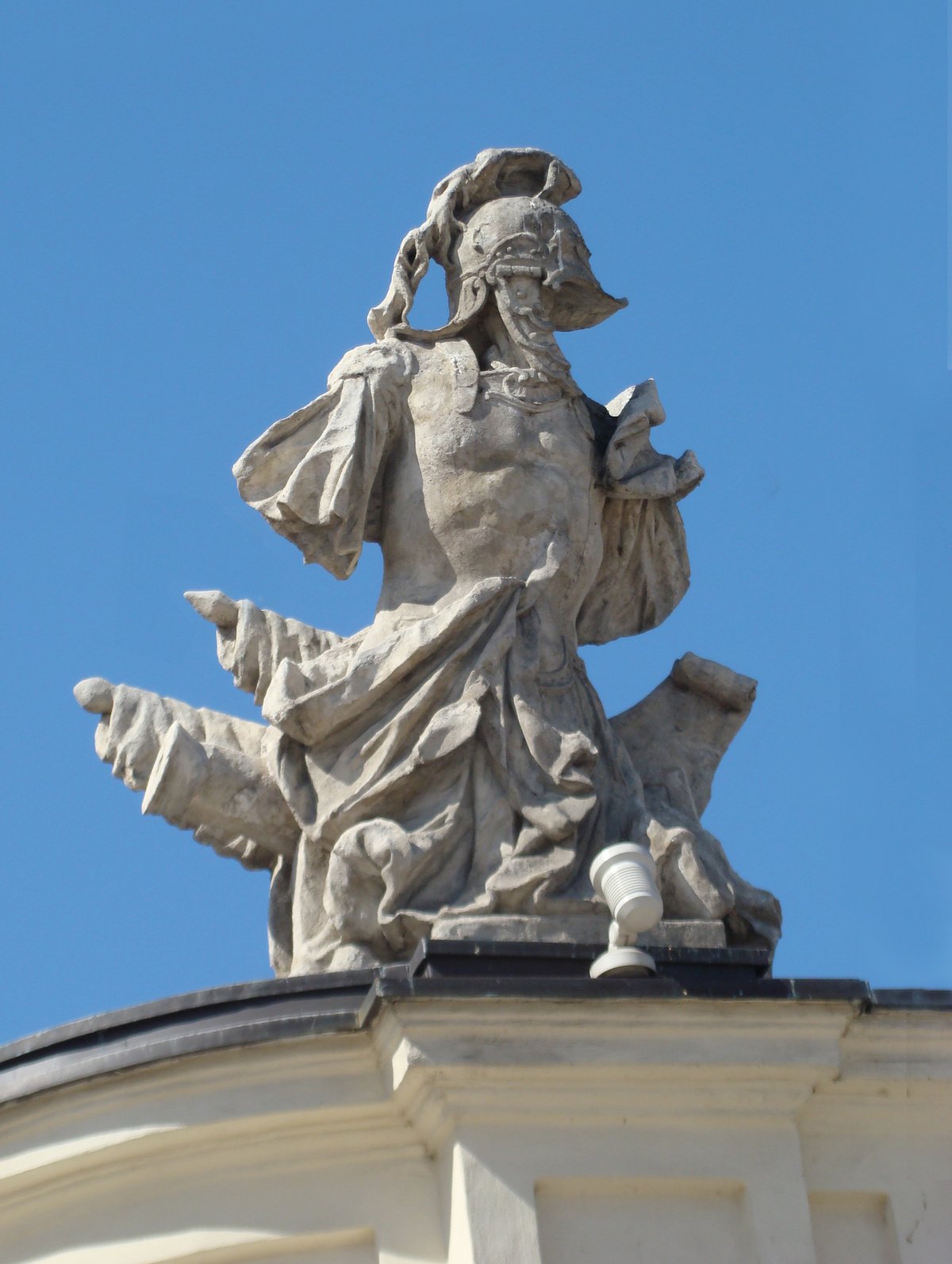
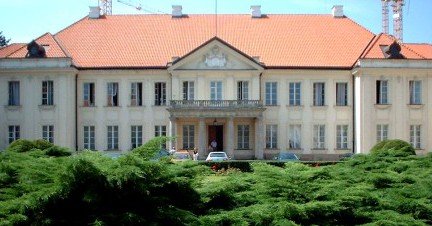
The palace blends late Baroque and early Neoclassical styles, evident in its symmetrical façade, Ionic columns, and understated decorative program. Influences from Saxon and German architects during the 18th century contributed to its cosmopolitan character (wintersonnenwende.com).
Potocki Family Era
In the 19th century, the Potocki family took ownership, transforming the palace into a centerpiece of Warsaw’s aristocratic life. The palace hosted elegant balls, salons, and political gatherings, and its interiors were modernized to reflect contemporary tastes (Codelt.nl).
Political Upheavals and Adaptation
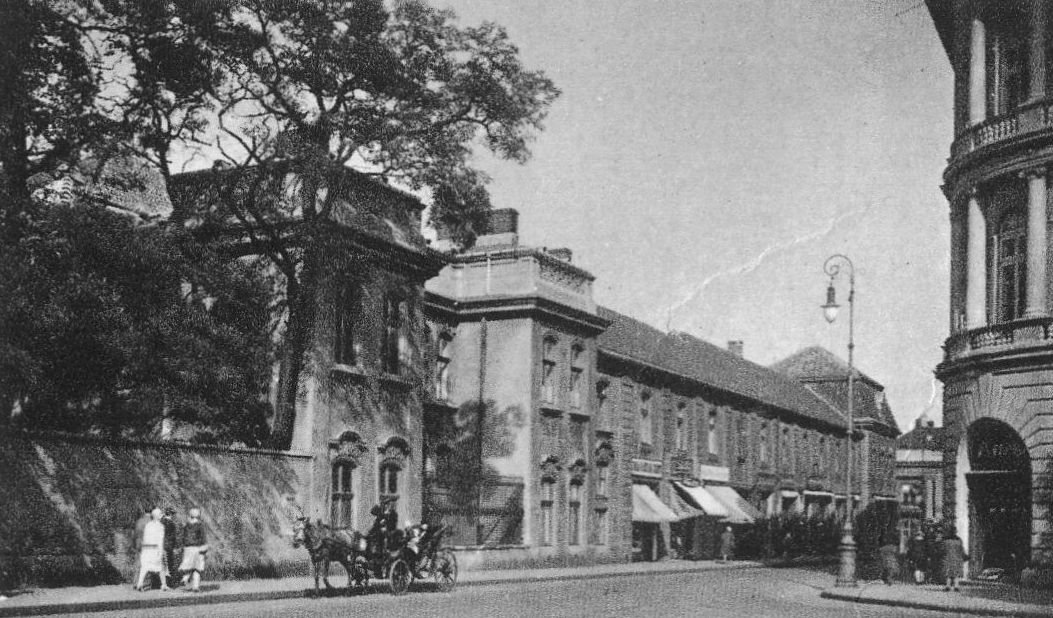
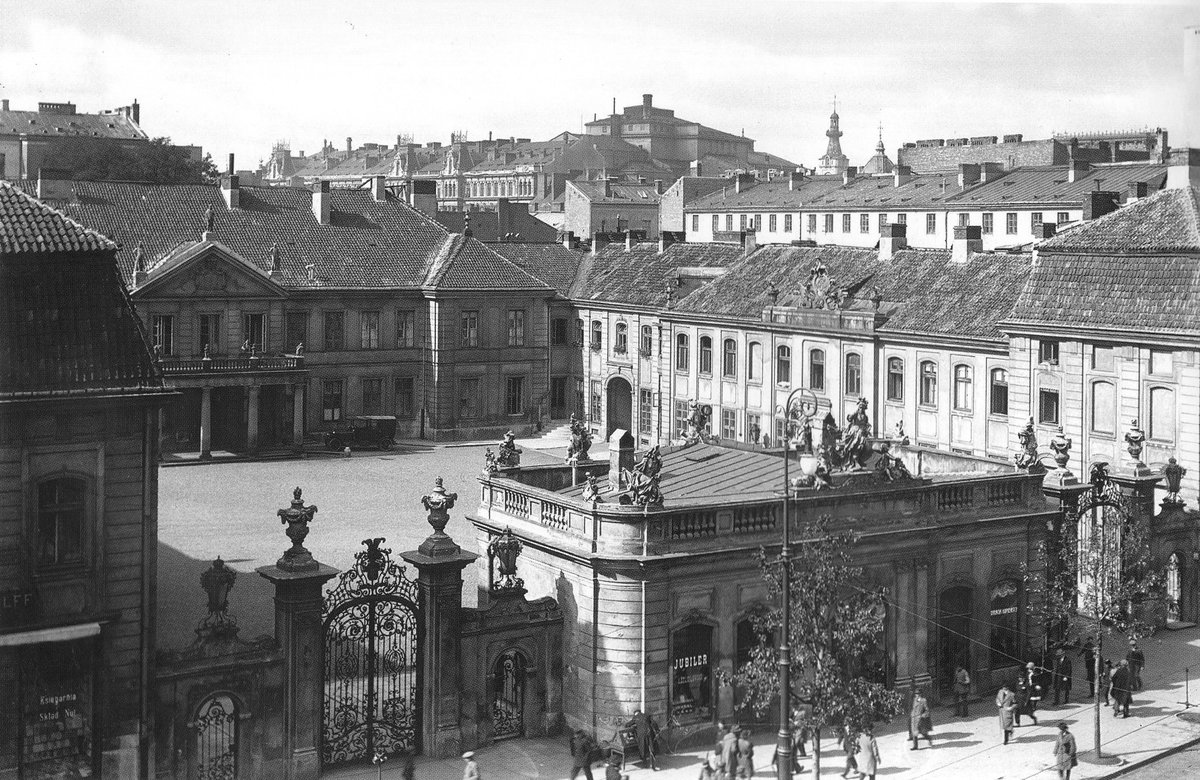
Throughout partitions, Russian occupation, and political upheaval, the palace adapted to administrative functions while retaining its noble character. Used by Tsarist governors and later as a bank and the Polish Academy of Literature, the palace’s evolving roles mirrored Poland’s tumultuous history (Codelt.nl).
World War II and Restoration
Suffering damage in World War II, the palace avoided total destruction. Postwar restoration (1948–1950) under Jan Zachwatowicz meticulously revived its neoclassical splendor, guided by archival plans (freewalkingtour.com).
Modern Use
Today, Potocki Palace houses the University of Warsaw Museum, uniting Poland’s academic and aristocratic traditions. The palace hosts exhibitions, lectures, and cultural events, making it a nexus for locals and visitors alike (muzeum.uw.edu.pl).
Visiting Information
Opening Hours
- Tuesday to Sunday: 10:00 AM – 5:00 PM
- Closed: Mondays and public holidays
- Note: Always check the University of Warsaw Museum’s official website for up-to-date hours or temporary closures.
Tickets and Admission
- Admission: Modest fee for adults; discounted tickets for students, seniors, and groups.
- How to Buy: Purchase onsite or online via the University of Warsaw Museum.
- Special Events: Some events may require advance booking.
Accessibility
- Wheelchair Access: Ramps and elevators are available, though some areas may be restricted.
- Assistance: Contact the museum in advance for specific needs; service animals are permitted.
Tours and Events
- Guided Tours: Regularly available, offering in-depth insights into the palace’s history and collections.
- Special Exhibitions: Year-round programming includes concerts and cultural events.
- Group Visits: Arrangements can be made in advance for educational or group tours.
Visitor Tips
- Arrive early to avoid crowds, especially on weekends.
- Photography is permitted in most areas (no flash/tripods).
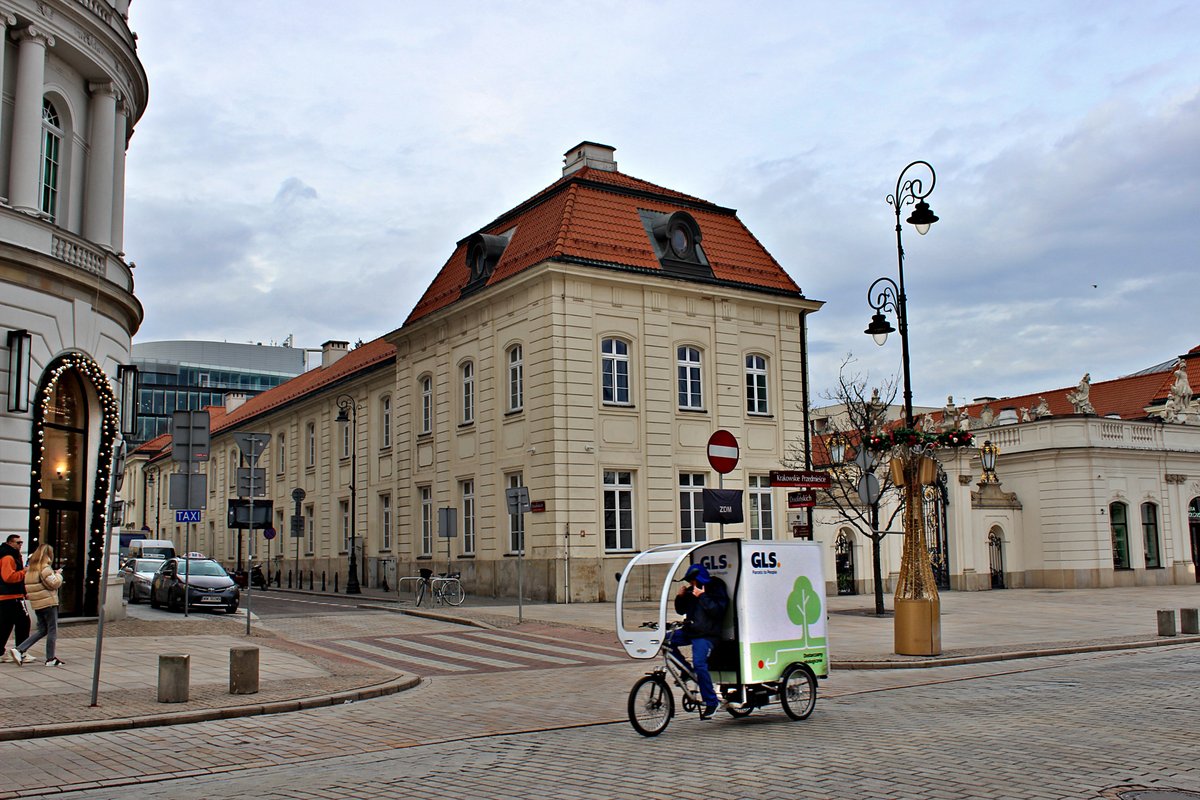
- Combine your visit with a stroll along Krakowskie Przedmieście to explore other landmarks.
Nearby Attractions
Potocki Palace is surrounded by some of Warsaw’s most significant sites:
- Royal Castle – Historic seat of Polish monarchs.
- University of Warsaw Main Building – Architectural and academic icon.
- Holy Cross Church – Resting place of Chopin’s heart.
- Presidential Palace – Official residence of the President.
- Radziwiłł and Czapski Palaces – Other historic residences nearby.
Architectural Features
- Main Façade: Symmetrical with Ionic columns and a central pediment.
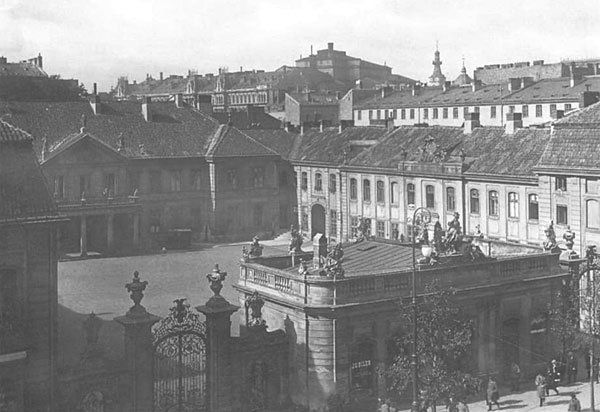
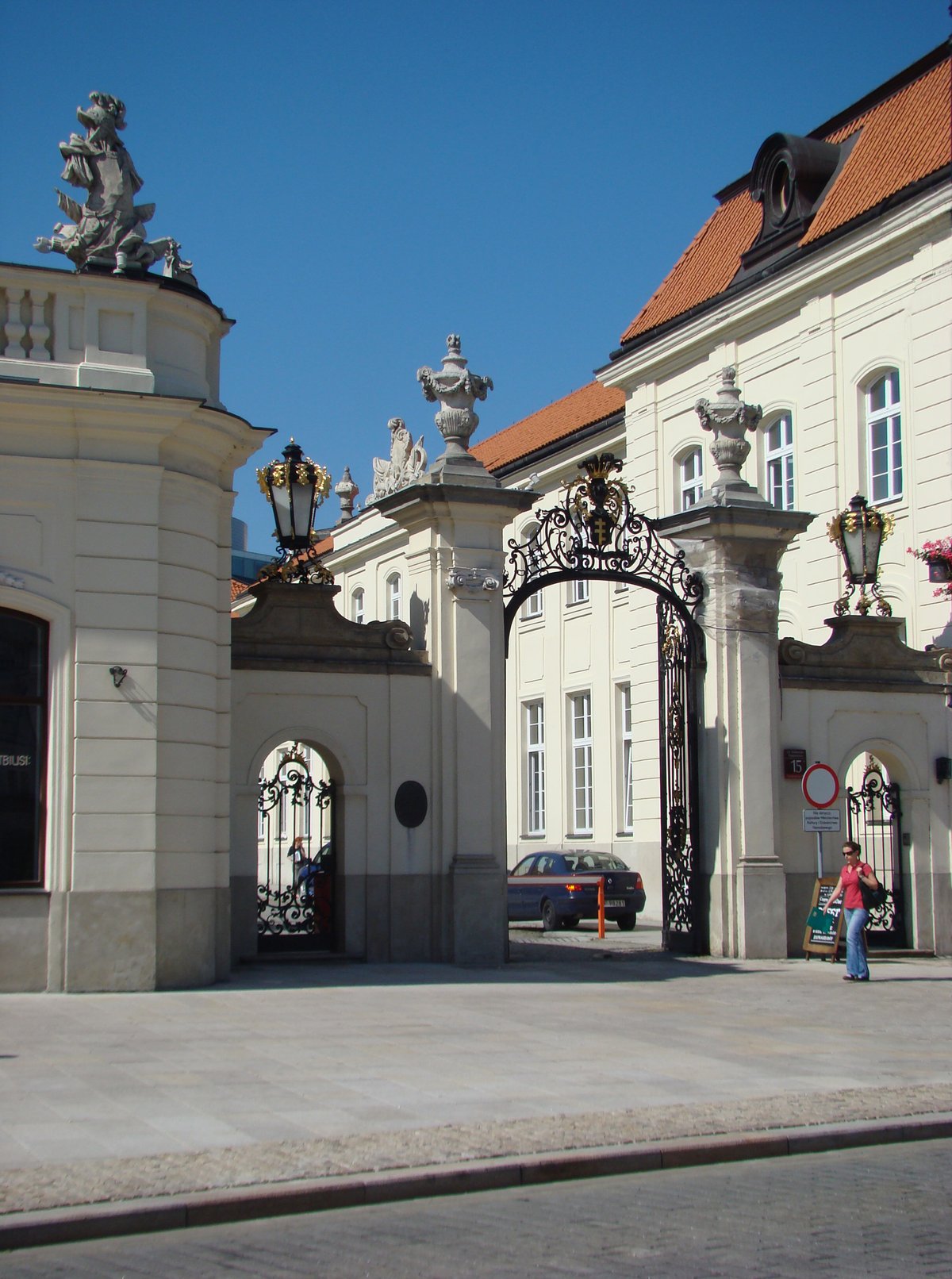
- Courtyard: Spacious area, enclosed by neorococo wrought-iron fence (Leandro Marconi).
- Grand Staircase: Ceremonial staircase restored to its original grandeur.
- Column Hall and Reception Rooms: Interiors feature stucco, gilded moldings, and period furnishings.
- Horseshoe Layout: Central block with two wings, ending in mansard-roofed pavilions.
Cultural Context
Potocki Palace is integral to the Royal Route—a ceremonial avenue connecting the Royal Castle with Wilanów Palace. The palace has hosted literary salons, political events, and public gatherings, reinforcing its role as a cultural hub in Warsaw (Codelt.nl; featherandthewind.com).
FAQ
Q: What are Potocki Palace’s visiting hours?
A: Open Tuesday to Sunday, 10:00 AM – 5:00 PM; closed Mondays and public holidays.
Q: How do I purchase tickets?
A: Tickets are available onsite and online via the University of Warsaw Museum.
Q: Is the palace accessible for visitors with disabilities?
A: Yes, accessibility features are in place; contact the museum for details.
Q: Are guided tours available?
A: Yes, regular guided tours can be booked in advance.
Q: What other sites are nearby?
A: The Royal Castle, Holy Cross Church, Presidential Palace, and more are within walking distance.
Q: Can I visit the interior anytime?
A: Interior access is generally limited to museum hours and special events.
Q: Where can I find updates on special events?
A: Visit the Warsaw City Information website or the museum’s official site.
Listen to the full story in the app
The whole Potocki Palace,
told well.
Audio guides for 1,100+ cities across 96 countries. History, stories, and local insight — offline ready.
Verified, and shown.
Researched and written by the Audiala editorial team from historical records, architectural archives, and local expertise.
Researched from Wikidata, Wikipedia & official sources · fact-checked · How we make our guides →